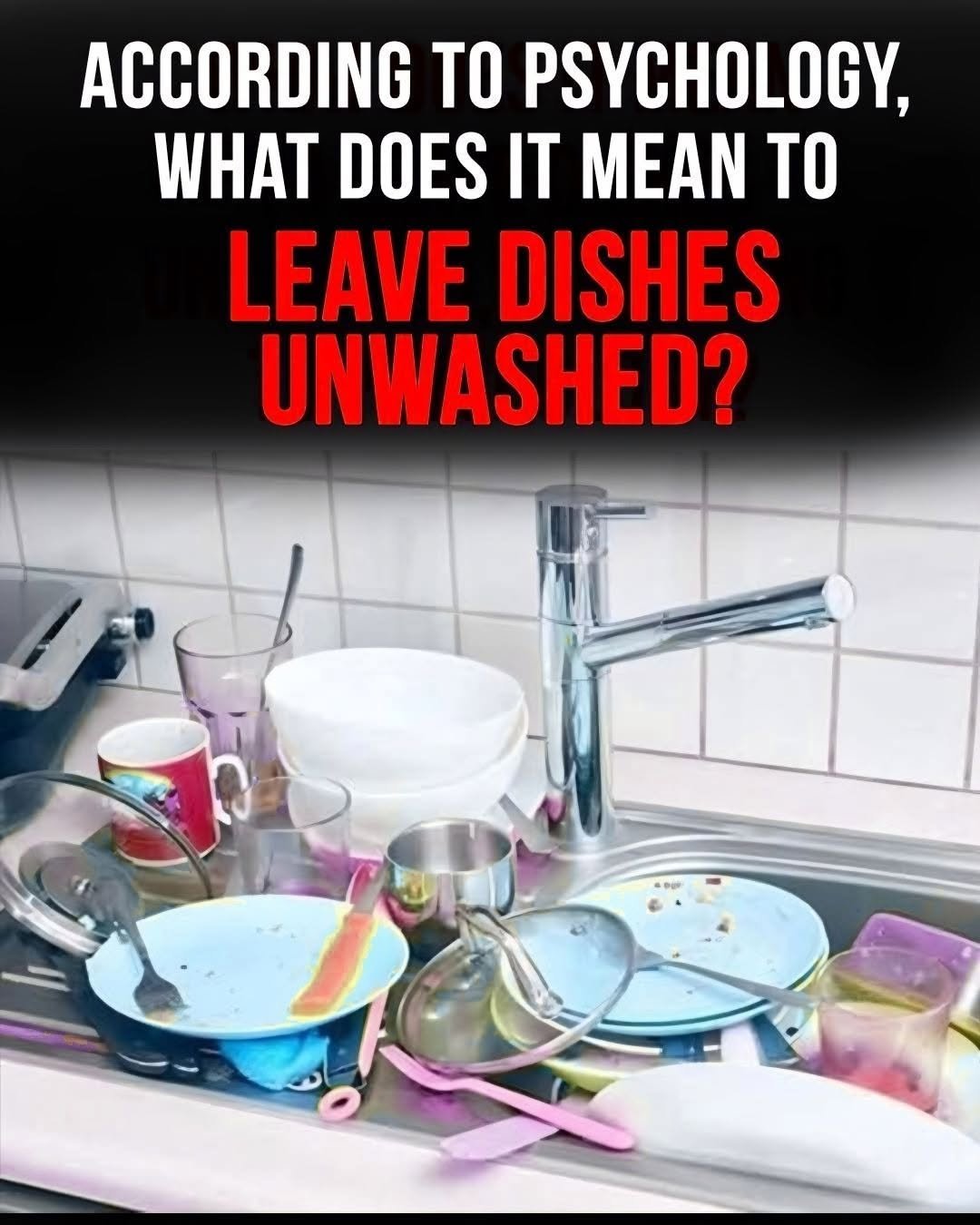
If you regularly leave dirty dishes sitting in the sink until later, the problem is not simply that your kitchen looks messy. Food residue left on plates, bowls, utensils, and cooking surfaces can provide an environment where microorganisms may multiply, particularly when dishes remain wet or contain leftover meat, eggs, dairy, or other perishable foods. The CDC recommends washing dishes, utensils, cutting boards, and countertops with hot, soapy water after food preparation, especially after contact with raw meat, poultry, seafood, or eggs. Harmful germs can spread around the kitchen through contaminated surfaces and hands, potentially reaching foods that are ready to eat.
Another issue is cross-contamination. A dirty plate or utensil can come into contact with clean dishes, countertops, refrigerator handles, or other frequently touched surfaces. This matters particularly when raw food has been involved. Bacteria such as Salmonella and Campylobacter can survive on kitchen surfaces for extended periods, making regular cleaning an important part of food safety. (fsis.usda.gov) Dishcloths and sponges can also become contaminated, so they should be cleaned or replaced regularly. The safest routine is simple: scrape food from dishes, wash them thoroughly with hot, soapy water, rinse, and allow them to dry properly. Clean countertops and utensils after preparing each food item rather than allowing residue to remain for hours.
This does not mean that leaving a few dishes overnight will automatically make your family sick. The actual risk depends on what was on the dishes, temperature, moisture, cleanliness, and whether harmful microorganisms were present in the first place. Still, making dishwashing part of your regular routine is a practical way to maintain a cleaner kitchen and reduce opportunities for germs to spread. If children are eating in the home, extra attention to clean plates, utensils, and food-preparation surfaces is worthwhile. Disclaimer: This article is for general educational and household food-safety information only and does not constitute medical advice. Dirty dishes do not automatically cause illness, and the level of risk varies depending on circumstances. Health and hygiene claims online may be exaggerated, misleading, or unauthenticated, so always verify important information through reliable public-health and food-safety sources.
Leave a Reply