Blog

  • Your Phone’s Volume Buttons Can Do More Than You Think

    Your Phone’s Volume Buttons Can Do More Than You Think

    Most people use their phone’s volume buttons only to make calls, videos, or music louder or quieter, but on many modern smartphones they can perform additional functions. One of the most useful is controlling the camera shutter. On many iPhone models and Android phones, pressing either volume button while the camera is open can capture a photo, making it easier to take pictures without reaching for the on-screen shutter button. Depending on the device and camera application, the buttons may also support functions such as starting or stopping video recording, taking burst photos, or controlling zoom. The exact behavior varies by manufacturer, operating system, and camera settings, so a feature that works on one phone may not work on another. Checking your phone’s official user guide is the safest way to confirm which shortcuts are supported.

    Volume buttons can also become useful accessibility and emergency shortcuts. On some smartphones, combinations involving the volume buttons and the power or side button can activate emergency features or other system functions. For example, Apple’s Emergency SOS feature can be activated on supported iPhones by pressing and holding the side button together with a volume button, while Android manufacturers may use different button combinations for emergency or accessibility functions. (support.apple.com) Volume keys may also help with media playback or camera controls when the phone is locked, depending on the app and device. These shortcuts can save time when your hands are occupied, when you are taking a group photo, or when reaching the screen is inconvenient. Because button combinations can differ significantly between devices, avoid assuming that a particular shortcut is universal.

    There is also a practical reason to learn these functions: physical buttons can sometimes make everyday phone use faster and more convenient. Instead of tapping the screen repeatedly, you may be able to use a volume key to take a picture, adjust audio, or perform another supported action. If you have a newer phone, open the Camera settings and Accessibility settings to see which button-based controls are available. Avoid downloading unknown apps that promise secret button functions, particularly if they request unnecessary permissions. Disclaimer: This article provides general smartphone information and does not guarantee that every feature will work on every device. Button shortcuts vary by phone model, operating system, software version, and application. Always verify available functions through your device manufacturer’s official documentation and use emergency shortcuts only when appropriate.


  • Could Your Skin Be Warning You About Diabetes? Here Are 12 Signs to Know

    Could Your Skin Be Warning You About Diabetes? Here Are 12 Signs to Know

    Your skin can sometimes provide clues that something is happening inside your body, and diabetes can affect the skin in several different ways. Dermatologists note that certain skin changes may occasionally be among the first visible signs of diabetes or prediabetes, although no skin symptom can diagnose the condition by itself. Twelve changes worth knowing about include dark, velvety skin around the neck, armpits, or groin; small skin tags; yellow, reddish, or brown patches that develop from raised bumps; shin spots or slightly depressed marks; very dry or itchy skin; slow-healing cuts or sores; recurring skin infections; yellowish scaly patches around the eyelids; thick or hardened skin on the hands or upper back; unusual changes around the feet and toenails; fungal infections such as scaling between the toes; and persistent changes in skin texture or color that have no obvious explanation. One particularly recognizable condition is acanthosis nigricans, which produces darker, thicker, velvety skin and is often seen on the neck, armpits, or groin. It can be associated with insulin resistance, prediabetes, or diabetes, but it can also have other causes.

    It is important not to panic when you notice one of these changes. Dry skin, itching, discoloration, rashes, or skin tags are common and can occur for many reasons unrelated to diabetes. Diabetes-related skin problems are more concerning when they are persistent, unexplained, recurring, or accompanied by other possible symptoms such as increased thirst, frequent urination, unusual tiredness, unexplained weight loss, blurred vision, numbness or tingling, or wounds that heal slowly. People who already have diabetes should pay particular attention to their feet because reduced sensation and impaired healing can allow small injuries or infections to become more serious. The American Academy of Dermatology recommends checking the feet regularly for redness, scaling, blisters, cuts, and sores and seeking medical attention for concerning wounds or infections. If dark, velvety patches suddenly appear or spread rapidly, medical evaluation is especially important because acanthosis nigricans can occasionally have causes other than insulin resistance.

    The most important takeaway is that your skin can provide clues, but blood testing is needed to determine whether you actually have diabetes or prediabetes. If you notice several unexplained skin changes, particularly alongside increased thirst, frequent urination, fatigue, vision changes, or slow-healing wounds, consider speaking with a qualified healthcare professional about appropriate glucose testing. Do not attempt to treat suspected diabetes by using skin creams, supplements, detox drinks, or other home remedies. Early identification and appropriate management can help reduce the risk of complications affecting the eyes, kidneys, nerves, heart, and blood vessels. Disclaimer: This article is for general educational and health information only and does not constitute medical diagnosis, treatment, or personalized medical advice. Skin changes can have numerous causes and do not prove that a person has diabetes. Health claims online may be exaggerated, misleading, or unauthenticated, so always verify important information through reliable medical sources and consult a qualified healthcare professional for appropriate testing and guidance.

  • Vegetables Are Healthy, but Some May Accumulate More Heavy Metals Than Others

    Vegetables Are Healthy, but Some May Accumulate More Heavy Metals Than Others

    Vegetables remain an essential part of a balanced, nutrient-rich diet, but it is true that plants can absorb environmental contaminants from soil and water. Heavy metals and other toxic elements such as cadmium, lead, arsenic, and mercury can enter the food chain through naturally contaminated soil, pollution, industrial activity, or agricultural practices. The FDA reports that cadmium was detected in 93% of vegetable samples in its FY2018–FY2020 Total Diet Study, although many detected concentrations were low. Certain vegetables, particularly some leafy greens and potatoes, can accumulate more cadmium than others depending on growing conditions. This does not mean that vegetables containing detectable metals are automatically unsafe. The potential health impact depends on the concentration, amount consumed, frequency of exposure, and an individual’s overall exposure from other sources.

    Growing conditions can make a significant difference. Vegetables cultivated near contaminated soil, polluted water, mining or industrial areas may have greater exposure to certain metals. Research conducted on vegetables from markets in Pakistan has found varying levels of metals in foods such as spinach, cabbage, potatoes, eggplant, tomatoes, okra, lettuce, coriander, and carrots, illustrating why local environmental conditions and food monitoring matter. However, individual studies from particular cities or markets should not be interpreted as proof that all vegetables in an entire country are contaminated. Heavy-metal exposure is particularly important for children and other vulnerable groups because prolonged exposure to contaminants such as lead and cadmium can affect important organs and biological systems. The FDA therefore monitors contaminants in the food supply and works to reduce dietary exposure while maintaining access to nutritious foods.

    The practical answer is not to stop eating vegetables, but to eat a diverse selection and avoid relying heavily on one food grown in a potentially contaminated environment. Washing produce thoroughly under running water can help remove dirt and some surface contaminants, although washing cannot reliably eliminate metals that have already been absorbed into plant tissue. Choosing produce from reputable sources and maintaining variety can reduce repeated exposure to any single contaminant. The FDA specifically recommends eating a variety of nutrient-dense foods across and within food groups rather than avoiding nutritious foods simply because contaminants may occasionally be detected. Disclaimer: This article is for general educational and nutritional information only and does not constitute medical diagnosis, treatment, or personalized dietary advice. The presence of a detectable heavy metal does not automatically mean a vegetable is dangerous, and contamination levels can vary greatly by location, soil, water, and agricultural conditions. Always verify food-safety information through reliable authorities and consult a qualified healthcare professional if you have concerns about significant or prolonged exposure to heavy metals.

  • Can a Glass of Water in the Morning Support Your Health? Here’s What You Should Know

    Can a Glass of Water in the Morning Support Your Health? Here’s What You Should Know

    Starting your morning with a glass of water can be a simple and useful hydration habit, especially after several hours of sleep without drinking. Your body continuously loses water through breathing, sweating, and normal bodily functions overnight, and Cleveland Clinic notes that drinking water after waking can help replace some of that fluid. More broadly, the CDC confirms that adequate water intake helps prevent dehydration and supports normal body functions, including temperature regulation, joint lubrication, and the removal of waste through urination and bowel movements. However, there is nothing magical about drinking water specifically in the morning. Current evidence does not show that drinking water immediately after waking provides special health benefits that cannot be achieved by drinking enough water throughout the day.

    One potential advantage is that plain water can replace higher-calorie beverages. Choosing water instead of sugary drinks can reduce calorie and added-sugar intake, which may support healthier weight-management habits over time. Adequate hydration can also help prevent problems associated with dehydration, including constipation and kidney stones. Still, you do not need to force yourself to drink enormous quantities of water in the morning. Your fluid requirements vary depending on factors such as age, physical activity, climate, pregnancy, breastfeeding, illness, and diet. Foods such as fruits and vegetables also contribute to your daily water intake. For most people, a normal glass of safe drinking water is a perfectly reasonable way to begin the day.

    The most important goal is consistent hydration rather than perfect timing. Keep water available during the day, drink when you are thirsty, and increase your intake when heat, exercise, fever, vomiting, or diarrhea increases fluid losses. If you have been advised to restrict fluids because of a medical condition, follow your healthcare professional’s recommendations instead of adopting a generic hydration routine. Also make sure your drinking water comes from a safe source, particularly where water quality may be uncertain. Disclaimer: This article is for general educational and health information only and does not constitute medical diagnosis, treatment, or personalized advice. Drinking water in the morning can support hydration, but it is not a cure-all or a guaranteed method for weight loss, detoxification, or disease prevention. Individual fluid needs vary, so always verify important health information through reliable sources and consult a qualified healthcare professional when appropriate.

  • These Are the Consequences of Using Too Much Laundry Detergent

    These Are the Consequences of Using Too Much Laundry Detergent

    Using extra laundry detergent may seem like a simple way to make clothes cleaner, but more detergent does not necessarily mean better cleaning. In fact, excessive detergent can leave behind residue that makes fabrics feel stiff, sticky, or less fresh. Too much soap can also create excessive suds, which may interfere with the washing machine’s ability to rinse and drain properly. This is especially relevant with high-efficiency washing machines, which are designed to use relatively small amounts of specially formulated detergent. Experts recommend following the dosage instructions on the product label rather than estimating by eye.

    There can also be consequences for your skin, clothing, and washing machine. Detergent residue left in fabrics may irritate sensitive skin or contribute to contact dermatitis in susceptible people. Excessive suds and detergent buildup can also interfere with drainage and contribute to residue, unpleasant odors, and moisture-related problems inside parts of the machine. Over time, unnecessary detergent use means you are spending more money without necessarily improving washing performance. If clothes frequently come out feeling coated, unusually stiff, or strongly scented with detergent, it may be worth checking whether you are using more product than recommended.

    The safest approach is simple: measure your detergent according to the manufacturer’s instructions, consider the size and soil level of the load, and use detergent specifically designed for your type of washing machine. Avoid assuming that a heavily soiled load always requires a large amount of detergent; pre-treating stains or selecting an appropriate wash cycle may be more effective. If you notice persistent skin irritation, unexplained rashes, or problems with your washing machine, stop experimenting with larger detergent quantities and seek appropriate professional advice. Disclaimer: This article is for general household and laundry-care information only and does not constitute medical or appliance-repair advice. Detergent requirements vary by product, machine type, water conditions, and load size. Always follow the manufacturer’s instructions and verify important safety information from reliable sources.

  • Start Your Day Right: 5 Morning Habits That Could Damage Your Gut

    Start Your Day Right: 5 Morning Habits That Could Damage Your Gut

    Your morning routine can influence how comfortable your digestive system feels throughout the day, but it is important not to label ordinary habits as automatically “damaging” the gut. One habit that can cause problems for some people is starting the day with a large amount of coffee on an empty stomach, particularly if you are prone to heartburn or reflux. Coffee can stimulate the digestive system and may worsen symptoms in sensitive individuals, although most people can tolerate it without a problem. A second habit is drinking very little fluid after waking, especially if you continue to neglect hydration throughout the day. Water supports normal digestion and helps keep stool softer, while dehydration can contribute to constipation.

    A third habit is choosing a breakfast dominated by added sugar and refined carbohydrates, such as pastries, sugary cereals, or sweetened drinks. These foods are often low in fiber and protein, and they may leave you hungry again relatively quickly. Cleveland Clinic recommends emphasizing fiber and protein at breakfast, while Johns Hopkins highlights whole grains, fruits and vegetables as useful sources of fiber for digestive health. A fourth habit is suddenly consuming huge amounts of fiber because you have decided to “fix” your gut overnight. Fiber is important, but rapidly increasing your intake can cause gas, bloating, cramps, or other gastrointestinal discomfort. A gradual increase combined with adequate water is generally easier for the digestive system to tolerate.

    The fifth habit is beginning the day with highly processed, greasy, or very salty foods on a regular basis. Fried and heavily processed foods can contribute to indigestion, bloating, or changes in bowel comfort for some people, while a diverse diet containing vegetables, fruits, whole grains, and fermented foods can support a healthier gut environment. The goal is not to create a perfect morning routine but to build sustainable habits: drink enough water, choose a balanced breakfast when you are hungry, introduce fiber gradually, and pay attention to foods that consistently trigger your symptoms. Disclaimer: This article is for general educational and nutritional information only and does not constitute medical diagnosis, treatment, or personalized medical advice. These habits do not automatically damage the gut, and individual responses vary considerably. Persistent abdominal pain, unexplained weight loss, blood in the stool, ongoing diarrhea or constipation, or other concerning digestive symptoms should be evaluated by a qualified healthcare professional. Always verify health information through reliable medical sources.

  • Ever Wonder Why Your Dog Sniffs That Area? The Answer Is Surprisingly Simple

    Ever Wonder Why Your Dog Sniffs That Area? The Answer Is Surprisingly Simple

    If your dog suddenly walks over and starts sniffing your groin or private area, there is usually no mysterious or embarrassing reason behind it. Dogs experience the world primarily through their incredibly powerful sense of smell, and certain areas of the human body contain higher concentrations of apocrine sweat glands. These glands release chemical signals and scents that can provide dogs with information about the person they are investigating. Veterinary sources explain that dogs use this behavior as a normal way to gather information and greet people, much like sniffing another dog’s rear when they meet.

    Your dog may notice changes in body scent, hormones, sweat, or other chemical signals that humans cannot detect. This can sometimes explain why a dog becomes especially interested in someone who is menstruating, has recently given birth, or has experienced other changes in body chemistry. However, viral claims that a dog can reliably diagnose cancer, pregnancy, or another specific medical condition simply by sniffing a person should be treated cautiously. Dogs can detect remarkably subtle odors, but that does not mean every unusual sniffing behavior is a medical diagnosis. Their behavior may simply reflect curiosity, a new scent, excitement, or learned attention-seeking.

    If the behavior is embarrassing, you do not need to punish your dog. Instead, redirect the behavior by teaching commands such as “sit” or “stay,” rewarding calm greetings, and giving the dog another appropriate scent target to investigate. You can also allow the dog to briefly sniff an offered hand before redirecting them, particularly when visitors arrive. Sniffing is a normal part of canine communication, so the goal is to teach polite behavior rather than eliminate your dog’s natural sense of smell. Disclaimer: This article is for general educational and pet-behavior information only and does not constitute veterinary diagnosis or professional advice. A dog’s sniffing behavior cannot reliably diagnose a human health condition. Online claims about dogs detecting diseases or hormones may be exaggerated or unauthenticated, so verify important information through reliable veterinary or medical sources.

  • Coconut Oil and Beauty: 7 Everyday Uses You Should Know About

    Coconut Oil and Beauty: 7 Everyday Uses You Should Know About

    Coconut oil has become a popular ingredient in haircare and skincare routines because it is rich in fatty acids and can provide an occlusive layer that helps reduce moisture loss from the skin. One common use is as a body moisturizer, particularly for dry areas such as elbows, knees, and hands. It can also be used as a simple makeup-removal oil because its texture helps loosen some oil-based cosmetics, although it should be followed by gentle cleansing. Another everyday use is applying a small amount to dry hair lengths and ends. Research has found that coconut oil can penetrate the hair shaft more effectively than some other commonly used oils and may help reduce protein loss from damaged hair. (pubmed.ncbi.nlm.nih.gov) These properties make it a useful low-cost option for people looking for simple personal-care products.

    Other popular uses include applying coconut oil to dry cuticles, rough heels, and dry lips as a protective moisturizer. Some people also use a tiny amount to smooth frizzy hair, tame flyaways, or add temporary shine. However, more is not necessarily better: coconut oil can feel heavy or greasy, and it may clog pores for some people, particularly those prone to acne. Dermatology guidance also emphasizes that fragrance-free, non-comedogenic moisturizers are often preferable for acne-prone skin. (aad.org) Coconut oil should also not be considered a substitute for sunscreen, because ordinary coconut oil does not provide reliable broad-spectrum UV protection. For sun exposure, use a properly tested sunscreen with an appropriate SPF.

    A final consideration is where and how you apply it. Before using coconut oil on your face or a large area of skin, test a small amount on a limited area to see whether irritation or breakouts occur. Keep it away from the eyes, and stop using it if you develop persistent redness, itching, swelling, or discomfort. Coconut oil can be a convenient addition to a beauty routine, but it is not a cure for eczema, acne, hair loss, or other medical conditions. For persistent skin or scalp problems, professional evaluation is more appropriate than relying on home remedies. Disclaimer: This article is for general beauty and skincare information only and does not constitute medical diagnosis, treatment, or personalized advice. Coconut oil may work well for some people but can cause irritation or breakouts in others. Always verify important skincare claims through reliable dermatology sources and consult a qualified healthcare professional or dermatologist for persistent or concerning skin or hair problems.

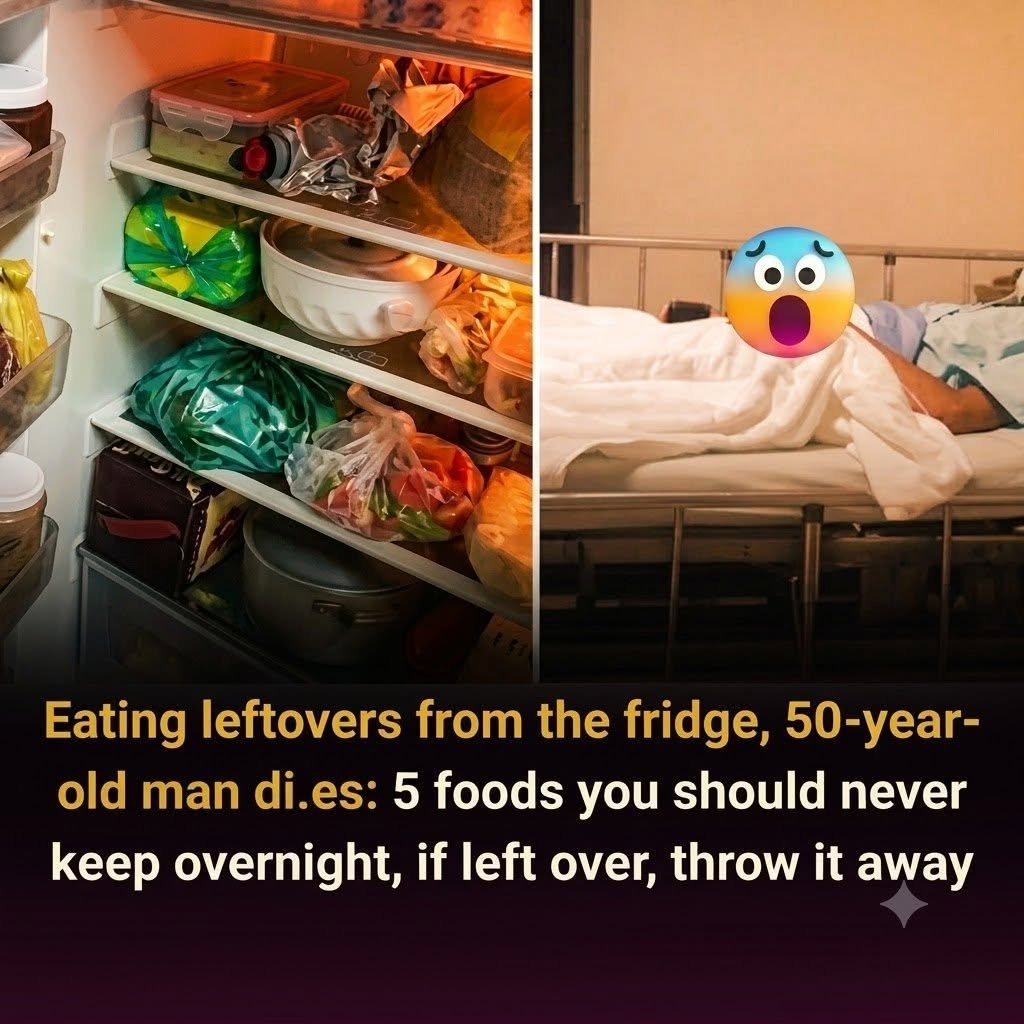
  • Before You Eat Yesterday’s Leftovers, Here’s What You Should Know About These 5 Foods

    Before You Eat Yesterday’s Leftovers, Here’s What You Should Know About These 5 Foods

    Yesterday’s leftovers are not automatically unsafe, but how quickly they were refrigerated and how they were stored matters more than simply being “one day old.” Five foods that deserve particular attention are cooked chicken, fish, rice or pasta dishes, eggs, and creamy or mayonnaise-based salads. Cooked chicken and fish can support bacterial growth if they are left at room temperature too long, while rice and pasta can become risky when cooked foods are cooled slowly or left unrefrigerated. USDA guidance says perishable leftovers should be refrigerated within two hours—or within one hour when temperatures exceed 90°F (32°C)—and most properly refrigerated leftovers should be eaten within 3–4 days. Eggs and dishes containing eggs also need proper refrigeration, with cooked egg dishes generally recommended for use within 3–4 days.

    The second issue is how the leftovers were cooled. A large pot of rice, pasta, curry, soup, or meat should not simply sit on the kitchen counter for hours before going into the refrigerator. USDA recommends dividing large quantities into shallow containers so they cool more quickly. Your refrigerator should be maintained at 40°F (4°C) or below, which slows bacterial growth. Reheating also matters: USDA recommends reheating leftovers to 165°F (74°C). Importantly, you cannot always determine whether food is safe simply by smelling or tasting it. Some harmful microorganisms can be present even when food looks, smells, and tastes normal, so “it smells fine” is not a reliable safety test.

    The safest habit is simple: refrigerate leftovers promptly, store them covered in shallow containers, keep the refrigerator cold, and follow the 3–4-day guideline. If a perishable food was left at room temperature for more than two hours, it is safer to discard it rather than trying to rescue it by reheating. If you know that food was handled improperly, has visible mold, or you are uncertain about how long it has been stored, the safest approach is to throw it away. This is especially important for older adults, young children, pregnant women, and people with weakened immune systems, who can face more serious consequences from foodborne illness. Disclaimer: This article provides general food-safety information and does not constitute medical advice. Storage times can vary depending on the food, temperature, preparation, and handling conditions. Always verify food-safety recommendations through reliable authorities such as the USDA or FDA, and when in doubt about a perishable leftover, throw it out.

  • She Ate Eggs at Every Meal for 5 Months While Trying to Lose Weight — What Her Checkup Revealed

    She Ate Eggs at Every Meal for 5 Months While Trying to Lose Weight — What Her Checkup Revealed

    Eggs can be an excellent source of high-quality protein, vitamins, minerals, and essential nutrients, which makes them a useful part of many weight-management diets. But eating eggs at every meal for five months is a very different strategy from simply including eggs regularly. An egg contains roughly 6 grams of protein and several important nutrients, but it provides little dietary fiber and does not supply the nutritional variety found in vegetables, fruits, whole grains, legumes, nuts, seeds, and other protein foods. Current American Heart Association guidance emphasizes an overall dietary pattern built around vegetables and fruits, whole grains, healthy protein sources, minimally processed foods, and healthier unsaturated fats. So, even if someone loses weight while eating eggs frequently, the result does not necessarily mean that eggs themselves caused the weight loss.

    The bigger concern with an egg-heavy diet is what it replaces and how the eggs are prepared. If eggs replace high-calorie pastries, sugary breakfast foods, or heavily processed snacks, the overall diet may improve. But if someone eats several whole eggs throughout the day while also consuming butter, cheese, processed meats, or other foods high in saturated fat, their overall dietary pattern may become less heart-friendly. The American Heart Association notes that dietary cholesterol is no longer considered the primary target for cardiovascular-risk reduction for most people, but it still emphasizes choosing healthier overall dietary patterns and limiting saturated fat. People with elevated cholesterol, diabetes, or certain cardiovascular risk factors may need more individualized advice about egg intake. A dramatic medical-checkup story claiming that eggs alone caused a shocking result should therefore be treated cautiously unless actual clinical details and reliable evidence are provided.

    The healthiest lesson is variety rather than extremes. Eggs can absolutely fit into a weight-management plan, but sustainable weight loss generally depends on overall calorie intake, food quality, physical activity, sleep, and habits that can be maintained long term. The American Heart Association’s 2026 guidance emphasizes achieving and maintaining a healthy body weight while eating a wide variety of nutrient-rich foods and choosing minimally processed sources of protein. Instead of making eggs the centerpiece of every meal, consider rotating them with beans, fish, poultry, yogurt, nuts, seeds, and other nutritious foods while adding plenty of vegetables, fruits, and whole grains. Disclaimer: This article is for general educational and nutritional information only and does not constitute medical diagnosis, treatment, or personalized dietary advice. Eating eggs does not automatically cause high cholesterol, heart disease, or other medical problems, and a sensational medical-checkup story cannot be verified without genuine clinical information. Health claims online may be exaggerated, misleading, or unauthenticated, so always verify important information through reliable medical sources and consult a qualified healthcare professional for individualized guidance.