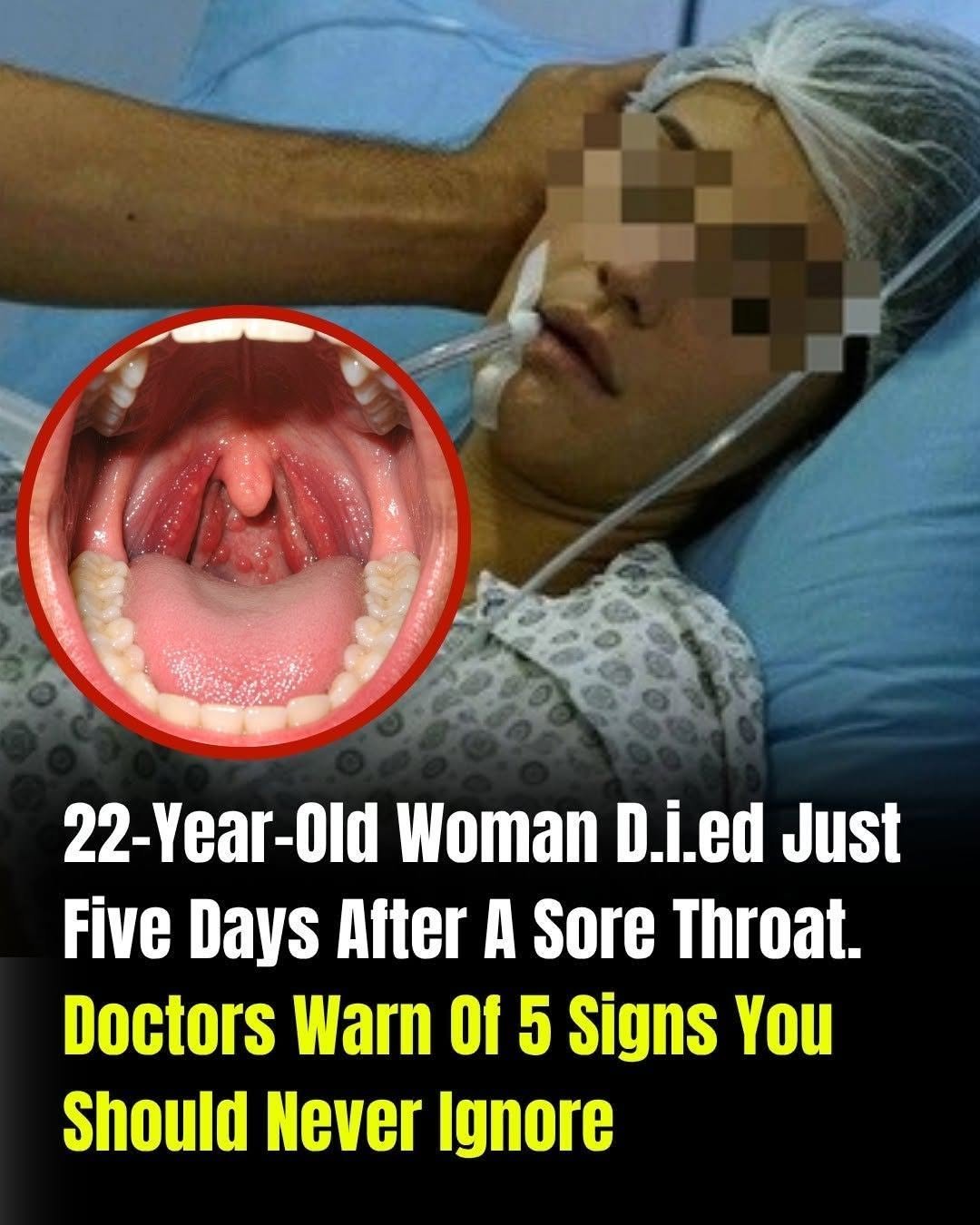
A sore throat is extremely common and is usually caused by a viral infection such as a cold or flu, with most cases improving within about a week. However, in rare situations, a seemingly ordinary throat complaint can be the first sign of a serious infection or rapidly developing complication. Epiglottitis, for example, involves dangerous swelling of the epiglottis—the structure that helps protect the airway. In adults, symptoms can develop over several days and may include severe sore throat, fever, muffled or hoarse voice, painful or difficult swallowing, drooling, and difficulty breathing. Because swelling can eventually obstruct the airway, epiglottitis is considered a medical emergency.
Another serious possibility is sepsis, which occurs when the body’s extreme response to an infection causes potentially life-threatening organ dysfunction. Almost any infection can lead to sepsis, and it can progress rapidly without treatment. Warning signs can include confusion, extreme pain or discomfort, fever or chills, clammy skin, very rapid breathing, or a dramatic deterioration in a person’s condition. This does not mean that an ordinary sore throat is likely to become fatal—most are not—but it explains why rapidly worsening symptoms should never be dismissed simply because they started with throat discomfort. A particularly severe sore throat accompanied by difficulty swallowing or breathing, drooling, a high-pitched breathing sound, or rapidly worsening illness requires urgent medical assessment.
The most important lesson is not to panic over every sore throat, but to recognize emergency warning signs. If someone suddenly struggles to breathe, cannot swallow saliva, begins drooling, develops noisy or high-pitched breathing, becomes confused, or deteriorates rapidly, emergency medical care is needed rather than waiting for a home remedy to work. Early professional assessment can make a critical difference when a serious infection or airway problem is developing. Disclaimer: This article is for general educational and informational purposes only and does not constitute medical diagnosis, treatment, or personalized health advice. The specific story suggested by this headline has not been independently established here, and a sore throat alone does not mean a life-threatening condition is present. Health stories shared online may be exaggerated, incomplete, or unauthenticated, so always verify important claims through reliable medical sources and consult a qualified healthcare professional. If breathing or swallowing becomes difficult, seek emergency medical care immediately.
Leave a Reply