Blog

  • These Plants May Attract Snakes to Your Yard — Avoid Planting Them Too Close to Your Home

    These Plants May Attract Snakes to Your Yard — Avoid Planting Them Too Close to Your Home

    A lush garden can make a home look beautiful, but certain types of vegetation can create conditions that make a yard more attractive to snakes. It is important to clarify that snakes generally are not attracted to a particular plant because of its smell or because they “love” the plant itself. Instead, dense vegetation can provide shade, moisture, hiding places, and habitat for prey such as rodents, frogs, insects, slugs, and other small animals. Extension specialists specifically recommend being cautious with tall grasses, dense ground cover, heavily overgrown shrubs, climbing vegetation, and thick plant growth close to buildings because these features can make snakes harder to spot and provide shelter.

    If you live in an area where snakes are common, consider keeping ornamental grasses, dense vines, thick shrubbery, large mulch beds, and heavily planted areas farther from doors, windows, children’s play areas, and frequently used walkways. Large rocks, brush piles, fallen branches, and water features can also create attractive shelter or encourage prey animals to visit. Utah State University Extension recommends keeping trees and shrubs trimmed away from the house, maintaining shorter grass, avoiding excessive watering, and limiting landscape features that provide hiding places. Rather than removing every plant from your yard, the goal should be to create a clear, well-maintained zone around the home while keeping desirable vegetation farther away. This approach can reduce potential hiding places without destroying the ecological value of your garden.

    The good news is that seeing a snake does not necessarily mean your garden is unsafe. Many snake species are harmless and can actually help control rodents, slugs, insects, and other garden pests. If you want to discourage snakes around your home, focus on habitat management: mow tall grass, trim vegetation, remove unnecessary debris, store firewood away from the house, control rodents, reduce standing water, and seal gaps around buildings. If you encounter a snake you cannot confidently identify, keep your distance and do not attempt to handle it. Disclaimer: This article is for general educational and gardening purposes only and does not mean that specific plants will automatically attract snakes. Snake behavior varies by species, climate, and local habitat. Online gardening claims may be exaggerated or unauthenticated, so always verify important information through reliable agricultural or university extension sources.
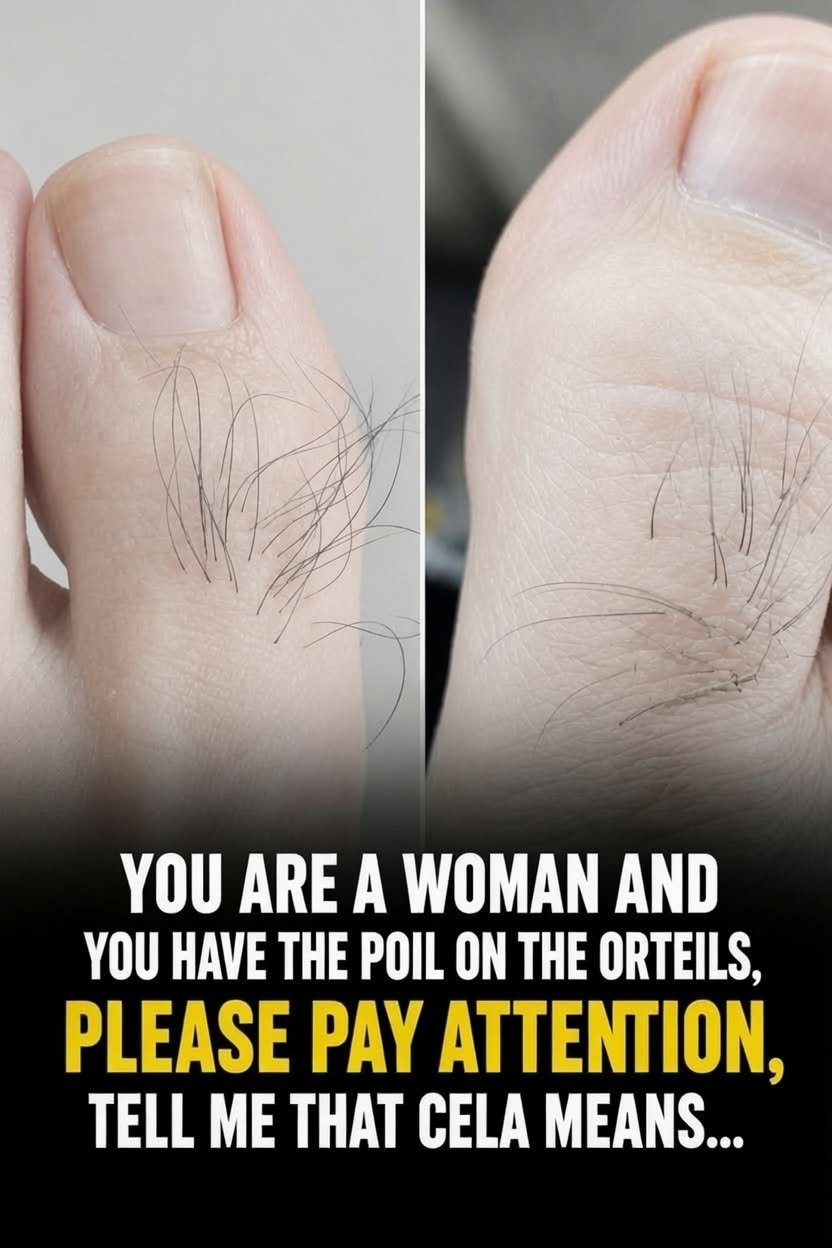
  • Toe Hair May Seem Harmless, But It Can Sometimes Offer Important Health Clues

    Toe Hair May Seem Harmless, But It Can Sometimes Offer Important Health Clues

    Hair growing on the toes is usually completely normal and is influenced by genetics, hormones, age, and individual hair-growth patterns. Some people naturally have more body hair than others, and having noticeable hair on the toes does not automatically indicate good or poor health. However, changes in hair growth can sometimes attract attention when they occur alongside other symptoms. For example, a noticeable reduction in hair on the feet or lower legs may occur for several reasons, including aging, hormonal changes, nutritional problems, certain medications, or circulation issues. Peripheral artery disease (PAD) is one condition that can sometimes be associated with reduced hair growth on the legs and feet, particularly when accompanied by other symptoms such as leg pain during walking or cool skin. (nhlbi.nih.gov)

    What matters more than simply having toe hair is a new and unexplained change in the feet or legs. Warning signs that deserve medical attention can include persistent pain or cramping in the calf while walking, numbness or weakness, unusually cold feet, changes in skin color, slow-healing sores, or wounds that repeatedly fail to improve. The American Heart Association notes that PAD can cause symptoms such as leg discomfort during activity, numbness or weakness, coldness in the lower leg or foot, and changes in skin or nail growth. (heart.org) Importantly, hair loss by itself cannot diagnose poor circulation. Many people naturally have sparse leg or toe hair without having any vascular disease.

    The best approach is to consider toe hair as only one small physical characteristic rather than a medical test. If you notice sudden changes in hair growth together with persistent foot pain, discoloration, numbness, swelling, or wounds that do not heal, arrange an evaluation with a qualified healthcare professional. People with diabetes, smoking history, high blood pressure, or high cholesterol may have additional reasons to pay attention to changes in their feet and circulation. Disclaimer: This article is for general educational and informational purposes only and does not constitute medical diagnosis, treatment, or personalized health advice. Toe hair is normally harmless and cannot independently confirm or rule out a health condition. Online health claims may be exaggerated, misleading, or unauthenticated, so always verify important information through reliable medical sources and consult a qualified healthcare professional if you notice persistent or concerning changes.

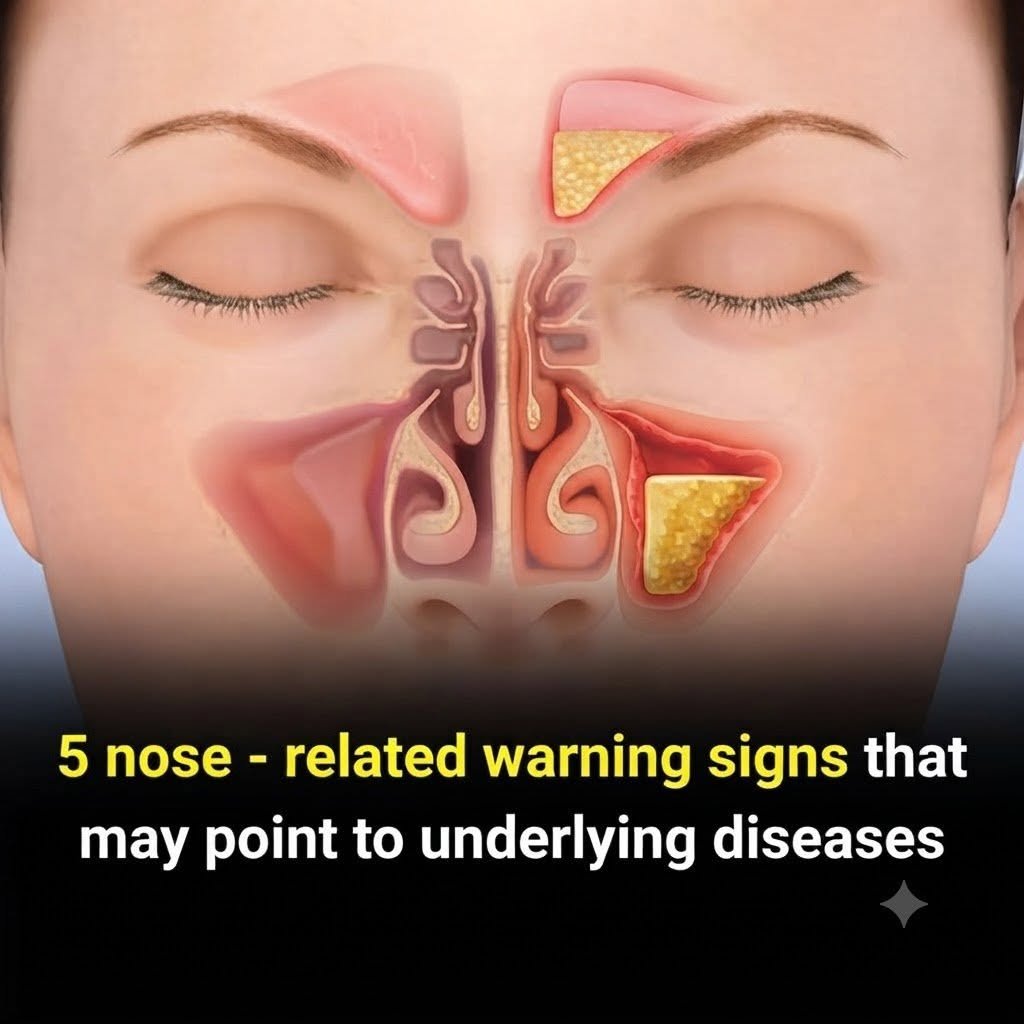
  • 5 Nose Symptoms That May Be Associated With Underlying Health Conditions

    5 Nose Symptoms That May Be Associated With Underlying Health Conditions

    Your nose can sometimes provide clues about your overall health, although a symptom alone rarely identifies a specific disease. Five changes worth paying attention to are 1) persistent nasal congestion, 2) frequent nosebleeds, 3) reduced or lost sense of smell, 4) persistent nasal discharge, and 5) recurring pain or pressure around the nose and face. Congestion may occur with allergies, viral infections, nasal polyps, or structural problems, while changes in smell can accompany respiratory infections, chronic sinus conditions, or other medical issues. Frequent nosebleeds are commonly related to dry air, irritation, nose picking, or certain medications, but recurrent or unexplained bleeding deserves evaluation. (mayoclinic.org)

    The duration and pattern of these symptoms matter. A blocked nose during a short-term cold is usually very different from congestion that persists for weeks. Likewise, occasional clear nasal discharge can be normal, while persistent discharge accompanied by facial pressure, fever, or worsening symptoms may suggest sinus inflammation or infection. A reduced sense of smell can also have many causes, including allergies, infections, nasal polyps, certain medications, and neurological conditions. (nidcd.nih.gov) Facial pain or pressure around the forehead, cheeks, or nose may occur with sinus problems, but similar discomfort can also be caused by migraine or other conditions. This is why an online symptom list should not be used to diagnose the underlying cause.

    If nasal symptoms are persistent, severe, repeatedly returning, or interfering with breathing, sleep, smell, or daily activities, consider speaking with a healthcare professional. Seek urgent medical attention for heavy nosebleeding that does not stop with appropriate first aid, significant difficulty breathing, severe facial swelling, or other serious symptoms. Keeping track of when symptoms began and whether they are associated with allergies, infections, medications, or environmental triggers can help during an evaluation. Disclaimer: This article is for general educational and informational purposes only and does not constitute medical diagnosis, treatment, or personalized health advice. These five symptoms can have many harmless and treatable causes and do not automatically indicate an underlying serious condition. Online health claims may be exaggerated, misleading, or unauthenticated, so always verify important information through reliable medical sources and consult a qualified healthcare professional for persistent or concerning symptoms.

  • People Who Have This Line on Their Hand Are “Very Special” — But Here’s What Science Says

    People Who Have This Line on Their Hand Are “Very Special” — But Here’s What Science Says

    A particular line on the palm can look unusual or interesting, which is why social media often claims that people who have it are “very special,” unusually intelligent, wealthy, lucky, or destined for success. In palmistry, different palm lines are given symbolic meanings, but these interpretations are part of a traditional belief system rather than scientifically established methods of predicting personality or future events. Palm lines are primarily formed by natural folds in the skin that help the hand bend and move. Their appearance varies considerably between individuals, and having a particular line does not provide reliable evidence about someone’s character, intelligence, relationships, or destiny.

    One palm feature that frequently appears in viral posts is a single transverse palmar crease, sometimes called a simian crease. Instead of having two prominent horizontal creases across the palm, a person may have one crease that extends across much of the hand. This is a normal anatomical variation that some people are born with. It can occur in healthy individuals and, by itself, does not mean that someone is sick or genetically abnormal. Medical professionals may sometimes note unusual palm creases as one small part of a broader physical examination, particularly when other developmental or medical findings are present. Therefore, it would be misleading to claim that anyone with a certain palm line automatically has special abilities or a particular medical condition.

    Your hands can certainly reveal interesting information about anatomy, movement, skin health, and genetics, but palm lines should not be used as a diagnostic tool or a method for predicting someone’s future. If you notice a genuinely new change in your hand—such as a persistent lump, unexplained swelling, discoloration, pain, numbness, or a rapidly changing skin lesion—that is different from simply having a naturally occurring palm crease and may deserve professional evaluation. Disclaimer: This article is for general educational and informational purposes only and does not constitute medical diagnosis, treatment, or scientific personality assessment. Claims that a specific palm line proves someone is unusually lucky, intelligent, wealthy, or “special” are not supported by reliable scientific evidence. Always verify health-related claims through trustworthy medical sources and consult a qualified healthcare professional when you have concerns about a physical change.

  • Doctors Reveal That Eating Eggs in the Morning Causes… See More

    Doctors Reveal That Eating Eggs in the Morning Causes… See More

    Eating eggs in the morning does not automatically cause a dangerous health problem. In fact, eggs provide high-quality protein along with nutrients such as choline, vitamin D, vitamin B12, selenium, and antioxidants including lutein and zeaxanthin. One large egg contains around 6 grams of protein and roughly 70 calories, making it a convenient and filling breakfast choice for many people. The important issue is not simply whether you eat an egg in the morning, but how many you eat, how they are prepared, and what you eat alongside them. Eggs served with vegetables and whole grains are nutritionally very different from a breakfast dominated by eggs, processed meat, butter, and refined carbohydrates.

    The main concern surrounding eggs has traditionally been their dietary cholesterol. A large egg contains about 186–200 mg of cholesterol, mostly in the yolk. However, current evidence has moved away from treating dietary cholesterol as the only factor determining cardiovascular risk. The American Heart Association’s 2026 dietary guidance emphasizes an overall heart-healthy eating pattern, with less saturated fat and more vegetables, fruits, whole grains, healthy protein sources, and unsaturated fats. For many healthy adults, an egg can fit into this pattern. People with high LDL cholesterol, diabetes, existing cardiovascular disease, or other individual risk factors may need more personalized guidance about egg intake.

    So, the real takeaway is that morning eggs are not inherently harmful. Boiled, poached, or lightly cooked eggs paired with vegetables and other nutrient-rich foods can be part of a balanced breakfast. Avoiding excessive butter, processed meats, and other foods high in saturated fat may be more important for cardiovascular health than simply eliminating eggs. If you eat eggs frequently and have concerns about cholesterol or heart health, discussing your diet and cholesterol results with a qualified healthcare professional can help determine what is appropriate for you. Disclaimer: This article is for general educational and informational purposes only and does not constitute medical diagnosis, treatment, or personalized nutritional advice. Eggs affect individuals differently, and health claims online may be exaggerated, misleading, or unauthenticated. Always verify important information through reliable medical sources and consult a qualified healthcare professional for personalized guidance.

  • White Spots on Lips or Intimate Area? Don’t Ignore These Warning Signs

    White Spots on Lips or Intimate Area? Don’t Ignore These Warning Signs

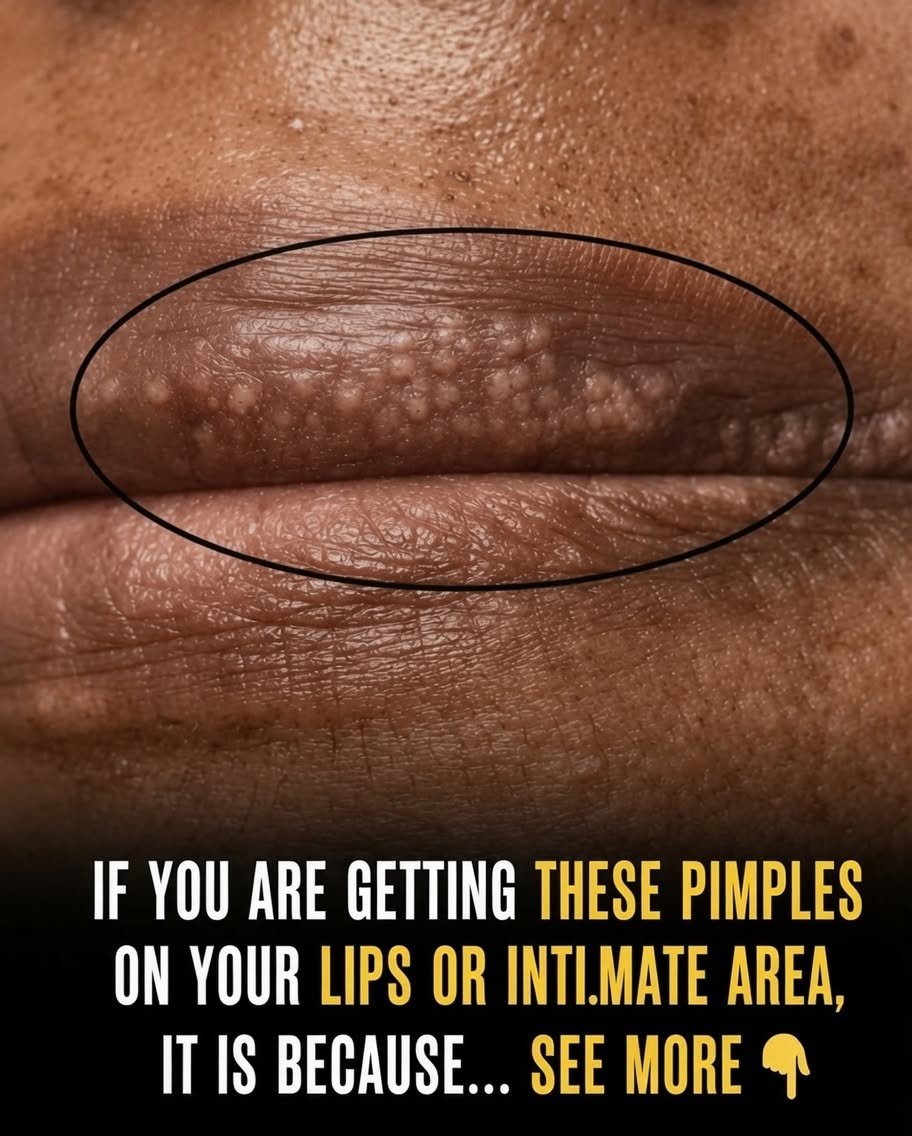
    White spots or patches on the lips or genital area can have many different causes, and most cannot be identified accurately from appearance alone. On the lips, small pale or white spots may sometimes be Fordyce spots, which are visible oil glands and are generally harmless and not contagious. Other possibilities include irritation, fungal infections, inflammation, or certain skin conditions. In the genital area, pale spots can similarly result from harmless anatomical variations, irritation, infections, or dermatological conditions. The NHS notes that genital symptoms can have several causes and recommends medical assessment when unusual changes persist or are accompanied by other symptoms. (nhs.uk) Importantly, a white spot does not automatically mean cancer or a sexually transmitted infection.

    There are several warning signs that make professional evaluation more important. Pay attention if a spot is new and persistent, rapidly changing, painful, itchy, bleeding, ulcerated, swollen, or associated with a sore that does not heal. White patches in the mouth that cannot be rubbed away can have different causes, including oral conditions that require assessment. Similarly, persistent white patches on genital skin may sometimes be associated with conditions such as lichen sclerosus, which can cause itching, soreness, fragile skin, or changes in appearance and should be diagnosed by a healthcare professional. (nhs.uk) Avoid repeatedly scratching, applying harsh chemicals, or using unverified creams because these actions can irritate sensitive skin and make the original problem harder to evaluate.

    If a white spot or patch doesn’t disappear, keeps returning, or is accompanied by pain, bleeding, discharge, sores, or significant itching, arrange an examination with a doctor, dermatologist, dentist, gynecologist, urologist, or other appropriate healthcare professional. Accurate diagnosis may require simply examining the area, although testing or a small biopsy may occasionally be necessary. Do not assume the cause from an online photograph or headline. Disclaimer: This article is for general educational and informational purposes only and does not constitute medical diagnosis, treatment, or personalized health advice. White spots have many possible causes, ranging from harmless variations to conditions requiring treatment, and appearance alone cannot establish a diagnosis. Online health claims may be exaggerated, misleading, or unauthenticated, so always verify important information through reliable medical sources and seek professional evaluation for persistent or concerning changes.

  • Your Phone’s Volume Buttons Can Do More Than You Think

    Your Phone’s Volume Buttons Can Do More Than You Think

    Most people use their phone’s volume buttons simply to make music, videos, or calls louder or quieter, but these physical buttons can have several additional functions. On many smartphones, pressing a volume button while the Camera app is open can work as a shutter button, making it easier to take photos without tapping the screen. Depending on the phone and its settings, the buttons can also be used to start or stop video recording, control camera zoom, or capture photos more comfortably when holding the device horizontally. These features vary between manufacturers and operating systems, so the exact shortcuts available on an iPhone, Samsung Galaxy, Google Pixel, or another Android device may differ.

    Volume buttons can also interact with other built-in functions. For example, on some phones, pressing certain button combinations can capture a screenshot, while holding buttons together can activate emergency or power-related functions. Accessibility settings may provide additional shortcuts, allowing physical buttons to work with selected features or assistive tools. Some camera applications even let users customize what the volume keys do, such as controlling zoom instead of taking a picture. Because these functions depend on your specific phone model and software version, it is worth checking the device’s official settings rather than assuming every shortcut works universally. This can be particularly useful when taking selfies, recording video, or operating your phone when your hands are wet or when touching the screen is inconvenient.

    Before experimenting with unfamiliar button combinations, remember that some shortcuts can restart, power off, or trigger emergency features depending on the device. If you want to discover useful options, open your Camera settings and Accessibility settings and look for controls involving physical keys or volume buttons. You may find that a button you thought had only one purpose can make everyday tasks faster and more convenient. Disclaimer: This article is for general informational purposes only. Available volume-button functions vary by phone manufacturer, model, operating system, and software version, so some features described here may not be available on every device. Always verify shortcuts through your phone manufacturer’s official documentation before changing important settings.

  • Your Body May Show These 9 Early Signs of Appendicitis

    Your Body May Show These 9 Early Signs of Appendicitis

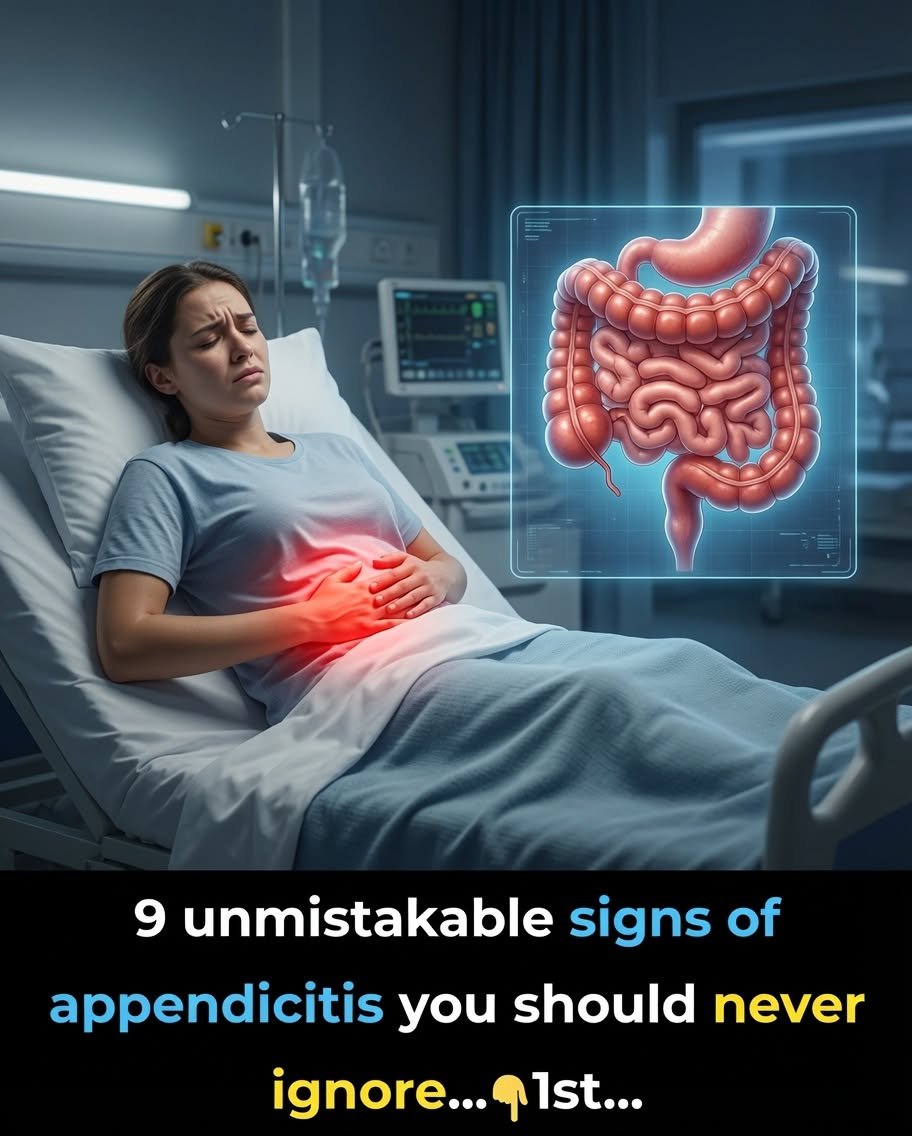
    Appendicitis happens when the appendix becomes inflamed, and it can develop quickly. Recognizing possible early symptoms matters because untreated appendicitis can lead to complications such as a ruptured appendix and serious infection. Nine symptoms that may occur include 1) abdominal pain that often begins around the belly button, 2) pain that moves toward the lower-right abdomen, 3) worsening pain with movement or coughing, 4) loss of appetite, 5) nausea, 6) vomiting, 7) fever, 8) abdominal swelling or tenderness, and 9) constipation or diarrhea. According to the National Institute of Diabetes and Digestive and Kidney Diseases, abdominal pain is the most common symptom, often becoming more severe and eventually moving toward the lower-right side. (niddk.nih.gov) Not everyone experiences all of these symptoms, and children, pregnant women, and older adults can sometimes have less typical symptoms.

    The pattern of pain can be especially important. Appendicitis pain may initially feel vague around the middle of the abdomen before becoming more localized, particularly in the lower-right area. The pain can worsen with walking, coughing, sneezing, or other movement. (medlineplus.gov) Nausea, vomiting, fever, appetite loss, and changes in bowel movements may accompany the pain. However, these symptoms can also occur with food poisoning, stomach infections, constipation, kidney stones, urinary problems, or other abdominal conditions. That is why attempting to diagnose appendicitis solely from an online symptom list can be dangerous. A healthcare professional may perform an abdominal examination and use blood tests, urine testing, ultrasound, CT, or other imaging depending on the person’s age and circumstances. (niddk.nih.gov)

    If you develop increasing or severe abdominal pain, especially pain that becomes concentrated in the lower-right abdomen, seek prompt medical evaluation rather than waiting for symptoms to disappear. Appendicitis is considered a medical emergency because the appendix can rupture, potentially spreading infection throughout the abdominal cavity. (nhs.uk) Avoid relying on home remedies, laxatives, or pain-treatment strategies to delay evaluation when appendicitis is suspected. Disclaimer: This article is for general educational and informational purposes only and does not constitute medical diagnosis, treatment, or personalized health advice. These nine symptoms can occur with many different conditions and do not prove that someone has appendicitis. Symptoms can vary considerably, especially in children, older adults, and pregnant people. Online health information may be exaggerated, incomplete, or unauthenticated, so always verify important medical information through reliable sources and seek professional medical assessment for concerning or worsening abdominal symptoms.

  • 9-Year-Old Boy Found With 56 Stones in His Abdomen — What Doctors Say About the Possible Cause

    9-Year-Old Boy Found With 56 Stones in His Abdomen — What Doctors Say About the Possible Cause

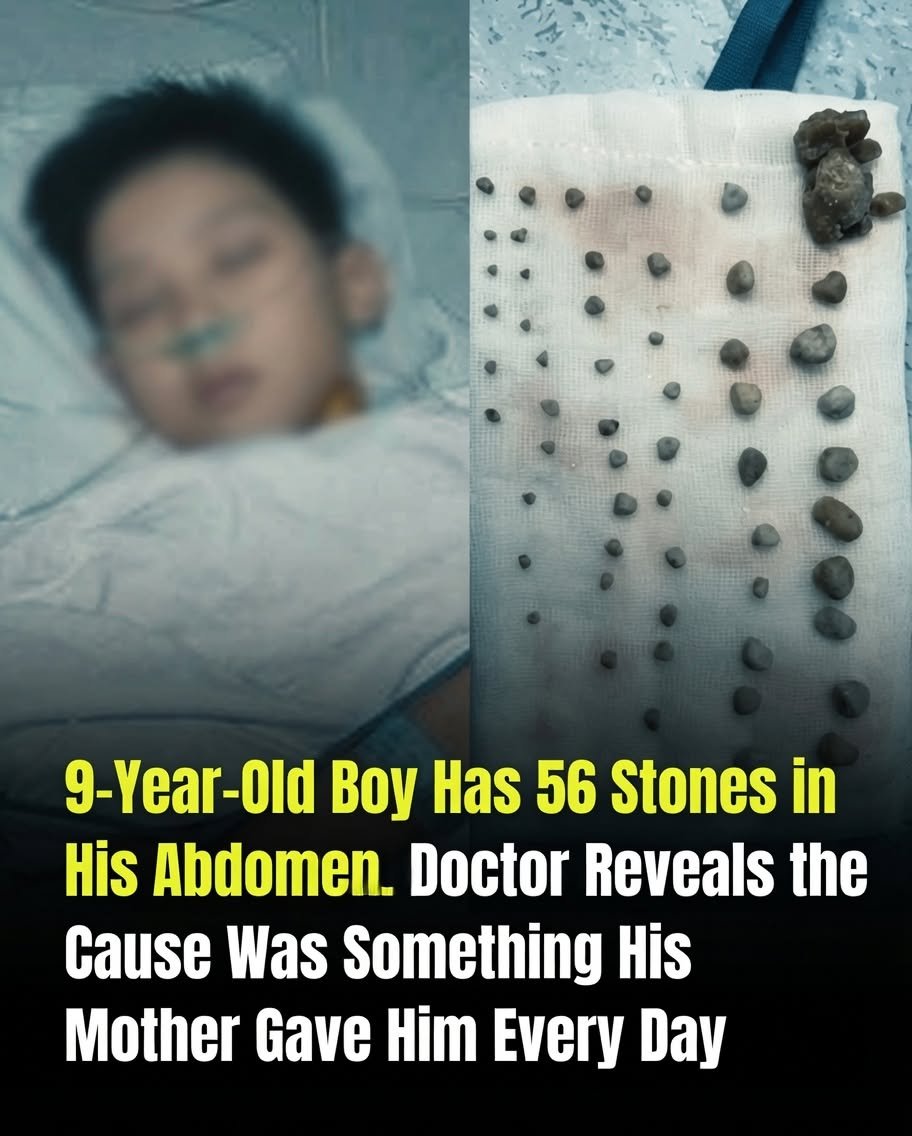
    A report describing a child with 56 urinary stones is certainly alarming, but the exact details of the viral story should be treated cautiously. One published report describes a 12-year-old boy in India whose family and a homeopathic practitioner claimed that 56 stones had passed after treatment; this is not the same as a medically verified case of a 9-year-old having 56 stones removed from his abdomen. Kidney and urinary stones in children can occur for several reasons, including inadequate fluid intake, dietary patterns, urinary infections, metabolic abnormalities, genetic factors, and excessive concentrations of stone-forming substances in the urine. Pediatric stone disease therefore should not be blamed on one ordinary food or drink without proper medical evidence.

    One important factor is hydration. When children do not drink enough water, urine becomes more concentrated, which can make it easier for crystals to form. High dietary sodium, certain nutritional patterns, metabolic conditions, and family history can also influence stone risk. A clinical nutrition guideline published in Pakistan explains that urinary stones develop when crystal-forming substances such as calcium, oxalate, phosphate, sodium, or uric acid become excessively concentrated, while low urine volume can increase the risk. This is why a headline suggesting that something a mother “gave every day” directly caused dozens of stones can be misleading. Even when diet contributes, kidney-stone formation is usually multifactorial, and proper evaluation may involve urine testing, blood tests, imaging, and analysis of the stone itself.

    Parents should pay attention to possible symptoms such as severe pain in the back, side, or abdomen, painful urination, blood in the urine, nausea, vomiting, fever, or difficulty passing urine. A child experiencing these symptoms should be evaluated by a qualified healthcare professional rather than treated with internet remedies or unverified supplements. Children with recurrent stones may need specialist assessment to identify underlying causes and reduce the chance of recurrence. Most importantly, parents should not unnecessarily eliminate nutritious foods based on a dramatic social-media story. Disclaimer: This article is for general educational and informational purposes only and does not constitute medical diagnosis, treatment, or personalized dietary advice. The specific viral claim in the headline could not be independently verified from reliable medical reporting, and the cause of any individual child’s kidney stones cannot be established from a headline alone. Health claims online may be exaggerated, misleading, or unauthenticated, so always verify important information through reliable medical sources and consult a qualified pediatrician or specialist.

  • Here’s What Really Happens to Your Body If You Eat Cucumbers Every Day

    Here’s What Really Happens to Your Body If You Eat Cucumbers Every Day

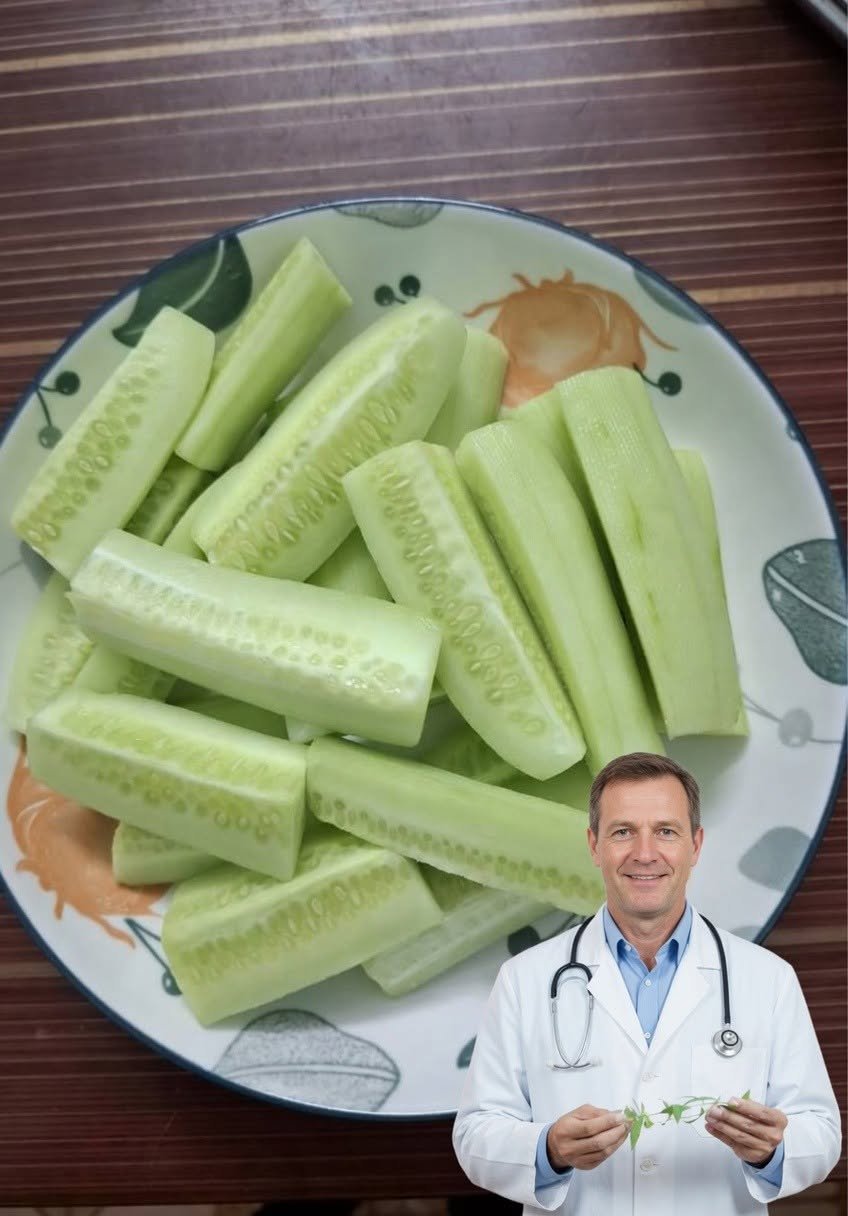
    Eating cucumbers every day can be a simple way to add water, fiber, vitamins, minerals, and plant compounds to your diet. Cucumbers are naturally low in calories and contain a high proportion of water, making them a refreshing option for people looking to include more vegetables in their meals. They also provide vitamin K, which contributes to normal blood clotting and bone health, along with smaller amounts of vitamin C, potassium, magnesium, and other nutrients. Because of their water and fiber content, cucumbers may also contribute to normal hydration and digestive regularity. However, they should not be viewed as a miracle food: eating cucumbers alone cannot “detox” the body, burn fat, or cure disease. Their greatest nutritional value comes from being part of a varied eating pattern that includes different vegetables, fruits, whole grains, legumes, and appropriate protein sources. (fdc.nal.usda.gov)

    Regular cucumber consumption may also make it easier to replace less nutritious snacks or side dishes with a fresh vegetable. Eating cucumbers with their skin provides more fiber and plant compounds than eating only the peeled portion, although washing fresh produce thoroughly is important. Their high water content can contribute to overall fluid intake, but cucumbers should not replace drinking water when you are thirsty or physically active. Some people may experience bloating, burping, or digestive discomfort after eating large amounts, particularly if they are sensitive to certain foods. Another consideration is preparation: plain cucumber is naturally low in sodium, while pickled cucumbers can contain substantially more sodium depending on the recipe and processing method. People following sodium-restricted diets should therefore pay attention to the difference between fresh cucumbers and heavily salted pickles.

    The best approach is to enjoy cucumbers regularly without expecting dramatic overnight changes. Add fresh slices to salads, sandwiches, yogurt-based dishes, or meals, and combine them with other colorful vegetables to increase dietary variety. If you have a medical condition requiring restrictions on potassium, fluids, or certain foods, your individual diet may need to be adjusted with professional guidance. A healthy eating pattern is about the overall combination of foods rather than relying on one ingredient. Disclaimer: This article is for general educational and informational purposes only and does not constitute medical diagnosis, treatment, or personalized nutritional advice. Eating cucumbers daily is generally compatible with a balanced diet, but individual responses and dietary requirements vary. Claims that cucumbers can independently cure disease, detoxify the body, or produce dramatic weight loss may be exaggerated, misleading, or unauthenticated. Always verify important health information through reliable sources and consult a qualified healthcare professional for personalized advice.