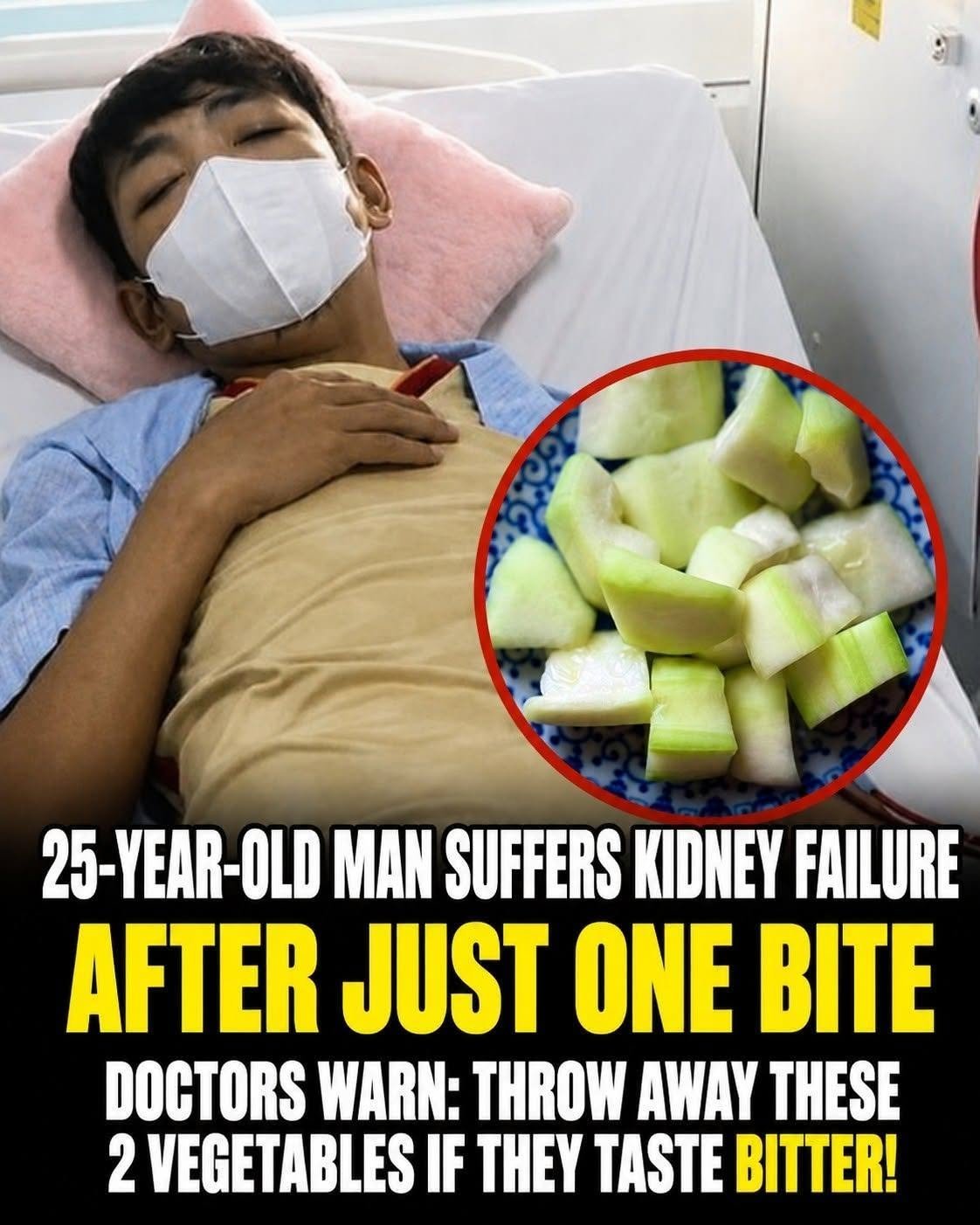
A headline claiming that a 25-year-old man suffered kidney failure after “just one bite” is shocking, but the important point is that a single bite of ordinary food does not normally cause kidney failure. A serious exception can occur when food is contaminated with certain strains of Shiga toxin-producing E. coli (STEC). These bacteria can produce toxins that damage blood cells and the kidneys, potentially causing a dangerous complication called hemolytic uremic syndrome (HUS). The CDC confirms that HUS can lead to kidney failure, permanent health problems, and even death. The risk is therefore related to contamination and the specific microorganism involved—not simply the number of bites a person takes.
STEC infections commonly cause severe stomach cramps, diarrhea that may become bloody, vomiting, and sometimes fever. Symptoms can begin several days after exposure rather than immediately after eating the contaminated food, so a person may not initially connect their illness to a particular meal. In some cases, HUS develops after the intestinal symptoms begin to improve. Warning signs can include unusual tiredness, pale skin, unexplained bruising, blood in the urine, and especially markedly reduced urination or inability to urinate. HUS is a medical emergency because kidney function can deteriorate significantly and some patients may require hospitalization and dialysis.
The best protection is safe food handling and prompt medical attention when serious symptoms appear. Cook foods thoroughly when appropriate, prevent cross-contamination between raw and ready-to-eat foods, wash produce properly, use safe drinking water, and follow recommended food-storage practices. If someone develops bloody diarrhea, severe abdominal pain, persistent vomiting, dehydration, or significantly reduced urination, they should seek medical care promptly rather than relying on home remedies. It is also important not to automatically take anti-diarrheal medicines or antibiotics when STEC infection is suspected; the CDC warns that some treatments can increase the risk of HUS. Disclaimer: This article is for general educational and informational purposes only and does not constitute medical diagnosis, treatment, or personalized health advice. The specific 25-year-old man’s story in the headline could not be independently verified, so the exact food, cause, and outcome should not be presented as established fact. Health stories online may be exaggerated, misleading, or unauthenticated; always verify important claims through reliable medical sources and consult a qualified healthcare professional for concerning symptoms.
Leave a Reply