Blog

  • Not Everyone Should Eat Onions: Here’s Who Needs to Be Careful

    Not Everyone Should Eat Onions: Here’s Who Needs to Be Careful

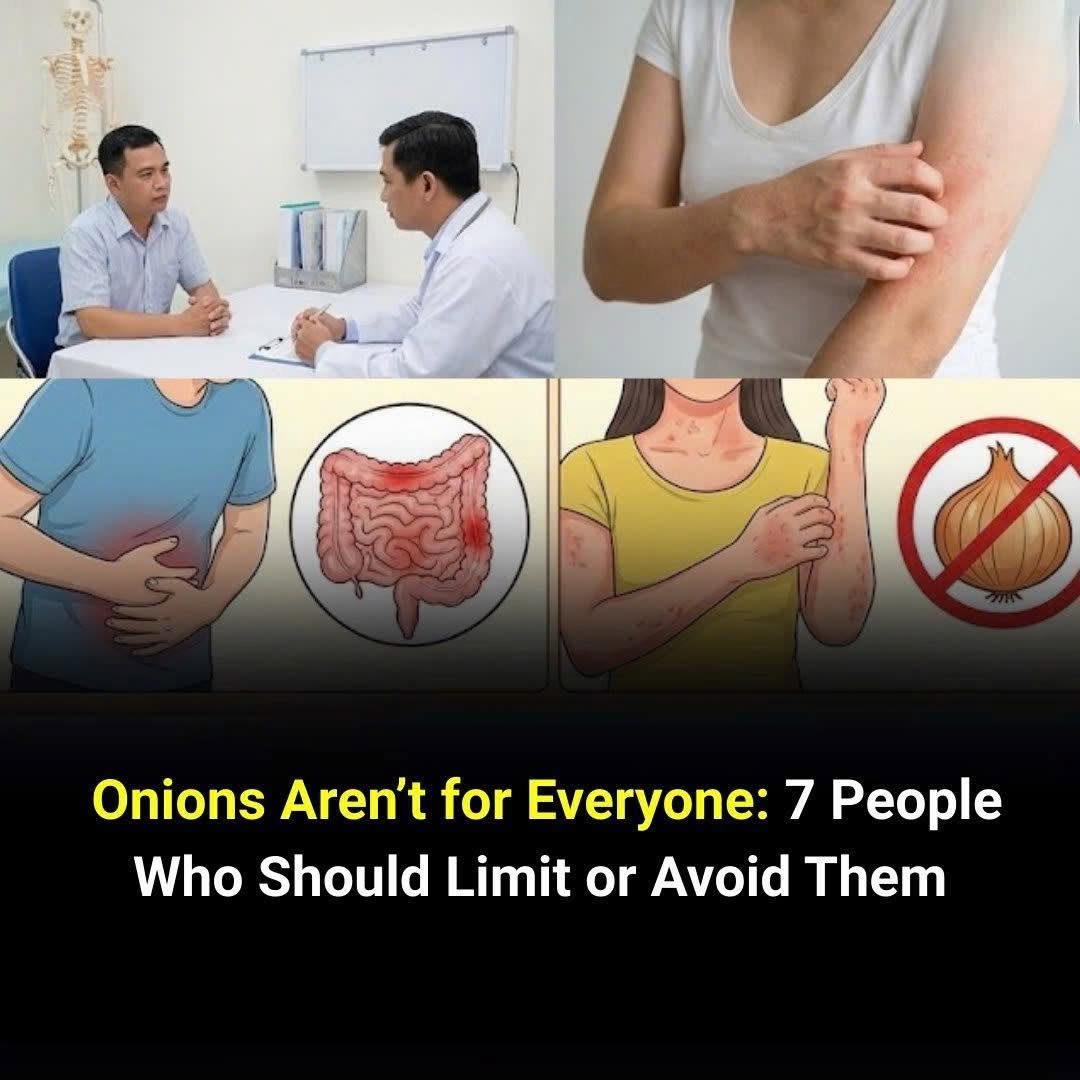
    Onions are nutritious and can be part of a healthy diet, but some people may experience unpleasant symptoms after eating them. One of the main groups that needs to be careful is people with irritable bowel syndrome (IBS). Onions are high in FODMAPs, particularly fructans—carbohydrates that can be poorly absorbed and fermented in the gut. In sensitive people, this may contribute to bloating, abdominal pain, gas, diarrhea, or constipation. Importantly, most people can eat high-FODMAP foods without problems, so onions are not automatically “bad” for everyone. A low-FODMAP diet is generally intended as a temporary, structured process for identifying personal triggers rather than a permanent diet.

    People who frequently experience heartburn or acid reflux may also want to observe whether onions trigger their symptoms. Research has found that raw onion can aggravate reflux symptoms in people who already experience heartburn, although this does not happen to everyone. Some individuals may also have an onion allergy or intolerance, which can produce symptoms ranging from digestive discomfort to allergic reactions. If eating onions repeatedly causes swelling, hives, wheezing, vomiting, or difficulty breathing, stop eating them and seek appropriate medical care. For people following a medically supervised low-FODMAP plan, alternatives such as chives or the green tops of spring onions may provide onion-like flavor with a different FODMAP profile.

    The key point is that you do not need to avoid onions simply because someone online says they are harmful. If onions consistently cause symptoms, keeping a food-and-symptom record can help identify patterns, while a doctor or registered dietitian can help determine whether IBS, reflux, food intolerance, or another condition may be involved. Avoiding many foods unnecessarily can make it harder to maintain a balanced diet, which is why restrictive diets should ideally be guided by a healthcare professional. Disclaimer: This article is for general educational and nutritional information only and does not constitute medical diagnosis, treatment, or personalized dietary advice. Onions are generally safe and nutritious for most people, but individual tolerance varies. Always verify important health information through reliable medical sources and consult a qualified healthcare professional about persistent, severe, or unexplained symptoms.

  • Very Few People Know About This Information — But It Could Matter for Your Health

    Very Few People Know About This Information — But It Could Matter for Your Health

    One of the most overlooked facts about health is that some important conditions can develop quietly before obvious symptoms appear. High blood pressure is a classic example: it often produces no noticeable warning signs, yet it is an important risk factor for heart disease and stroke. Kidney disease can also remain unnoticed for years; CDC surveillance data indicate that many adults with early-stage chronic kidney disease do not know they have it. This is why feeling healthy does not always mean every aspect of your health is normal. Routine medical care, appropriate screening, and knowing your personal risk factors can help identify problems earlier, when management may be easier.

    Another valuable lesson is to pay attention when something changes from your normal baseline. A new lump, unexplained weight loss, persistent digestive problems, unusual bleeding, continuing fatigue, changes in vision, or unexplained pain does not automatically mean something serious is happening. However, persistent or unusual symptoms deserve appropriate attention rather than being repeatedly ignored. The CDC similarly encourages people to recognize unusual or concerning changes and discuss them with a healthcare professional. Preventive healthcare can also include age- and risk-appropriate screenings, vaccinations, and checks such as blood pressure and cholesterol measurements. Preventive services are designed to detect or reduce health problems before they become more serious.

    The most important takeaway is simple: don’t wait until you feel seriously ill to take your health seriously. Keep track of persistent changes, maintain a balanced diet, stay physically active, avoid tobacco, get adequate sleep, and attend recommended medical checkups. If a symptom is sudden, severe, rapidly worsening, or accompanied by difficulty breathing, fainting, severe chest pain, confusion, or other emergency warning signs, seek urgent medical care rather than relying on online information. Your body does not always give dramatic warnings, and early professional evaluation can sometimes make a meaningful difference. Disclaimer: This article is for general educational and health information only and does not constitute medical diagnosis, treatment, or personalized advice. The information presented here should not be interpreted as proof that a particular symptom indicates a specific disease. Always verify important health information through reliable medical sources and consult a qualified healthcare professional about persistent or concerning changes.

  • The Body Rarely Goes Silent Before the End — 6 Warning Signs That Deserve Attention

    The Body Rarely Goes Silent Before the End — 6 Warning Signs That Deserve Attention

    There is no reliable set of symptoms that can predict death a year in advance, and alarming claims that the body always provides six specific warnings before the end are misleading. However, people with serious or advanced illnesses can develop changes in health that deserve medical attention. Six possible warning signs of significant illness include unexplained weight loss, persistent fatigue or weakness, declining appetite, increasing difficulty performing everyday activities, repeated infections or hospitalizations, and new or worsening breathing problems. These symptoms can occur in many treatable conditions and do not mean that a person is approaching the end of life. (nia.nih.gov) Their significance depends on the person’s age, medical history, underlying disease, and how rapidly the changes develop.

    As serious illness progresses, some people experience reduced appetite, increased sleep, weakness, confusion, or changes in breathing. These changes are particularly recognized during the final days or weeks of life rather than reliably appearing a year beforehand. (mariecurie.org.uk) For example, a person who is approaching the final stage of life may spend much more time sleeping, eat and drink less, become less responsive, or develop irregular breathing. (nia.nih.gov) But similar symptoms can also occur with dehydration, medication effects, infections, depression, nutritional deficiencies, heart or lung disease, and other potentially treatable problems. That is why a sudden or progressive decline should prompt medical assessment rather than a conclusion that someone is “near the end.”

    The most useful response to persistent changes is early medical evaluation, not fear. Unexplained weight loss, continuing weakness, repeated falls, worsening shortness of breath, confusion, persistent pain, or a major change in appetite or daily functioning should be discussed with a healthcare professional. If someone suddenly becomes unconscious, has severe difficulty breathing, experiences chest pain, or develops other life-threatening symptoms, emergency medical care is appropriate. For people already living with a serious illness, palliative-care professionals can also help manage symptoms and improve comfort at any stage of the illness—not only during the final days. (nia.nih.gov) Disclaimer: This article is for general educational information only and does not constitute medical diagnosis, prognosis, or personalized advice. There is no scientifically reliable checklist that can predict death one year in advance. Always verify health claims through reliable medical sources and consult a qualified healthcare professional about significant or unexplained changes in health.

  • 4 Warning Signs Every Parent Should Understand to Help Protect Their Children

    4 Warning Signs Every Parent Should Understand to Help Protect Their Children

    Parents do not need to diagnose every illness, but recognizing serious warning signs early can sometimes make a critical difference. Four signs deserve particular attention: 1) difficulty breathing, 2) unusual unresponsiveness or extreme sleepiness, 3) seizures, and 4) signs of severe dehydration. A child who is struggling to breathe, breathing very rapidly, has the skin pulling in around the ribs, or develops blue, gray, or purple lips or face needs urgent emergency assessment. (healthychildren.org) Likewise, a child who is unusually difficult to wake, becomes confused, loses consciousness, or is suddenly much less responsive should not simply be allowed to “sleep it off.” These symptoms can occur with serious infections, injuries, breathing problems, or other emergencies and require prompt medical evaluation.

    A seizure is another sign parents should know how to respond to calmly. During a seizure, keep the child in a safe area, turn them onto their side if possible, remove nearby hard or sharp objects, and time how long the episode lasts. Do not restrain the child and do not put anything in their mouth. (healthychildren.org) Emergency help is especially important for a child’s first seizure, a seizure lasting more than five minutes, repeated seizures without recovery between them, breathing difficulty, an injury during the seizure, or failure to wake afterward. (healthychildren.org) Severe dehydration is another potentially dangerous situation. Warning signs can include very little or no urine, a very dry mouth, absence of tears when crying, unusual sleepiness or weakness, and inability to drink or keep fluids down. (healthychildren.org)

    The key is to trust significant changes in your child’s normal behavior and condition. A child who suddenly looks very ill, has severe pain, develops a rapidly spreading purple or red rash, vomits blood, suffers a serious head injury, or cannot keep fluids down may require emergency care. (healthychildren.org) Parents should not wait for every warning sign to appear before seeking help. If breathing is severely impaired, the child is unconscious or unresponsive, or you believe the situation is life-threatening, contact your local emergency medical service immediately. For less severe but concerning symptoms, contacting the child’s pediatrician can help determine the appropriate level of care. Disclaimer: This article is for general educational information only and does not constitute medical diagnosis, treatment, or personalized advice. Children’s symptoms can vary significantly with age and circumstance, and these warning signs do not identify a specific disease. Always verify important health information through reliable medical sources and seek professional medical care when a child appears seriously ill or symptoms are rapidly worsening.

  • Night Leg Cramps Can Be Painful — But They May Also Reveal Important Health Clues

    Night Leg Cramps Can Be Painful — But They May Also Reveal Important Health Clues

    Waking suddenly with a painful tightening in your calf, foot, or thigh is a classic night leg cramp, also called a nocturnal leg cramp. These episodes are common, particularly as people get older, and in many cases there is no single identifiable cause. Research suggests that muscle fatigue and nerve dysfunction may play a role. Although dehydration or mineral deficiencies are often blamed online, evidence does not show that ordinary nocturnal leg cramps are usually caused by electrolyte abnormalities. Still, recurring cramps can sometimes occur alongside conditions involving blood flow, nerve damage, kidney disease, liver disease, diabetes, or other medical problems. Certain medications may also contribute, so frequent cramps are worth discussing with a healthcare professional rather than automatically assuming you need a supplement.

    The pattern of the cramp and accompanying symptoms can provide important clues. A sudden, intensely painful muscle tightening that occurs during sleep is typical of a nocturnal leg cramp. By contrast, restless legs syndrome usually causes an uncomfortable urge to move the legs rather than a sudden, painful muscle contraction. If cramps are accompanied by persistent numbness, tingling, weakness, swelling, changes in skin color, or pain that continues after the cramp ends, another condition may need to be considered. People taking certain medications—particularly some drugs that increase urination or medications affecting blood pressure—may also experience cramps, although the relationship can vary. A doctor can review your symptoms, medications, medical history, and physical examination to determine whether further testing is appropriate.

    During an episode, gently stretching the affected muscle and massaging it may help relieve the contraction. Regular calf stretching and appropriate physical activity may also help some people, although evidence for preventive treatments is limited. Avoid taking large doses of magnesium, potassium, calcium, or other supplements simply because you experience cramps; magnesium has not consistently been shown to help ordinary nocturnal leg cramps, and unnecessary supplementation can have risks. See a healthcare professional if cramps occur frequently, severely disrupt your sleep, or are accompanied by weakness, numbness, swelling, or persistent pain. Disclaimer: This article is for general educational and health information only and does not constitute medical diagnosis, treatment, or personalized advice. Most night leg cramps are not caused by a dangerous disease, but persistent or unusual symptoms should be evaluated by a qualified healthcare professional. Always verify important health information through reliable medical sources.

  • What Happens to Your Body When You Sleep on Your Left Side?

    What Happens to Your Body When You Sleep on Your Left Side?

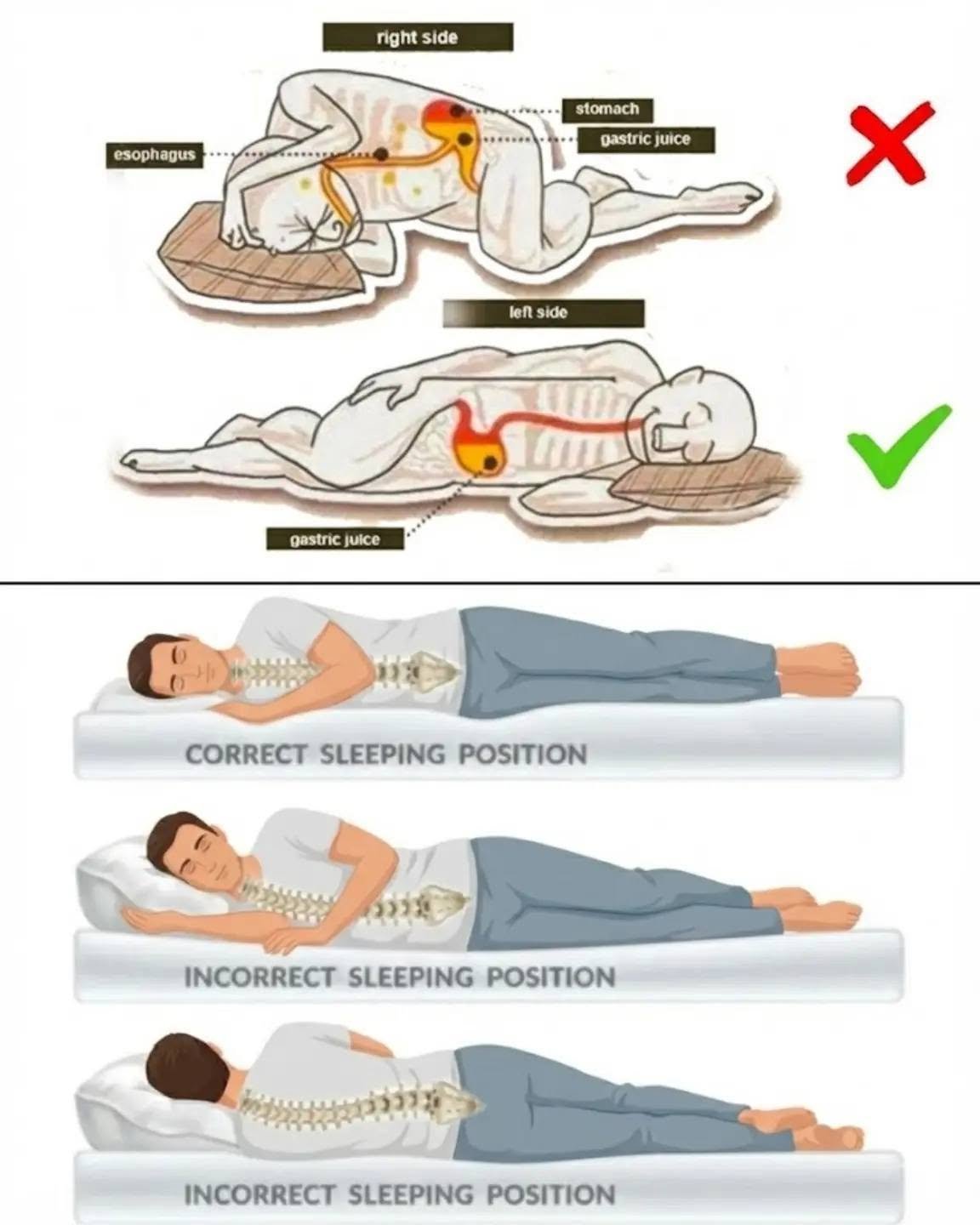
    Sleeping on your left side is generally safe and comfortable for many people, and it may offer some specific advantages depending on your health and sleep habits. One of the best-known potential benefits involves acid reflux. Because of the position of the stomach and esophagus, lying on the left side may reduce nighttime reflux for some people compared with lying on the right side. (pubmed.ncbi.nlm.nih.gov) This can be particularly helpful for people who experience heartburn after meals or when lying down. Side sleeping can also help keep the upper airway more open than sleeping flat on the back in some people, potentially reducing snoring and symptoms of obstructive sleep apnea. However, sleep position alone is not a treatment for sleep apnea, and persistent loud snoring, gasping, or breathing pauses should be medically evaluated. (mayoclinic.org)

    For pregnancy, side sleeping is often recommended, particularly later in pregnancy. The American College of Obstetricians and Gynecologists notes that sleeping on either side is generally appropriate, while pillows can be used to support the abdomen, knees, or back for comfort. (acog.org) Although the left side has traditionally received special attention, current guidance does not require pregnant people to remain exclusively on the left side all night. For most adults who are not pregnant, there is no strong evidence that sleeping on the left side is universally healthier than sleeping on the right. Your comfort, medical conditions, and ability to maintain good-quality sleep are more important than forcing yourself into a particular position.

    There can also be drawbacks. Sleeping on one side for long periods may put pressure on the shoulder, hip, or jaw, potentially causing stiffness or discomfort. A supportive pillow that keeps your neck aligned with your spine and another pillow between the knees can make side sleeping more comfortable. People with certain shoulder or musculoskeletal problems may find one side more comfortable than the other. If left-side sleeping consistently causes chest discomfort, severe shortness of breath, significant pain, dizziness, or other concerning symptoms, don’t assume the sleeping position is responsible—seek medical advice. Disclaimer: This article is for general educational and health information only and does not constitute medical diagnosis, treatment, or personalized medical advice. Left-side sleeping is not a cure for reflux, sleep apnea, or other conditions, and individual recommendations may vary. Always verify health information through reliable medical sources and consult a qualified healthcare professional about persistent or concerning symptoms.

  • 3 Hand Signs That May Signal Liver Problems — Even 1 Deserves Medical Attention

    3 Hand Signs That May Signal Liver Problems — Even 1 Deserves Medical Attention

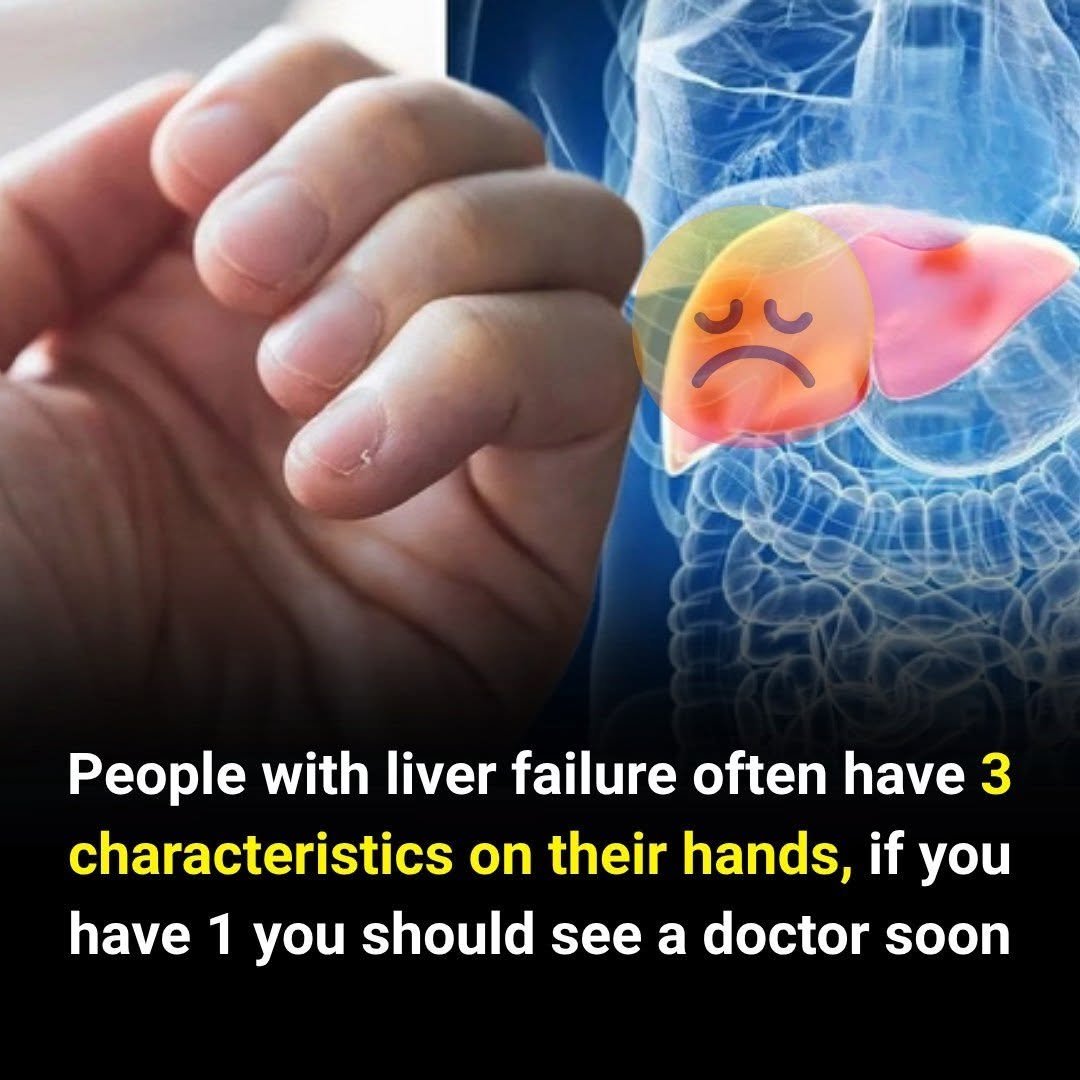
    Your hands can sometimes show physical clues associated with chronic liver disease, although no hand sign by itself can diagnose liver failure. Three changes doctors may recognize are 1) unusually red palms (palmar erythema), 2) a flapping or trembling movement of the hands known as asterixis, and 3) changes in the fingers or nails, including clubbing or unusually pale nails. Palmar erythema is a recognized finding in cirrhosis, while clubbing and pale nails can also occur with advanced liver disease. Asterixis is different: when a person holds their arms out and extends their wrists, the hands may briefly “flap” because of impaired control of movement. This can occur with hepatic encephalopathy, a serious complication associated with significant liver dysfunction.

    These signs are important, but they do not mean that liver failure is definitely present. Red palms, for example, can have causes unrelated to liver disease, while clubbing can occur with heart, lung, gastrointestinal, and other conditions. Asterixis can also have causes other than liver disease, so doctors consider the complete medical picture. More concerning liver-related symptoms include yellowing of the skin or eyes, abdominal swelling, easy bruising or bleeding, persistent itching, severe fatigue, confusion, unusual sleepiness, and vomiting blood. Doctors may use blood tests, physical examination, ultrasound or other imaging, and additional tests to determine whether the liver is functioning properly.

    The safest message is don’t diagnose yourself from your hands alone, but don’t ignore a new or unexplained change either. If you notice persistent palm redness, significant nail or finger changes, or especially a new flapping movement of the hands, arrange a medical evaluation. If these changes occur alongside jaundice, increasing abdominal swelling, vomiting blood, severe bleeding, or confusion or unusual drowsiness, seek urgent medical attention because advanced liver disease and acute liver failure can become life-threatening. Disclaimer: This article is for general educational and health information only and does not constitute medical diagnosis, treatment, or personalized advice. Hand changes have many possible causes and cannot confirm liver failure. Always verify important health information through reliable medical sources and consult a qualified healthcare professional about new or persistent symptoms.

  • 4 Foods to Eat on an Empty Stomach in the Morning That May Support Digestion and Long-Term Health

    4 Foods to Eat on an Empty Stomach in the Morning That May Support Digestion and Long-Term Health

    There is no scientifically established list of foods that everyone must eat on an empty stomach, but choosing nutrient-dense foods in the morning can help you build a healthier overall diet. Four practical options are oatmeal, berries or other whole fruit, plain yogurt, and nuts or seeds. Oatmeal provides soluble fiber, including beta-glucan, which can support digestive health and help with fullness. (heart.org) Whole fruits provide fiber, vitamins, minerals, and naturally occurring plant compounds, while berries are particularly rich in polyphenols. Plain yogurt can provide protein and, depending on the product, live cultures that may support the gut microbiome. Nuts and seeds add healthy unsaturated fats, protein, fiber, magnesium, and other nutrients. (hsph.harvard.edu)

    Oatmeal can be especially useful if you’re trying to increase your fiber intake. Soluble fiber can help slow digestion, while adequate total fiber supports regular bowel movements and provides fuel for beneficial gut bacteria. (niddk.nih.gov) You could combine oats with berries, chia seeds, or a small portion of nuts for a more balanced meal. Whole fruit is another convenient choice; eating an orange, apple, pear, kiwi, or berries provides fiber that is often reduced when fruit is turned into juice. Plain yogurt can add protein and may contain probiotics, although not every fermented food or yogurt provides the same microorganisms or health effects. If dairy causes bloating or diarrhea, lactose-free yogurt or another suitable alternative may be more comfortable.

    The bigger lesson is that your entire dietary pattern matters more than whether a food is eaten before breakfast or after waking. A balanced morning meal that combines fiber-rich carbohydrates, protein, and healthy fats is generally more meaningful for long-term health than a supposed “detox” food eaten on an empty stomach. If you are increasing fiber, do so gradually and drink enough fluids because a sudden increase can cause gas and bloating. (niddk.nih.gov) People with food allergies, digestive disorders, diabetes, kidney disease, or other medical conditions may need individualized dietary choices. Disclaimer: This article is for general educational and nutritional information only and does not constitute medical diagnosis, treatment, or personalized dietary advice. There is no universal food that must be eaten on an empty stomach, and individual tolerance varies. Always verify nutrition claims through reliable sources and consult a qualified healthcare professional for specific dietary concerns.

  • These Beverages May Help You Relax and Support Better Sleep

    These Beverages May Help You Relax and Support Better Sleep

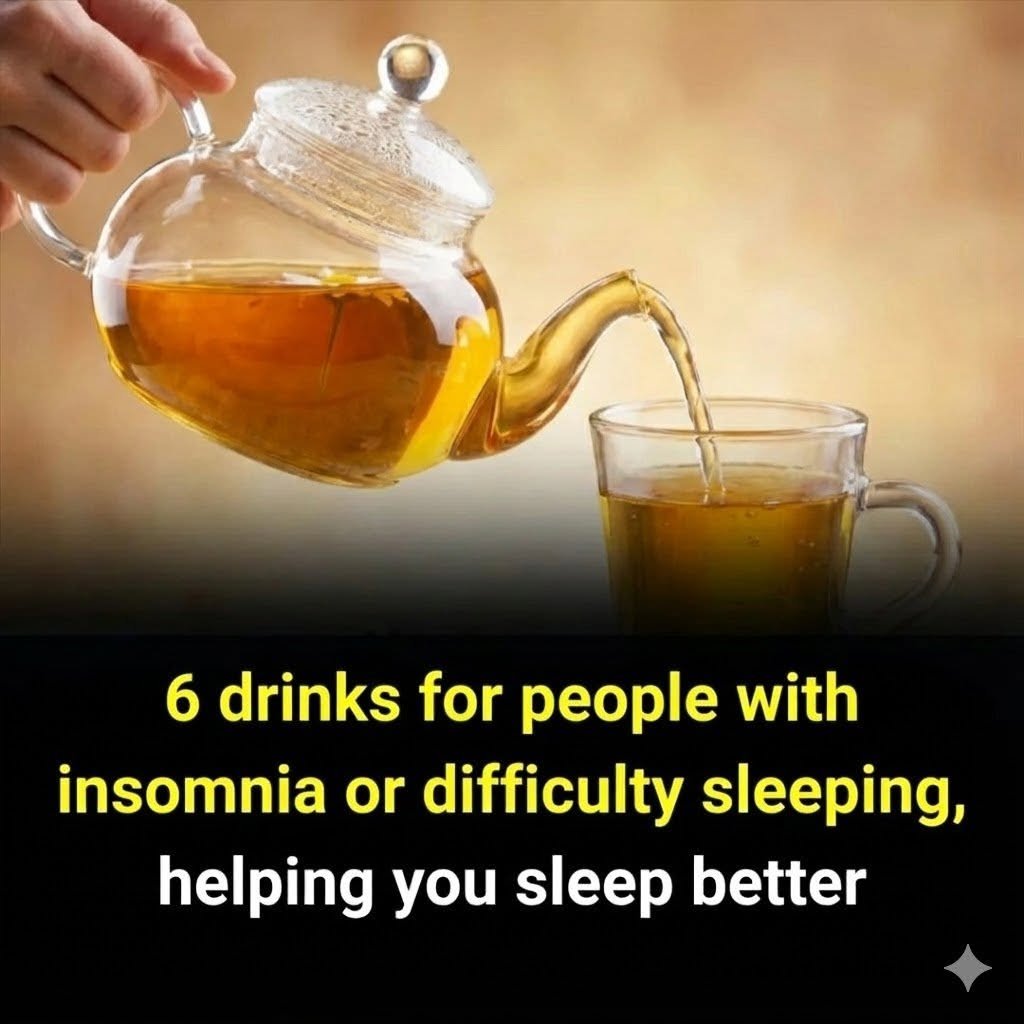
    If you’re struggling to fall asleep, what you drink in the evening may be worth considering—but no beverage should be described as a guaranteed treatment for insomnia. Some options may promote relaxation or support healthy sleep patterns. Chamomile tea is one of the better-known choices and contains plant compounds that may have calming effects. A 2024 systematic review of clinical trials found that chamomile was associated with improvements in overall sleep quality, although it did not consistently increase sleep duration or daytime functioning. (pubmed.ncbi.nlm.nih.gov) Warm milk is another traditional option; it provides nutrients including tryptophan, an amino acid involved in the body’s production of serotonin and melatonin. Johns Hopkins Medicine lists warm milk, chamomile tea, and tart cherry juice among beverages people with sleep difficulties may try. (hopkinsmedicine.org)

    Another interesting option is tart cherry juice, particularly unsweetened varieties. Tart cherries naturally contain melatonin and other compounds that have been investigated for their relationship with sleep. Small clinical trials have reported improvements in some sleep measures, including sleep time and efficiency, while systematic reviews suggest the evidence is promising but still limited by small studies and differences in study design. (pubmed.ncbi.nlm.nih.gov) If you want to try it, a modest serving in the evening is reasonable for most healthy adults, but remember that juice contains natural sugars and can add calories. Caffeine-free herbal teas can also become part of a relaxing bedtime routine, especially when the ritual itself helps signal that it is time to wind down. Avoid assuming that stronger or larger quantities will produce better results.

    Perhaps just as important as what you drink is what you avoid before bed. Coffee, energy drinks, caffeinated tea, and other caffeine-containing beverages can interfere with sleep, while alcohol may make you feel sleepy initially but can disrupt sleep later in the night. (hopkinsmedicine.org) Drinking excessive amounts of any fluid immediately before bed can also increase nighttime bathroom trips. If insomnia occurs frequently, lasts for weeks, or leaves you exhausted during the day, don’t rely on drinks alone—persistent insomnia may require professional evaluation and evidence-based treatment. Disclaimer: This article is for general educational and nutritional information only and does not constitute medical diagnosis, treatment, or personalized advice. Chamomile, warm milk, and tart cherry juice may support relaxation or sleep quality in some people, but they are not guaranteed treatments for insomnia. Always verify health information through reliable medical sources and consult a qualified healthcare professional about persistent sleep problems.

  • Most People Ignore Floaters—But Doctors Say You Should Pay Attention If They Appear Suddenly

    Most People Ignore Floaters—But Doctors Say You Should Pay Attention If They Appear Suddenly

    Eye floaters are small spots, threads, squiggly lines, or cobweb-like shapes that seem to drift across your vision. They are extremely common and often develop as part of normal changes in the gel-like vitreous inside the eye as we age. However, a sudden increase in floaters is different from having a few long-standing floaters. A sudden shower of new dark spots can sometimes occur when the vitreous pulls away from the retina, a process called posterior vitreous detachment. In some cases, that pulling can create a retinal tear, which may progress to retinal detachment if it is not treated. This is why doctors recommend taking new, sudden visual changes seriously rather than assuming they are harmless aging.

    Pay particular attention if new floaters appear together with flashes of light, a sudden increase in the number of floaters, blurred vision, or a dark shadow or “curtain” moving across your vision. These can be warning signs of a retinal tear or retinal detachment. Retinal detachment is a medical emergency because continued separation of the retina can cause permanent vision loss. The National Eye Institute recommends going to an eye doctor or emergency room right away when these warning symptoms occur. A dilated eye examination allows an eye-care professional to inspect the retina and determine whether a tear or detachment is present. People who are very nearsighted, have had cataract surgery, experienced significant eye trauma, or previously had a retinal detachment may have increased risk.

    The key message is not to panic about every floater, but never ignore a sudden change in your vision. A few stable floaters that have been present for years are usually much less concerning, while a sudden cluster of new floaters—especially with flashes or a curtain-like shadow—requires prompt professional assessment. Do not wait for pain to appear, because retinal tears and detachments can occur without significant eye pain. Early diagnosis can allow treatment before a retinal tear develops into a more extensive detachment and may help protect your vision. Disclaimer: This article is for general educational and health information only and does not constitute medical diagnosis, treatment, or personalized advice. Most floaters are harmless, but sudden new floaters or flashes can indicate a serious eye problem. If these symptoms are happening now, seek urgent evaluation from an eye-care professional or emergency department rather than relying on online information.