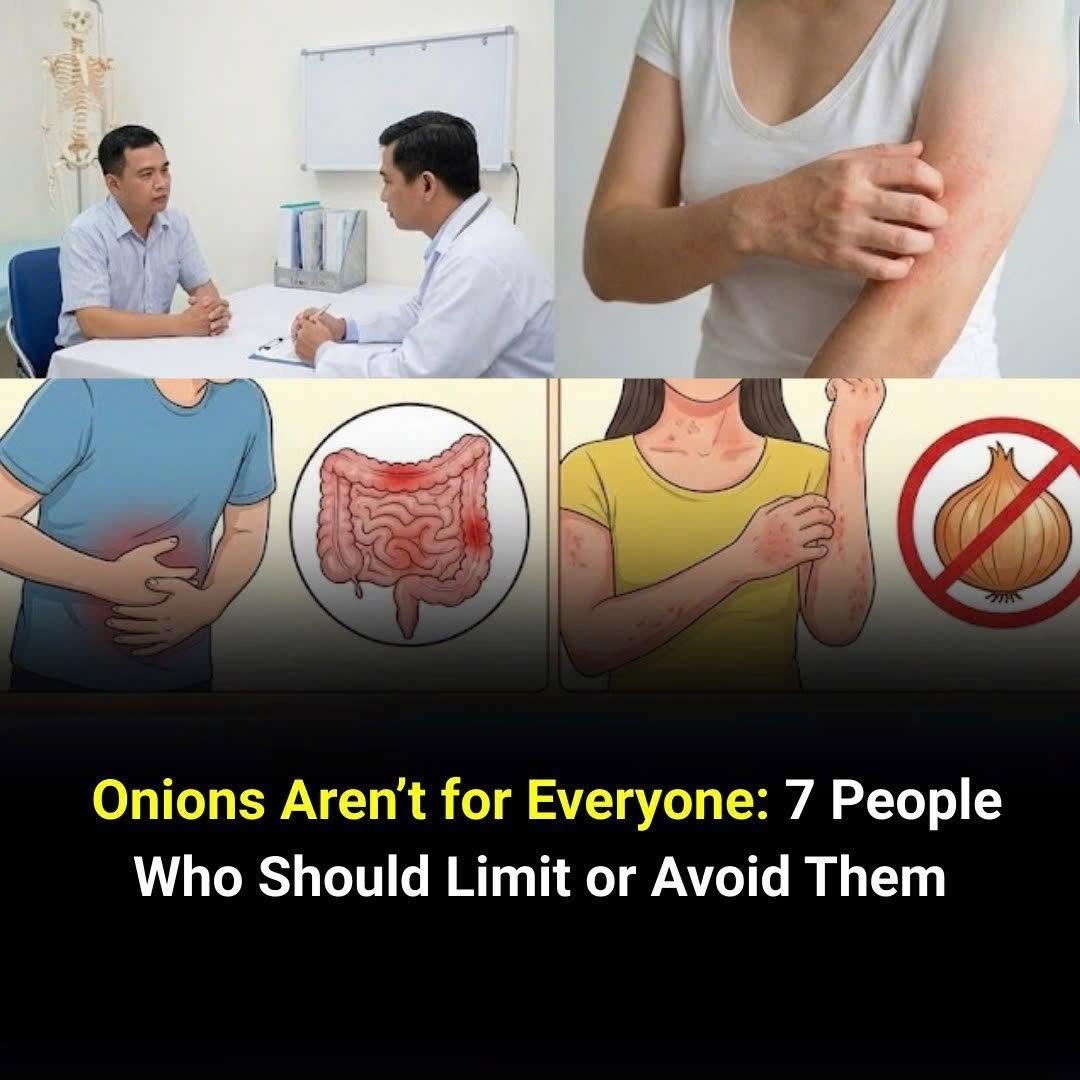
Onions are nutritious and can be part of a healthy diet, but some people may experience unpleasant symptoms after eating them. One of the main groups that needs to be careful is people with irritable bowel syndrome (IBS). Onions are high in FODMAPs, particularly fructans—carbohydrates that can be poorly absorbed and fermented in the gut. In sensitive people, this may contribute to bloating, abdominal pain, gas, diarrhea, or constipation. Importantly, most people can eat high-FODMAP foods without problems, so onions are not automatically “bad” for everyone. A low-FODMAP diet is generally intended as a temporary, structured process for identifying personal triggers rather than a permanent diet.
People who frequently experience heartburn or acid reflux may also want to observe whether onions trigger their symptoms. Research has found that raw onion can aggravate reflux symptoms in people who already experience heartburn, although this does not happen to everyone. Some individuals may also have an onion allergy or intolerance, which can produce symptoms ranging from digestive discomfort to allergic reactions. If eating onions repeatedly causes swelling, hives, wheezing, vomiting, or difficulty breathing, stop eating them and seek appropriate medical care. For people following a medically supervised low-FODMAP plan, alternatives such as chives or the green tops of spring onions may provide onion-like flavor with a different FODMAP profile.
The key point is that you do not need to avoid onions simply because someone online says they are harmful. If onions consistently cause symptoms, keeping a food-and-symptom record can help identify patterns, while a doctor or registered dietitian can help determine whether IBS, reflux, food intolerance, or another condition may be involved. Avoiding many foods unnecessarily can make it harder to maintain a balanced diet, which is why restrictive diets should ideally be guided by a healthcare professional. Disclaimer: This article is for general educational and nutritional information only and does not constitute medical diagnosis, treatment, or personalized dietary advice. Onions are generally safe and nutritious for most people, but individual tolerance varies. Always verify important health information through reliable medical sources and consult a qualified healthcare professional about persistent, severe, or unexplained symptoms.
Leave a Reply