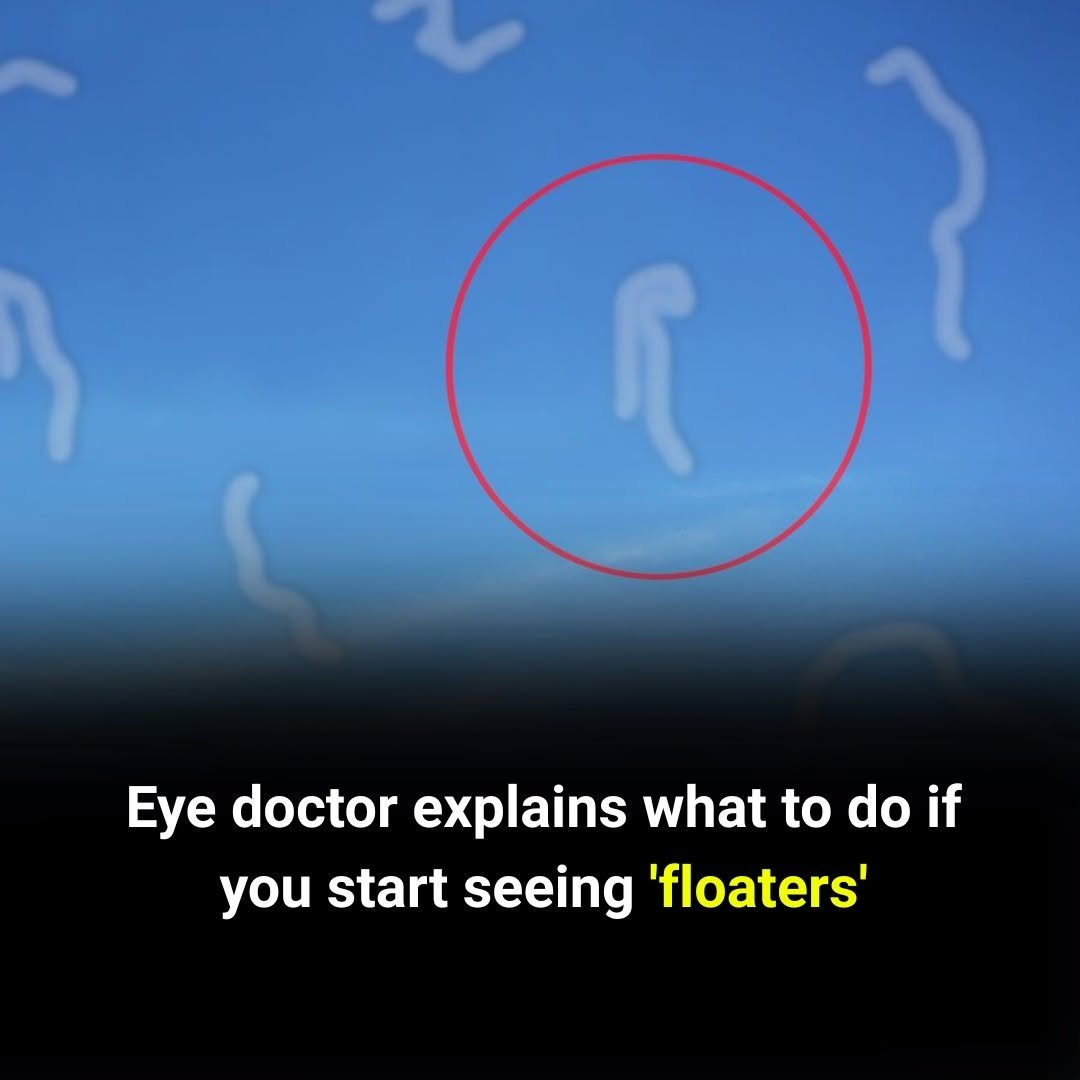
Eye floaters are small spots, threads, squiggly lines, or cobweb-like shapes that seem to drift across your vision. They are extremely common and often develop as part of normal changes in the gel-like vitreous inside the eye as we age. However, a sudden increase in floaters is different from having a few long-standing floaters. A sudden shower of new dark spots can sometimes occur when the vitreous pulls away from the retina, a process called posterior vitreous detachment. In some cases, that pulling can create a retinal tear, which may progress to retinal detachment if it is not treated. This is why doctors recommend taking new, sudden visual changes seriously rather than assuming they are harmless aging.
Pay particular attention if new floaters appear together with flashes of light, a sudden increase in the number of floaters, blurred vision, or a dark shadow or “curtain” moving across your vision. These can be warning signs of a retinal tear or retinal detachment. Retinal detachment is a medical emergency because continued separation of the retina can cause permanent vision loss. The National Eye Institute recommends going to an eye doctor or emergency room right away when these warning symptoms occur. A dilated eye examination allows an eye-care professional to inspect the retina and determine whether a tear or detachment is present. People who are very nearsighted, have had cataract surgery, experienced significant eye trauma, or previously had a retinal detachment may have increased risk.
The key message is not to panic about every floater, but never ignore a sudden change in your vision. A few stable floaters that have been present for years are usually much less concerning, while a sudden cluster of new floaters—especially with flashes or a curtain-like shadow—requires prompt professional assessment. Do not wait for pain to appear, because retinal tears and detachments can occur without significant eye pain. Early diagnosis can allow treatment before a retinal tear develops into a more extensive detachment and may help protect your vision. Disclaimer: This article is for general educational and health information only and does not constitute medical diagnosis, treatment, or personalized advice. Most floaters are harmless, but sudden new floaters or flashes can indicate a serious eye problem. If these symptoms are happening now, seek urgent evaluation from an eye-care professional or emergency department rather than relying on online information.
Leave a Reply