Blog

  • The question of whether cremation is a sin according to the Bible has been discussed by Christians for generations. While some believe that burial is the more appropriate Christian tradition, the Bible does not contain a direct command stating that cremation is universally forbidden. Burial was common among biblical figures, and Scripture records the burial of several important individuals, including Abraham, Sarah, Isaac, Jacob, Joseph, and Jesus. Because burial was the established custom in ancient Israel, some Christians interpret it as a meaningful expression of respect for the deceased and hope in the resurrection. However, the absence of an explicit biblical prohibition is important when considering the subject carefully. Many Christian teachings emphasize that God is able to resurrect the dead regardless of what happens to the physical body after death. Therefore, cremation itself should not automatically be described as a sinful act without considering the broader biblical context, Christian tradition, and individual beliefs.

    The question of whether cremation is a sin according to the Bible has been discussed by Christians for generations. While some believe that burial is the more appropriate Christian tradition, the Bible does not contain a direct command stating that cremation is universally forbidden. Burial was common among biblical figures, and Scripture records the burial of several important individuals, including Abraham, Sarah, Isaac, Jacob, Joseph, and Jesus. Because burial was the established custom in ancient Israel, some Christians interpret it as a meaningful expression of respect for the deceased and hope in the resurrection. However, the absence of an explicit biblical prohibition is important when considering the subject carefully. Many Christian teachings emphasize that God is able to resurrect the dead regardless of what happens to the physical body after death. Therefore, cremation itself should not automatically be described as a sinful act without considering the broader biblical context, Christian tradition, and individual beliefs.

    Some passages in the Bible describe unusual circumstances involving the burning of human remains, but these accounts should not automatically be interpreted as a general prohibition against modern cremation. For example, the Old Testament contains accounts involving the burning of bodies, but those events occurred within particular historical and cultural circumstances. The Bible’s central teachings about death focus more heavily on honoring God, respecting human life, treating the deceased with dignity, and maintaining hope in resurrection. Christian denominations may therefore have different perspectives on cremation. Some churches have traditionally preferred burial because of its connection with biblical customs and symbolism, while others permit cremation and consider it a matter of personal conscience. From a practical perspective, families may also consider funeral costs, cultural traditions, environmental concerns, cemetery availability, and personal wishes when making arrangements. The most responsible approach is to avoid presenting one interpretation as an unquestionable biblical fact when Scripture itself does not explicitly state that cremation is sinful.

    Ultimately, Christians who are considering cremation may wish to study relevant biblical passages and discuss the matter with a trusted pastor, priest, or qualified religious scholar who understands their denomination’s teachings. The Christian hope of resurrection is not dependent on whether a person’s remains are buried or cremated; rather, it rests on faith in God’s power and promises. Consequently, the headline “The Sin of Cremation According to the Bible” can be misleading if it suggests that the Bible clearly declares every act of cremation to be sinful. A more accurate conclusion is that burial has strong biblical and historical significance, while Scripture does not provide a straightforward universal command that explicitly bans cremation. Personal faith, denominational teaching, family wishes, and respect for the deceased can all be considered when making this deeply personal decision. Disclaimer: This article provides general informational content and should not be considered definitive religious, theological, or legal advice. Biblical interpretations can differ among denominations and scholars. Readers should verify these claims by consulting the Bible and reliable, qualified religious sources before reaching conclusions.


  • At 59, She’s Living Her Best Life With Her Husband and Their Big Family of 14

    At 59, She’s Living Her Best Life With Her Husband and Their Big Family of 14

    At 59, building a fulfilling life surrounded by a loving spouse and a large family can be a beautiful reminder that happiness does not have an expiration date. A family of 14 can mean a home filled with different personalities, generations, responsibilities, celebrations, and countless everyday memories. While social media often focuses on youth and appearance, stories about people enjoying life later in adulthood can offer a refreshing perspective: your 50s and beyond can be a meaningful new chapter rather than a period of slowing down. Maintaining close relationships, spending quality time with loved ones, and continuing to pursue personal interests can all contribute to a greater sense of purpose and emotional well-being. Every family has its own story, and what matters most is not how impressive the numbers look from the outside, but the quality of the relationships within the home.

    Life at 59 can also bring opportunities that may not have been possible during earlier decades. Children may be older, responsibilities may change, and people often have more freedom to focus on hobbies, travel, community, personal goals, or simply enjoying time with their partner. A large family can provide a strong social network, but it can also require patience, communication, and plenty of cooperation. Healthy family relationships are built through ordinary moments—sharing meals, listening to one another, celebrating milestones, helping during difficult periods, and creating traditions that everyone remembers. Rather than presenting one person’s lifestyle as a universal formula for happiness, it is more useful to see such stories as inspiration for appreciating connection, companionship, and the people who make life meaningful. Whether someone has a large family or lives a quieter life with a partner, there are many ways to create a fulfilling and joyful future.

    Most importantly, getting older does not mean giving up on enjoying life. A person’s 50s and 60s can be filled with new experiences, stronger relationships, personal growth, and memorable moments with family. Staying socially connected, remaining physically active according to one’s abilities, eating a balanced diet, getting appropriate healthcare, and making time for activities that bring genuine happiness can support overall well-being. The viral caption about this 59-year-old may encourage curiosity about her identity, but the available information does not provide enough reliable evidence to confirm her name or the complete details of her family story, so those details should not be presented as fact. Disclaimer: This article is for general informational and inspirational purposes only. The personal details referenced in the original social-media caption could not be independently verified from reliable sources, so readers should verify the identity and claims before sharing them as factual information.

  • Ever Noticed a Rainbow Sheen on Your Deli Ham? Here’s What That Colorful Glow Could Mean

    Ever Noticed a Rainbow Sheen on Your Deli Ham? Here’s What That Colorful Glow Could Mean

    If you have ever opened a package of deli ham and noticed a greenish, purple, or rainbow-like shimmer, don’t immediately assume the meat has spoiled. This unusual appearance is called iridescence, and the USDA explains that it can occur when light interacts with compounds and structures in the meat. In sliced meat, the microscopic arrangement of muscle fibers can reflect light at different angles, creating a colorful effect similar to a rainbow. The FDA specifically notes that the glistening, greenish, rainbowlike appearance on a cut surface of ham can result from oxidation-related changes in pigments and is not necessarily a sign of spoilage.

    The important distinction is between iridescence and actual spoilage. A rainbow sheen by itself does not mean you need to throw the ham away. Instead, pay attention to other warning signs, such as an unpleasant or unusual odor, a sticky or tacky surface, or a slimy texture. USDA guidance explains that color changes alone do not establish that meat or poultry is spoiled; spoilage is more concerning when color changes occur alongside these other characteristics. Proper storage is also essential. For example, USDA guidance lists opened lunch meat ham as generally suitable for 3–5 days in the refrigerator, while unopened, plant-sealed lunch meat can generally be refrigerated for up to two weeks or until its use-by date, depending on the product.

    So, the next time your deli ham appears to have a strange rainbow glow, don’t panic based on appearance alone. If it has been kept properly refrigerated and has no suspicious odor, sliminess, or other signs of spoilage, the colorful sheen may simply be an optical and chemical effect associated with the meat’s structure and processing. Still, when in doubt about a meat product’s storage history or condition, it is safer to discard it rather than take a chance with foodborne illness. Disclaimer: This article is for general educational and food-safety information only and does not constitute medical or food-safety advice for a specific product. A rainbow sheen alone does not necessarily indicate spoiled ham, but always follow the package’s storage instructions and verify questionable food through reliable food-safety guidance.

  • Most People Overlook Chicken Gizzards, But Here’s Why You Might Want to Reconsider

    Most People Overlook Chicken Gizzards, But Here’s Why You Might Want to Reconsider

    Chicken gizzards are often overlooked, but they can be a nutrient-dense and affordable source of animal protein. A cooked serving provides substantial protein along with several B vitamins and minerals. Chicken gizzards also contain vitamin B12, a nutrient needed for healthy red blood cells, normal nerve function, and DNA production. (ods.od.nih.gov) Iron is another important nutrient found in poultry and other animal foods; the body uses iron to make hemoglobin and myoglobin, which help transport and use oxygen. (medlineplus.gov) For people looking for budget-friendly protein, properly prepared gizzards can therefore be a useful addition to a varied diet rather than something that automatically belongs in the “unhealthy” category.

    Another reason gizzards deserve attention is their protein and micronutrient combination. Protein supports the maintenance and repair of body tissues, while B vitamins participate in energy metabolism and other essential processes. USDA nutrient data also list meaningful amounts of vitamin B12 in cooked chicken gizzards. (ods.od.nih.gov) However, eating gizzards does not provide a special cure for anemia, fatigue, weakness, or other health conditions. Nutritional benefits depend on the complete meal and overall diet. Someone with a diagnosed vitamin or mineral deficiency should follow appropriate medical advice rather than attempting to correct the problem solely by eating organ meats.

    Preparation matters too. Gizzards should be thoroughly cooked and handled safely, because raw poultry and poultry organs can carry harmful bacteria. Deep-frying them or preparing them with large amounts of salt and saturated fat can also turn an otherwise nutritious food into a much heavier meal. A better approach is to simmer, stew, grill, or otherwise cook them thoroughly while pairing them with vegetables, legumes, or whole grains. People who have been advised to limit certain nutrients or who have specific medical conditions should consider their individual dietary requirements. Disclaimer: This article is for general educational and nutritional information only and does not constitute medical diagnosis, treatment, or personalized dietary advice. Chicken gizzards can provide valuable protein and nutrients, but they are not a miracle food and should be eaten as part of a balanced diet. Always verify nutrition information through reliable sources and consult a qualified healthcare professional about individual dietary needs.

  • If Your Ear Suddenly Starts Ringing, It Could Be Your Body’s Way of Sending a Signal

    If Your Ear Suddenly Starts Ringing, It Could Be Your Body’s Way of Sending a Signal

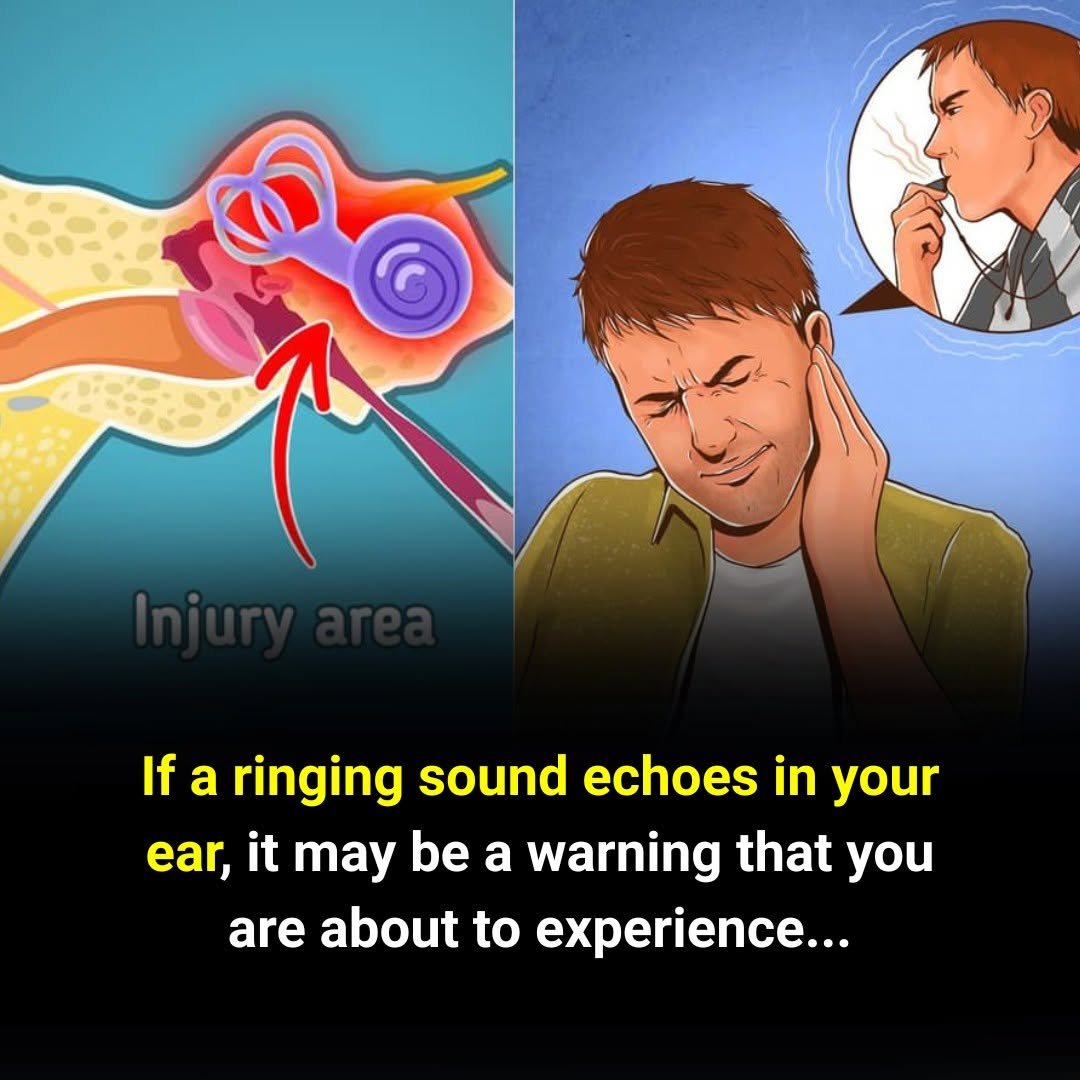
    A sudden ringing, buzzing, humming, or hissing sound in the ear is commonly known as tinnitus. It can happen briefly after exposure to loud music or other intense sounds, but tinnitus can also be associated with hearing loss, earwax buildup, ear infections, certain medications, jaw problems, head or neck injuries, and some inner-ear conditions. (nidcd.nih.gov) In many cases, tinnitus is temporary or not linked to a dangerous condition. However, the timing and accompanying symptoms matter. If ringing repeatedly occurs, becomes persistent, affects sleep or concentration, or appears without an obvious explanation, it is worth discussing with a healthcare professional so the underlying cause can be considered.

    One situation that deserves particularly prompt attention is sudden ringing accompanied by a sudden decrease in hearing. Sudden sensorineural hearing loss can occur rapidly, sometimes affecting only one ear, and may also cause ear fullness, dizziness, or tinnitus. The National Institute on Deafness and Other Communication Disorders considers sudden deafness a medical emergency because delaying assessment and treatment can reduce the chance of recovery. (nidcd.nih.gov) Tinnitus that beats in time with your heartbeat is another pattern that should be medically evaluated because it can sometimes be related to blood-flow changes near the ear. (nhs.uk) Ringing accompanied by severe dizziness, facial weakness, numbness, or other neurological symptoms also requires urgent assessment. (mayoclinic.org)

    For occasional ringing, protecting your hearing and identifying possible triggers can help. Avoid prolonged exposure to loud music, machinery, or high-volume headphones, and use appropriate hearing protection when necessary. Loud noise can damage sensitive structures of the inner ear and is an important cause of tinnitus and hearing loss. (nidcd.nih.gov) Do not assume that sudden ringing means you have a serious disease, but don’t dismiss persistent or unusual symptoms either. Disclaimer: This article is for general educational and health information only and does not constitute medical diagnosis, treatment, or personalized advice. Tinnitus has many possible causes, and ringing alone cannot identify a specific disease. Always verify important health information through reliable medical sources and consult a qualified healthcare professional about sudden, persistent, one-sided, pulsating, or symptom-associated ear ringing.

  • The Surprising Potential Benefits of Oregano Leaves That Most People Overlook

    The Surprising Potential Benefits of Oregano Leaves That Most People Overlook

    Oregano is often treated as nothing more than a seasoning, but these small aromatic leaves contain a surprisingly diverse collection of plant compounds, including flavonoids, phenolic acids, carvacrol, and thymol. These compounds have demonstrated antioxidant and other biological activities in laboratory research. Antioxidants are important because they help protect cells from oxidative damage, although laboratory antioxidant activity does not automatically mean that eating oregano prevents a particular disease. Oregano also adds powerful flavor to meals without requiring much salt, making it a useful ingredient for people trying to create flavorful, balanced dishes. Researchers have investigated oregano’s potential effects on inflammation, digestion, metabolism, and other areas, but much of the evidence remains preliminary.

    One of the most interesting features of oregano is its concentration of bioactive compounds such as carvacrol and thymol. Studies have found antimicrobial and antioxidant effects from oregano extracts and essential oils, while research reviews have identified potential anti-inflammatory and metabolic properties. However, it is important to distinguish between promising laboratory findings and proven benefits in humans. A small human trial involving oregano extract found increased excretion of phenolic compounds but did not demonstrate significant changes in blood lipids or oxidative-stress biomarkers. So while oregano may be a valuable addition to a healthy diet, it should not be presented as a natural cure for infections, diabetes, cancer, digestive disorders, or other medical conditions.

    For everyday use, adding oregano as a culinary herb is the simplest and safest approach for most people. Sprinkle fresh or dried leaves over vegetables, soups, beans, eggs, or other meals to increase flavor while keeping portions modest. Oregano supplements and concentrated oregano oil are different from ordinary culinary use and can have stronger effects or side effects, including digestive upset and allergic reactions; supplements may also interact with medications. People who are pregnant, preparing for surgery, taking medications that affect blood clotting or blood sugar, or considering high-dose oregano products should speak with a healthcare professional first. Disclaimer: This article is for general educational and nutritional information only and does not constitute medical diagnosis, treatment, or personalized advice. Oregano contains promising bioactive compounds, but many proposed health benefits still require stronger human research. Always verify important health claims through reliable scientific sources and consult a qualified healthcare professional before using concentrated herbal supplements.

  • If Your Hip Hurts, It’s Not Always “Just Aging” — Here’s What It Could Mean

    If Your Hip Hurts, It’s Not Always “Just Aging” — Here’s What It Could Mean

    Hip pain is common, but it is not a clear sign of one specific disease. Several different problems can cause discomfort around the hip, groin, buttock, or upper thigh. In adults over about 45, osteoarthritis is a common possibility, particularly when pain becomes worse with walking or activity and the joint feels stiff after sitting or resting. (nhs.uk) Other causes include muscle or tendon strains, bursitis, injuries, inflammatory arthritis, and pain referred from the lower back. (nhs.uk) Pain on the outside of the hip that becomes worse when lying on that side can occur with bursitis or other soft-tissue problems, while pain traveling down the leg may sometimes originate from the back rather than the hip itself. (myhealth-devon.nhs.uk)

    The pattern of your pain matters. Pain that develops after intense or repetitive exercise may suggest a strain or tendon problem, while gradual pain and stiffness with activity can occur with osteoarthritis. A hot, swollen hip accompanied by fever or feeling unwell is more concerning because a joint infection can require urgent treatment. (nhs.uk) Persistent pain at night, unexplained weight loss, or pain in someone with a history of cancer are also reasons to seek medical assessment rather than assuming the problem is ordinary arthritis. (nhs.uk) Importantly, the location of pain alone cannot establish the diagnosis; a healthcare professional may need to examine your movement, muscles, nerves, and joints and decide whether tests or imaging are appropriate.

    Don’t ignore severe or rapidly worsening hip pain, especially if it follows a fall or injury. Emergency assessment is recommended if you cannot walk or put weight on the leg after an injury, while sudden severe pain without an injury, a hot or swollen hip, or fever with hip pain warrants urgent medical attention. (nhs.uk) For milder pain, avoiding activities that aggravate it while maintaining gentle movement may help, and persistent symptoms should be evaluated if they do not improve. The important message is that hip pain is a symptom, not a diagnosis—and finding its actual cause is the best way to choose appropriate treatment. Disclaimer: This article is for general educational and health information only and does not constitute medical diagnosis, treatment, or personalized advice. Hip pain has many possible causes, and the information above cannot determine what is causing your symptoms. Always verify important health information through reliable medical sources and consult a qualified healthcare professional about persistent, severe, or unusual hip pain.

  • She Ignored the Itching at Night — Until Doctors Gave Her an 8-Month Prognosis

    She Ignored the Itching at Night — Until Doctors Gave Her an 8-Month Prognosis

    Persistent nighttime itching can be easy to dismiss, especially when there is no obvious rash. But unexplained, widespread itching can sometimes be associated with an underlying medical condition, including liver or bile-duct disorders, chronic kidney disease, thyroid problems, diabetes, certain blood disorders, and, less commonly, some cancers. Liver-related itching may be particularly noticeable on the palms and soles and can become worse at night. Conditions such as cirrhosis and disorders affecting bile flow can cause itchy skin alongside other symptoms such as fatigue, jaundice, abdominal swelling, dark urine, pale stools, or easy bruising. However, itching alone does not mean that someone has cancer or terminal disease. Most cases have more common explanations, including dry skin, eczema, allergies, medications, or irritation.

    The dramatic claim that nighttime itching inevitably leads to an “8-month prognosis” is not medically reliable. A prognosis is based on a specific diagnosis, disease stage, test results, response to treatment, and many other individual factors—not on itching by itself. In some cases, persistent unexplained itching can precede the diagnosis of conditions such as lymphoma, but this is uncommon, and medical literature specifically cautions against overemphasizing itching as an early sign of cancer. If itching continues for weeks without an obvious skin cause, a doctor may review medications and exposures and consider blood tests to evaluate liver and kidney function, blood counts, glucose levels, or thyroid function depending on the person’s symptoms and history. This approach can help uncover treatable causes rather than allowing fear to take over.

    The important lesson is simple: don’t panic, but don’t repeatedly ignore unexplained itching either. Arrange a medical evaluation if itching is severe, widespread, persistent, repeatedly disturbing your sleep, or accompanied by unexplained weight loss, fever, night sweats, unusual fatigue, yellowing of the skin or eyes, abdominal swelling, dark urine, or other new symptoms. Early assessment does not mean that a serious diagnosis is expected—it simply gives doctors an opportunity to identify the actual cause and treat it appropriately. Disclaimer: This article is for general educational and health information only and does not constitute medical diagnosis, cancer diagnosis, or personalized prognosis. Nighttime itching has many possible causes and cannot predict life expectancy or establish an “8-month prognosis.” Always verify important health claims through reliable medical sources and consult a qualified healthcare professional about persistent or unexplained symptoms.

  • If Your Mouth Feels Dry at Night, Here Are 8 Possible Reasons Why

    If Your Mouth Feels Dry at Night, Here Are 8 Possible Reasons Why

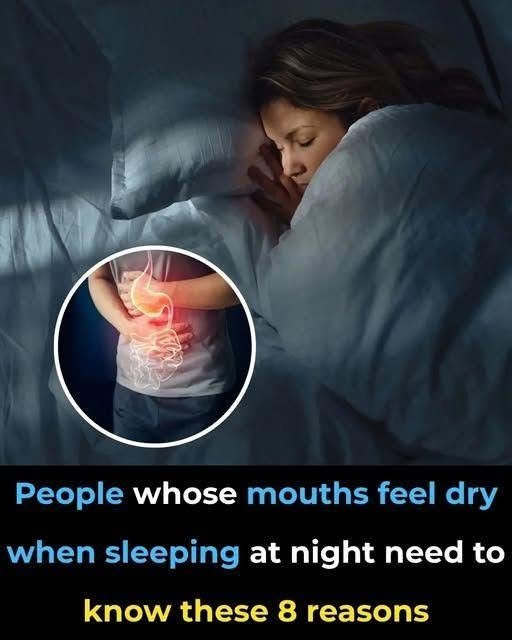
    Waking up with a dry, sticky mouth is common, but persistent nighttime dry mouth—known medically as xerostomia—can have several different causes. Eight possibilities include 1) mouth breathing, 2) nasal congestion, 3) dehydration, 4) medications, 5) alcohol or tobacco use, 6) anxiety or stress, 7) certain medical conditions, and 8) salivary-gland problems. Mouth breathing can happen when your nose is blocked or when you sleep with your mouth open, allowing moisture to evaporate more quickly. (nidcr.nih.gov) Many commonly used medications—including some antihistamines, decongestants, antidepressants, blood-pressure medicines, and pain medicines—can also reduce saliva production. (nidcr.nih.gov) Occasional dryness after a warm night or insufficient fluid intake is usually less concerning, but regular symptoms deserve more attention.

    Medical conditions can sometimes contribute as well. Diabetes, for example, may cause dry mouth, particularly when blood sugar is poorly controlled and increased urination contributes to fluid loss. Sjögren’s disease, an autoimmune condition affecting moisture-producing glands, can cause persistent dryness of the mouth and eyes. (niddk.nih.gov) Snoring and obstructive sleep apnea can also be associated with dry mouth, particularly when a person breathes through the mouth during sleep. (sleepfoundation.org) Alcohol, smoking, and some recreational substances can worsen dryness, while excessive caffeine may contribute to discomfort for some people. Importantly, dry mouth itself can increase the risk of tooth decay, gum disease, mouth infections, difficulty swallowing, and problems speaking or tasting, because saliva helps protect oral tissues. (nidcr.nih.gov)

    Simple steps may help: drink adequate fluids during the day, use a humidifier if your bedroom air is very dry, breathe through your nose when possible, and maintain careful oral hygiene. Sugar-free gum or sugar-free lozenges can stimulate saliva production, while limiting tobacco, alcohol, and excessive caffeine may also help. (nidcr.nih.gov) If your mouth remains dry for weeks, you have difficulty swallowing, frequent mouth infections, significant tooth problems, very dry eyes, or symptoms of excessive thirst and urination, arrange a medical or dental evaluation. Do not stop prescription medication simply because you suspect it is causing dryness; ask your healthcare professional about alternatives instead. Disclaimer: This article is for general educational and health information only and does not constitute medical diagnosis, treatment, or personalized advice. Nighttime dry mouth has many possible causes, and the symptom alone cannot diagnose diabetes, sleep apnea, or another disease. Always verify important health information through reliable medical sources and consult a qualified healthcare professional or dentist about persistent or worsening symptoms.

  • Most People Think Cabbage Is Healthy—But It May Not Be Ideal for Everyone

    Most People Think Cabbage Is Healthy—But It May Not Be Ideal for Everyone

    Cabbage is generally a nutritious, affordable vegetable and is a good source of fiber, vitamin C, vitamin K, and various plant compounds. Research on cruciferous vegetables—including cabbage, broccoli, kale, and cauliflower—has generally found them to be safe and potentially beneficial as part of a balanced diet. However, that doesn’t mean cabbage is equally comfortable or appropriate for everyone. Some people experience gas, bloating, abdominal discomfort, or diarrhea after eating larger amounts because cruciferous vegetables contain fermentable carbohydrates and fiber. People with digestive sensitivities, including some individuals with IBS, may therefore find that cabbage triggers symptoms even though it is healthy overall.

    Another group that may need to pay attention is people taking warfarin, a commonly prescribed blood thinner. Cabbage and other cruciferous vegetables contain vitamin K, which can affect warfarin’s anticoagulant effect. This does not necessarily mean someone taking warfarin must completely avoid cabbage; maintaining a consistent intake of vitamin-K-containing foods and discussing major dietary changes with a healthcare professional is generally more important. People with thyroid concerns sometimes worry that cabbage can worsen hypothyroidism because cruciferous vegetables contain compounds that can interfere with iodine utilization. However, a comprehensive systematic review found that the vast majority of evidence does not support harmful effects on thyroid function from reasonable dietary consumption, particularly when iodine intake is adequate. Extremely large quantities of raw cruciferous vegetables are a different situation and should not be confused with ordinary servings.

    For most people, there is no reason to remove cabbage from a healthy diet. If it causes digestive discomfort, try a smaller portion, experiment with cooked rather than raw cabbage, and observe whether your symptoms improve. Anyone taking warfarin should avoid suddenly making major changes to their intake without speaking with their healthcare provider. And if eating cabbage causes hives, swelling, wheezing, or difficulty breathing, a possible food allergy requires appropriate medical evaluation. The bigger lesson is that a food can be healthy while still being unsuitable for certain individuals or quantities. Disclaimer: This article is for general educational and nutritional information only and does not constitute medical diagnosis, treatment, or personalized dietary advice. Cabbage is generally safe for most people, and claims that it is inherently harmful to people with thyroid conditions are not supported by current evidence. Always verify important health claims through reliable scientific sources and consult a qualified healthcare professional about persistent symptoms, medication interactions, or individual dietary concerns.