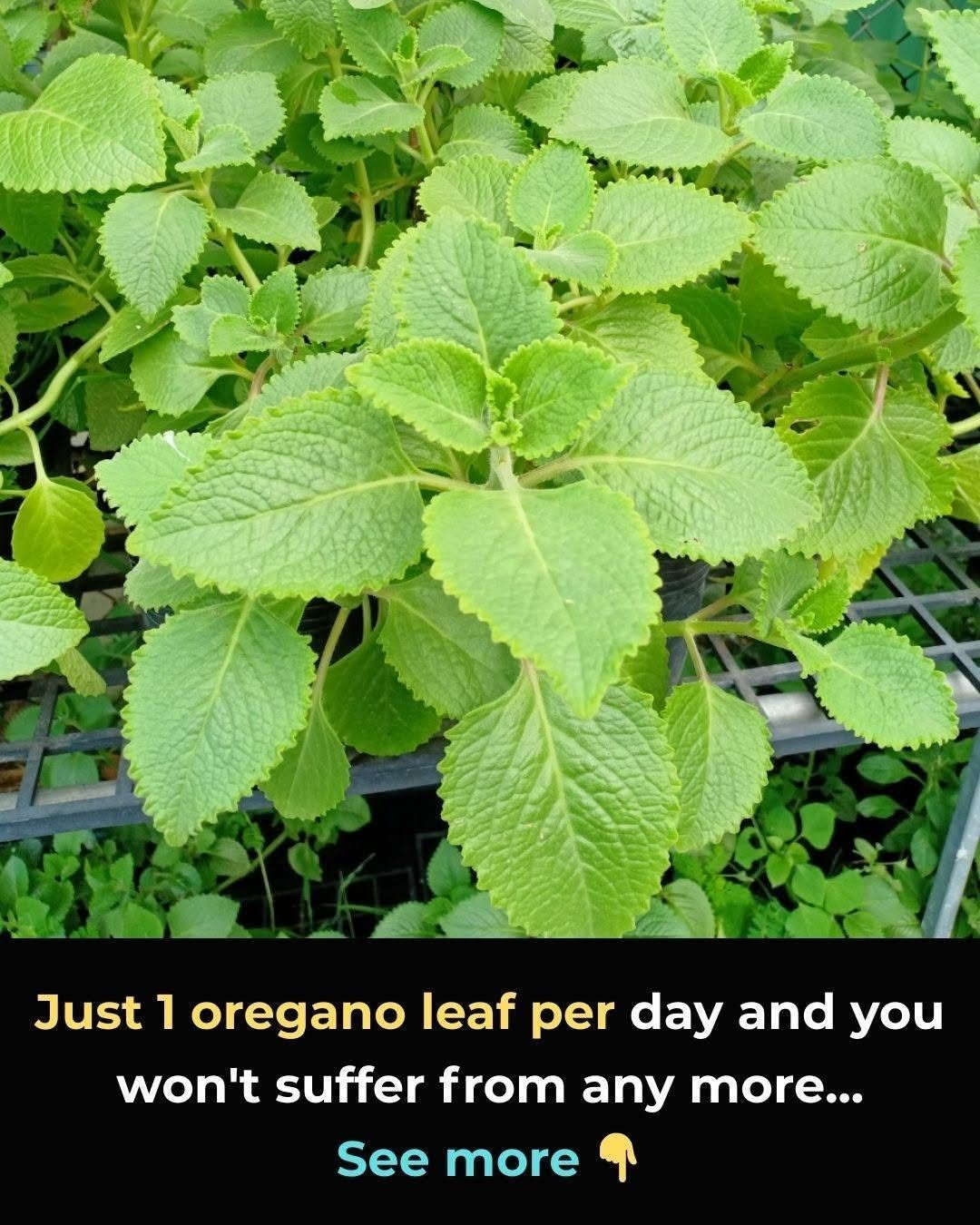
Oregano is often treated as nothing more than a seasoning, but these small aromatic leaves contain a surprisingly diverse collection of plant compounds, including flavonoids, phenolic acids, carvacrol, and thymol. These compounds have demonstrated antioxidant and other biological activities in laboratory research. Antioxidants are important because they help protect cells from oxidative damage, although laboratory antioxidant activity does not automatically mean that eating oregano prevents a particular disease. Oregano also adds powerful flavor to meals without requiring much salt, making it a useful ingredient for people trying to create flavorful, balanced dishes. Researchers have investigated oregano’s potential effects on inflammation, digestion, metabolism, and other areas, but much of the evidence remains preliminary.
One of the most interesting features of oregano is its concentration of bioactive compounds such as carvacrol and thymol. Studies have found antimicrobial and antioxidant effects from oregano extracts and essential oils, while research reviews have identified potential anti-inflammatory and metabolic properties. However, it is important to distinguish between promising laboratory findings and proven benefits in humans. A small human trial involving oregano extract found increased excretion of phenolic compounds but did not demonstrate significant changes in blood lipids or oxidative-stress biomarkers. So while oregano may be a valuable addition to a healthy diet, it should not be presented as a natural cure for infections, diabetes, cancer, digestive disorders, or other medical conditions.
For everyday use, adding oregano as a culinary herb is the simplest and safest approach for most people. Sprinkle fresh or dried leaves over vegetables, soups, beans, eggs, or other meals to increase flavor while keeping portions modest. Oregano supplements and concentrated oregano oil are different from ordinary culinary use and can have stronger effects or side effects, including digestive upset and allergic reactions; supplements may also interact with medications. People who are pregnant, preparing for surgery, taking medications that affect blood clotting or blood sugar, or considering high-dose oregano products should speak with a healthcare professional first. Disclaimer: This article is for general educational and nutritional information only and does not constitute medical diagnosis, treatment, or personalized advice. Oregano contains promising bioactive compounds, but many proposed health benefits still require stronger human research. Always verify important health claims through reliable scientific sources and consult a qualified healthcare professional before using concentrated herbal supplements.
Leave a Reply