Blog

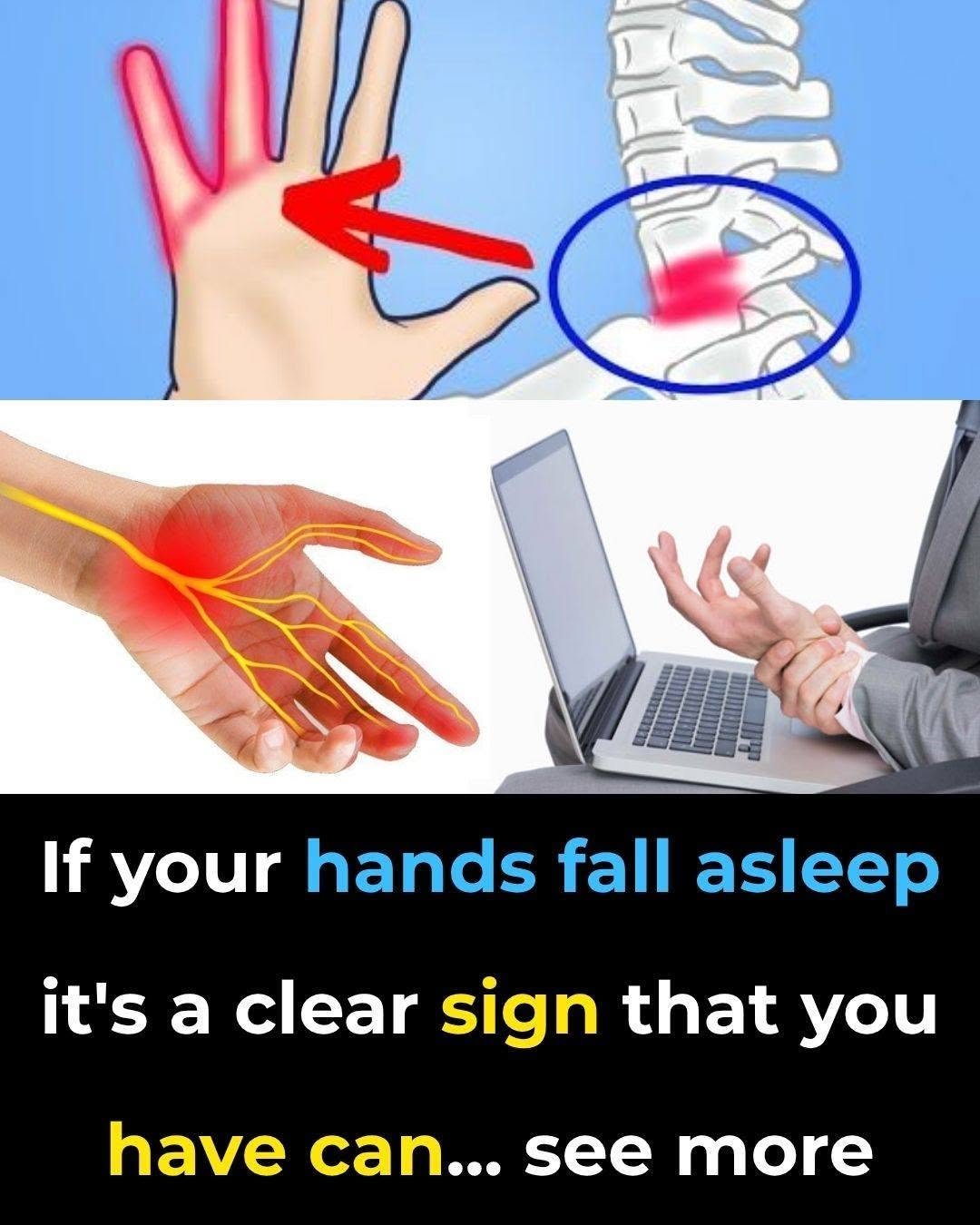
  • Your Hands May Be Sending Important Signals — Common Causes of Numbness and Tingling

    Your Hands May Be Sending Important Signals — Common Causes of Numbness and Tingling

    Numbness or tingling in the hands can happen for something as simple as sleeping on an arm or keeping the wrist in an awkward position for too long. But when these sensations keep returning, last for a long time, or occur without an obvious reason, they may deserve medical attention. One common cause is carpal tunnel syndrome, which occurs when the median nerve is compressed at the wrist and can produce numbness, tingling, burning, or weakness, particularly in the thumb, index, middle, and part of the ring finger. (orthoinfo.aaos.org) Nerve compression elsewhere in the neck, shoulder, or arm can cause similar symptoms. Diabetes is another important cause because persistently elevated blood sugar can damage peripheral nerves, often beginning with tingling or numbness in the hands or feet. (niddk.nih.gov)

    Other possibilities include vitamin deficiencies, thyroid disorders, certain medications, alcohol-related nerve damage, autoimmune conditions, and circulation problems. Vitamin B12 deficiency, for example, can cause numbness, tingling, weakness, balance problems, and other neurological symptoms. (ods.od.nih.gov) Nerve symptoms can also result from injury or pressure on nerves in the spine. The location and pattern can provide useful clues: symptoms affecting several fingers in a particular distribution may suggest a compressed nerve, while symptoms affecting both hands and feet can point toward a more generalized peripheral nerve problem. Because these symptoms have many possible causes, doctors may consider your medical history, medications, physical examination, blood tests, and sometimes nerve-conduction studies or imaging when appropriate.

    The most important point is to pay attention to sudden or rapidly worsening symptoms. If numbness or weakness suddenly affects one side of the body, particularly when accompanied by facial drooping, difficulty speaking, confusion, severe dizziness, or trouble walking, it can be a warning sign of stroke and requires emergency medical attention. (stroke.org) For ongoing tingling, weakness, loss of coordination, or symptoms that repeatedly wake you at night, arrange a medical evaluation rather than relying on supplements or home remedies. Early assessment can help identify treatable causes and prevent certain nerve problems from worsening. Disclaimer: This article is for general educational and health information only and does not constitute medical diagnosis, treatment, or personalized advice. Hand numbness and tingling have many possible causes, and the symptom alone cannot identify a specific disease. Always verify important health information through reliable medical sources and consult a qualified healthcare professional about persistent, recurrent, or sudden symptoms.

  • What Really Happens When You Urinate in the Shower

    What Really Happens When You Urinate in the Shower

    Urinating in the shower is generally not medically dangerous for most healthy adults, especially when the shower area is cleaned regularly. Urine is mostly water along with dissolved waste products and salts, and healthy urine typically contains very few bacteria when it leaves the bladder. However, that does not mean bathroom surfaces remain sterile. Once urine contacts the shower floor, drains, or other surfaces, microorganisms already present in the bathroom can interact with it. Good hygiene therefore matters more than the act itself. Cleaning the shower regularly, rinsing the floor thoroughly, and washing your hands after using the bathroom are sensible ways to maintain hygiene.

    There is also a practical reason some experts caution against making shower urination a regular habit: your bladder can become associated with the sound or sensation of running water. The phenomenon is related to classical conditioning and may be relevant for people who already experience urinary urgency or overactive-bladder symptoms. Hearing running water can act as a trigger for the urge to urinate, although simply urinating in the shower does not mean you will develop a bladder disorder. For people with urinary leakage, frequent urgency, pelvic-floor problems, or difficulty controlling urination, discussing symptoms with a healthcare professional is more useful than focusing on shower habits alone.

    Another consideration is personal hygiene and plumbing. Urine itself is unlikely to damage a properly functioning shower drain, but frequent urination can contribute to unpleasant odors if surfaces are not rinsed or cleaned. People with certain infections or medical conditions may also have urine that contains blood, unusual substances, or a strong odor, which should not simply be attributed to something they ate or drank. Persistent burning during urination, blood in the urine, fever, severe pain, or major changes in urinary frequency should be medically evaluated. Ultimately, occasional urination in the shower is unlikely to cause a serious health problem for most people, but regular bathroom hygiene and attention to urinary symptoms are still important. Disclaimer: This article is for general educational and health information only and does not constitute medical diagnosis, treatment, or personalized advice. Individual circumstances can vary, particularly for people with urinary or pelvic-floor conditions. Always verify important health information through reliable medical sources and consult a qualified healthcare professional about persistent or concerning urinary symptoms.

  • He Ate Garlic Every Day for 5 Months — What Happened to His Kidneys Surprised Doctors

    He Ate Garlic Every Day for 5 Months — What Happened to His Kidneys Surprised Doctors

    Garlic has a strong reputation as a nutritious food, but the dramatic claim that eating it every day for five months will damage the kidneys is not supported by good evidence. Garlic contains sulfur compounds and other plant substances that have been studied for possible cardiovascular and metabolic benefits. The National Center for Complementary and Integrative Health notes that oral garlic has been used safely in research studies lasting as long as seven years, although side effects such as abdominal discomfort, nausea, gas, and bad breath can occur. (nccih.nih.gov) Research investigating garlic’s effects on kidney health has also produced potentially beneficial findings, but much of the evidence comes from laboratory and animal studies rather than strong long-term human trials. (pubs.rsc.org) Therefore, ordinary amounts of garlic used in cooking should not automatically be considered dangerous to the kidneys.

    The situation can be different when people consume large amounts of concentrated garlic supplements or extracts. Case reports have linked excessive garlic supplementation with significant bleeding complications, including a report involving a man who had been taking garlic supplements for several years and experienced severe blood in the urine after a prostate procedure. Researchers suggested that garlic’s antiplatelet effects may have contributed. (pubmed.ncbi.nlm.nih.gov) Another published case described a kidney hematoma following shock-wave treatment for kidney stones in a patient taking aged garlic extract, with the authors highlighting the potential bleeding effects of herbal products. (pubmed.ncbi.nlm.nih.gov) These reports do not prove that normal dietary garlic causes kidney failure. They mainly demonstrate why concentrated supplements deserve more caution, particularly before surgery or procedures and when combined with anticoagulants or antiplatelet medicines. (nccih.nih.gov)

    If you enjoy garlic, using reasonable amounts as part of normal meals is generally very different from taking high-dose extracts every day. People with kidney disease should discuss supplements and major dietary changes with their healthcare professional, especially because individual kidney function, medications, and other health conditions can change the risk profile. And if someone develops blood in the urine, markedly reduced urination, swelling, severe flank pain, unusual weakness, or other concerning symptoms, medical evaluation is more appropriate than assuming garlic is responsible. The bigger lesson is to distinguish a whole food from a concentrated supplement and to avoid sensational claims that one ingredient automatically “cleans” or “destroys” the kidneys. Disclaimer: This article is for general educational and nutritional information only and does not constitute medical diagnosis, treatment, or personalized advice. Current evidence does not establish that ordinary dietary garlic eaten for five months causes kidney failure. Case reports involving concentrated garlic supplements cannot be generalized to everyone. Always verify health claims through reliable scientific sources and consult a qualified healthcare professional about kidney symptoms, medications, or supplement use.

  • Cheap, Easy to Find, and Loaded With Calcium — These Vegetables Deserve More Attention

    Cheap, Easy to Find, and Loaded With Calcium — These Vegetables Deserve More Attention

    When people think about calcium, milk, yogurt, and cheese usually come to mind first. But several affordable vegetables can also contribute meaningful amounts of this essential mineral. Collard greens, kale, bok choy, turnip greens, and broccoli are among the plant foods worth adding to a varied diet. For example, one cup of cooked collard greens provides roughly 268 mg of calcium, while cooked kale provides about 177 mg and bok choy around 158 mg. Calcium is important for maintaining strong bones and teeth, but it also plays roles in normal muscle contraction, nerve signaling, and other essential body functions. These vegetables can therefore be useful additions for people who want to increase their calcium intake without relying exclusively on dairy products.

    However, the amount of calcium listed in a food is not the whole story. Your body does not absorb all the calcium you consume, and absorption varies considerably between foods. Spinach, for example, contains a substantial amount of calcium on paper, but its high oxalate content significantly reduces how much calcium the body can absorb. The National Institutes of Health notes that calcium absorption from spinach is much lower than from foods such as kale and broccoli. This is one reason vegetables such as kale, bok choy, and broccoli can be particularly practical plant-based calcium sources. Vitamin D status also matters because the body needs vitamin D to absorb calcium effectively. Rather than focusing on one “super vegetable,” eating a variety of nutrient-rich foods is a better long-term strategy.

    Making these vegetables part of everyday meals does not have to be complicated. Kale can be added to soups or lightly sautéed, bok choy works well in stir-fries, broccoli can be steamed or roasted, and turnip or collard greens can be cooked as a side dish. The U.S. Office of Disease Prevention and Health Promotion specifically lists collard greens, turnip greens, bok choy, kale, broccoli, and other vegetables as useful calcium sources. If you are concerned about bone health or believe you are not getting enough calcium, don’t rely on vegetables alone—calcium-fortified foods, dairy products, or other appropriate sources may also help meet your needs. Disclaimer: This article is for general educational and nutritional information only and does not constitute medical diagnosis, treatment, or personalized dietary advice. Calcium content and absorption vary by food, preparation, and individual factors. Always verify nutrition information through reliable sources and consult a qualified healthcare professional or registered dietitian if you have specific nutritional or bone-health concerns.

  • What Happens to Your Body When You Eat a Banana Before Bedtime? Doctors Explain

    What Happens to Your Body When You Eat a Banana Before Bedtime? Doctors Explain

    Eating a banana before bed can be a nutritious evening snack, but it is not a guaranteed sleep remedy. A medium banana provides carbohydrates, fiber, potassium, and smaller amounts of magnesium and vitamin B6. Bananas also contain tryptophan, an amino acid involved in the production of serotonin and melatonin, which play roles in regulating sleep. However, the amount of these nutrients in one banana is relatively modest, so claims that a banana will automatically make you fall asleep faster are overstated. A small 2024 clinical study involving just 21 people with insomnia found that participants who ate a portion of banana at bedtime experienced an improvement in subjective sleep-quality scores after six weeks, but the study was small and participants were not randomly assigned, so stronger research is needed.

    Another possible benefit is feeling satisfied during the night. The fiber in bananas can contribute to fullness, which may be useful if hunger tends to disturb your sleep. Potassium also supports normal muscle and nerve function, while magnesium contributes to normal muscle and nervous-system function. However, eating a banana does not guarantee protection against nighttime leg cramps, and potassium deficiency is not the usual explanation for every episode of cramping. For some people, eating fruit in the evening may be perfectly comfortable, while others may experience bloating, reflux, or digestive discomfort. People with diabetes or blood-sugar concerns may also want to consider the banana’s carbohydrate content as part of their overall diet rather than treating it as a special bedtime food.

    Ultimately, timing matters less than your overall eating pattern and sleep routine. If you enjoy bananas and they do not cause discomfort, having one as part of a balanced evening snack is generally reasonable for most healthy adults. You can pair it with a small amount of unsweetened yogurt or nuts if you want additional protein and healthy fats. But if you regularly struggle to fall asleep, wake repeatedly during the night, snore loudly, gasp during sleep, or experience significant daytime sleepiness, don’t rely on bananas or other foods as treatment—persistent sleep problems deserve professional evaluation. Disclaimer: This article is for general educational and nutritional information only and does not constitute medical diagnosis, treatment, or personalized dietary advice. Current evidence suggests bananas may fit into a healthy bedtime routine, but there is not enough evidence to claim that eating a banana before bed reliably improves sleep for everyone. Always verify health claims through reliable scientific sources and consult a qualified healthcare professional about persistent sleep problems or individual dietary concerns.

  • Have You Noticed White Patches on Your Skin? Experts Explain the Possible Causes

    Have You Noticed White Patches on Your Skin? Experts Explain the Possible Causes

    White or unusually light patches on the skin can appear for many reasons, and they do not automatically mean something serious. One well-known cause is vitiligo, an autoimmune condition in which the immune system attacks melanocytes—the cells responsible for producing skin pigment. Vitiligo can cause sharply lighter or completely white patches, often appearing on areas such as the hands, face, feet, or around the mouth and eyes. Another common possibility is tinea versicolor, a superficial yeast infection that can produce lighter or darker patches, particularly on the chest, back, shoulders, and neck. It is common in warm, humid environments and may sometimes cause mild scaling or itching.

    Other causes include pityriasis alba, eczema, psoriasis, and changes in pigmentation after an injury, rash, or inflammation. Pityriasis alba is particularly common in children and teenagers and can leave round or oval lighter patches, often on the face or upper body. A light patch can also develop after a skin injury or previous inflammation as the skin temporarily produces less pigment. This is why appearance alone is not enough to determine the cause. Dermatologists may examine the skin under specialized lighting, such as a Wood’s lamp, and consider your medical history and other symptoms before making a diagnosis.

    If a white patch is new, enlarging, spreading, repeatedly appearing, or accompanied by scaling, itching, hair losing its color, or other unusual changes, arranging an evaluation with a dermatologist is a sensible step. People with vitiligo may also have a higher likelihood of certain autoimmune conditions, including thyroid disease, although developing another condition is not inevitable. Avoid applying harsh bleaching products or unproven home remedies before knowing the cause, as irritation can make pigmentation problems worse. Disclaimer: This article is for general educational and health information only and does not constitute medical diagnosis, treatment, or personalized advice. White patches have many possible causes, and their appearance alone cannot confirm a specific condition. Always verify important health information through reliable medical sources and consult a qualified dermatologist or healthcare professional about new or persistent skin changes.

  • 25 Years Cancer-Free: The 3 Daily Habits That May Have Helped Her Stay Healthy

    25 Years Cancer-Free: The 3 Daily Habits That May Have Helped Her Stay Healthy

    A person remaining cancer-free for 25 years after treatment is certainly encouraging, but it is important not to assume that three habits alone explain the outcome. Cancer survival is influenced by many factors, including the type and stage of cancer, treatment received, genetics, overall health, and follow-up care. Still, some daily habits are consistently associated with better overall health and lower risk for several cancers. The first is regular physical activity. The American Cancer Society recommends that adults aim for 150–300 minutes of moderate activity or 75–150 minutes of vigorous activity each week. Regular movement is associated with a lower risk of several cancers and can also help maintain a healthy weight.

    The second habit is eating a predominantly healthy, plant-rich diet. This doesn’t mean following an extreme diet or relying on a “cancer-fighting” food. Instead, experts recommend regularly eating vegetables, fruits, whole grains, beans, nuts, and other nutrient-dense foods while limiting highly processed foods, sugar-sweetened beverages, and red and processed meats. The third habit is avoiding tobacco and keeping up with recommended medical care and cancer screening. Tobacco is a major preventable cause of cancer, while appropriate screening can detect certain cancers earlier, when treatment is often more successful. For someone who has previously had cancer, follow-up appointments and individualized recommendations from their oncology team are particularly important.

    The inspiring lesson from a 25-year survivor should therefore be consistency rather than a secret cure. Staying active, eating a balanced diet, avoiding tobacco, maintaining a healthy weight, protecting the skin from excessive UV exposure, and following appropriate screening or follow-up recommendations can all contribute to long-term health. These habits cannot guarantee that cancer will never return, because no lifestyle routine can eliminate cancer risk completely. If you have previously been diagnosed with cancer, don’t replace your prescribed treatment or follow-up plan with supplements, restrictive diets, or unproven natural remedies. Disclaimer: This article is for general educational and health information only and does not constitute medical diagnosis, cancer treatment, or personalized advice. A survivor’s experience cannot establish that particular habits caused their long-term remission. Always verify health claims through reliable medical sources and follow the recommendations of your qualified healthcare team.

  • The “3 Don’ts” After Eating and “4 Don’ts” Before Sleep — Simple Habits That May Support Stroke Prevention

    The “3 Don’ts” After Eating and “4 Don’ts” Before Sleep — Simple Habits That May Support Stroke Prevention

    There is no scientifically proven set of “3 don’ts after eating” that directly prevents stroke, but several everyday habits can support the factors that strongly influence stroke risk. After meals, avoid making very heavy, high-sodium, highly processed foods a regular habit, because excess sodium can raise blood pressure, one of the most important controllable stroke-risk factors. Second, don’t immediately turn every meal into prolonged inactivity—regular physical activity throughout the week is associated with lower stroke risk, although people with medical conditions should choose exercise appropriate for their health. Third, don’t routinely consume excessive sugary or alcoholic drinks with meals. Instead, build meals around vegetables, fruits, whole grains, healthy protein sources, and healthier fats. These habits are not magic protections against stroke, but they can contribute to healthier blood pressure, weight, cholesterol, and blood-sugar levels over time.

    Before sleep, there are also four habits worth avoiding if you want to support cardiovascular and brain health. First, don’t regularly sacrifice sleep for late-night work, entertainment, or scrolling; adults generally benefit from about seven to nine hours of sleep, and poor sleep is associated with important cardiovascular risk factors. Second, avoid large or heavy meals immediately before bed, particularly if they interfere with your sleep or cause reflux. The American Stroke Association suggests planning dinner around three hours before bedtime when possible. Third, avoid excessive caffeine late in the day if it disrupts your sleep. Fourth, don’t use alcohol as a sleep aid—although it may make you feel sleepy initially, it can produce more restless sleep. Keeping a consistent bedtime and wake-up schedule, creating a relaxing nighttime routine, and limiting electronic distractions can make healthy sleep easier to maintain.

    The bigger picture is that stroke prevention depends on long-term risk-factor management, not one particular bedtime or post-meal rule. Keeping blood pressure under control, not smoking, staying physically active, maintaining a healthy weight, eating a balanced diet, managing conditions such as diabetes or atrial fibrillation, and taking prescribed medications correctly can substantially reduce risk. The American Stroke Association identifies high blood pressure as the leading controllable risk factor for stroke. And remember: lifestyle habits cannot prevent every stroke. If someone suddenly develops facial drooping, weakness or numbness on one side, difficulty speaking, sudden vision problems, severe dizziness, or trouble walking, treat it as a medical emergency rather than waiting for the symptoms to pass. Disclaimer: This article is for general educational and health information only and does not constitute medical diagnosis, treatment, or personalized medical advice. The “3 don’ts” and “4 don’ts” are practical lifestyle suggestions, not guaranteed stroke-prevention rules. Always verify important health information through reliable medical sources and consult a qualified healthcare professional about your individual stroke risk.

  • Can One Daily Smoothie Really Improve Blurred Vision and Memory? Here’s What You Should Know

    Can One Daily Smoothie Really Improve Blurred Vision and Memory? Here’s What You Should Know

    Stories about a single “natural” smoothie eliminating blurred vision and poor memory can sound convincing, but there is no scientifically established smoothie that can reliably cure both problems. Blurred vision at around age 45 can have many causes, including refractive changes such as presbyopia, which commonly begins after age 45, as well as cataracts, glaucoma, diabetic eye disease, and other conditions. Memory problems can likewise have many possible causes, including inadequate sleep, stress, medications, nutritional deficiencies, and medical or neurological conditions. A nutritious smoothie containing fruits, vegetables, nuts, seeds, or yogurt can contribute vitamins, minerals, fiber, and other beneficial nutrients, but improving overall nutrition is very different from proving that one particular recipe can reverse a medical condition.

    There is good reason to include nutrient-rich foods in a balanced diet, especially foods containing leafy greens, colorful fruits and vegetables, nuts, seeds, and other minimally processed ingredients. These foods provide nutrients and plant compounds that support normal body function. However, claims that one glass per day can “naturally eliminate” blurred vision or memory loss go beyond what the evidence supports. The National Eye Institute emphasizes that blurred vision can result from different eye conditions and that an eye examination is important when vision becomes unclear. Some eye diseases may have few or no early symptoms, meaning relying on a drink instead of an examination could delay appropriate treatment. If memory changes are persistent, worsening, or interfering with everyday activities, they also deserve proper medical evaluation rather than being attributed automatically to diet.

    A smoothie can certainly be part of a healthy routine, but it should complement—not replace—professional care. If blurred vision appeared suddenly, is getting worse, or occurs with flashes, many new floaters, a dark curtain or shadow, severe eye pain, redness, or nausea, urgent eye care may be necessary because conditions such as retinal detachment or acute angle-closure glaucoma can threaten vision. For ongoing memory concerns, speak with a healthcare professional who can look for potentially treatable causes. Disclaimer: This article is for general educational and nutritional information only and does not constitute medical diagnosis, treatment, or personalized advice. A smoothie may support a nutritious diet, but there is no reliable evidence that one daily smoothie can universally eliminate blurred vision or memory problems. Always verify health claims through reliable scientific sources and consult a qualified healthcare professional about persistent, worsening, or sudden symptoms.

  • 6 Groups of People Who Should Consult a Doctor Before Drinking Coconut Water

    6 Groups of People Who Should Consult a Doctor Before Drinking Coconut Water

    Coconut water is a refreshing source of fluids and electrolytes, but it is not automatically suitable for everyone. Because it contains a meaningful amount of potassium, certain people should check with a healthcare professional before drinking it regularly or in large quantities. The first group is people with chronic kidney disease or reduced kidney function. Healthy kidneys normally remove excess potassium, but impaired kidneys may struggle to maintain a safe potassium balance. (kidney.org) The second group includes people who have previously been diagnosed with high blood potassium (hyperkalemia). Too much potassium can cause muscle weakness and potentially dangerous heart-rhythm problems. (kidney.org) The third group is people taking certain potassium-raising medications, including some blood-pressure and heart medicines. Rather than stopping medication, they should ask their doctor whether coconut water fits safely into their diet. (kidney.org)

    The fourth group is people with heart failure or other cardiovascular conditions associated with potassium imbalance. Heart disease itself can increase the risk of abnormal potassium levels, particularly when kidney function or medications are also involved. (clevelandclinic.org) Fifth are people with diabetes, particularly those who also have kidney problems. Diabetes can contribute to kidney damage and may increase the risk of potassium abnormalities. (kidney.org) Sixth are people who have been told to follow a potassium-restricted diet or a fluid-restricted diet, including some people receiving dialysis. Coconut water is specifically listed by the National Kidney Foundation as a high-potassium beverage that people with kidney disease may need to limit depending on their individual laboratory results and treatment plan. (kidney.org)

    For healthy people without potassium or fluid restrictions, coconut water can generally be enjoyed as part of a balanced diet, and choosing 100% coconut water without added sugar is a sensible option. (clevelandclinic.org) The important point is that more is not necessarily better: individual potassium and fluid requirements depend on kidney function, medications, medical conditions, and blood-test results. If you have kidney disease, high potassium, heart disease, diabetes with kidney involvement, or have been advised to restrict potassium or fluids, speak with your doctor or dietitian before making coconut water a regular drink. Disclaimer: This article is for general educational and nutritional information only and does not constitute medical diagnosis, treatment, or personalized dietary advice. Coconut water can be nutritious for many people, but its potassium content may be inappropriate for certain medical conditions. Always verify important health information through reliable medical sources and consult a qualified healthcare professional before making significant dietary changes.