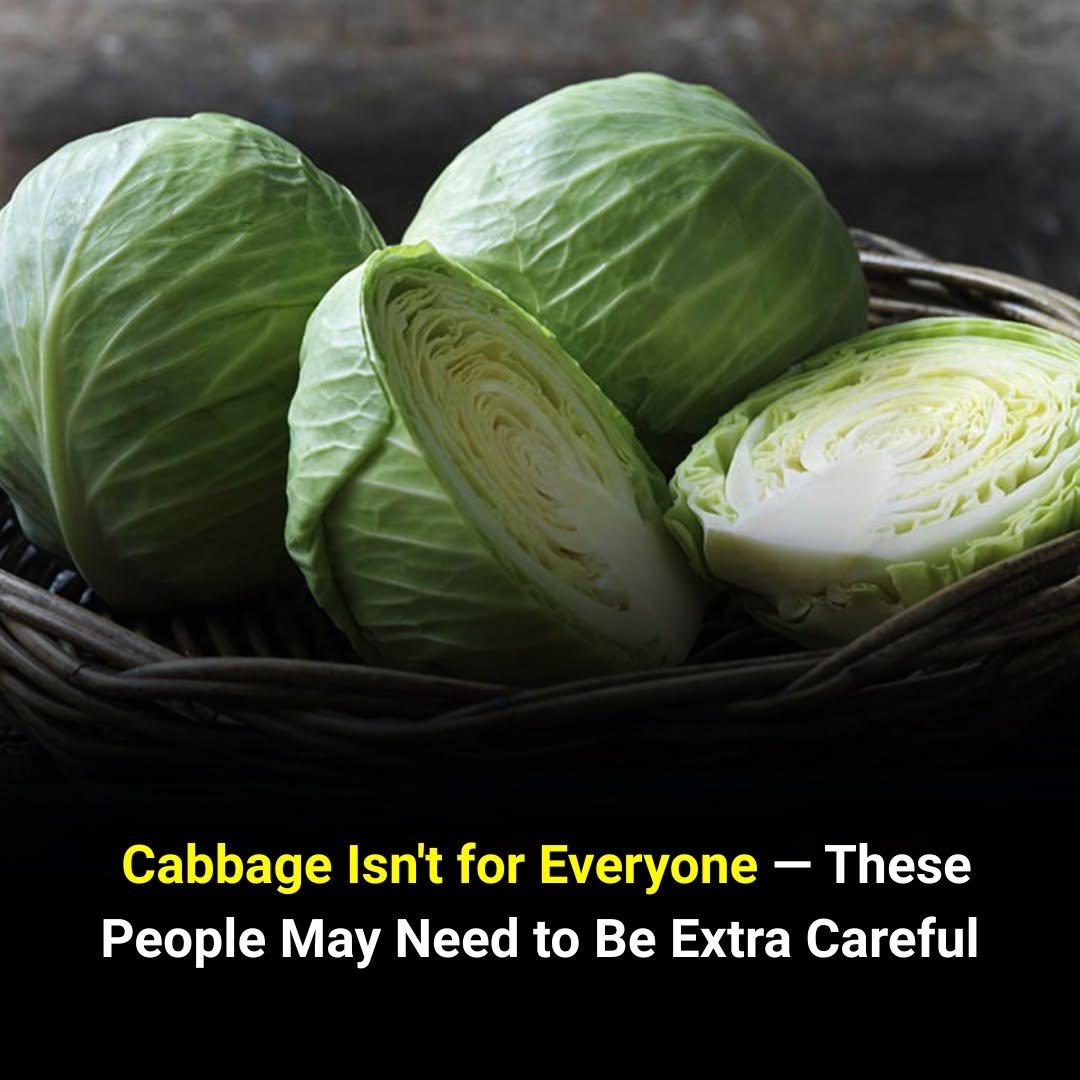
Cabbage is generally a nutritious, affordable vegetable and is a good source of fiber, vitamin C, vitamin K, and various plant compounds. Research on cruciferous vegetables—including cabbage, broccoli, kale, and cauliflower—has generally found them to be safe and potentially beneficial as part of a balanced diet. However, that doesn’t mean cabbage is equally comfortable or appropriate for everyone. Some people experience gas, bloating, abdominal discomfort, or diarrhea after eating larger amounts because cruciferous vegetables contain fermentable carbohydrates and fiber. People with digestive sensitivities, including some individuals with IBS, may therefore find that cabbage triggers symptoms even though it is healthy overall.
Another group that may need to pay attention is people taking warfarin, a commonly prescribed blood thinner. Cabbage and other cruciferous vegetables contain vitamin K, which can affect warfarin’s anticoagulant effect. This does not necessarily mean someone taking warfarin must completely avoid cabbage; maintaining a consistent intake of vitamin-K-containing foods and discussing major dietary changes with a healthcare professional is generally more important. People with thyroid concerns sometimes worry that cabbage can worsen hypothyroidism because cruciferous vegetables contain compounds that can interfere with iodine utilization. However, a comprehensive systematic review found that the vast majority of evidence does not support harmful effects on thyroid function from reasonable dietary consumption, particularly when iodine intake is adequate. Extremely large quantities of raw cruciferous vegetables are a different situation and should not be confused with ordinary servings.
For most people, there is no reason to remove cabbage from a healthy diet. If it causes digestive discomfort, try a smaller portion, experiment with cooked rather than raw cabbage, and observe whether your symptoms improve. Anyone taking warfarin should avoid suddenly making major changes to their intake without speaking with their healthcare provider. And if eating cabbage causes hives, swelling, wheezing, or difficulty breathing, a possible food allergy requires appropriate medical evaluation. The bigger lesson is that a food can be healthy while still being unsuitable for certain individuals or quantities. Disclaimer: This article is for general educational and nutritional information only and does not constitute medical diagnosis, treatment, or personalized dietary advice. Cabbage is generally safe for most people, and claims that it is inherently harmful to people with thyroid conditions are not supported by current evidence. Always verify important health claims through reliable scientific sources and consult a qualified healthcare professional about persistent symptoms, medication interactions, or individual dietary concerns.
Leave a Reply