Blog

  • Nowadays, at 59, She’s Living Her Best Life With Her Husband and Their Big Family of 14!

    Nowadays, at 59, She’s Living Her Best Life With Her Husband and Their Big Family of 14!

    Stories about women who have built large families often attract attention because they combine love, family, resilience, and an extraordinary life journey. At 59, raising or enjoying life surrounded by a large family can certainly be a remarkable experience, particularly when the family includes children and grandchildren across different generations. However, viral posts that describe someone simply as “the girl” and promise that her name is hidden in the comments often provide very little verifiable information. Similar internet stories about unusually large families have sometimes turned out to be exaggerated or completely misleading, so readers should be cautious before accepting the headline as fact. For example, documented cases show that photographs and stories about mothers with supposedly enormous families have sometimes been reused in false viral posts.

    Large families can bring strong emotional connections, shared traditions, and a sense of belonging, but they can also require enormous amounts of time, organization, patience, and financial planning. The number of children in a family does not automatically determine how happy or successful the household will be. What matters more is the quality of relationships, mutual respect, emotional support, and the ability of family members to care for one another. Research on healthy aging also emphasizes the importance of social relationships and meaningful engagement throughout life, suggesting that strong connections can remain an important part of well-being as people grow older. A large family may therefore provide opportunities for companionship and shared experiences, although every family’s circumstances are different.

    The most interesting part of a story like this should not simply be the number 14, but the journey behind the family: how they met, how they built their household, what challenges they faced, and how their children and grandchildren shaped their lives. If the original post does not identify the woman clearly, readers should avoid guessing her identity from photographs or comments, especially because viral social-media claims can easily attach incorrect names to unrelated people. Disclaimer: This article is for general informational and entertainment purposes only. The identity, age, family size, and personal story referenced in the viral headline have not been independently verified here and should not be treated as established facts without reliable supporting sources. Always verify biographical claims through reputable sources before sharing them as factual.
  • Early This Morning, I Found This Strange Creature Outside — Does Anyone Know What It Is?

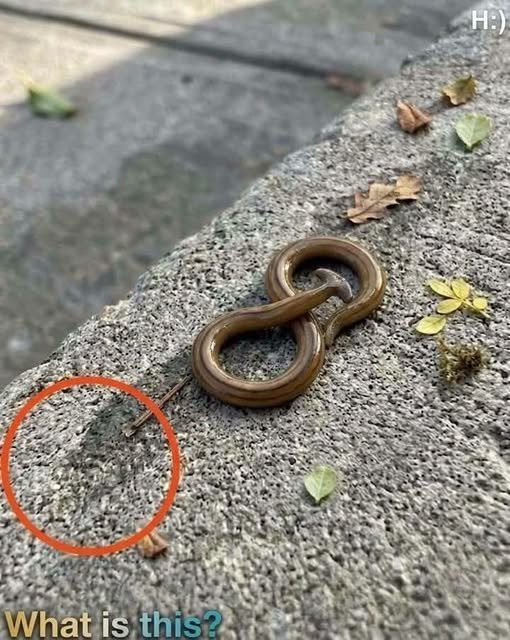
    Early This Morning, I Found This Strange Creature Outside — Does Anyone Know What It Is?

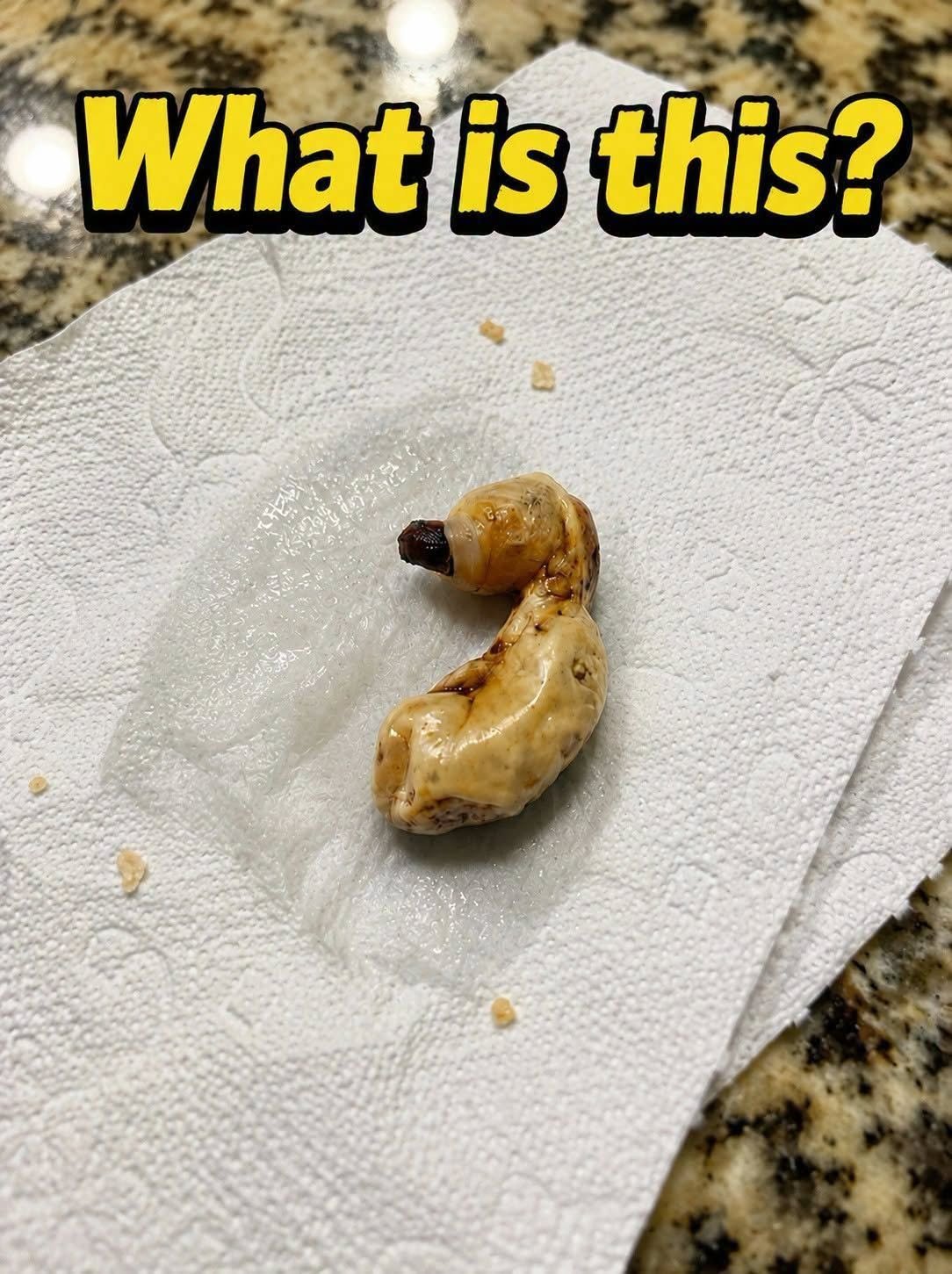
    At first glance, a strange worm-like creature with what appears to be a piece of grass attached to its head can look almost unreal. However, there are several insects and caterpillars that use camouflage and plant material as natural protection. Some caterpillars resemble grass, twigs, leaves, or other pieces of vegetation, making them much harder for birds and other predators to detect. Entomology resources describe numerous caterpillars that hide among grasses or construct shelters from pieces of leaves and debris. In some cases, what looks like grass stuck to the animal may actually be part of a protective shelter or camouflage structure attached with silk. This clever behavior allows the larva to blend into its surroundings while it rests or feeds.

    One possibility is a grass-associated caterpillar, such as a sod webworm or another grass-feeding moth larva. Sod webworm caterpillars can hide in silk-lined shelters containing grass blades and other debris, and they often remain concealed during the day before emerging to feed at night. Other caterpillars can look surprisingly similar to blades of grass or small sticks, making identification difficult without a clear photograph. Some species even deliberately imitate plant material as a defense mechanism against predators. The exact species, however, cannot be identified confidently from a written description alone because many unrelated insects can have similar appearances.

    If you encounter something like this, take a close-up photograph from several angles before disturbing it. Include a picture showing the entire body, another showing the head, and ideally one showing where you found it—such as grass, soil, a tree, or a garden plant. Avoid touching unfamiliar caterpillars with bare hands because some species have hairs or structures that can irritate the skin. A good photograph can often reveal whether the “grass” is actually attached camouflage, a leaf shelter, or simply vegetation caught on the insect. Disclaimer: This article is for general educational and informational purposes only. Without a clear photograph and location information, the creature cannot be reliably identified, and similar-looking insects can belong to completely different species. Always verify an identification through a reputable entomology or wildlife source before handling an unfamiliar insect.

  • Doctors Reveal What Eating Eggs in the Morning May Do to Your Body

    Doctors Reveal What Eating Eggs in the Morning May Do to Your Body

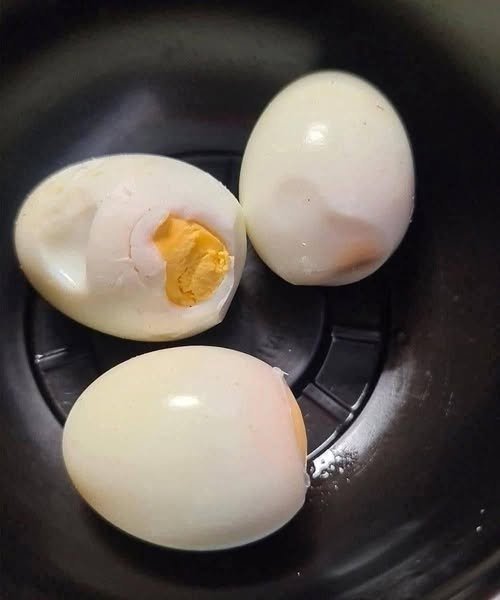
    Eating eggs in the morning does not automatically “cause” a health problem for most people. In fact, eggs provide high-quality protein, choline, vitamin B12, selenium, riboflavin, and other nutrients, making them a convenient part of a balanced breakfast. Protein can also help increase feelings of fullness, which may make it easier to manage appetite throughout the day. (fdc.nal.usda.gov) The idea that eating eggs at a particular time of day is inherently harmful is not supported by strong evidence. What matters more is the overall dietary pattern, portion size, preparation method, and a person’s individual health status. Boiled or poached eggs, for example, can be a very different nutritional choice from eggs regularly served with processed meats, excessive butter, or large amounts of refined carbohydrates.

    One concern sometimes raised is cholesterol. Egg yolks contain dietary cholesterol, but research has shown that the relationship between dietary cholesterol and blood cholesterol is more complicated than simply saying “eggs cause high cholesterol.” For many healthy people, moderate egg consumption can fit into a heart-healthy eating pattern. The American Heart Association notes that healthy individuals can include up to one whole egg per day within an overall healthy diet, while older adults with healthy cholesterol levels may consume somewhat more. (heart.org) People with diabetes, high LDL cholesterol, or certain cardiovascular conditions may need more individualized guidance. Another consideration is food safety: eggs should be cooked adequately, particularly for young children, older adults, pregnant women, and people with weakened immune systems. (fda.gov)

    So what might eating eggs in the morning actually “cause”? For most people, it may simply contribute protein, nutrients, and greater fullness to breakfast. Some individuals may experience digestive discomfort or allergic reactions, and people with specific medical conditions may have different dietary requirements. Instead of fearing eggs, consider the entire meal: pair them with vegetables, fruit, whole grains, or beans rather than making processed meat and highly refined foods the main part of breakfast. A healthy diet is built from patterns, not a single ingredient. Disclaimer: This article is for general educational and nutritional information only and does not constitute medical advice, diagnosis, or treatment. Individual responses to eggs vary, and dietary recommendations can differ for people with specific health conditions. Always verify nutrition claims through reliable scientific and medical sources and consult a qualified healthcare professional for personalized dietary guidance.

  • At Almost 103, He Is One of the Oldest Living Stars — Details in the First Comment

    At Almost 103, He Is One of the Oldest Living Stars — Details in the First Comment

    Reaching your 100th birthday is remarkable, but reaching your 103rd while still being remembered as a beloved star is something extraordinary. Stories about exceptionally long-lived actors and entertainers often capture people’s attention because they connect fame, aging, resilience, and longevity in one fascinating story. For someone who has lived through nearly a century of social and cultural change, their life can represent an extraordinary historical journey—from early career successes and changing entertainment industries to decades of personal experiences away from the spotlight. Yet headlines about “oldest living stars” can be misleading because rankings depend on whether the list includes actors, performers, television personalities, or all entertainment figures, and ages change as people reach new birthdays.

    Living into the 100s is influenced by many factors, including genetics, environment, lifestyle, healthcare, socioeconomic circumstances, and simple biological variation. Researchers studying exceptional longevity have found that centenarians often share certain characteristics, but there is no single food, supplement, exercise, or daily ritual proven to make someone live to 100. Healthy aging generally involves maintaining physical activity, eating a nutritious diet, avoiding tobacco, getting appropriate medical care, staying socially connected, and managing conditions such as high blood pressure and diabetes. The National Institute on Aging emphasizes that healthy aging involves multiple areas of life rather than relying on one “secret.” (nia.nih.gov)

    Perhaps the most inspiring part of stories about people approaching 103 is not simply the number itself, but the life accumulated behind that number. A person who has reached such an age has witnessed generations change, industries transform, and society move through enormous historical events. Their story can remind us that aging is not merely about counting years; it is also about preserving independence, relationships, purpose, and dignity for as long as possible. However, longevity stories should not be turned into promises that copying one person’s habits will produce the same result. Disclaimer: This article is for general informational and educational purposes only. The identity and age of the person referenced by the headline should be independently verified before being presented as a factual record, and longevity cannot be guaranteed by any particular lifestyle habit. Always verify biographical and health claims through reliable sources.

  • I Got My First Slow Cooker Last Week—and My Roommate Made One Very Expensive Mistake

    I Got My First Slow Cooker Last Week—and My Roommate Made One Very Expensive Mistake

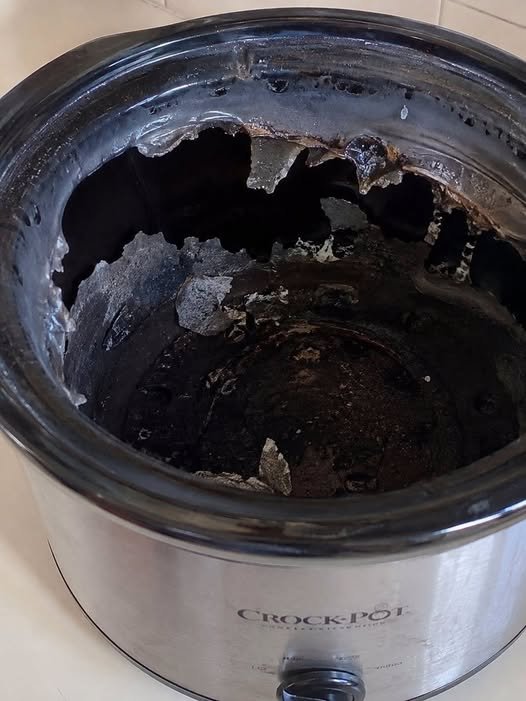
    I bought my first slow cooker last week and was genuinely excited to finally use it. I had read the instructions, bought ingredients, and was already imagining all the soups and slow-cooked meals I could make. Then, today, I came home to find my roommate standing in the kitchen looking unusually nervous. The slow cooker was running, the lid was on, and there was a strange smell coming from inside. “What did you put in there?” I asked. She smiled awkwardly and said, “Don’t get mad.” I lifted the lid—and immediately realized something was very wrong. She had decided to use my brand-new slow cooker to heat something it was never designed to heat. She genuinely believed that because the appliance could get hot, you could safely put almost anything inside it.

    When I asked why she hadn’t checked the instructions first, she simply said, “I thought a slow cooker was basically a giant heated container.” That assumption can be surprisingly dangerous. Slow cookers are designed for food and liquids that are appropriate for slow cooking, and manufacturers provide specific instructions about what can safely go into the removable crock and how the appliance should be operated. Depending on what someone places inside, the container could crack, produce unpleasant fumes, damage the appliance, create a fire hazard, or contaminate food. The appliance also should never be treated like an oven, stovetop, or general-purpose heating device. Most importantly, electrical components and the heating base should never be exposed to water or other liquids. I unplugged everything and checked the manufacturer’s instructions before doing anything else.

    The experience taught both of us a simple lesson: “It gets hot” doesn’t mean “it can safely heat anything.” Before using a new kitchen appliance, read the manufacturer’s instructions and check whether the specific material or food is approved for that appliance. Don’t experiment with objects, containers, chemicals, or non-food materials simply because they appear heat-resistant. If something smells like burning plastic, produces smoke, cracks, leaks, or behaves unexpectedly, unplug the appliance if it is safe to do so and stop using it until it has been inspected or replaced. A slow cooker can be incredibly convenient, but like every electrical appliance, it needs to be used for its intended purpose. Disclaimer: This is a dramatized, educational-style story rather than a verified account. Always follow the specific manufacturer’s safety instructions for your slow cooker and never place non-approved materials inside a heated appliance.

  • He Had No Clue Why His Name Was on the Tag, Until the Day They Handed Him the Keys…

    He Had No Clue Why His Name Was on the Tag, Until the Day They Handed Him the Keys…

    For years, Daniel had ignored the small brass tag hanging from an old wooden key box in his late grandfather’s workshop. His name was engraved on it: DANIEL — DO NOT OPEN UNTIL THE KEYS ARE GIVEN. He had asked about it when he was younger, but his grandfather always smiled and changed the subject. After his grandfather passed away, Daniel found the box again while cleaning the workshop. Inside was only a handwritten note: “When they hand you the keys, you will finally understand.” Daniel assumed it was another one of his grandfather’s strange jokes. Then, two weeks later, a lawyer contacted him and asked him to attend a meeting about an inheritance his grandfather had never mentioned. Daniel arrived expecting paperwork and perhaps a few sentimental belongings. Instead, the lawyer placed a large envelope on the table and quietly pushed a set of old keys toward him. “These belong to you,” she said. Daniel stared at them, confused. “What do they open?”

    The lawyer took a deep breath. “Something your grandfather spent nearly thirty years protecting.” She handed him a faded photograph of a small house surrounded by trees. Daniel immediately recognized the place. It was the house he had passed every summer as a child—the abandoned property everyone in town called the old Miller house. “Your grandfather bought this property shortly before you were born,” the lawyer explained. “But he never put it in his own name.” Daniel turned the photograph over and found another message in his grandfather’s handwriting: “I couldn’t give you what your father took from you, but I could make sure you received what was always meant to be yours.” Daniel’s hands began to shake. His father had disappeared from his life when he was six, and his grandfather had always refused to explain why. The lawyer then revealed that the property had originally belonged to Daniel’s grandmother, who had intended to leave it to her daughter—Daniel’s mother. But after her sudden death, a complicated legal dispute had separated the family from the property. Daniel’s grandfather had spent decades quietly buying back the surrounding land and settling the legal claims.

    Then came the final envelope. Inside was a letter addressed to Daniel, dated the day he was born. His grandfather had written that he knew he might not live long enough to explain everything, so he created the key box as a promise. The letter revealed that the house was not simply an inheritance. It contained something far more personal: the belongings his mother had packed before she died, including photographs, letters, and a journal she had written for Daniel but never had the chance to give him. “I wanted you to know,” his grandfather wrote, “that your mother never abandoned you. She loved you every single day.” Daniel could barely breathe as he walked toward the old house and placed the key in the lock. The door opened with a soft click. Inside, everything had been preserved exactly as it had been decades earlier. On the table sat a final envelope with his name on it. Daniel opened it with trembling hands. The first line made him cry: “My son, if you’re reading this, Grandpa finally gave you the keys—and now you deserve to know the truth.”

  • If a Man Scratches a Woman’s Palm, It Might Mean More Than You Think

    If a Man Scratches a Woman’s Palm, It Might Mean More Than You Think

    A small gesture can sometimes feel surprisingly meaningful, and scratching or lightly tracing a woman’s palm during a handshake or while holding hands is one of those gestures people often interpret as a hidden signal. In some cultures and social settings, this action has been associated with flirtation or romantic interest—a subtle way of communicating attraction without saying anything directly. However, there is no universal dictionary for body language. The same movement can mean different things depending on the relationship, culture, setting, and the person’s intentions. Some people may deliberately use the gesture to create a moment of connection, while others may simply be fidgeting or moving their fingers without realizing it.

    If the gesture is deliberate and accompanied by other signs of attraction, it may be more meaningful. For example, prolonged eye contact, a genuine smile, repeatedly finding reasons to be close, playful conversation, or continued attempts to initiate contact can provide additional context. Some cultural traditions have also associated palm scratching during a handshake with romantic or sexual interest, although these interpretations are not universal and should not be assumed simply because the gesture occurred. The most important thing is to avoid interpreting one physical gesture in isolation. A single palm scratch cannot reliably reveal someone’s feelings, and assuming that it definitely means attraction can easily create misunderstandings.

    Ultimately, the surrounding behavior matters more than the gesture itself. If the person consistently shows warmth, respect, interest, and clear communication, the palm touch may simply be one small part of a broader pattern. If it feels uncomfortable or unwanted, you have every right to pull your hand away or establish a boundary regardless of what the other person intended. Body language can offer clues, but honest communication is a much more reliable way to understand someone’s intentions. Disclaimer: This article is for general informational and educational purposes only. The meaning of physical gestures varies significantly across individuals and cultures, and no single gesture can reliably prove romantic interest or intention. Always consider context, respect personal boundaries, and verify claims about cultural or psychological behavior through reliable sources.

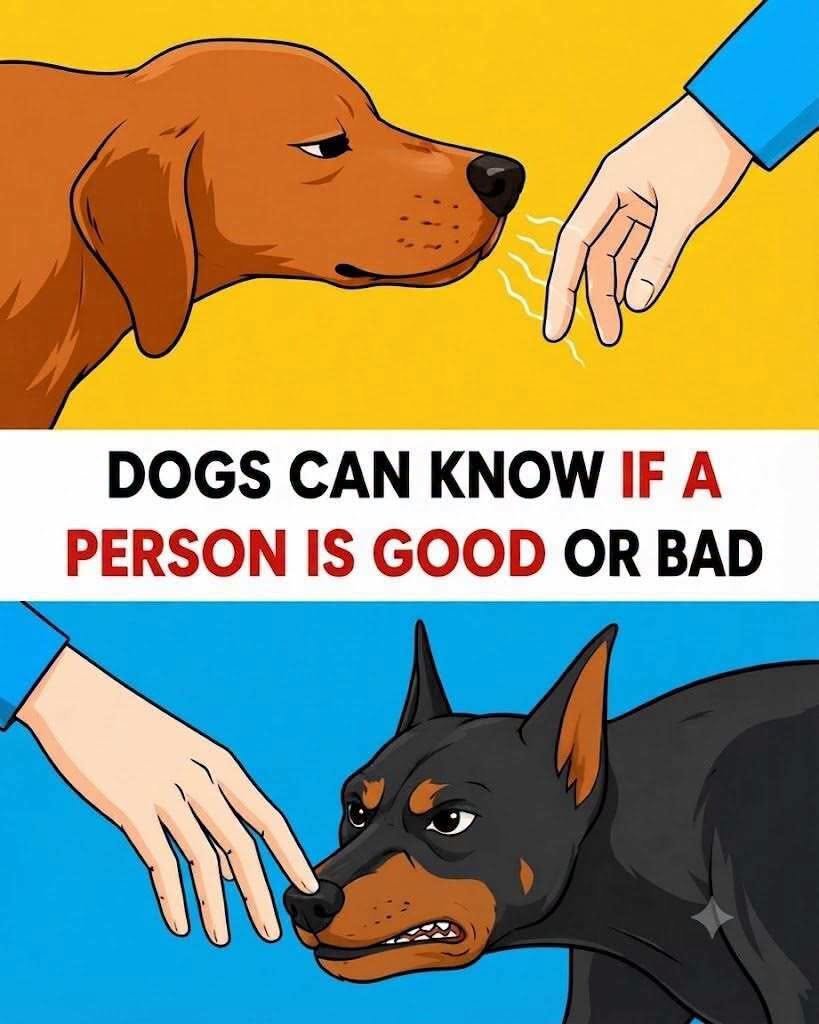
  • Dogs often appear remarkably perceptive around people, which has led to the popular belief that they can instantly recognize whether someone is “good” or “bad.” There is some truth behind their impressive ability to notice human behavior, but it is more accurate to say that dogs respond to observable signals rather than moral character. Dogs have highly developed senses of smell and hearing, along with an ability to notice body language, facial expressions, voice tone, movement, and changes in human behavior. A dog may become relaxed around one person while remaining cautious around another because of previous experiences, unfamiliar movements, nervousness, posture, or the way that person approaches it. These reactions can sometimes seem like a supernatural ability to judge character, but animal behavior research generally offers more practical explanations.

    Dogs often appear remarkably perceptive around people, which has led to the popular belief that they can instantly recognize whether someone is “good” or “bad.” There is some truth behind their impressive ability to notice human behavior, but it is more accurate to say that dogs respond to observable signals rather than moral character. Dogs have highly developed senses of smell and hearing, along with an ability to notice body language, facial expressions, voice tone, movement, and changes in human behavior. A dog may become relaxed around one person while remaining cautious around another because of previous experiences, unfamiliar movements, nervousness, posture, or the way that person approaches it. These reactions can sometimes seem like a supernatural ability to judge character, but animal behavior research generally offers more practical explanations.

    A dog’s reaction to a particular person can be influenced by many factors. Someone wearing a hat, carrying an unusual object, speaking loudly, moving quickly, or behaving nervously may appear threatening to a dog even when that person has completely harmless intentions. Dogs can also form associations based on previous experiences. If a person resembles someone connected with a negative experience, a dog may react cautiously even though there is nothing objectively dangerous about the new individual. On the other hand, dogs may approach people who use calm voices, gentle movements, and familiar social signals. Their extraordinary sense of smell may also allow them to detect physiological changes that humans cannot easily notice, but this should not be confused with an ability to determine whether someone is morally good or evil. A dog’s behavior can provide useful information about how comfortable it feels, but it cannot reliably serve as a character test.

    The healthiest approach is to treat a dog’s reaction as a signal worth observing, not proof of someone’s personality or intentions. If a dog consistently becomes fearful or aggressive around a particular situation, owners should pay attention to the animal’s safety and investigate possible triggers without immediately accusing anyone of wrongdoing. Likewise, people should never approach an unfamiliar dog simply because it appears friendly. Respecting the animal’s boundaries, asking the owner for permission, and watching its body language are safer practices. Dogs can be remarkably sensitive companions, but their instincts are not a substitute for evidence when making judgments about other people. Disclaimer: This article provides general informational content about canine behavior and does not establish that dogs can accurately determine whether a person is morally good or bad. Individual dogs can react differently based on training, genetics, experiences, environment, and health. For concerns about unusual aggression or behavior, consult a qualified veterinarian or certified animal-behavior professional.

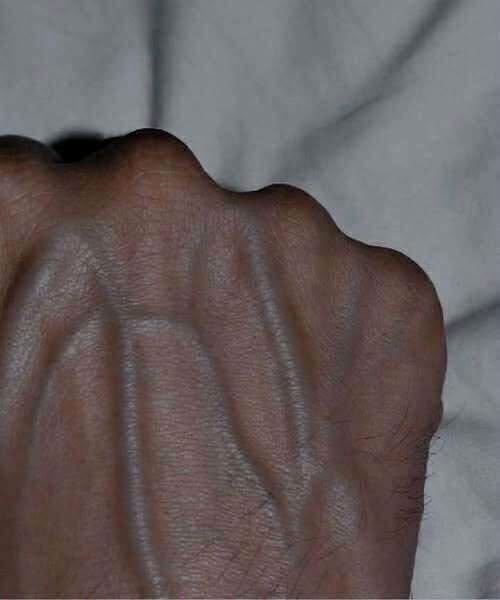
  • Visible veins on the hands can look alarming, particularly when they suddenly become more noticeable, but prominent hand veins are not, by themselves, a reliable sign of cancer. Veins can naturally become easier to see because the skin on the hands is relatively thin, and their visibility may increase with age, lower body fat, genetics, exercise, heat, dehydration, or changes in blood flow. Physical activity can temporarily make veins appear more prominent because blood vessels expand as circulation increases. Warm temperatures can have a similar effect. For many healthy people, visible veins are simply a normal feature of their anatomy and do not indicate an underlying disease. However, a noticeable change that is new, persistent, or accompanied by other symptoms deserves attention rather than being automatically dismissed or attributed to cancer.

    Visible veins on the hands can look alarming, particularly when they suddenly become more noticeable, but prominent hand veins are not, by themselves, a reliable sign of cancer. Veins can naturally become easier to see because the skin on the hands is relatively thin, and their visibility may increase with age, lower body fat, genetics, exercise, heat, dehydration, or changes in blood flow. Physical activity can temporarily make veins appear more prominent because blood vessels expand as circulation increases. Warm temperatures can have a similar effect. For many healthy people, visible veins are simply a normal feature of their anatomy and do not indicate an underlying disease. However, a noticeable change that is new, persistent, or accompanied by other symptoms deserves attention rather than being automatically dismissed or attributed to cancer.

    There are situations in which prominent veins may warrant medical evaluation, particularly if the change occurs suddenly or affects only one hand or arm. Symptoms such as swelling, significant pain, redness, warmth, tenderness, skin discoloration, or a noticeable difference between the two limbs can sometimes indicate a circulation problem or another medical condition. Enlarged veins may also occur when blood flow is affected by inflammation, an obstruction, or pressure on a blood vessel. These possibilities are not the same as cancer, and only an appropriate medical assessment can determine the cause. If prominent veins appear together with severe swelling, chest pain, difficulty breathing, fainting, or other potentially serious symptoms, urgent medical attention is appropriate. A healthcare professional may examine the affected area and, when necessary, order tests to determine whether there is a vascular or other underlying issue.

    The most important takeaway is that visible hand veins alone should not be used to diagnose cancer. Viral health posts often turn common physical features into frightening warning signs, but a single symptom rarely provides enough information to establish a diagnosis. Instead of becoming anxious based on an online claim, pay attention to whether the change is new, persistent, worsening, or associated with other symptoms. Keeping track of changes and discussing concerns with a qualified healthcare professional can provide much more reliable guidance than social-media speculation. Disclaimer: This article is for general educational purposes and does not diagnose cancer or any other medical condition. Prominent veins can have many harmless causes, but unusual or concerning changes should be evaluated by a qualified healthcare professional. Do not rely on this article or viral health claims to make medical decisions; verify health information through reliable medical sources.

  • Finding an unfamiliar object under a child’s or teenager’s bed can be surprisingly unsettling, especially when you discover it unexpectedly while cleaning. At first glance, an unknown item may look mysterious simply because it has been separated from its original purpose or packaging. Household objects, hobby supplies, pieces of furniture hardware, electronic accessories, toys, craft materials, and small tools can all end up in places where they are difficult to identify later. Without seeing the actual object, however, it would be impossible to determine exactly what it is. Important clues include its size, shape, material, color, markings, moving parts, and whether it connects to another object. A clear photograph from several angles can often provide far more information than a written description alone and may help someone with relevant knowledge recognize it.

    Finding an unfamiliar object under a child’s or teenager’s bed can be surprisingly unsettling, especially when you discover it unexpectedly while cleaning. At first glance, an unknown item may look mysterious simply because it has been separated from its original purpose or packaging. Household objects, hobby supplies, pieces of furniture hardware, electronic accessories, toys, craft materials, and small tools can all end up in places where they are difficult to identify later. Without seeing the actual object, however, it would be impossible to determine exactly what it is. Important clues include its size, shape, material, color, markings, moving parts, and whether it connects to another object. A clear photograph from several angles can often provide far more information than a written description alone and may help someone with relevant knowledge recognize it.

    Before handling an unfamiliar object further, especially one found in a child’s room, it is sensible to approach it carefully. Do not immediately dismantle, open, cut, heat, or plug an unknown item into an electrical outlet. If it appears sharp, damaged, leaking, unusually heavy, chemically stained, or connected to batteries or wires, keep it away from children and pets until its purpose is established. You can examine visible labels or markings without forcing anything apart and compare the object’s characteristics with reputable identification resources. If the item appears potentially hazardous, asking a qualified professional for assistance is safer than experimenting with it. It is also important not to jump to conclusions about what your son may have been doing simply because an unfamiliar object was found under his bed. There could be a completely ordinary explanation, and a calm conversation may provide useful context that the object itself cannot.

    Ultimately, identifying a mysterious object is much easier when curiosity is combined with careful observation and reliable information. If you want others to help identify something similar, provide its approximate dimensions, material, location where it was discovered, visible markings, and photographs showing multiple angles. Avoid posting personal information or anything that could identify your child unnecessarily. Most importantly, remember that a viral comment claiming to know the answer is not necessarily correct; several objects can look remarkably similar while having completely different purposes. Disclaimer: This article provides general informational guidance and does not identify the specific object referenced because no photograph or physical description was provided. Online comments and social-media “answers” may be inaccurate. Verify the item’s identity through reliable sources or a qualified professional before using, opening, or otherwise interacting with an unfamiliar object.