Blog

  • The 7-Kilo Baby Who Stunned the World in 1983 — Here’s How He Looks Today

    The 7-Kilo Baby Who Stunned the World in 1983 — Here’s How He Looks Today

    In 1983, Kevin Robert Clark became the subject of international fascination after reportedly weighing about 7 kilograms (roughly 15.4 pounds) at birth in New Jersey. Contemporary reports described him as extraordinarily large for a newborn, and his unusual size continued to attract attention as he grew. A later Newsner report states that Kevin was born to Patricia Clarke, that ordinary newborn clothing and equipment did not fit him, and that he continued growing rapidly throughout childhood. By age 12, the report says he was around 1.70 meters tall, while during adolescence he approached 1.95 meters. His extraordinary birth weight made him a memorable curiosity, but his family reportedly wanted people to remember that behind the remarkable statistic was simply a healthy child growing up.

    As Kevin got older, his height became just as remarkable as his birth weight. The same report says he eventually reached approximately 2.06 meters (6 feet 9 inches), meaning that strangers frequently noticed him and asked questions about his height. He reportedly responded to the constant attention with humor, even joking about the predictable basketball questions. His unusual size also created practical challenges that most people never consider, including finding appropriately sized clothes, shoes, furniture, vehicles, and other everyday items. Yet the story is ultimately less about a measurement and more about adapting to a physical characteristic that he never chose. What began as worldwide fascination with a giant newborn eventually became the ordinary reality of a man learning to live comfortably in a world designed largely around average body sizes.

    The viral headline says “this is how he looks today, at the age of 40,” but that wording needs some caution. The better-documented article I found was published in 2019 and described Kevin as 38 at that time, while a newer 2026 website repeats the story but adds a long, highly embellished narrative that is not independently substantiated. So the safest takeaway is that Kevin really was reported as an exceptionally large baby born in 1983, and later reports documented his extraordinary adult height—but claims about his exact current age, appearance, lifestyle, or personal experiences should be independently verified. Disclaimer: This article is based on publicly available reports and does not claim to verify every detail of the viral story. Birth weight, height, photographs, and personal-life claims should be checked against reliable primary or reputable news sources before being presented as confirmed facts.
  • This Is One of Those Moments That’s Hard to Forget

    This Is One of Those Moments That’s Hard to Forget

    Some moments stay with us long after they happen. They may last only a few seconds, yet the emotions they create can remain for years. A surprising reunion, an unexpected act of kindness, a difficult goodbye, or a simple conversation at exactly the right moment can become a memory that never truly fades. These experiences remind us that life is often shaped not only by major events, but also by small moments that catch us completely off guard. Sometimes, we don’t realize how meaningful a moment is until we look back on it later and understand how much it changed the way we think, feel, or see another person.

    What makes certain memories so powerful is the emotion attached to them. Happiness, grief, relief, love, gratitude, surprise, and even regret can make an experience particularly memorable. Our minds naturally tend to hold onto emotionally significant events, which is why a single conversation or photograph can sometimes bring back an entire chapter of life. A meaningful moment may also remind us of people who influenced us, opportunities we almost missed, or choices that changed our direction. Even when circumstances eventually move on, the lesson or feeling connected to that experience can remain. In this way, unforgettable moments can become part of the personal stories we carry with us.

    Perhaps the most important lesson is to pay attention to the moments happening right now. We often assume the most memorable experiences will be dramatic, but sometimes they are surprisingly ordinary: sitting with family, hearing from an old friend, watching someone achieve a long-awaited goal, or receiving kindness when we need it most. Life moves quickly, and many moments cannot be repeated exactly the same way. Taking photographs, expressing gratitude, saying what matters, and appreciating the people around us can help us recognize the value of the present before it becomes a memory. Disclaimer: This article is intended for general inspirational and educational purposes. Individual emotional experiences vary, and the psychological explanations described here should not be considered a diagnosis or professional mental-health advice. Verify specific psychological claims through reliable sources when necessary.

  • My Son Ran Away From Home on His 18th Birthday — Six Years Later, He Came Back With One Demand

    My Son Ran Away From Home on His 18th Birthday — Six Years Later, He Came Back With One Demand

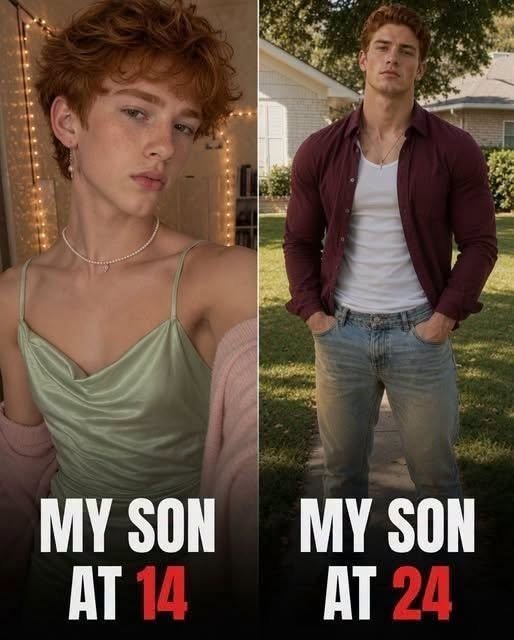
    For years, the mother in this emotional story believed she and her son had a close relationship built on love and acceptance. After losing her first husband while their son was still young, she raised him largely on her own and tried to give him the freedom to discover who he was. As he grew older, she noticed that he enjoyed experimenting with makeup and later purchased traditionally feminine clothing with his own money. Although she was initially surprised, she decided that her love for her child would not depend on his appearance or interests. Everything changed after she remarried. Her new husband, a former military man with very traditional views about masculinity, reportedly criticized the boy repeatedly and demanded that he behave according to his definition of what a “real man” should be. The tension reportedly continued for years, with the mother repeatedly caught between protecting her son and attempting to maintain peace in the household.

    The situation allegedly reached a breaking point during the son’s 18th birthday dinner, when his stepfather criticized his clothing and told him that he would only deserve respect if he changed the way he dressed, joined the Army, and behaved differently. That night, the young man reportedly packed a bag, left a brief note, and walked away from the home. Because he was already legally an adult, his mother could not simply force him to return, and the family eventually had to accept that he had chosen to leave. Six years later, however, the unexpected knock at the door changed everything. The mother opened it to find her son standing there as an adult. He appeared physically different and carried himself with a confidence she had never seen before. Overwhelmed with emotion, she tried to embrace him, but he stepped back and calmly told her, “Not yet.” Instead of immediately reconnecting, he reportedly pointed toward his stepfather and said that before anything else happened, the man needed to finally tell her the truth.

    The most powerful part of the story is not the dramatic reunion itself, but the question of what happened during those six missing years and what truth the stepfather may have been hiding. The story suggests that the son may have returned not simply for an emotional reunion, but because he wanted his mother to understand what had happened after he left. It also raises difficult questions about acceptance, family pressure, identity, and the lasting impact that harsh words can have on a young person. A parent may believe that criticism is discipline, while a child may experience the same behavior as rejection. Healthy families do not have to agree about everything, but respect, safety, communication, and unconditional love can make an enormous difference. Disclaimer: This article is based on the story provided in the prompt and has not been independently verified as a real-life event. The identities, dialogue, six-year timeline, and alleged hidden truth should therefore be treated as narrative details rather than confirmed facts. Readers should verify viral or emotionally charged stories through reliable sources before sharing them as factual accounts.

  • Gone Far Too Soon: Actor Dies at 39 — What We Know About the Tragic Story

    Gone Far Too Soon: Actor Dies at 39 — What We Know About the Tragic Story

    A headline claiming that a beloved NBC and CBS actor died at just 39 is circulating online, but the wording appears to combine or obscure details from different celebrity-death stories. One well-documented actor who died at 39 was Michelle Trachtenberg, known for Buffy the Vampire Slayer and Gossip Girl. CBS News reported that she died on February 26, 2025, at her Manhattan home at age 39, with police initially saying her death was not considered suspicious. Another actor who died at 39 was Darren Kent, known for Game of Thrones and Dungeons & Dragons: Honor Among Thieves, although his death occurred in 2023. These examples show why sensational headlines should be checked carefully before assuming they refer to a particular person.

    Trachtenberg’s death received widespread attention because she had worked professionally since childhood and became recognizable through several television and film roles. CBS News reported that she began acting in commercials as a young child, later appearing in The Adventures of Pete & Pete, Harriet the Spy, Buffy the Vampire Slayer, Gossip Girl, House, and NCIS: Los Angeles. Her death initially left the cause undetermined while the medical examiner investigated. Later reporting stated that her official cause of death was diabetes mellitus complications, classified as natural causes. The important lesson is that social-media headlines can dramatically simplify complicated medical circumstances. A person’s death at a young age does not by itself establish a particular cause, and claims about “tragic details” should be supported by statements from family members, authorities, medical examiners, or reputable news organizations.

    The entertainment industry has seen several heartbreaking losses involving performers who died far younger than expected, which is why these stories can quickly generate emotional reactions from fans. But when a viral post does not clearly identify the actor, it is better to verify the name before sharing claims about the person’s career or cause of death. In this case, the available evidence does not establish that the exact “NBC & CBS actor dies at 39” headline refers to one specific performer; the wording itself is being circulated on social media without enough reliable context. Disclaimer: This article is for general informational purposes only. The viral headline provided does not clearly identify the actor, and its specific claims should not be treated as confirmed without reliable supporting sources. Death announcements and causes of death should always be verified through reputable news organizations, official statements, or medical-authority records before being shared as fact.

  • My Brother Took This Photo Only 21 km From Our House — But Everyone Missed the Most Important Detail

    My Brother Took This Photo Only 21 km From Our House — But Everyone Missed the Most Important Detail

    A photograph taken close to home can seem completely ordinary at first glance, yet sometimes a tiny detail hidden in the background changes the entire story. This is exactly why “spot the detail” photographs become so popular online. Viewers may immediately focus on the person, animal, landscape, or unusual object in the center of the image while overlooking something much smaller. It could be an unexpected animal, a reflection, a shadow, a damaged structure, a distant object, or even something unusual in the surrounding environment. When a photo is shared without explaining what viewers should look for, people naturally begin examining every corner of the image and creating their own theories about what they have discovered.

    The claim that the photograph was taken only 21 kilometers from the family’s home makes the mystery even more intriguing because distance can change how people interpret an image. If the picture shows wildlife, for example, viewers may wonder whether the animal is actually common in that region or whether it has appeared unusually close to populated areas. If it shows an unfamiliar object or structure, people may start asking when it was placed there and why nobody noticed it before. But a viral caption alone cannot establish what the “most important detail” really is. Photographs can also be misleading because perspective, shadows, reflections, image compression, and cropping can make ordinary objects appear mysterious. The safest approach is to inspect the original, high-resolution photograph and compare any unusual claim with reliable information about the location.

    That is what makes these photographs so entertaining: sometimes the detail everyone missed is hiding in plain sight. Before accepting a dramatic explanation, zoom in carefully, check the background, look for reflections and shadows, and consider whether the object has a simple explanation. If the image involves wildlife, unusual geography, or a potentially dangerous situation, identification should come from a reliable expert rather than social-media speculation. Without the actual photograph, it is impossible to know what the “most important detail” in this particular story is, so any specific identification would simply be a guess. Disclaimer: This article is based on the wording of a viral-style social-media caption, and the photograph, location, and alleged hidden detail have not been independently verified. Readers should examine the original image and confirm extraordinary claims through reliable sources before sharing them as factual information.

  • Snake Bite — Don’t Panic, Do the Following

    Snake Bite — Don’t Panic, Do the Following

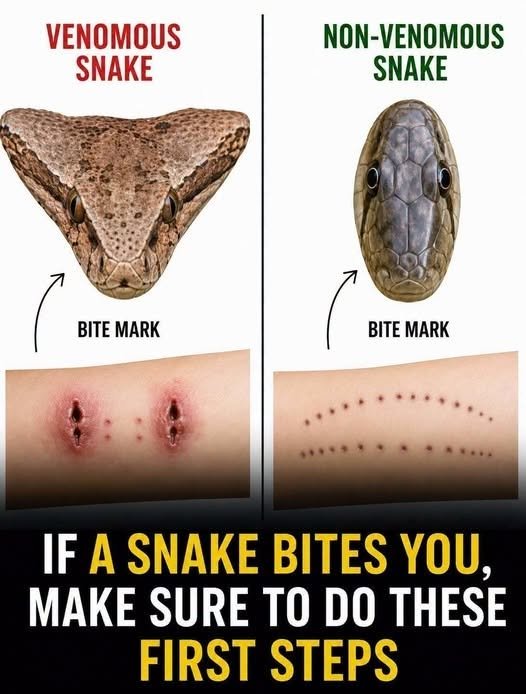
    A snake bite should always be treated as a medical emergency, particularly in areas where venomous snakes are present. The most important thing is to stay as calm and still as possible and arrange emergency medical care immediately. Move away from the snake to prevent another bite, keep the affected person as still as practical, and remove rings, watches, bracelets, or tight clothing near the bitten area because swelling may develop. If possible, remember the snake’s appearance from a safe distance, but do not try to catch, kill, or handle it. The World Health Organization emphasizes that rapid access to appropriate medical care and antivenom, when indicated, is essential for serious snake envenoming. (who.int)

    There are several things you should not do after a suspected venomous snake bite. Do not cut the wound, attempt to suck out venom, apply ice, burn the area, or use electric shocks. Do not apply a traditional tourniquet or tightly tie something around the limb unless specifically instructed by trained medical professionals, because inappropriate techniques can cause additional tissue damage. Avoid alcohol and unnecessary medications or home remedies. The Centers for Disease Control and Prevention recommends seeking medical attention as quickly as possible and specifically advises against trying to capture the snake. (cdc.gov) Do not wait for symptoms to appear before seeking help; some dangerous effects may take time to develop, and a person can initially appear relatively well.

    While waiting for professional assistance, keep the person calm and as still as possible and follow instructions from local emergency medical services. Watch for difficulty breathing, weakness, swelling, vomiting, vision changes, drooping eyelids, bleeding, severe pain, or loss of consciousness. If the person becomes unconscious and is not breathing normally, someone trained in first aid or CPR should provide appropriate resuscitation while emergency help is being obtained. Treatment depends on the snake species and the type and severity of envenoming, and antivenom is the specific treatment for serious venomous snakebite when clinically indicated. (who.int) Disclaimer: This article is for general emergency first-aid information only and is not a substitute for professional medical care. A suspected venomous snake bite requires urgent medical evaluation even when symptoms initially appear mild. Always follow local emergency-service instructions and guidance from qualified healthcare professionals.

  • Warning! If You’ve Spotted This Insect in Your House, Here’s What You Should Do

    Warning! If You’ve Spotted This Insect in Your House, Here’s What You Should Do

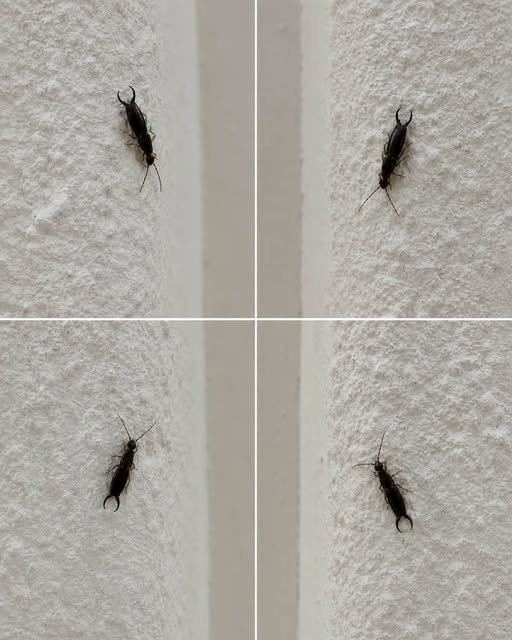
    Finding an unfamiliar insect inside your home can immediately make you wonder whether it signals a hidden problem. In reality, the meaning depends heavily on the species and the conditions around your home. Insects may enter because they are attracted to food, moisture, warmth, light, plants, or shelter. Some, such as ants, may indicate an accessible food or water source, while silverfish are commonly associated with damp, humid environments. Other insects may simply wander indoors through doors, windows, cracks, or ventilation openings. Therefore, seeing one insect does not automatically mean your home has a serious infestation. The most useful first step is to identify what you are actually seeing rather than relying on a frightening viral caption.

    If you notice several insects repeatedly appearing in the same area, investigate the surrounding environment. Check for leaking pipes, condensation, standing water, overflowing bins, crumbs, improperly stored food, damaged window screens, and gaps around doors or walls. Moisture is particularly important because many household pests thrive in humid conditions. Improving ventilation, repairing leaks, keeping food sealed, cleaning surfaces regularly, and removing unnecessary clutter can make your home less attractive to many common pests. Avoid randomly spraying pesticides without knowing the species, because some chemicals can be harmful when used incorrectly and may not address the source of the problem. If you can safely photograph the insect, an accurate identification can make choosing the appropriate control method much easier.

    The phrase “you need to…” in viral pest warnings is often followed by an exaggerated claim, such as immediately leaving the house or assuming the insect indicates a dangerous disease. Don’t panic based on appearance alone. Some insects are harmless, while others can damage food, clothing, wood, or property, and a small number can bite or sting. If you encounter a large infestation, aggressive or stinging insects, structural damage, or pests that continue returning despite cleaning and moisture control, consider contacting a qualified pest-control professional. Disclaimer: This article is for general educational and household information only and does not identify the insect shown in the original headline because no photograph or species information was provided. The appropriate response depends on the insect and the conditions in the home. Always verify pest-identification and pesticide advice through reliable sources or a qualified professional before taking action.

  • I’m Tired of Learning Things I Feel Like I Should Already Know — So What Is This Gap For?

    I’m Tired of Learning Things I Feel Like I Should Already Know — So What Is This Gap For?

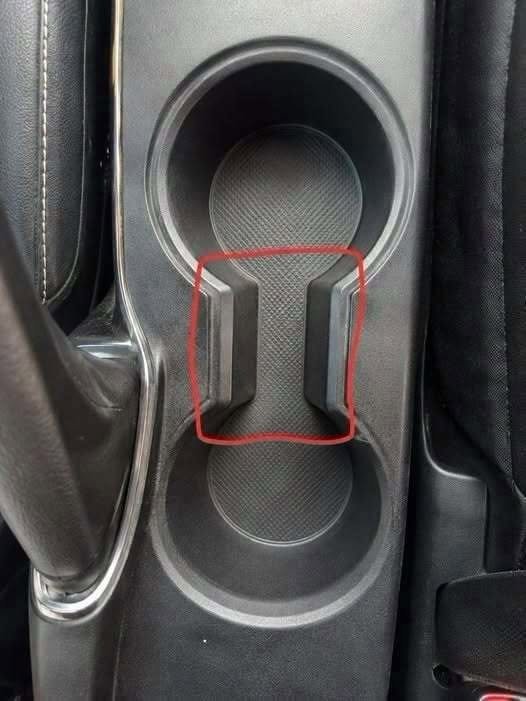
    If you’re looking at a familiar everyday object and suddenly wondering, “What is that gap actually for?”, you’re definitely not alone. Small gaps, slots, holes, and spaces are often designed for practical reasons that aren’t obvious until someone explains them. The exact purpose depends on the object, but a gap may be intended to provide ventilation, allow movement, accommodate expansion, prevent damage, improve grip, or make manufacturing easier. In some cases, the space is deliberately built into a product because materials can shift slightly with temperature, pressure, or movement. Other times, it may help protect a component from being squeezed or damaged during everyday use. What looks like wasted space can therefore have a surprisingly functional purpose.

    The funny thing about these details is that we often use objects correctly without ever knowing why they were designed that way. Packaging, kitchen tools, furniture, vehicles, electronics, clothing, and household equipment are full of little design decisions that most people never question. For example, engineers routinely use gaps and clearances to prevent moving parts from rubbing against one another or to allow materials to expand and contract. Even a seemingly unnecessary opening can have a role in protecting the product, improving performance, or simplifying assembly. That is why guessing from appearance alone can sometimes lead to funny but completely incorrect answers. Viral “what is this gap for?” posts are popular precisely because they turn ordinary objects into little engineering puzzles.

    So, are you finally ready to discover the answer? Send me the picture of the object containing the gap, and I can identify what it is and explain exactly what that space is designed to do. Without seeing the object, there simply isn’t enough information to give a reliable identification—especially because the same type of gap can serve completely different purposes in different products. And that’s actually the fun part: sometimes the thing we thought was obvious turns out to have a clever bit of engineering behind it. Disclaimer: The purpose of a gap cannot be reliably determined from the caption alone. The explanation should be based on the specific object, its design, and reliable technical information rather than an unverified viral claim. (reddit.com)

  • This Mysterious Chunk of Steel Is Stumping Everyone — But What Is It Really For?

    This Mysterious Chunk of Steel Is Stumping Everyone — But What Is It Really For?

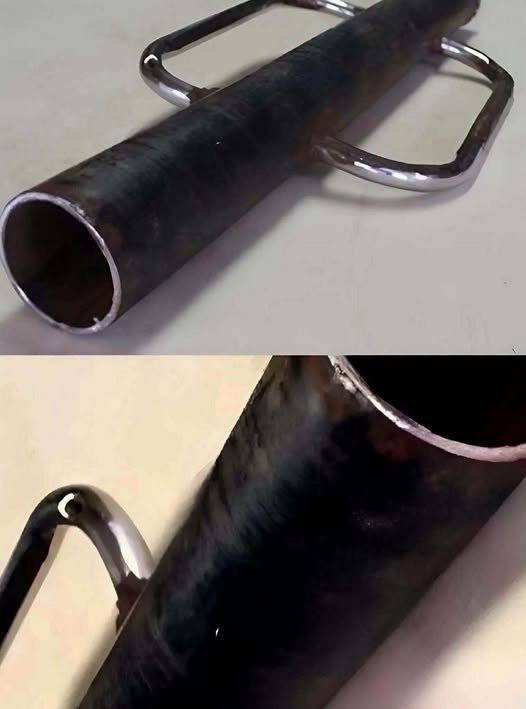
    A strange piece of metal can look completely ordinary while having a surprisingly specific purpose. Online posts often turn unidentified metal objects into viral “99% of people have no idea” puzzles, but the exact identity of the object cannot be established from the headline alone. Shape, dimensions, markings, weight, and where the object was discovered are usually essential clues. A simple chunk of steel could be part of industrial equipment, an old machine component, a construction tool, a counterweight, or even a specialized piece of hardware that looks mysterious when separated from the larger device it belonged to. This is why experienced collectors and engineers generally avoid identifying an unfamiliar object with certainty based only on its appearance.

    The fascination comes from realizing how many everyday tools and mechanical components are designed for very specific jobs. A seemingly useless metal block may have been created to provide strength, weight, alignment, protection, heat resistance, or mechanical leverage. Some components are deliberately heavy because their mass helps stabilize machinery, absorb vibration, or counterbalance moving parts. Others may look incomplete because they were manufactured as one section of a much larger assembly. Without reliable information about the object’s origin, it would be misleading to claim that it has a secret or extraordinary purpose. Similar viral “mystery object” stories have repeatedly demonstrated why photographs can be deceptive and why identification sometimes requires comparison with known tools, machinery, or historical artifacts.

    So, are you really part of the “1%” who can identify it? Maybe—but the best answer should come from evidence rather than a guess. If you have the original photograph of the mysterious steel object, details such as its size compared with a familiar item, visible holes or threads, unusual edges, markings, and the location where it was found can dramatically narrow down the possibilities. Reverse-image searching and consultation with knowledgeable engineering, antique-tool, or industrial-equipment communities can also help establish what the object actually is. Disclaimer: The viral claim that 99% of people cannot identify the object is not independently verified, and the exact purpose of the steel object cannot be confirmed from the headline alone. Always verify unusual “mystery object” claims through reliable sources or provide the original image and context before treating an identification as factual.

  • A Woman’s Legs Can Tell You More About Her Health Than You Might Think

    A Woman’s Legs Can Tell You More About Her Health Than You Might Think

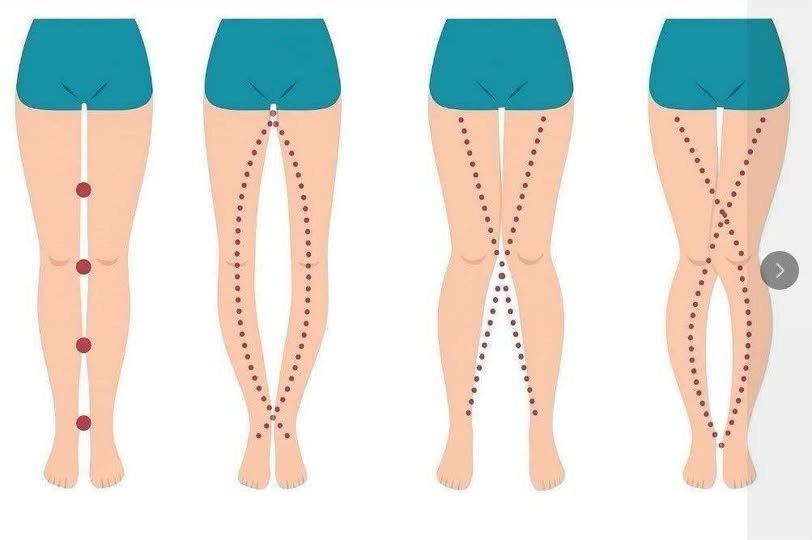
    A woman’s legs can sometimes provide useful clues about her overall health, although they cannot reveal a person’s personality, fertility, sexual history, or relationship status. Changes in the legs may reflect circulation, muscle strength, skin health, fluid balance, or other medical factors. For example, persistent swelling around the ankles or lower legs can sometimes be associated with prolonged standing, certain medications, vein problems, or conditions affecting the heart, kidneys, or liver. (nhs.uk) Visible varicose veins may occur when veins have difficulty returning blood efficiently to the heart, while sudden swelling affecting only one leg can have a different and potentially more urgent cause. (nhs.uk) These signs should therefore be viewed as possible health clues rather than definitive diagnoses.

    The strength and function of the legs can also tell us something about physical health. Muscle strength naturally changes with age, but maintaining lower-body strength is important for mobility, balance, and independence. Regular activities such as walking, climbing stairs, cycling, and appropriately designed strength exercises can help maintain muscle function. (cdc.gov) Skin changes can also deserve attention. Persistent discoloration, sores that do not heal, unusual warmth, severe dryness, or changes in sensation may sometimes indicate circulation or nerve-related problems. People with diabetes, for example, need to pay particular attention to their feet and lower limbs because nerve damage and reduced circulation can increase the risk of injuries and slow healing. (cdc.gov)

    One important warning sign is sudden swelling, pain, warmth, or redness in one leg, especially when it develops without an obvious injury. These symptoms can occur with deep-vein thrombosis (DVT), a blood clot that requires prompt medical assessment. (nhs.uk) If leg swelling is accompanied by sudden chest pain, difficulty breathing, or coughing up blood, emergency medical care is necessary because a clot can travel to the lungs. Otherwise, persistent or unexplained leg changes should be discussed with a healthcare professional rather than interpreted from appearance alone. Disclaimer: This article is for general educational and health information only and does not constitute medical diagnosis or personalized advice. The appearance or shape of a woman’s legs cannot reliably reveal her character, sexual history, fertility, or other personal traits. Always verify health claims through reliable medical sources and consult a qualified healthcare professional about new, persistent, painful, or sudden changes in the legs.