Blog

  • See This Sign on Your Body? You May Need Medical Attention Immediately

    See This Sign on Your Body? You May Need Medical Attention Immediately

    Some sudden changes in the body should never be dismissed, especially when they appear unexpectedly or are accompanied by other symptoms. One of the most important examples is a sudden change affecting the face, arm, speech, vision, or balance. A drooping face, weakness or numbness on one side of the body, difficulty speaking, sudden vision problems, or trouble walking can be warning signs of a stroke. Even if these symptoms disappear after a few minutes, urgent medical evaluation is still necessary because a transient ischemic attack (TIA) can precede a major stroke. Another emergency warning sign is new or unexplained chest pain or pressure, particularly when accompanied by shortness of breath, sweating, nausea, dizziness, or pain spreading toward the arm, back, neck, or jaw. These symptoms can occur during a heart attack and require emergency medical care.

    Other visible or physical changes can also signal an emergency depending on the circumstances. Sudden swelling of the face, lips, tongue, or throat, especially after eating a food, taking medicine, or being stung by an insect, may indicate a severe allergic reaction called anaphylaxis. Trouble breathing, wheezing, dizziness, fainting, or a rapidly worsening reaction makes this particularly urgent. Likewise, sudden loss of consciousness, severe difficulty breathing, or severe unexplained pain should not be managed by waiting at home. The important point is that a single physical sign rarely provides a diagnosis by itself. What matters is the suddenness, severity, accompanying symptoms, and how quickly the condition is changing. When a potentially life-threatening problem is suspected, getting professional assessment quickly is safer than trying to identify the condition from an online picture or checklist.

    If you notice a sudden facial droop, one-sided weakness, speech difficulty, severe breathing problems, severe chest pain, fainting, or rapidly developing swelling of the face or throat, seek emergency medical help immediately rather than driving yourself or waiting for symptoms to disappear. For suspected stroke, note the time symptoms began because timing can influence treatment options. For a severe allergic reaction, people who have a prescribed epinephrine auto-injector should use it as directed and still receive emergency medical evaluation because symptoms can return. Disclaimer: This article is for general educational information only and does not constitute medical diagnosis, treatment, or personalized advice. A particular body sign can have many possible causes, and only a qualified healthcare professional can determine what is happening. If you are experiencing potentially life-threatening symptoms now, seek emergency medical care immediately rather than relying on online information.


  • 4 Simple Waters That May Help With Kidney Stones Naturally

    4 Simple Waters That May Help With Kidney Stones Naturally

    When kidney stones are the problem, hydration is one of the most important things you can do, but it is important to clarify that no special drink can reliably “dissolve” or cure every kidney stone. Drinking enough fluid—primarily water—helps dilute the urine and may help small stones pass more easily while reducing the concentration of minerals that can form new stones. Four practical choices include 1) plain water, 2) lemon water, 3) lime water, and 4) low-sugar citrus water. Lemon and lime contain citrate, a substance that can help prevent crystals from clumping together. Plain water should remain the foundation because it provides hydration without added sugar or unnecessary calories. The exact amount of fluid needed varies according to your health, climate, activity level, and stone history, so people with kidney or heart problems should ask their healthcare professional before significantly increasing fluid intake.

    Lemon water is one of the simplest options because it combines hydration with naturally occurring citrate. You can squeeze fresh lemon into a glass or bottle of water and drink it throughout the day. Lime water offers a similar approach, while a diluted, low-sugar citrus drink can provide another option for people who struggle to drink enough plain water. However, adding large amounts of sugar is counterproductive for overall health, and commercially prepared sweetened drinks should not be treated as kidney-stone remedies. It is also important to know what type of stone you have. Calcium oxalate, calcium phosphate, uric acid, and cystine stones can have different dietary considerations, including differences in sodium, animal protein, calcium, and oxalate intake. Your doctor or a registered dietitian can help tailor your diet after identifying the type of stone.

    If you already have a kidney stone, do not depend on drinks alone. Small stones may sometimes pass without procedures, but larger stones or stones that block urine flow can require medical treatment. Seek prompt medical care if you have severe or persistent pain, blood in your urine, fever or chills, repeated vomiting, difficulty urinating, or signs of infection. For prevention, reducing excess sodium, maintaining appropriate dietary calcium, moderating animal protein when advised, and staying well hydrated can be more important than searching for a “miracle” beverage. Disclaimer: This article is for general educational and nutritional information only and does not constitute medical diagnosis, treatment, or personalized medical advice. Lemon, lime, or other waters may support hydration and stone prevention but should not be considered a guaranteed natural treatment or substitute for medical care. Always verify health information through reliable sources and consult a qualified healthcare professional about kidney stones, especially if symptoms are severe or persistent.

  • The First Food You Eat in the Morning Can Influence Your Digestive Health

    The First Food You Eat in the Morning Can Influence Your Digestive Health

    What you eat in the morning can influence how much fiber, protein, healthy fats, and other nutrients you consume throughout the day, which can affect digestive comfort and regularity. A breakfast built around whole foods—such as oatmeal topped with berries and nuts, eggs with vegetables and whole-grain toast, or plain yogurt with fruit and seeds—can provide a useful combination of protein and fiber. Fiber is especially important because it helps add bulk to stool, supports regular bowel movements, and provides fuel for beneficial gut bacteria. However, there is no single “perfect” first food for everyone. Your digestive system, food tolerances, medical conditions, and overall eating pattern all matter more than one particular breakfast.

    For better digestive support, consider starting the day with fiber-rich plant foods and adequate fluids. Oats, whole grains, fruits, vegetables, beans, nuts, and seeds are practical sources of dietary fiber. Harvard Health notes that soluble fiber can slow digestion and help with fullness, while insoluble fiber helps food move through the digestive tract and promotes regularity. If you are increasing fiber, do it gradually and drink enough fluids, because suddenly consuming large amounts can cause gas, bloating, abdominal cramps, or changes in bowel habits. On the other hand, breakfasts dominated by highly refined carbohydrates and added sugars may provide less fiber and may be less satisfying than a balanced meal containing whole grains, fruit, vegetables, and protein.

    The most important lesson is that one breakfast cannot “repair” or detox your digestive system. Long-term eating habits matter much more than a single meal. If you regularly experience constipation, diarrhea, severe bloating, abdominal pain, heartburn, vomiting, blood in your stool, or unexplained weight loss, don’t assume your breakfast is the cause—persistent digestive symptoms deserve professional evaluation. A simple morning meal such as oatmeal with fruit and nuts, or eggs with vegetables and whole-grain toast, can be a nutritious starting point for many people, but individual needs vary. Disclaimer: This article is for general educational and nutritional information only and does not constitute medical diagnosis, treatment, or personalized dietary advice. There is no universally ideal first food, and digestive symptoms can have many causes. Always verify important health information through reliable sources and consult a qualified healthcare professional about persistent or concerning digestive problems.

  • The Truth About Peanuts Is More Interesting Than You Think—See More Below

    The Truth About Peanuts Is More Interesting Than You Think—See More Below

    Peanuts may look like a simple snack, but they are actually a nutrient-rich legume that can provide protein, unsaturated fats, fiber, and several vitamins and minerals. Research examining nuts and peanuts has found associations between regular consumption and favorable cardiovascular outcomes, particularly when they are included as part of an overall balanced diet. (nesr.usda.gov) Peanuts can also be surprisingly filling because they combine protein, fat, and fiber, making a modest serving a practical alternative to many highly processed snacks. However, preparation matters: plain or lightly roasted, unsalted peanuts are nutritionally different from heavily salted peanuts, candy-coated varieties, or peanut products containing large amounts of added sugar and unhealthy fats.

    One of the most important facts about peanuts is that they can cause a serious food allergy in susceptible people. Peanut allergy can produce symptoms ranging from hives, swelling, and stomach problems to potentially life-threatening anaphylaxis. (nih.gov) Interestingly, research has also shown that introducing peanut-containing foods during infancy, when appropriate and according to established guidance, can substantially reduce the likelihood of developing peanut allergy later in childhood. NIH-supported research found that early regular peanut consumption reduced adolescent peanut-allergy risk by about 71% compared with avoidance. (nih.gov) This prevention strategy is different from treating an existing allergy, however, and parents of infants at high risk should consult a healthcare professional before introducing peanut products.

    There is another lesser-known food-safety issue: peanuts can potentially be contaminated with aflatoxins, toxins produced by certain molds. Aflatoxins can be harmful at sufficiently high or prolonged exposure, which is why food-safety authorities monitor susceptible foods. (fda.gov) Consumers can reduce risk by purchasing peanuts from reputable sources and discarding nuts that look moldy, discolored, or unusually shriveled. (medlineplus.gov) For most people without a peanut allergy, a moderate serving of quality peanuts can be a nutritious addition to a balanced diet. Disclaimer: This article is for general educational and nutritional information only and does not constitute medical diagnosis, treatment, or personalized dietary advice. Peanuts offer valuable nutrients but can cause severe allergic reactions in susceptible individuals, and food safety depends on proper storage and sourcing. Always verify important health information through reliable medical sources and consult a qualified healthcare professional about allergies, dietary restrictions, or other health concerns.

  • The Hidden Benefits — and Possible Side Effects — of Eating Pumpkin

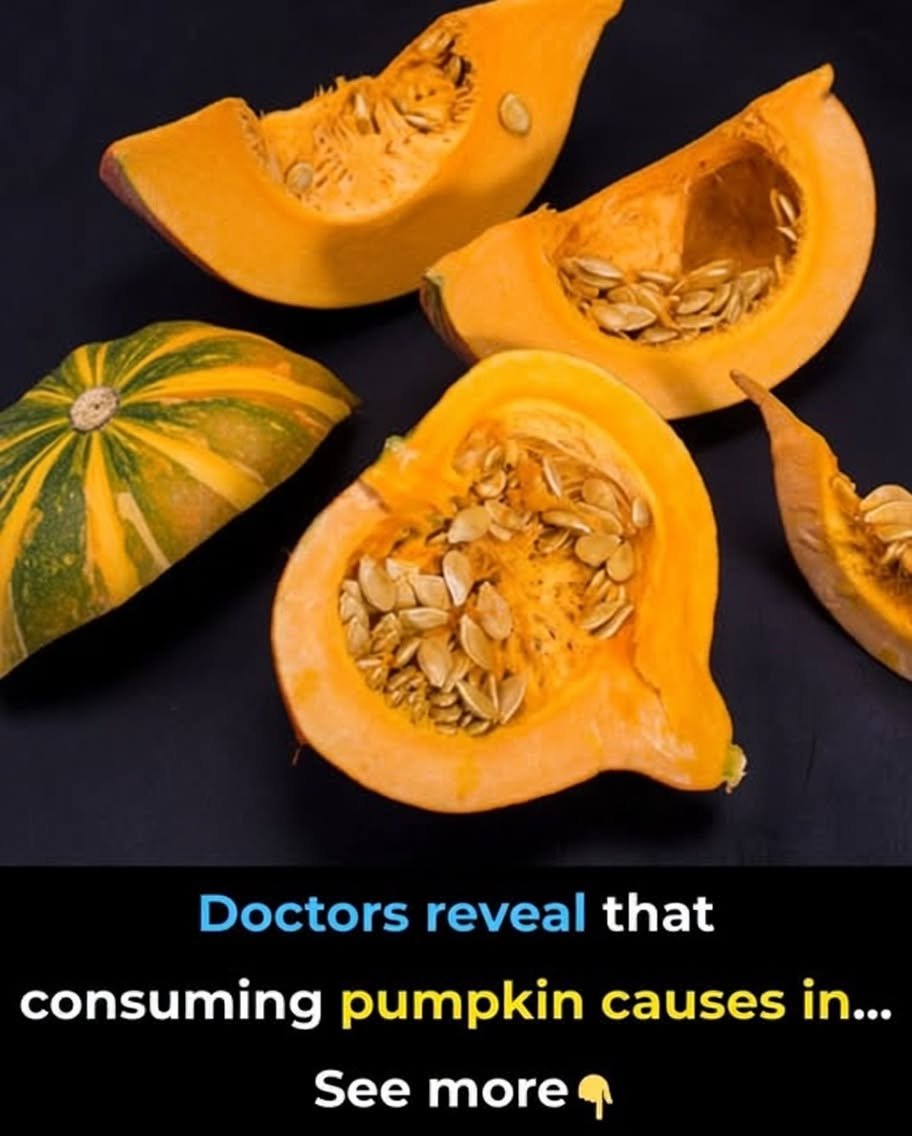
    The Hidden Benefits — and Possible Side Effects — of Eating Pumpkin

    Pumpkin is more than a seasonal ingredient—it is a nutrient-dense, low-calorie food that can fit easily into a balanced diet. One cup of raw pumpkin provides about 30 calories and contains fiber, vitamin C, and other nutrients, while its orange color comes largely from carotenoids such as beta-carotene. (usda.gov) The body can convert beta-carotene into vitamin A, which plays important roles in normal vision, immune function, and healthy tissues. (pmc.ncbi.nlm.nih.gov) Pumpkin also provides potassium, and its seeds contain protein, unsaturated fats, magnesium, zinc, and other minerals. (pubmed.ncbi.nlm.nih.gov) Its fiber content may also help support normal digestion and bowel regularity when consumed as part of an overall fiber-rich diet.

    There are also possible benefits beyond basic nutrition, although some claims require more human research. Pumpkin contains carotenoids, polyphenols, tocopherols, and other plant compounds with antioxidant activity. Research reviews have investigated potential relationships between pumpkin components and metabolic, inflammatory, cardiovascular, and other health outcomes, but promising laboratory or animal findings should not be treated as proof that pumpkin prevents or cures disease. (pubmed.ncbi.nlm.nih.gov) Preparation matters too. Plain roasted, steamed, or cooked pumpkin is nutritionally different from pumpkin pie, sweetened pumpkin desserts, or heavily processed pumpkin drinks, which may contain substantial amounts of added sugar, fat, or calories. Choosing minimally processed pumpkin makes it easier to enjoy its nutritional benefits without turning it into a high-sugar food.

    For most people, pumpkin is safe when eaten in normal food amounts, but consuming very large portions may cause digestive discomfort because of its fiber content. People with food allergies or specific digestive sensitivities should also pay attention to symptoms after eating pumpkin. Pumpkin seeds are nutritious but considerably more calorie-dense than pumpkin flesh, so portion size still matters. (pubmed.ncbi.nlm.nih.gov) People with kidney disease or conditions requiring potassium restriction should follow individualized dietary advice rather than assuming every potassium-rich food is appropriate; kidney function and medications can affect how the body handles potassium. (ods.od.nih.gov) Overall, adding plain pumpkin to soups, vegetables, oatmeal, or other balanced meals can be a simple way to increase nutrient variety. Disclaimer: This article is for general educational and nutritional information only and does not constitute medical diagnosis, treatment, or personalized dietary advice. Pumpkin is generally a healthy food, but individual needs vary, and research on specific therapeutic benefits is still developing. Always verify important health claims through reliable sources and consult a qualified healthcare professional if you have allergies, kidney disease, digestive problems, or other dietary concerns.

  • The Unexpected Benefits of Macadamia Nuts That Many People Don’t Know About

    The Unexpected Benefits of Macadamia Nuts That Many People Don’t Know About

    Macadamia nuts may be best known for their rich, buttery flavor, but they also provide a useful combination of monounsaturated fats, protein, fiber, minerals, and plant compounds. Their high proportion of monounsaturated fat makes them an interesting choice for people looking to replace less nutritious snack foods with nuts. Research on nuts as a group has linked regular consumption with healthier cardiovascular outcomes, although those findings do not mean macadamias alone prevent heart disease. Macadamias have also been studied specifically for cholesterol. In one controlled study of people with high cholesterol, consuming macadamia nuts was associated with reductions in total and LDL cholesterol, although the study was small.

    Another potential benefit is their role in a heart-conscious eating pattern. Macadamias are rich in monounsaturated fatty acids, and clinical research has investigated whether including them in the diet can influence cholesterol and other cardiometabolic markers. A randomized crossover trial in adults with abdominal obesity found that adding macadamia nuts did not significantly increase body weight, BMI, body fat, or glycemic measures over the study period; researchers observed modest, though statistically non-significant, reductions in total and LDL cholesterol. Earlier research also reported favorable changes in some markers related to oxidative stress and inflammation after short-term macadamia consumption. These findings are promising, but they should not be exaggerated into claims that macadamias “clean your arteries,” cure high cholesterol, or prevent disease by themselves. Their greatest value is likely when they replace highly processed snacks or foods rich in less favorable fats.

    Because macadamias are calorie-dense, portion size still matters. A small handful can be a satisfying snack, while eating large quantities can add substantial calories to the diet. Choose plain or dry-roasted varieties when possible and be cautious with heavily salted, sugar-coated, or chocolate-covered versions. People with tree-nut allergies should avoid macadamias and follow their healthcare professional’s advice regarding allergen exposure. For most people, adding a modest portion of macadamias to a balanced diet can be a delicious way to increase nutrient-rich plant foods. Disclaimer: This article is for general educational and nutritional information only and does not constitute medical diagnosis, treatment, or personalized dietary advice. Research on macadamia nuts is encouraging but does not prove that they prevent or treat specific diseases. Always verify important nutrition claims through reliable scientific sources and consult a qualified healthcare professional for individualized dietary guidance.

  • Fan On While You Sleep? Here’s What It Really Does to Your Body

    Fan On While You Sleep? Here’s What It Really Does to Your Body

    Sleeping with a fan on is generally safe for most healthy adults, and it can actually make sleep more comfortable when the bedroom is warm. Air movement helps sweat evaporate from the skin, making your body feel cooler, while the steady hum of a fan may act as background noise that masks sudden sounds. However, a fan does not actually remove heat from a room the way air conditioning does. If the room is extremely hot, relying on a fan alone may not provide enough cooling. The bigger concern is usually comfort: continuous airflow can dry the mouth, nose, throat, eyes, or skin, particularly when the fan is positioned close to the bed and blowing directly toward you.

    For some people, the biggest issue is dust and allergens. Fans can circulate particles such as dust, pollen, pet dander, and other allergens that have settled in the bedroom. This may worsen sneezing, congestion, coughing, or allergy symptoms, especially in people with sensitive airways or asthma. If you regularly wake with a stuffy nose, scratchy throat, dry eyes, or worsening allergy symptoms, your fan setup could be contributing to the irritation. The solution does not necessarily mean giving up your fan. Cleaning the blades regularly, keeping bedding and the bedroom dust-free, and using an oscillating setting can reduce direct airflow and limit concentrated exposure.

    If you sleep better with a fan, there is usually no reason to stop using it simply because of scary online claims. Try placing it farther away rather than directly beside your face, using a lower setting, and choosing a timer if you only need airflow while falling asleep. If you consistently experience breathing difficulties, severe congestion, persistent sleep disruption, or other symptoms at night, discuss them with a healthcare professional instead of assuming the fan is responsible. Disclaimer: This article is for general educational and health information only and does not constitute medical diagnosis, treatment, or personalized advice. Sleeping with a fan is generally safe for most people, but individual responses vary, particularly among people with allergies, asthma, or other respiratory conditions. Always verify important health information through reliable medical sources and consult a qualified healthcare professional about persistent or concerning symptoms.

  • If You Often Wake Up With Drool, Pay Attention — Here’s What It Could Mean

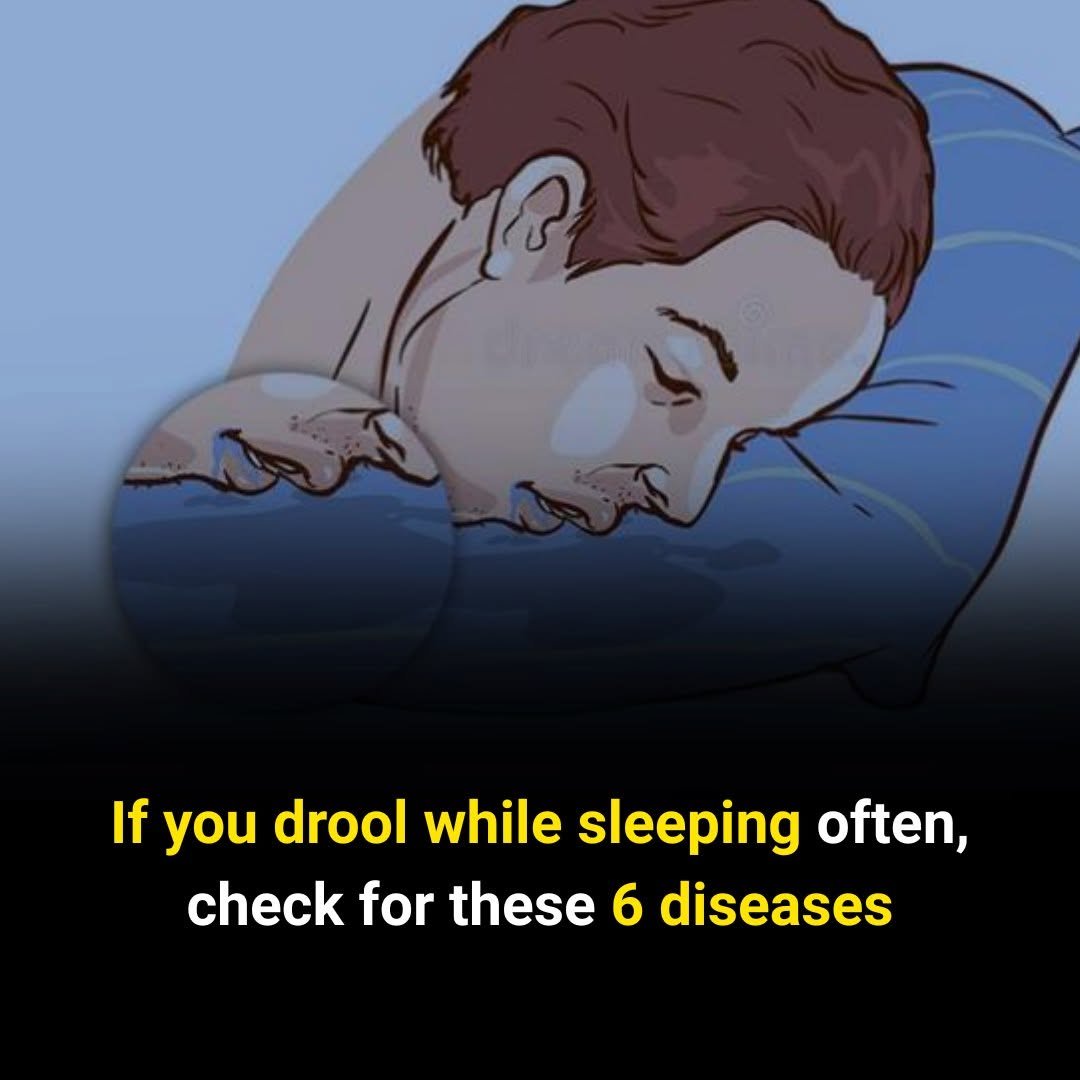
    If You Often Wake Up With Drool, Pay Attention — Here’s What It Could Mean

    Waking up with some drool on your pillow is usually not a sign of a serious health problem. During sleep, the muscles that control swallowing relax, and your sleeping position can allow saliva to escape from your mouth. People who sleep on their side or stomach are generally more likely to drool than people who sleep on their backs. (clevelandclinic.org) However, frequent or newly increased drooling can sometimes be associated with mouth breathing, nasal congestion, allergies, infections, acid reflux, certain medications, or difficulty swallowing. (clevelandclinic.org) So while an occasional wet pillow is usually harmless, a noticeable change in your normal pattern may be worth observing.

    One possible clue is mouth breathing during sleep. If your nose is blocked by allergies, congestion, or another airway problem, you may naturally breathe through your mouth, which can contribute to drooling. Mouth breathing is also commonly associated with snoring, dry mouth, and waking with a parched throat. (clevelandclinic.org) In some people, frequent nighttime drooling may occur alongside symptoms of obstructive sleep apnea, such as loud snoring, witnessed pauses in breathing, gasping or choking during sleep, morning headaches, or excessive daytime sleepiness. (mayoclinic.org) Acid reflux can also stimulate saliva production, particularly when stomach contents repeatedly flow back toward the throat. (mayoclinic.org)

    If drooling happens occasionally and you otherwise feel well, there may be nothing to worry about. You can try sleeping on your back if comfortable, addressing nasal congestion, maintaining good sleep habits, and avoiding meals or drinks that clearly trigger nighttime reflux. But if excessive drooling becomes persistent, suddenly appears, interferes with sleep, or occurs with difficulty swallowing, choking, significant snoring, or breathing interruptions, speak with a healthcare professional. (clevelandclinic.org) Sudden drooling accompanied by facial weakness, difficulty speaking, confusion, or other sudden neurological symptoms requires urgent medical attention, because these can be signs of a stroke. Disclaimer: This article is for general educational and health information only and does not constitute medical diagnosis, treatment, or personalized advice. Drooling during sleep is common and does not by itself indicate a specific disease. Always verify important health information through reliable medical sources and consult a qualified healthcare professional about persistent, sudden, or concerning symptoms.

  • 7 Serious Warning Signs of Late-Stage Stomach Cancer You Shouldn’t Ignore

    7 Serious Warning Signs of Late-Stage Stomach Cancer You Shouldn’t Ignore

    Stomach cancer can be difficult to recognize because it may cause few or no symptoms during its early stages. As the disease advances, however, symptoms can become more noticeable. Seven warning signs associated with advanced stomach cancer include 1) unexplained weight loss, 2) persistent or worsening stomach pain, 3) vomiting, sometimes with blood, 4) blood in the stool or black, tarry stools, 5) difficulty swallowing, 6) yellowing of the skin or eyes (jaundice), and 7) swelling or fluid buildup in the abdomen (ascites). The National Cancer Institute specifically lists these among symptoms that may occur when stomach cancer has spread beyond the stomach. These symptoms can be serious, but they do not automatically mean someone has cancer; ulcers, infections, liver or gallbladder problems, gastrointestinal disorders, and other conditions can produce similar symptoms.

    Unexplained weight loss may occur because cancer can reduce appetite and alter the body’s metabolism. Persistent abdominal pain or discomfort can also become more prominent as a tumor grows. Vomiting blood or passing black stools is particularly important because it can indicate gastrointestinal bleeding, which requires medical evaluation. Difficulty swallowing may occur when a tumor affects the upper part of the stomach or nearby structures. Jaundice can develop when cancer spreads to or affects the liver or bile drainage, while ascites refers to an accumulation of fluid inside the abdomen. Fatigue and weakness may also occur, sometimes because of anemia associated with bleeding. Because symptoms can overlap with many non-cancerous illnesses, doctors generally need examinations, blood tests, imaging, endoscopy, and often a biopsy to determine whether stomach cancer is actually present.

    The key message is not to panic, but not to ignore persistent or worsening symptoms. If you experience unexplained weight loss, ongoing abdominal pain, repeated vomiting, difficulty swallowing, blood in vomit or stool, black stools, jaundice, or unusual abdominal swelling, arrange medical evaluation promptly. Emergency care may be appropriate for heavy bleeding, vomiting blood, severe abdominal pain, fainting, or severe weakness. The American Cancer Society emphasizes that most symptoms associated with stomach cancer are more likely to have causes other than cancer, but symptoms that do not go away or become worse should still be checked by a healthcare professional. Disclaimer: This article is for general educational and health information only and does not constitute medical diagnosis, treatment, or personalized advice. These warning signs cannot confirm stomach cancer, and only appropriate medical testing can establish a diagnosis. Always verify important health information through reliable medical sources and consult a qualified healthcare professional about persistent, severe, or unexplained symptoms.

  • 5 Silent Health Problems Your Nails Reveal Before Anything Else — Pay Attention to These Warning Signs!

    5 Silent Health Problems Your Nails Reveal Before Anything Else — Pay Attention to These Warning Signs!

    Your fingernails can sometimes provide clues about what is happening elsewhere in the body, although nail changes alone cannot diagnose a disease. Five changes that deserve attention include 1) spoon-shaped nails, which can be associated with iron-deficiency anemia; 2) nail clubbing, where the fingertips enlarge and the nails curve downward, which can sometimes occur with lung, heart, liver, or gastrointestinal conditions; 3) pitted nails, which may be associated with psoriasis, eczema, or alopecia areata; 4) Beau’s lines, horizontal grooves that can appear after an illness, infection, fever, injury, or other event temporarily interrupts nail growth; and 5) unusual nail discoloration, including persistent yellowing, whitening, or a new dark streak. These changes can have completely harmless explanations, but a new or unexplained pattern is worth discussing with a healthcare professional.

    One particularly important warning sign is a new or changing dark streak underneath a fingernail or toenail. Most dark marks are not melanoma, and injuries can also cause pigmentation or bleeding beneath a nail. However, the American Academy of Dermatology recommends having a new or changing dark streak examined because melanoma can occasionally develop beneath a nail. Yellow, thickened, brittle, or separating nails are much more commonly related to fungal infections, injury, psoriasis, or other nail disorders, but persistent changes may still require evaluation. Similarly, a pale or unusually white nail does not automatically indicate liver or kidney disease; nail appearance must be interpreted alongside medical history, examination, and sometimes laboratory testing.

    The best approach is to notice changes without assuming the worst. Healthy nails are generally smooth, consistent in color, and firmly attached to the nail bed, although harmless vertical ridges can become more noticeable with age. Make an appointment with a doctor or dermatologist if a nail develops a persistent color or shape change, becomes thick or separated, develops unexplained bleeding or swelling, stops growing, or develops a new or changing dark streak. A professional can determine whether the change is caused by an infection, nutritional deficiency, injury, skin condition, medication, or an underlying medical problem. Disclaimer: This article is for general educational information only and does not constitute medical diagnosis, treatment, or personalized advice. Nail changes can have many harmless causes and cannot diagnose a health condition by themselves. Always verify important health information through reliable medical sources and consult a qualified healthcare professional about persistent or concerning changes.