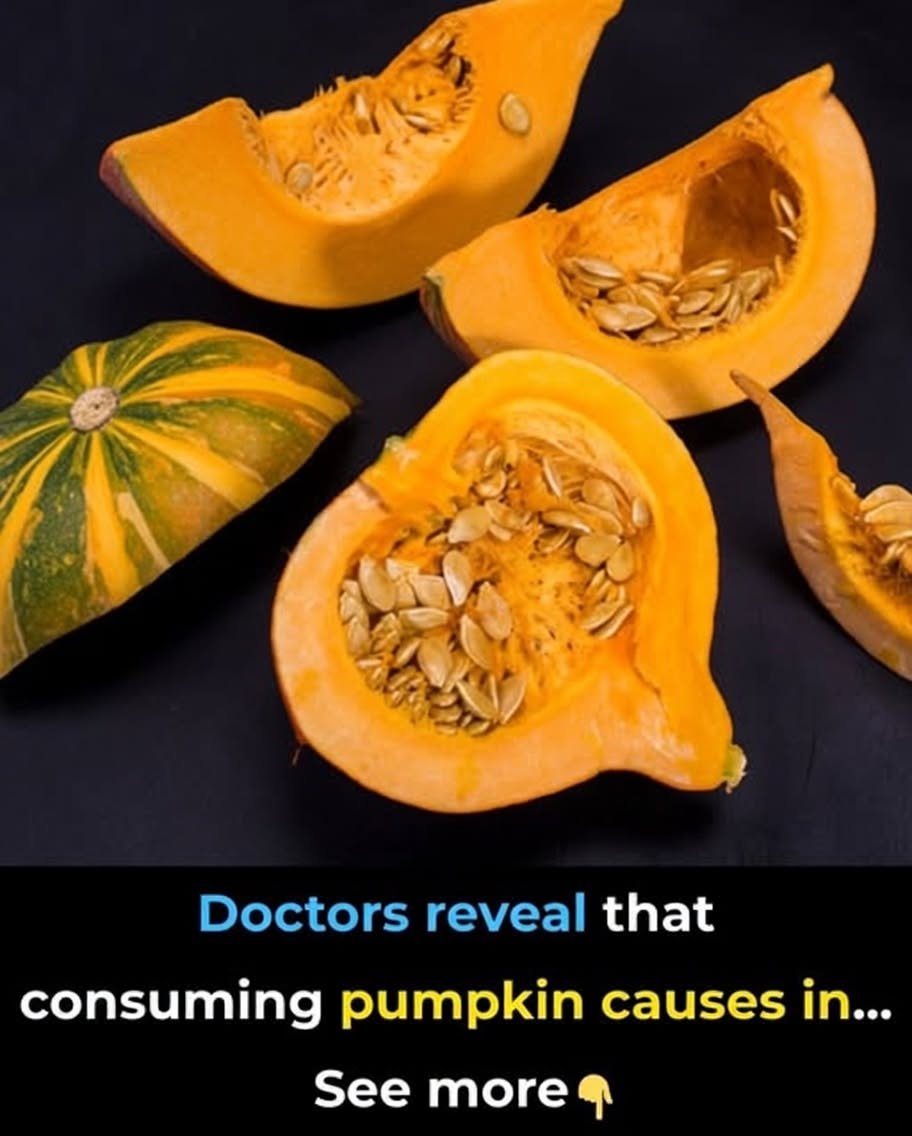
Pumpkin is more than a seasonal ingredient—it is a nutrient-dense, low-calorie food that can fit easily into a balanced diet. One cup of raw pumpkin provides about 30 calories and contains fiber, vitamin C, and other nutrients, while its orange color comes largely from carotenoids such as beta-carotene. (usda.gov) The body can convert beta-carotene into vitamin A, which plays important roles in normal vision, immune function, and healthy tissues. (pmc.ncbi.nlm.nih.gov) Pumpkin also provides potassium, and its seeds contain protein, unsaturated fats, magnesium, zinc, and other minerals. (pubmed.ncbi.nlm.nih.gov) Its fiber content may also help support normal digestion and bowel regularity when consumed as part of an overall fiber-rich diet.
There are also possible benefits beyond basic nutrition, although some claims require more human research. Pumpkin contains carotenoids, polyphenols, tocopherols, and other plant compounds with antioxidant activity. Research reviews have investigated potential relationships between pumpkin components and metabolic, inflammatory, cardiovascular, and other health outcomes, but promising laboratory or animal findings should not be treated as proof that pumpkin prevents or cures disease. (pubmed.ncbi.nlm.nih.gov) Preparation matters too. Plain roasted, steamed, or cooked pumpkin is nutritionally different from pumpkin pie, sweetened pumpkin desserts, or heavily processed pumpkin drinks, which may contain substantial amounts of added sugar, fat, or calories. Choosing minimally processed pumpkin makes it easier to enjoy its nutritional benefits without turning it into a high-sugar food.
For most people, pumpkin is safe when eaten in normal food amounts, but consuming very large portions may cause digestive discomfort because of its fiber content. People with food allergies or specific digestive sensitivities should also pay attention to symptoms after eating pumpkin. Pumpkin seeds are nutritious but considerably more calorie-dense than pumpkin flesh, so portion size still matters. (pubmed.ncbi.nlm.nih.gov) People with kidney disease or conditions requiring potassium restriction should follow individualized dietary advice rather than assuming every potassium-rich food is appropriate; kidney function and medications can affect how the body handles potassium. (ods.od.nih.gov) Overall, adding plain pumpkin to soups, vegetables, oatmeal, or other balanced meals can be a simple way to increase nutrient variety. Disclaimer: This article is for general educational and nutritional information only and does not constitute medical diagnosis, treatment, or personalized dietary advice. Pumpkin is generally a healthy food, but individual needs vary, and research on specific therapeutic benefits is still developing. Always verify important health claims through reliable sources and consult a qualified healthcare professional if you have allergies, kidney disease, digestive problems, or other dietary concerns.
Leave a Reply