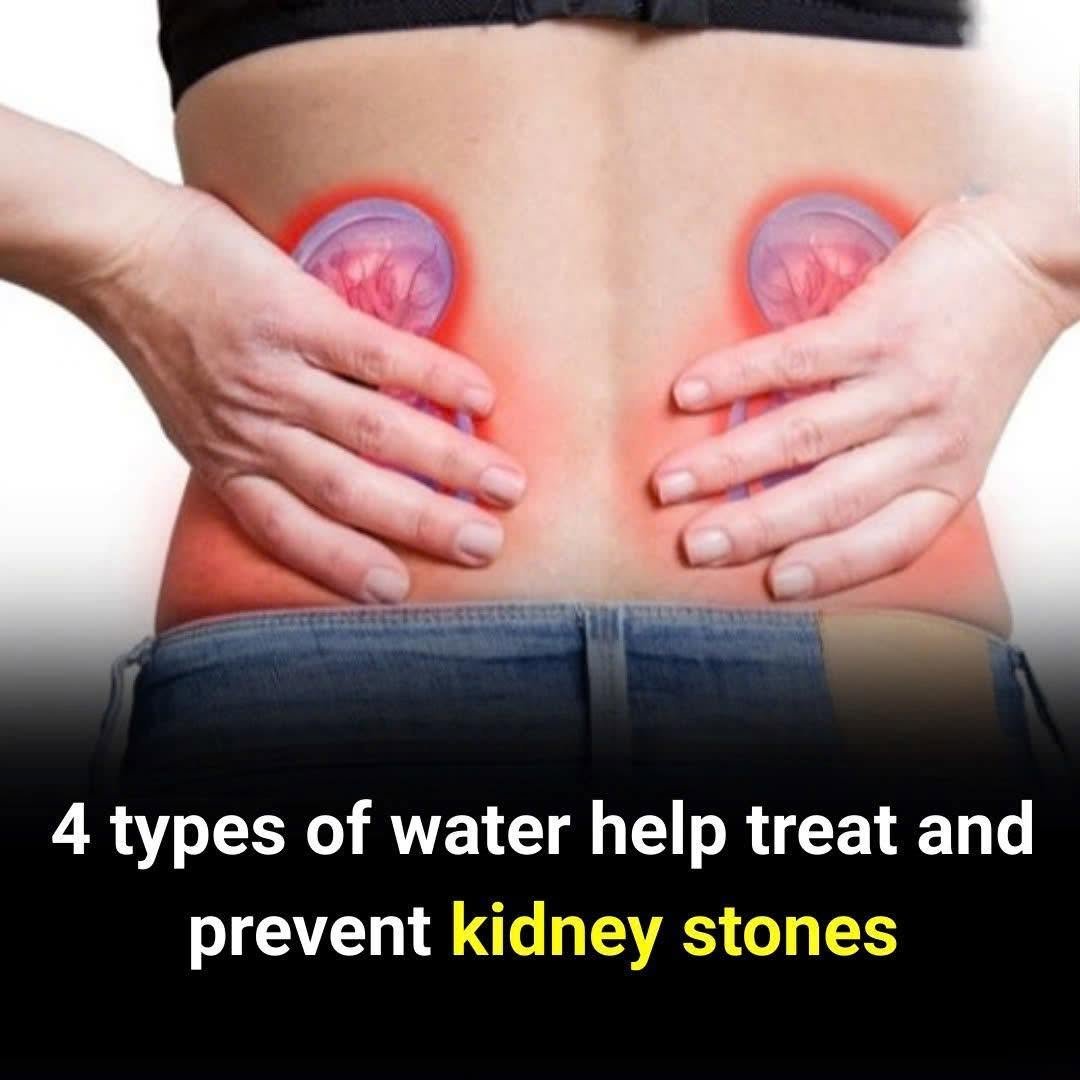
When kidney stones are the problem, hydration is one of the most important things you can do, but it is important to clarify that no special drink can reliably “dissolve” or cure every kidney stone. Drinking enough fluid—primarily water—helps dilute the urine and may help small stones pass more easily while reducing the concentration of minerals that can form new stones. Four practical choices include 1) plain water, 2) lemon water, 3) lime water, and 4) low-sugar citrus water. Lemon and lime contain citrate, a substance that can help prevent crystals from clumping together. Plain water should remain the foundation because it provides hydration without added sugar or unnecessary calories. The exact amount of fluid needed varies according to your health, climate, activity level, and stone history, so people with kidney or heart problems should ask their healthcare professional before significantly increasing fluid intake.
Lemon water is one of the simplest options because it combines hydration with naturally occurring citrate. You can squeeze fresh lemon into a glass or bottle of water and drink it throughout the day. Lime water offers a similar approach, while a diluted, low-sugar citrus drink can provide another option for people who struggle to drink enough plain water. However, adding large amounts of sugar is counterproductive for overall health, and commercially prepared sweetened drinks should not be treated as kidney-stone remedies. It is also important to know what type of stone you have. Calcium oxalate, calcium phosphate, uric acid, and cystine stones can have different dietary considerations, including differences in sodium, animal protein, calcium, and oxalate intake. Your doctor or a registered dietitian can help tailor your diet after identifying the type of stone.
If you already have a kidney stone, do not depend on drinks alone. Small stones may sometimes pass without procedures, but larger stones or stones that block urine flow can require medical treatment. Seek prompt medical care if you have severe or persistent pain, blood in your urine, fever or chills, repeated vomiting, difficulty urinating, or signs of infection. For prevention, reducing excess sodium, maintaining appropriate dietary calcium, moderating animal protein when advised, and staying well hydrated can be more important than searching for a “miracle” beverage. Disclaimer: This article is for general educational and nutritional information only and does not constitute medical diagnosis, treatment, or personalized medical advice. Lemon, lime, or other waters may support hydration and stone prevention but should not be considered a guaranteed natural treatment or substitute for medical care. Always verify health information through reliable sources and consult a qualified healthcare professional about kidney stones, especially if symptoms are severe or persistent.
Leave a Reply