Blog

  • The Color of Your Urine Can Reveal Important Clues About Your Health

    The Color of Your Urine Can Reveal Important Clues About Your Health

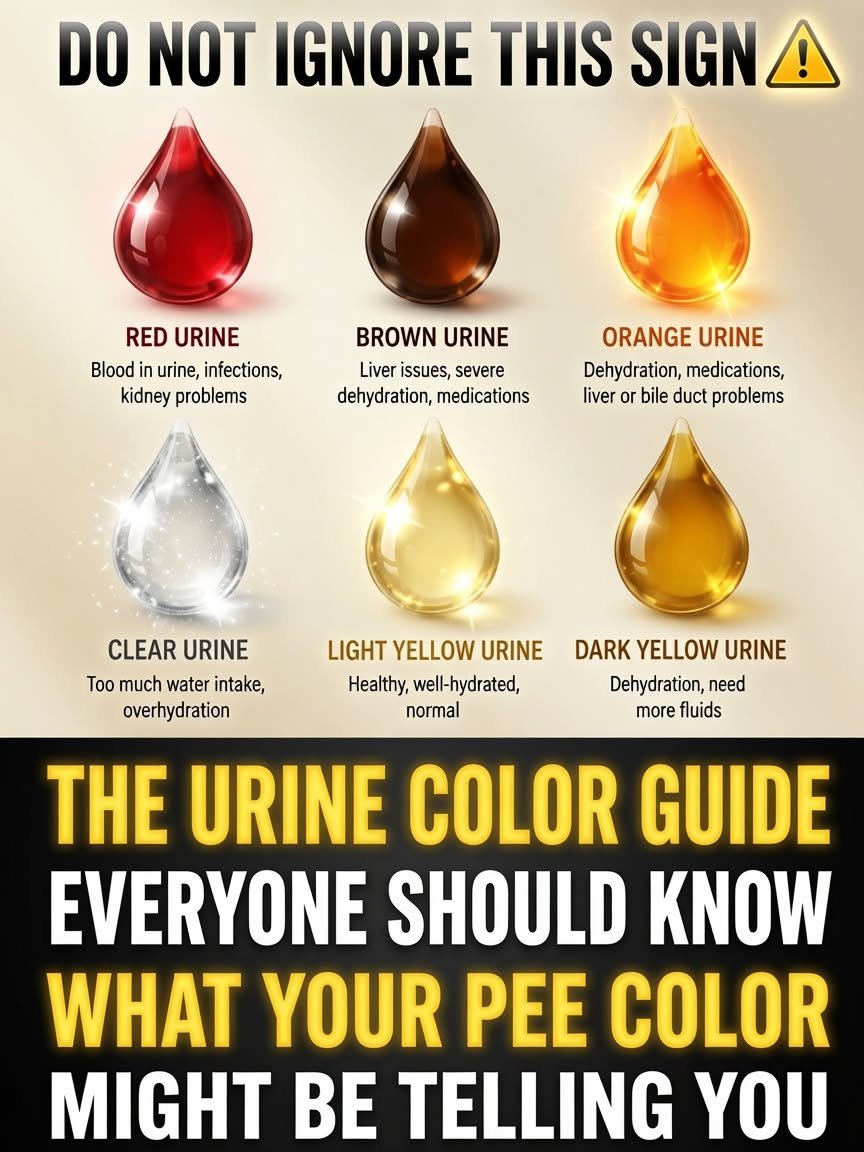
    Urine color can provide a useful snapshot of hydration and, sometimes, other health conditions, although color alone cannot diagnose a disease. Normal urine generally ranges from clear to pale yellow. Darker yellow or amber urine often means the urine is more concentrated, which can happen when you haven’t consumed enough fluids. Food and medications can also temporarily change urine color. For example, beets, blackberries, and rhubarb may make urine appear pink or red, while certain medicines and vitamins can produce orange, green, or blue-green shades. This is why an unusual color should be considered alongside what you recently ate, what medications or supplements you take, and whether you have other symptoms.

    Some colors deserve more attention. Pink or red urine can indicate blood, although foods and medications can produce a similar appearance. Blood in urine may occur with urinary tract infections, kidney stones, prostate problems, or other urinary conditions, and occasionally can be associated with cancers of the urinary tract. Orange urine can sometimes result from dehydration or medication, but persistent orange urine—particularly when accompanied by yellow skin or eyes and pale stools—can be associated with liver or bile-duct problems. Dark brown or cola-colored urine can have several causes, including certain medications, liver or kidney disorders, urinary infections, or severe muscle injury after extreme exercise. Cloudy or milky urine can sometimes occur with urinary tract infections or kidney stones.

    The best approach is to notice persistent changes without immediately assuming the worst. If your urine becomes unusually dark, red, brown, or cloudy and the change cannot be explained by food, medication, or temporary dehydration, consider speaking with a healthcare professional. Blood in the urine should be evaluated even if it happens only once, particularly when there is no obvious explanation. Drinking adequate fluids throughout the day can help maintain normal hydration, but people with certain kidney, heart, or liver conditions may have individualized fluid requirements. Disclaimer: This article is for general educational and health information only and does not constitute medical diagnosis, treatment, or personalized advice. Urine color can change for harmless reasons, and color alone cannot determine whether a health problem is present. Always verify important health information through reliable medical sources and consult a qualified healthcare professional about persistent or concerning urinary changes.

  • Stomach Pain After Meals? Here Are Some Possible Causes You Should Know

    Stomach Pain After Meals? Here Are Some Possible Causes You Should Know

    Occasional stomach discomfort after eating can happen because of overeating, indigestion, gas, food intolerance, or a meal that simply does not agree with you. But when pain repeatedly occurs after meals, it may be worth looking beyond food quality or allergies. Indigestion can cause upper-abdominal pain, burning, bloating, nausea, and uncomfortable fullness after eating. Gastroesophageal reflux disease (GERD) is another possibility, particularly when discomfort comes with heartburn, regurgitation, nausea, or symptoms that worsen after certain foods or when lying down. Other possible causes include irritable bowel syndrome (IBS), constipation, food intolerance, peptic ulcers, gallstones, and other digestive conditions.

    The location and pattern of the pain can provide important clues. Upper-abdominal discomfort after eating may occur with indigestion or reflux, while cramping accompanied by changes in bowel movements can occur with IBS or food intolerance. Gallstones can cause episodes of significant abdominal pain, sometimes after meals, while an ulcer or other stomach condition may produce burning or gnawing discomfort. Keeping a simple food-and-symptom diary can be useful: record what you ate, when the pain began, where you felt it, how long it lasted, and whether nausea, bloating, diarrhea, constipation, heartburn, or vomiting occurred. Rather than eliminating large numbers of foods on your own, discuss persistent symptoms with a healthcare professional who can determine whether testing or dietary changes are appropriate.

    Most importantly, repeated abdominal pain should not be ignored simply because it happens after eating. Arrange a medical appointment if the discomfort continues for more than a few days, keeps returning, or interferes with normal activities. Seek urgent medical attention for severe or worsening pain, persistent vomiting, bloody or black stools, fever, significant abdominal swelling or tenderness, unexplained weight loss, or yellowing of the skin or eyes. The good news is that many causes of post-meal stomach pain are treatable once the underlying problem is identified. Disclaimer: This article is for general educational and health information only and does not constitute medical diagnosis, treatment, or personalized advice. Stomach pain after eating can have many causes, and symptoms alone cannot determine which condition is responsible. Always verify important health information through reliable medical sources and consult a qualified healthcare professional for persistent, severe, or concerning symptoms.

  • 5 Common Bladder Cancer Signs Many People Overlook

    5 Common Bladder Cancer Signs Many People Overlook

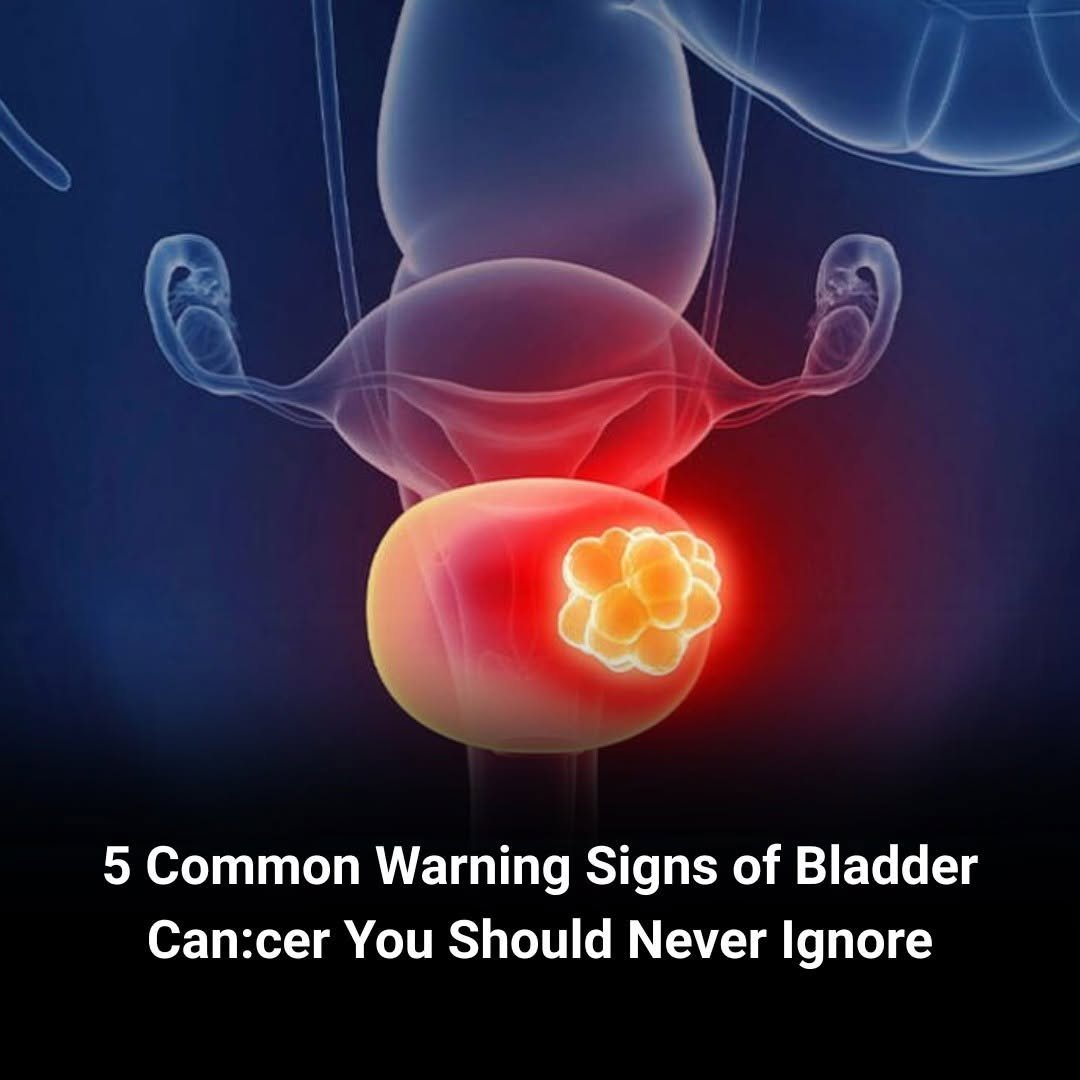
    Bladder cancer can sometimes cause subtle urinary changes that people mistake for an ordinary infection or aging. The most common warning sign is blood in the urine, medically known as hematuria. The urine may look pink, orange, rusty, or red, although sometimes the blood is present only in microscopic amounts and can be detected through a urine test. Importantly, blood in the urine does not automatically mean cancer—urinary tract infections, kidney or bladder stones, and other conditions can cause it too. Other symptoms that may deserve attention include 1) urinating more frequently than usual, 2) a sudden or intense need to urinate, 3) burning or pain while urinating, 4) difficulty starting urination or a weak urine stream, and 5) needing to urinate repeatedly during the night.

    These symptoms are often caused by conditions other than bladder cancer, but persistent or unexplained changes should not simply be ignored. For example, frequent urination and burning can occur with a urinary tract infection, while difficulty urinating can have several possible causes. In some cases of bladder cancer, symptoms can progress to lower-back or pelvic pain, inability to urinate, unexplained weight loss, loss of appetite, tiredness, or swelling in the feet, particularly when the disease has become more advanced. Because symptoms alone cannot establish a diagnosis, a healthcare professional may begin with a urine sample to look for blood, infection, or abnormal cells. Depending on the findings, further evaluation can include imaging or cystoscopy, during which a small camera is used to examine the inside of the bladder.

    The most important takeaway is not to panic, but not to dismiss persistent symptoms either. If you notice blood in your urine—even if it appears only once—or experience ongoing changes in urination, arrange a medical evaluation so the underlying cause can be identified. The CDC notes that smoking is the most important risk factor for bladder cancer, while certain workplace chemical exposures and other factors can also increase risk. There is currently no standard screening test recommended for people at average risk who have no symptoms, making awareness of concerning changes especially important. Disclaimer: This article is for general educational and health information only and does not constitute medical diagnosis, treatment, or personalized advice. Most urinary symptoms have causes other than cancer, but unexplained blood in the urine or persistent urinary changes should be evaluated by a qualified healthcare professional. Always verify important health information through reliable medical sources.

  • 5 Warning Signals of a Mini-Stroke That Could Prevent a Major Stroke

    5 Warning Signals of a Mini-Stroke That Could Prevent a Major Stroke

    A transient ischemic attack (TIA) is often called a “mini-stroke,” but health professionals increasingly describe it as a warning stroke. It occurs when blood flow to part of the brain is temporarily blocked, producing symptoms similar to those of a stroke. Five important warning signals are 1) sudden weakness or numbness, especially on one side of the body; 2) sudden difficulty speaking or understanding speech; 3) sudden vision changes, including blurred, double, or lost vision; 4) sudden dizziness, loss of balance, or difficulty walking; and 5) a sudden severe headache with no obvious cause. These symptoms can disappear within minutes, which is exactly why people sometimes dismiss them. But disappearing symptoms do not make a TIA harmless.

    The critical message is not to wait and see what happens. A TIA and a full stroke can initially look very similar, and it is impossible to reliably determine at home whether symptoms are temporary or permanent. The American Stroke Association recommends urgent medical evaluation even when symptoms disappear. Doctors may use brain and blood-vessel imaging, blood tests, heart monitoring, and other examinations to determine the cause and assess future stroke risk. Remembering B.E. F.A.S.T. can help: Balance problems, Eye or vision changes, Face drooping, Arm weakness, Speech difficulty, and Time to seek emergency help. If any of these symptoms suddenly appear, note the time they started and seek emergency medical attention immediately—even if the person seems completely normal again.

    A TIA can provide an important opportunity to identify and treat stroke risk factors before a more serious event occurs. High blood pressure, diabetes, smoking, heart disease, atrial fibrillation, and other vascular problems can increase the risk of TIA and stroke. After evaluation, treatment may include managing blood pressure and cholesterol, controlling diabetes, addressing heart rhythm problems, stopping tobacco use, improving physical activity and diet, and taking prescribed medications when appropriate. Do not take aspirin or other medication on your own during suspected stroke symptoms, because some strokes are caused by bleeding and require different treatment. Disclaimer: This article is for general educational information only and does not constitute medical diagnosis, treatment, or personalized advice. A suspected TIA or stroke is an emergency and should never be managed solely with home remedies or online information. Always verify important health information through reliable medical sources and seek immediate professional care when sudden neurological symptoms occur.

  • People Often Consume This Food Without Knowing It Could Contain Harmful Parasites

    People Often Consume This Food Without Knowing It Could Contain Harmful Parasites

    Some everyday foods can carry parasites when they are raw, undercooked, or contaminated, although that does not mean the food itself is unsafe when properly prepared. Raw or undercooked fish and squid are notable examples because they can transmit parasites such as Anisakis, which may cause abdominal pain, nausea, vomiting, diarrhea, and other digestive symptoms. Undercooked meat can also carry certain parasites, including Trichinella, while raw aquatic plants and unwashed fruits and vegetables can become contaminated through unsafe water, soil, or animal or human waste. The important message is not to fear these foods, but to understand that proper food preparation dramatically reduces the risk.

    One of the biggest concerns is eating raw or insufficiently cooked seafood or meat. Sushi, sashimi, ceviche, raw shellfish, and undercooked meat can carry organisms that may cause foodborne infections. The CDC recommends cooking fish to at least 145°F (63°C), while safe cooking temperatures for meat vary depending on the type. Thorough cooking is particularly important for wild game and certain meats because some parasites may survive methods such as smoking, drying, or curing alone. Fresh produce also deserves attention: washing fruits and vegetables under running water can help remove contaminants, although washing does not eliminate every type of pathogen.

    The safest approach is simple: clean, separate, cook, and chill. Wash your hands and kitchen surfaces, keep raw meat and seafood away from ready-to-eat foods, cook foods to appropriate internal temperatures, and refrigerate perishable foods promptly. People who are pregnant, very young, older, or immunocompromised should take extra precautions because foodborne infections can be more serious for them. If you develop persistent abdominal pain, vomiting, diarrhea, fever, unusual swelling, or other concerning symptoms after eating raw or undercooked food, seek medical advice and tell the clinician what you consumed. Disclaimer: This article is for general educational and food-safety information only and does not constitute medical diagnosis or personalized advice. Not every food contains parasites, and risk depends on the food, source, preparation, and cooking method. Always verify food-safety information through reliable medical and public-health sources and consult a qualified healthcare professional about concerning symptoms.

  • If You Keep Waking Up at 3 or 4 A.M., Don’t Ignore These Possible Reasons

    If You Keep Waking Up at 3 or 4 A.M., Don’t Ignore These Possible Reasons

    Waking up at 3 or 4 a.m. does not automatically mean something is wrong with your body. The clock time itself is not usually the important clue; what matters is whether the awakening happens repeatedly and whether you struggle to fall asleep again. Insomnia can involve waking during the night or waking earlier than desired, and common contributors include stress, anxiety, inconsistent sleep schedules, uncomfortable sleeping conditions, caffeine, nicotine, alcohol, certain medications, and medical problems such as acid reflux or chronic pain. (mayoclinic.org) Occasional nighttime waking is normal for many people, but a persistent pattern that leaves you tired during the day deserves closer attention.

    One possible reason is sleep apnea, particularly if your nighttime awakening comes with loud snoring, gasping, choking, dry mouth, morning headaches, or excessive daytime sleepiness. Sleep apnea can repeatedly interrupt breathing and cause brief awakenings throughout the night. (mayoclinic.org) Another common cause is nighttime urination. Drinking large amounts of fluid close to bedtime can contribute, but frequent nighttime urination can also occur with certain bladder problems, medications, diabetes, or other medical conditions. (mayoclinic.org) Heartburn, chronic pain, restless legs, hot flashes, and medication effects can also repeatedly disturb sleep. (mayoclinic.org)

    Instead of worrying about the specific hour, focus on the pattern and accompanying symptoms. Keep a consistent bedtime and wake time, limit caffeine and alcohol later in the day, avoid large meals and excessive fluids close to bedtime, and maintain a relaxing nighttime routine. (mayoclinic.org) If you wake up and cannot return to sleep, avoid repeatedly checking the clock; getting up briefly for a quiet activity until you feel sleepy can be more helpful. If the problem regularly affects your daytime functioning, leaves you exhausted despite enough time in bed, or occurs with breathing pauses, gasping, severe snoring, or frequent nighttime urination, speak with a healthcare professional. (mayoclinic.org) Disclaimer: This article is for general educational and health information only and does not constitute medical diagnosis, treatment, or personalized advice. Waking at 3 or 4 a.m. is not a specific sign of any particular disease. Persistent sleep disruption can have many causes, so important health concerns should be evaluated and verified with a qualified healthcare professional.

  • Doctors Explain the Potential Benefits of Starting Your Day With Eggs

    Doctors Explain the Potential Benefits of Starting Your Day With Eggs

    Starting the morning with eggs can be a convenient way to add high-quality protein and important nutrients to breakfast. Eggs provide protein along with nutrients such as vitamin B12, riboflavin, vitamin D, selenium, and choline. Choline is particularly important because the brain and nervous system use it for functions involving memory, mood, muscle control, and cell membranes. (ods.od.nih.gov) Protein at breakfast may also help create a more satisfying meal, especially when eggs are paired with fiber-rich foods such as vegetables, whole grains, or fruit. Rather than viewing eggs as a magic morning food, it is more accurate to consider them a nutrient-dense component of a balanced breakfast.

    Eggs can also fit into a heart-conscious eating pattern for many healthy people. The American Heart Association’s 2026 dietary guidance emphasizes overall eating patterns rather than focusing on a single nutrient, recommending vegetables, fruits, whole grains, healthy protein sources, minimally processed foods, and unsaturated fats while limiting saturated fat and added sugars. (heart.org) This means the health impact of an egg breakfast depends partly on what accompanies it. Eggs served with vegetables and whole grains are quite different nutritionally from eggs regularly combined with processed meats, large amounts of butter, refined carbohydrates, and high-sodium foods. The AHA notes that for most people, dietary cholesterol is no longer the primary target for reducing cardiovascular risk, although people with certain cholesterol disorders or other health conditions may need individualized advice. (heart.org)

    If you enjoy eggs in the morning, simple preparation can make them an excellent part of a balanced meal. Boiled, poached, or lightly cooked eggs can be paired with vegetables, beans, avocado, or whole-grain toast to increase fiber and overall nutrient variety. There is no requirement to eat eggs every day, and people with diabetes, high LDL cholesterol, or particular cardiovascular risks should discuss their individual egg intake with a healthcare professional rather than following a one-size-fits-all rule. (heart.org) Disclaimer: This article is for general educational and nutritional information only and does not constitute medical diagnosis, treatment, or personalized dietary advice. Eggs can be part of a healthy diet for many people, but their ideal amount and preparation depend on the individual’s overall diet and health status. Always verify important nutrition claims through reliable medical sources and consult a qualified healthcare professional for personalized guidance.

  • What Happens to Your Body If You Regularly Drink Ginger and Red Date Tea in the Morning?

    What Happens to Your Body If You Regularly Drink Ginger and Red Date Tea in the Morning?

    Ginger and red date (jujube) tea can be a flavorful morning beverage, but its effects are best understood as nutritional possibilities rather than guaranteed health benefits. Ginger has been studied for nausea, menstrual discomfort, osteoarthritis symptoms, and several metabolic markers, with the strongest evidence involving certain forms of ginger supplementation rather than ordinary tea. Red dates provide nutrients such as potassium and vitamin C, while research on their potential metabolic benefits is still relatively limited. A 2024 systematic review found possible improvements in some cholesterol and triglyceride measures, but only four eligible clinical trials were available, so stronger research is still needed. Drinking the tea in the morning itself is not known to create a special “detox” effect; the main benefit may simply be replacing a sugary or less nutritious beverage with a warm, flavorful drink.

    Regular ginger tea may be particularly appealing to people who experience mild digestive discomfort or occasional nausea, because ginger has demonstrated anti-nausea effects in several studies. It also contains bioactive compounds with antioxidant and anti-inflammatory activity, although laboratory findings should not be interpreted as proof that ginger tea prevents disease. The red dates add natural sweetness and nutrients, but dried varieties can contain considerably more concentrated natural sugar than fresh fruit. If the tea is prepared with several dried dates or additional sugar or honey, the calorie and carbohydrate content can rise quickly. Therefore, people managing blood sugar or trying to reduce added sugars may want to keep portions modest and avoid turning the drink into a heavily sweetened beverage.

    There are also reasons not to overdo it. Ginger can cause abdominal discomfort, heartburn, diarrhea, or irritation of the mouth and throat, particularly at higher doses. People taking blood-thinning or other medications should ask their healthcare professional before regularly consuming concentrated ginger preparations because herbs can interact with medicines. Red dates are generally considered safe as a food, but evidence for medicinal effects remains limited, and some medications may interact with jujube products. For most healthy adults, a moderate homemade tea containing a small amount of ginger and a few red dates can be part of a varied diet, but it should not replace prescribed treatment or be promoted as a cure or detox. Disclaimer: This article is for general educational and nutritional information only and does not constitute medical diagnosis, treatment, or personalized dietary advice. Research on ginger and especially red-date tea is still developing, and benefits can vary depending on preparation, quantity, and individual health. Always verify important health claims through reliable medical sources and consult a qualified healthcare professional if you take medications or have an existing medical condition.

  • These Common Bedroom Habits Might Secretly Raise Your Risk of Cervical Cancer

    These Common Bedroom Habits Might Secretly Raise Your Risk of Cervical Cancer

    Cervical cancer is not caused simply by ordinary bedroom habits. Persistent infection with high-risk types of human papillomavirus (HPV) causes virtually all cervical cancers, and HPV is commonly transmitted through sexual contact. Most HPV infections clear naturally within a year or two, but infections that persist for years can cause abnormal cervical cells that may eventually develop into cancer. Certain sexual patterns can increase the likelihood of HPV exposure, including becoming sexually active at a younger age and having multiple sexual partners. This does not mean that someone with these experiences will develop cancer—HPV is extremely common, and most infected people never develop cervical cancer.

    Another important bedroom-related factor is smoking or exposure to secondhand tobacco smoke. Research shows that smoking increases cervical cancer risk, particularly among women who have HPV, and the risk rises with greater smoking exposure. Long-term use of oral contraceptives has also been associated with increased cervical cancer risk, although contraception has important benefits and should not be stopped without discussing alternatives with a healthcare professional. Using condoms can reduce the likelihood of HPV transmission, but they cannot provide complete protection because HPV can infect areas not covered by a condom.

    The most important protection is HPV vaccination and regular cervical cancer screening. HPV vaccination helps prevent infection with cancer-causing HPV types, while HPV testing and Pap testing can identify high-risk infections and abnormal cells before they become invasive cancer. If you experience unusual vaginal bleeding, bleeding after sex, persistent unusual discharge, pelvic pain, or pain during intercourse, arrange a medical evaluation rather than assuming the symptoms are caused by an infection or irritation. Disclaimer: This article is for general educational and health information only and does not constitute medical diagnosis, treatment, or personalized advice. Ordinary sexual activity does not automatically cause cervical cancer, and risk is influenced by multiple factors, especially persistent high-risk HPV infection. Always verify important health information through reliable medical sources and consult a qualified healthcare professional about screening, vaccination, symptoms, or individual risk.

  • Cabbage Is Good, but These People Should Be Careful Eating It

    Cabbage Is Good, but These People Should Be Careful Eating It

    Cabbage is a nutritious vegetable that provides fiber, vitamin C, vitamin K, folate, and other beneficial plant compounds, making it a useful part of many balanced diets. However, it is misleading to say that certain groups must absolutely never eat cabbage. For most people, cabbage is safe and healthy when eaten in reasonable amounts. Still, some individuals may need to limit it or discuss their intake with a healthcare professional. People taking the blood-thinning medication warfarin, for example, need to keep their vitamin K intake relatively consistent because sudden changes in vitamin K consumption can affect anticoagulation control. (ods.od.nih.gov) This does not necessarily mean avoiding cabbage altogether; rather, people taking warfarin should follow their clinician’s advice and maintain a consistent dietary pattern.

    Cabbage can also cause gas, bloating, and abdominal discomfort, particularly when eaten in large amounts. This happens partly because cabbage contains fermentable carbohydrates and fiber that gut bacteria break down. People with irritable bowel syndrome (IBS) or certain digestive sensitivities may find that cabbage worsens symptoms, although tolerance varies from person to person. (monashfodmap.com) Another consideration involves the thyroid. Cabbage belongs to the cruciferous vegetable family and contains compounds called glucosinolates. In people with adequate iodine intake, eating normal amounts of cruciferous vegetables is generally not considered a thyroid problem. The concern is more relevant to very large quantities, particularly when overall iodine intake is low. (ods.od.nih.gov) Cooking cabbage can also reduce some of these compounds, while still preserving many of its nutritional benefits.

    For most people, the better message is “eat cabbage wisely,” not “never eat cabbage.” If you take warfarin, have a digestive condition that reacts strongly to high-fiber foods, have been advised to monitor potassium or other nutrients, or have a thyroid condition with specific dietary restrictions, ask your healthcare professional how cabbage fits into your diet. Introducing smaller portions and gradually increasing fiber may help people who experience bloating. There is no strong evidence that ordinary servings of cabbage are inherently dangerous for healthy people. Disclaimer: This article is for general educational and nutritional information only and does not constitute medical diagnosis, treatment, or personalized dietary advice. Cabbage is generally a nutritious food, and most people do not need to avoid it. Individual medical conditions, medications, and dietary requirements can change what is appropriate, so always verify important health information through reliable sources and consult a qualified healthcare professional when necessary.