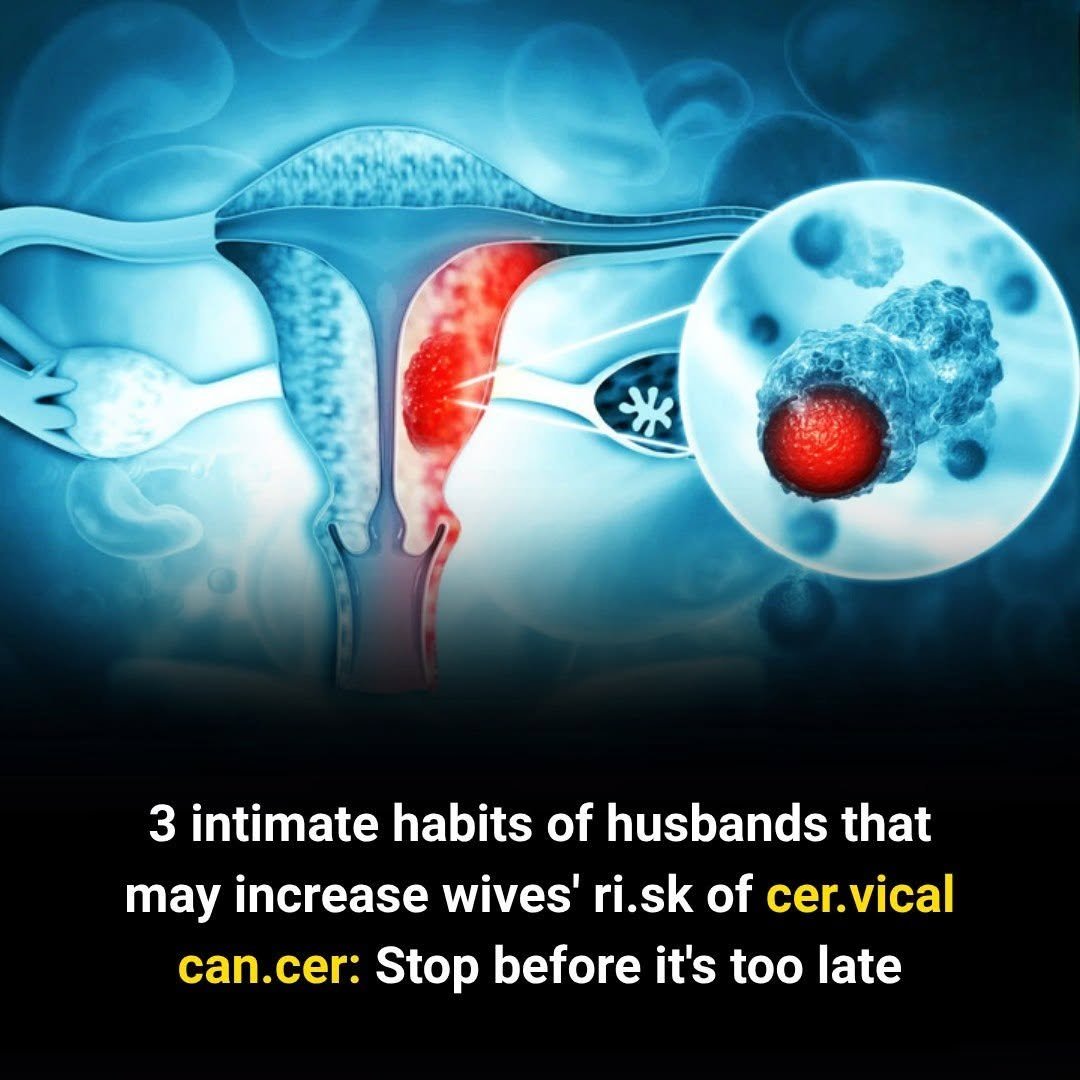
Cervical cancer is not caused simply by ordinary bedroom habits. Persistent infection with high-risk types of human papillomavirus (HPV) causes virtually all cervical cancers, and HPV is commonly transmitted through sexual contact. Most HPV infections clear naturally within a year or two, but infections that persist for years can cause abnormal cervical cells that may eventually develop into cancer. Certain sexual patterns can increase the likelihood of HPV exposure, including becoming sexually active at a younger age and having multiple sexual partners. This does not mean that someone with these experiences will develop cancer—HPV is extremely common, and most infected people never develop cervical cancer.
Another important bedroom-related factor is smoking or exposure to secondhand tobacco smoke. Research shows that smoking increases cervical cancer risk, particularly among women who have HPV, and the risk rises with greater smoking exposure. Long-term use of oral contraceptives has also been associated with increased cervical cancer risk, although contraception has important benefits and should not be stopped without discussing alternatives with a healthcare professional. Using condoms can reduce the likelihood of HPV transmission, but they cannot provide complete protection because HPV can infect areas not covered by a condom.
The most important protection is HPV vaccination and regular cervical cancer screening. HPV vaccination helps prevent infection with cancer-causing HPV types, while HPV testing and Pap testing can identify high-risk infections and abnormal cells before they become invasive cancer. If you experience unusual vaginal bleeding, bleeding after sex, persistent unusual discharge, pelvic pain, or pain during intercourse, arrange a medical evaluation rather than assuming the symptoms are caused by an infection or irritation. Disclaimer: This article is for general educational and health information only and does not constitute medical diagnosis, treatment, or personalized advice. Ordinary sexual activity does not automatically cause cervical cancer, and risk is influenced by multiple factors, especially persistent high-risk HPV infection. Always verify important health information through reliable medical sources and consult a qualified healthcare professional about screening, vaccination, symptoms, or individual risk.
Leave a Reply