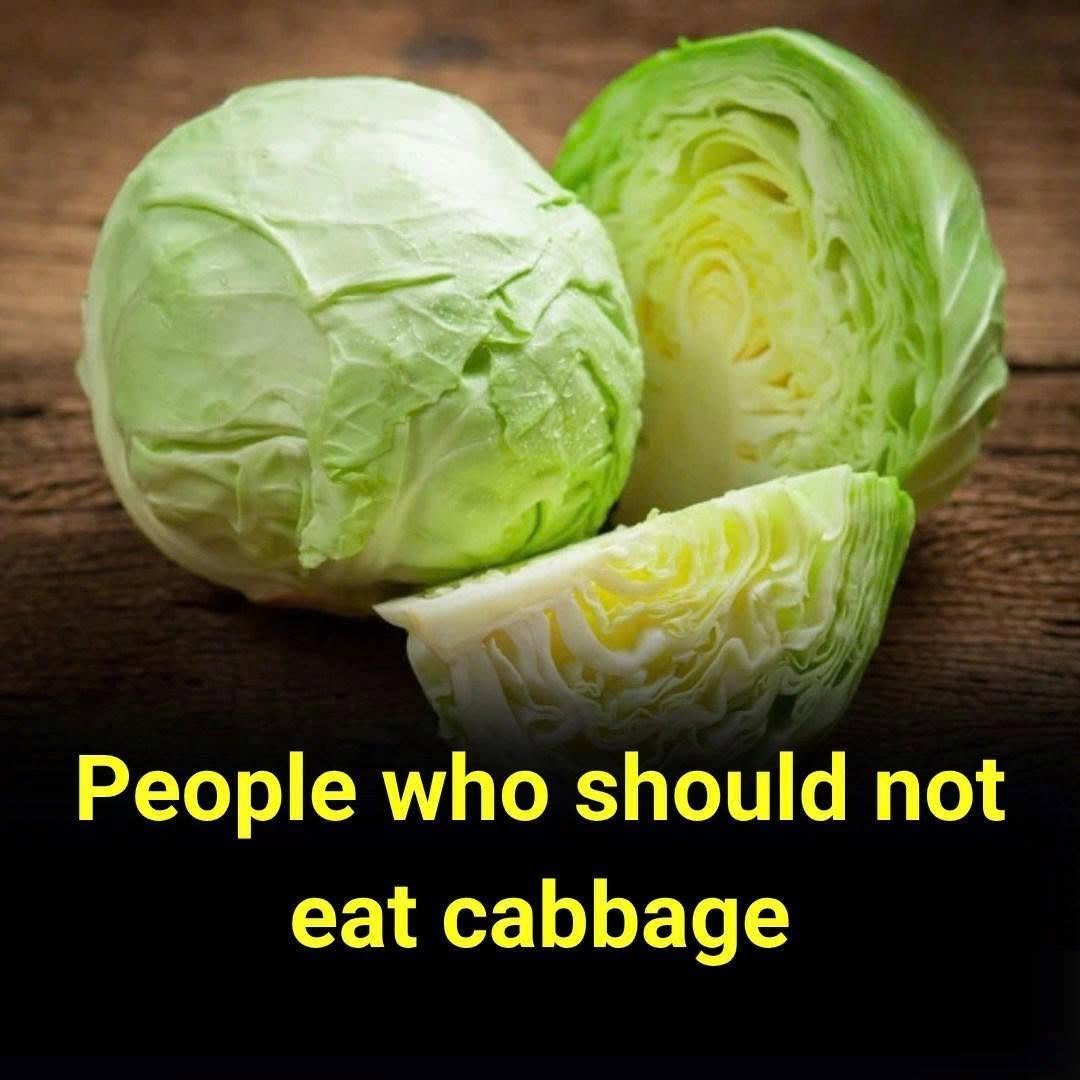
Cabbage is a nutritious vegetable that provides fiber, vitamin C, vitamin K, folate, and other beneficial plant compounds, making it a useful part of many balanced diets. However, it is misleading to say that certain groups must absolutely never eat cabbage. For most people, cabbage is safe and healthy when eaten in reasonable amounts. Still, some individuals may need to limit it or discuss their intake with a healthcare professional. People taking the blood-thinning medication warfarin, for example, need to keep their vitamin K intake relatively consistent because sudden changes in vitamin K consumption can affect anticoagulation control. (ods.od.nih.gov) This does not necessarily mean avoiding cabbage altogether; rather, people taking warfarin should follow their clinician’s advice and maintain a consistent dietary pattern.
Cabbage can also cause gas, bloating, and abdominal discomfort, particularly when eaten in large amounts. This happens partly because cabbage contains fermentable carbohydrates and fiber that gut bacteria break down. People with irritable bowel syndrome (IBS) or certain digestive sensitivities may find that cabbage worsens symptoms, although tolerance varies from person to person. (monashfodmap.com) Another consideration involves the thyroid. Cabbage belongs to the cruciferous vegetable family and contains compounds called glucosinolates. In people with adequate iodine intake, eating normal amounts of cruciferous vegetables is generally not considered a thyroid problem. The concern is more relevant to very large quantities, particularly when overall iodine intake is low. (ods.od.nih.gov) Cooking cabbage can also reduce some of these compounds, while still preserving many of its nutritional benefits.
For most people, the better message is “eat cabbage wisely,” not “never eat cabbage.” If you take warfarin, have a digestive condition that reacts strongly to high-fiber foods, have been advised to monitor potassium or other nutrients, or have a thyroid condition with specific dietary restrictions, ask your healthcare professional how cabbage fits into your diet. Introducing smaller portions and gradually increasing fiber may help people who experience bloating. There is no strong evidence that ordinary servings of cabbage are inherently dangerous for healthy people. Disclaimer: This article is for general educational and nutritional information only and does not constitute medical diagnosis, treatment, or personalized dietary advice. Cabbage is generally a nutritious food, and most people do not need to avoid it. Individual medical conditions, medications, and dietary requirements can change what is appropriate, so always verify important health information through reliable sources and consult a qualified healthcare professional when necessary.
Leave a Reply