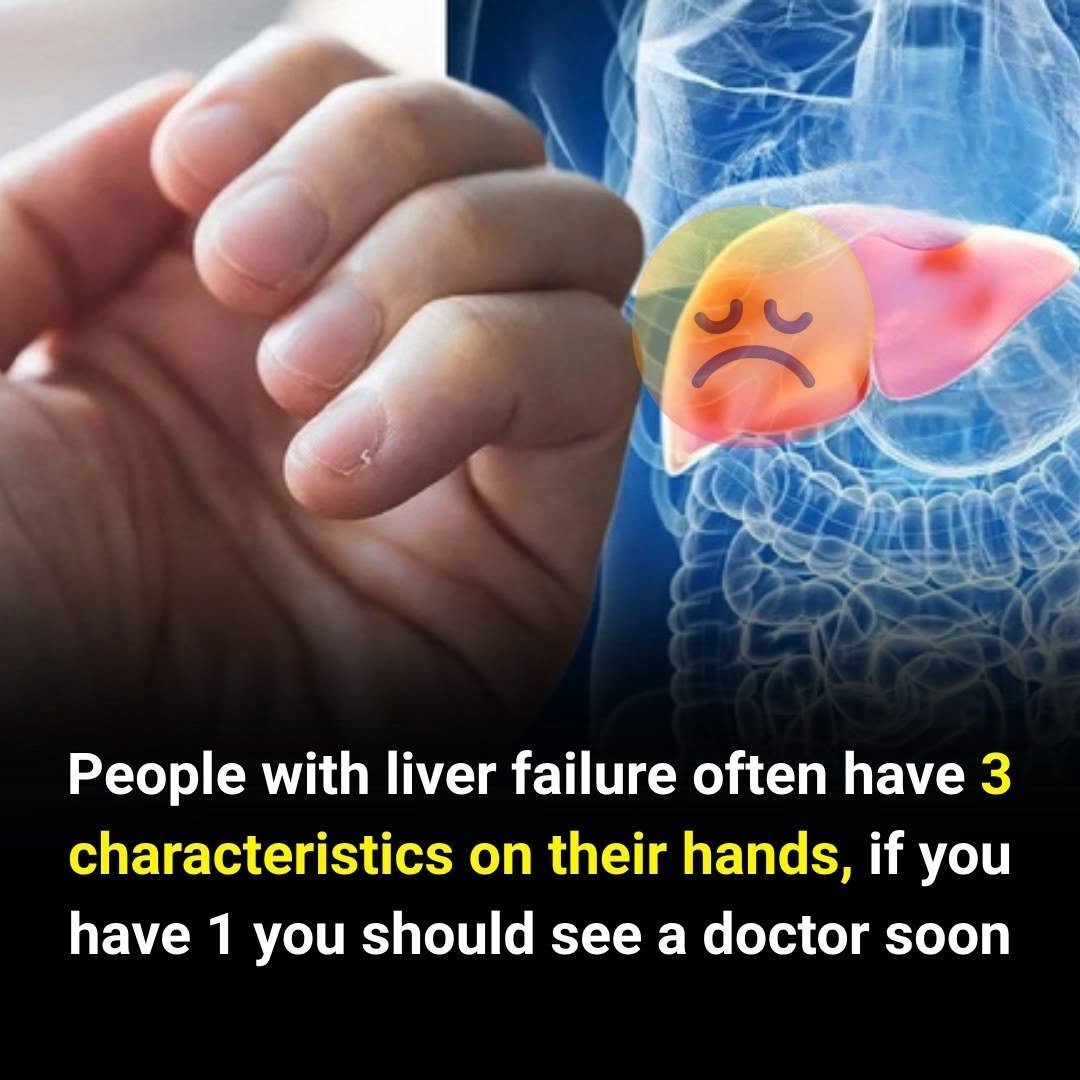
Your hands can sometimes show physical clues associated with chronic liver disease, although no hand sign by itself can diagnose liver failure. Three changes doctors may recognize are 1) unusually red palms (palmar erythema), 2) a flapping or trembling movement of the hands known as asterixis, and 3) changes in the fingers or nails, including clubbing or unusually pale nails. Palmar erythema is a recognized finding in cirrhosis, while clubbing and pale nails can also occur with advanced liver disease. Asterixis is different: when a person holds their arms out and extends their wrists, the hands may briefly “flap” because of impaired control of movement. This can occur with hepatic encephalopathy, a serious complication associated with significant liver dysfunction.
These signs are important, but they do not mean that liver failure is definitely present. Red palms, for example, can have causes unrelated to liver disease, while clubbing can occur with heart, lung, gastrointestinal, and other conditions. Asterixis can also have causes other than liver disease, so doctors consider the complete medical picture. More concerning liver-related symptoms include yellowing of the skin or eyes, abdominal swelling, easy bruising or bleeding, persistent itching, severe fatigue, confusion, unusual sleepiness, and vomiting blood. Doctors may use blood tests, physical examination, ultrasound or other imaging, and additional tests to determine whether the liver is functioning properly.
The safest message is don’t diagnose yourself from your hands alone, but don’t ignore a new or unexplained change either. If you notice persistent palm redness, significant nail or finger changes, or especially a new flapping movement of the hands, arrange a medical evaluation. If these changes occur alongside jaundice, increasing abdominal swelling, vomiting blood, severe bleeding, or confusion or unusual drowsiness, seek urgent medical attention because advanced liver disease and acute liver failure can become life-threatening. Disclaimer: This article is for general educational and health information only and does not constitute medical diagnosis, treatment, or personalized advice. Hand changes have many possible causes and cannot confirm liver failure. Always verify important health information through reliable medical sources and consult a qualified healthcare professional about new or persistent symptoms.
Leave a Reply