Blog

  • Eat These Foods More Often to Help Keep Your Arteries Clear and Your Heart Strong

    Eat These Foods More Often to Help Keep Your Arteries Clear and Your Heart Strong

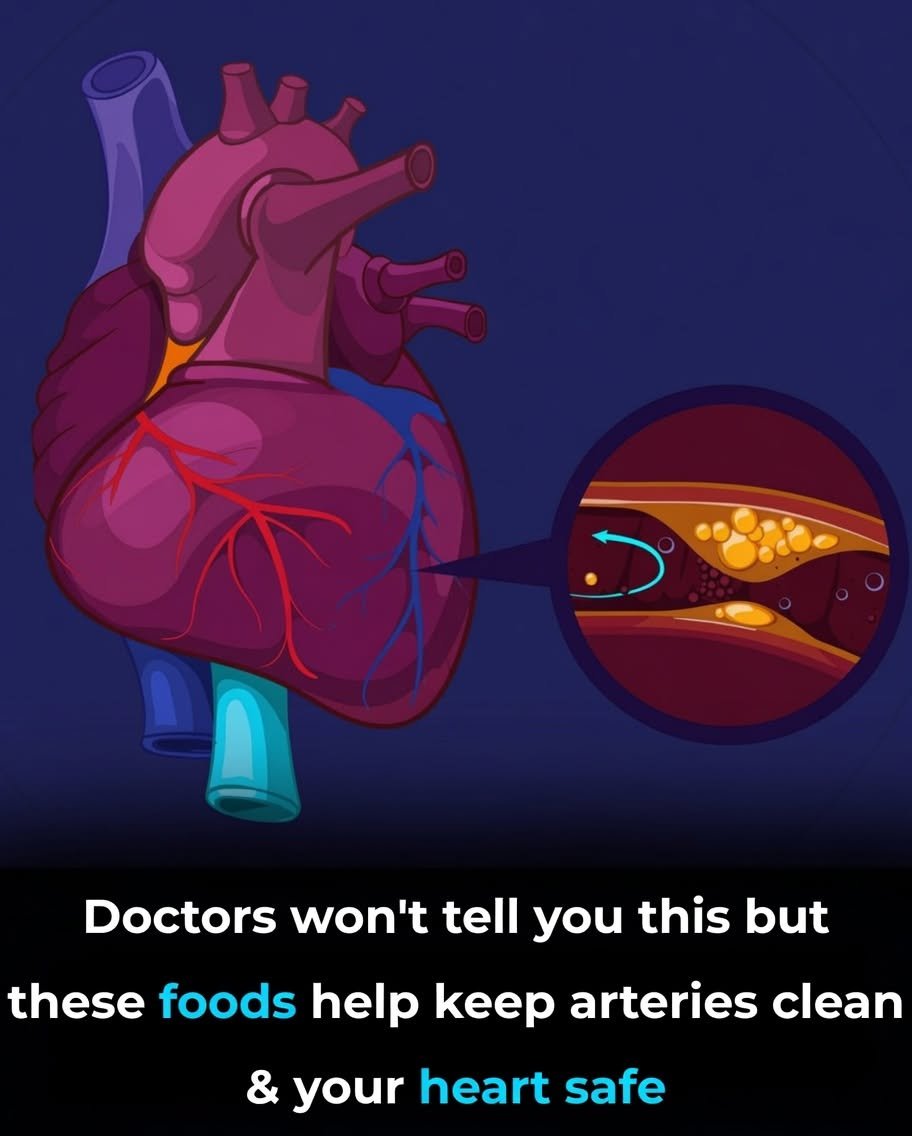
    Supporting cardiovascular health starts with the overall quality of your diet, not a single “superfood” that magically clears blocked arteries. Current American Heart Association guidance emphasizes a pattern rich in vegetables, fruits, whole grains, legumes, nuts, seeds, and healthy sources of protein, while limiting saturated fat, added sugars, excess sodium, and highly processed foods. Foods such as leafy greens, broccoli, carrots, tomatoes, berries, apples, and other colorful produce can provide fiber, vitamins, minerals, and beneficial plant compounds. Whole grains such as oatmeal and brown rice are particularly useful because they provide dietary fiber, while beans and lentils contribute both fiber and plant-based protein. These foods can support healthy cholesterol levels, blood pressure, body weight, and overall metabolic health—factors that are closely connected to cardiovascular wellness.

    Another valuable category is healthy fats and protein-rich foods. Unsalted nuts such as almonds and walnuts provide predominantly unsaturated fats, fiber, and other nutrients that can fit into a heart-supportive eating pattern. Fish such as salmon, trout, and other seafood can provide omega-3 fatty acids and serve as an alternative to foods higher in saturated fat. Avocados and non-tropical liquid plant oils can also provide unsaturated fats that are preferable to saturated-fat sources such as butter and fatty meats. For people focused on cholesterol management, soluble-fiber-rich foods—including oats, beans, and certain fruits—can be especially useful because soluble fiber can help reduce cholesterol absorption in the digestive tract. The key is to make healthier substitutions rather than simply adding extra calories: choose oatmeal instead of a refined breakfast pastry, nuts instead of salty snacks, and grilled fish or beans instead of processed meats.

    It’s also important to understand what “keeping arteries clear” actually means. Food cannot physically scrub plaque out of arteries, and no juice, fruit, vegetable, or supplement can guarantee the removal of existing arterial plaque. Instead, a heart-healthy dietary pattern can help manage risk factors associated with cardiovascular disease and may reduce the likelihood of future problems. The American Heart Association recommends minimizing saturated fats, added sugars, sodium, refined carbohydrates, and ultraprocessed foods while emphasizing minimally processed, nutrient-dense foods. Regular physical activity, maintaining a healthy weight, managing blood pressure, cholesterol and blood glucose, and avoiding tobacco are also important components of cardiovascular risk reduction. Disclaimer: This article is for general educational and informational purposes only and does not constitute medical, nutritional, or treatment advice. No individual food can guarantee clear arteries or prevent heart disease. Always verify health claims through reliable medical and scientific sources and consult a qualified healthcare professional for personalized cardiovascular guidance.


  • Your Hands Can Reveal Clues About Your Health — Here’s What Visible Veins May Mean

    Your Hands Can Reveal Clues About Your Health — Here’s What Visible Veins May Mean

    Visible veins on the hands are often completely normal, particularly when the veins have gradually become more noticeable without other symptoms. Several harmless factors can make superficial veins stand out, including lower body-fat levels, regular exercise, increased blood flow, genetics, and natural changes in the skin as you age. During intense exercise, for example, increased blood flow and muscle development can temporarily make veins in the hands and arms appear more prominent. Thinner, less elastic skin with age can also make veins easier to see. Therefore, prominent hand veins alone should not automatically be interpreted as a sign of poor circulation, heart disease, or another serious condition.

    However, a sudden change in your veins deserves more attention, especially when it occurs alongside swelling, pain, warmth, redness, or unusual discoloration. Bulging veins can sometimes be associated with inflammation or problems affecting blood flow, although these conditions are more commonly discussed in the legs than the hands. Swelling of the hands or arms can have many causes, including injury, infection, medication effects, temperature changes, fluid retention, circulation problems, or other medical conditions. If a vein becomes suddenly painful, warm, red, or swollen, it should not simply be dismissed as a cosmetic change. A healthcare professional can examine the area and, when appropriate, use imaging such as an ultrasound to investigate the underlying cause.

    The most important thing is to look at the whole picture rather than the appearance of a vein by itself. If your veins have always been visible and you have no discomfort, swelling, or other changes, they may simply reflect your anatomy and body composition. Staying physically active, maintaining a healthy weight, avoiding tobacco, and taking regular movement breaks during long periods of sitting can support healthy circulation. On the other hand, sudden prominent veins accompanied by significant swelling, pain, color changes, numbness, or breathing difficulties require prompt medical assessment. Disclaimer: This article is for general educational and informational purposes only and does not constitute medical advice, diagnosis, or treatment. Visible hand veins have many possible explanations and cannot diagnose a health condition by themselves. Always verify health information through reliable medical and scientific sources and consult a qualified healthcare professional about new, sudden, painful, or concerning changes.

  • Doctors Reveal That Eating Cucumber in Salads Causes… See More

    Doctors Reveal That Eating Cucumber in Salads Causes… See More

    Cucumber is a popular salad ingredient because it is refreshing, naturally low in calories, and provides water along with small amounts of vitamins and minerals. For most healthy people, eating cucumber in a salad is not harmful and can be a simple way to increase vegetable intake. However, raw cucumber is eaten without a cooking step, so food safety becomes particularly important. Fresh produce can sometimes become contaminated with harmful microorganisms during growing, harvesting, transportation, storage, or preparation. The FDA has specifically investigated cucumbers for microbial contamination and has confirmed that pathogens such as Salmonella can be present on cucumbers. This does not mean cucumbers are unsafe in general; rather, it highlights why proper handling matters when eating them raw.

    Another issue is how the salad is prepared and stored. Washing the cucumber thoroughly under running water before cutting can reduce surface contamination. Because cucumbers have a firm surface, the FDA recommends gently scrubbing them with a clean produce brush and drying them afterward. Importantly, washing with soap, detergent, bleach, or household disinfectants is not recommended because these substances can leave harmful residues or be absorbed by produce. Cross-contamination is another concern: using the same cutting board or knife for raw meat and then cucumber without proper cleaning can transfer harmful bacteria to a salad that will not be cooked. Once cucumber is cut and mixed into a salad, appropriate refrigeration also becomes important because fresh-cut produce can deteriorate and support microbial growth if handled or stored improperly.

    For most people, the message is simple: you do not need to stop eating cucumber salads. Instead, choose fresh, undamaged produce, wash your hands before preparation, rinse and scrub whole cucumbers under running water, use clean utensils, keep raw produce away from raw meat and poultry, and refrigerate prepared salads appropriately. If cucumber has visible mold, significant decay, an unusual smell, or other obvious signs of spoilage, it is safer to discard it rather than trying to rescue the affected portion. People who develop diarrhea, fever, abdominal cramps, vomiting, or other symptoms after eating potentially contaminated food should seek appropriate medical advice, particularly if symptoms are severe or persistent. Disclaimer: This article is for general educational and food-safety information only and does not constitute medical advice, diagnosis, or treatment. Cucumber is generally a nutritious food, and contamination is not inevitable. Always verify food-safety claims through reliable government, scientific, and medical sources and follow appropriate food-handling guidance.

  • Potatoes Aren’t Just Comfort Food—Doctors Reveal Their Hidden Effects

    Potatoes Aren’t Just Comfort Food—Doctors Reveal Their Hidden Effects

    Potatoes are often viewed as simple comfort food, but nutritionally they offer more than many people realize. A medium potato with its skin provides potassium, vitamin C, vitamin B6, and dietary fiber, although much of the fiber is concentrated in the peel. Potatoes are also naturally low in fat before ingredients such as butter, cream, or cooking oil are added. Their potassium content is particularly noteworthy because potassium is an essential mineral involved in normal muscle and nerve function and helps support healthy blood pressure. However, potatoes are also rich in starch, meaning they can raise blood glucose relatively quickly, particularly depending on the variety, portion size, and preparation method. So while potatoes can provide valuable nutrients, they should be considered a starchy carbohydrate rather than a replacement for a wide variety of non-starchy vegetables.

    The way potatoes are prepared can dramatically change their nutritional profile and potential health impact. French fries and heavily processed potato products can contain substantially more calories, sodium, and added fats than plain boiled or baked potatoes. Recent research highlighted by Harvard found that French-fry consumption was associated with a higher risk of developing type 2 diabetes, while baked, boiled, and mashed potatoes did not show the same association in that particular analysis. Cooking and cooling potatoes can also increase their resistant-starch content, which may result in a slower blood-sugar response compared with freshly cooked potatoes. For people trying to build a more balanced meal, a moderate portion of potatoes with the skin, combined with vegetables and a healthy protein source, may be a more sensible choice than making fries or highly processed potato foods a daily staple. People with kidney disease should also be aware that potatoes are relatively high in potassium and may need individualized dietary guidance.

    The key takeaway is that potatoes are not automatically healthy or unhealthy—the overall meal and preparation method matter. Boiling, baking, or roasting with modest amounts of unsaturated oil can preserve their nutritional value without adding excessive calories or saturated fat. Harvard researchers suggest that potatoes can fit into a healthy eating pattern when consumed in moderation, preferably with the skin intact and minimal added saturated fat. At the same time, regularly replacing whole grains or a variety of non-starchy vegetables with large portions of potatoes may not provide the same long-term nutritional advantages. A balanced diet should include different colorful vegetables, fruits, whole grains, legumes, nuts, and appropriate protein sources rather than relying heavily on one food. Disclaimer: This article is for general educational and informational purposes only and does not constitute medical, nutritional, or treatment advice. Individual dietary needs vary, particularly for people with diabetes, kidney disease, high blood pressure, or other health conditions. Always verify health claims through reliable medical and scientific sources and consult a qualified healthcare professional for personalized dietary guidance.

  • Note That If You Always Sleep on Your Right Side, You Should Know This…

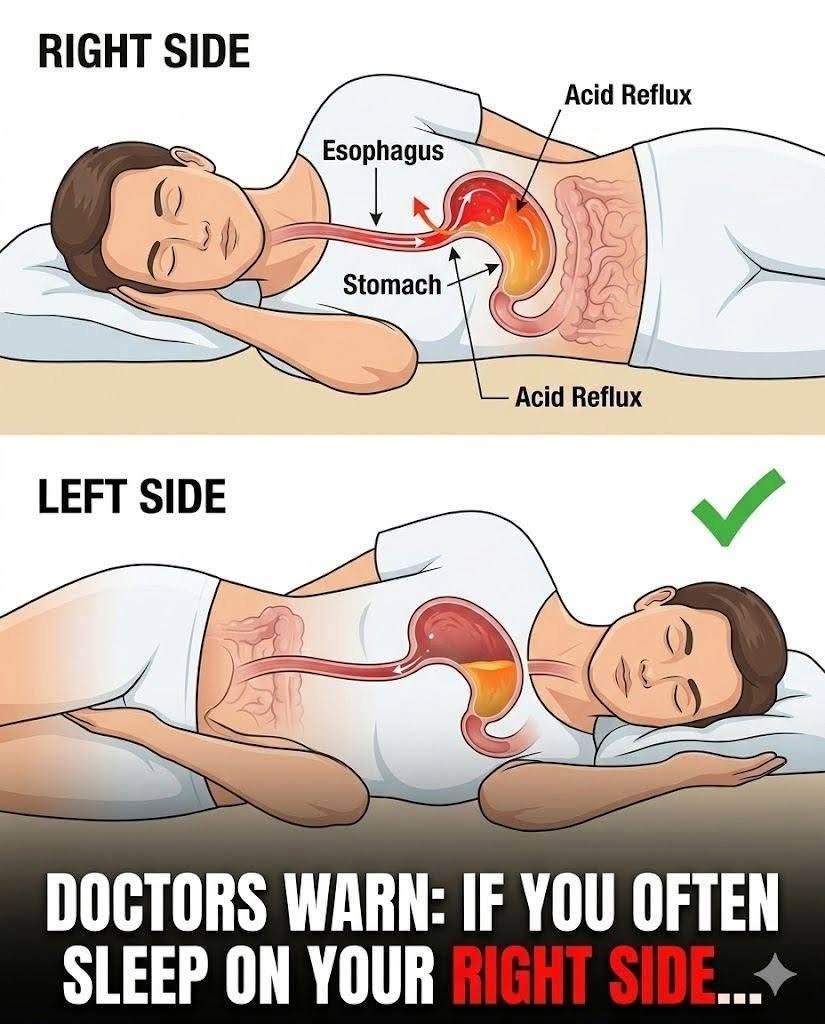
    Note That If You Always Sleep on Your Right Side, You Should Know This…

    Sleeping on your right side is not inherently dangerous for most healthy adults. In fact, side sleeping is generally considered a good sleep position because it can help keep the airway open and may reduce snoring compared with sleeping flat on the back. (Mayo Clinic) However, your preferred side can matter if you experience certain conditions. One example is acid reflux or GERD. For people who frequently experience nighttime reflux, medical guidance commonly recommends starting sleep on the left side, because this position can make reflux less likely. (Mayo Clinic) That does not mean sleeping on the right side will harm everyone; it simply means some people with reflux may notice worse symptoms in that position.

    If you wake with shoulder, neck, hip, or back discomfort, your sleeping position may also be contributing to pressure on certain areas. Side sleeping can be made more comfortable by keeping the neck aligned with the spine and placing a pillow between the knees, which can help reduce strain around the hips and lower back. (Mayo Clinic) Your mattress and pillow height also matter. A pillow that is too high or too low can leave the neck tilted for hours, potentially contributing to morning stiffness. Rather than forcing yourself to sleep on one particular side, pay attention to whether your position consistently produces discomfort, numbness, or poor-quality sleep. If you have persistent nighttime symptoms, changing positions may help, but the underlying cause should still be considered.

    There is one important exception: pregnancy, particularly after 28 weeks. NHS guidance recommends going to sleep on your side, either left or right, rather than on your back during later pregnancy. (NHS) So the idea that everyone must sleep exclusively on the left side is an oversimplification. For most healthy adults, the best position is the one that allows comfortable, uninterrupted breathing and restful sleep. If right-side sleeping repeatedly causes severe reflux, significant pain, numbness, breathing problems, or other concerning symptoms, discuss these issues with a qualified healthcare professional. Disclaimer: This article is for general educational and informational purposes only and does not constitute medical advice, diagnosis, or treatment. Sleep-position recommendations can vary according to individual health conditions, pregnancy, pain, and sleep disorders. Always verify health information through reliable medical and scientific sources and consult a qualified healthcare professional for personalized guidance.

  • Benefits of Drinking Coffee on an Empty Stomach — See More

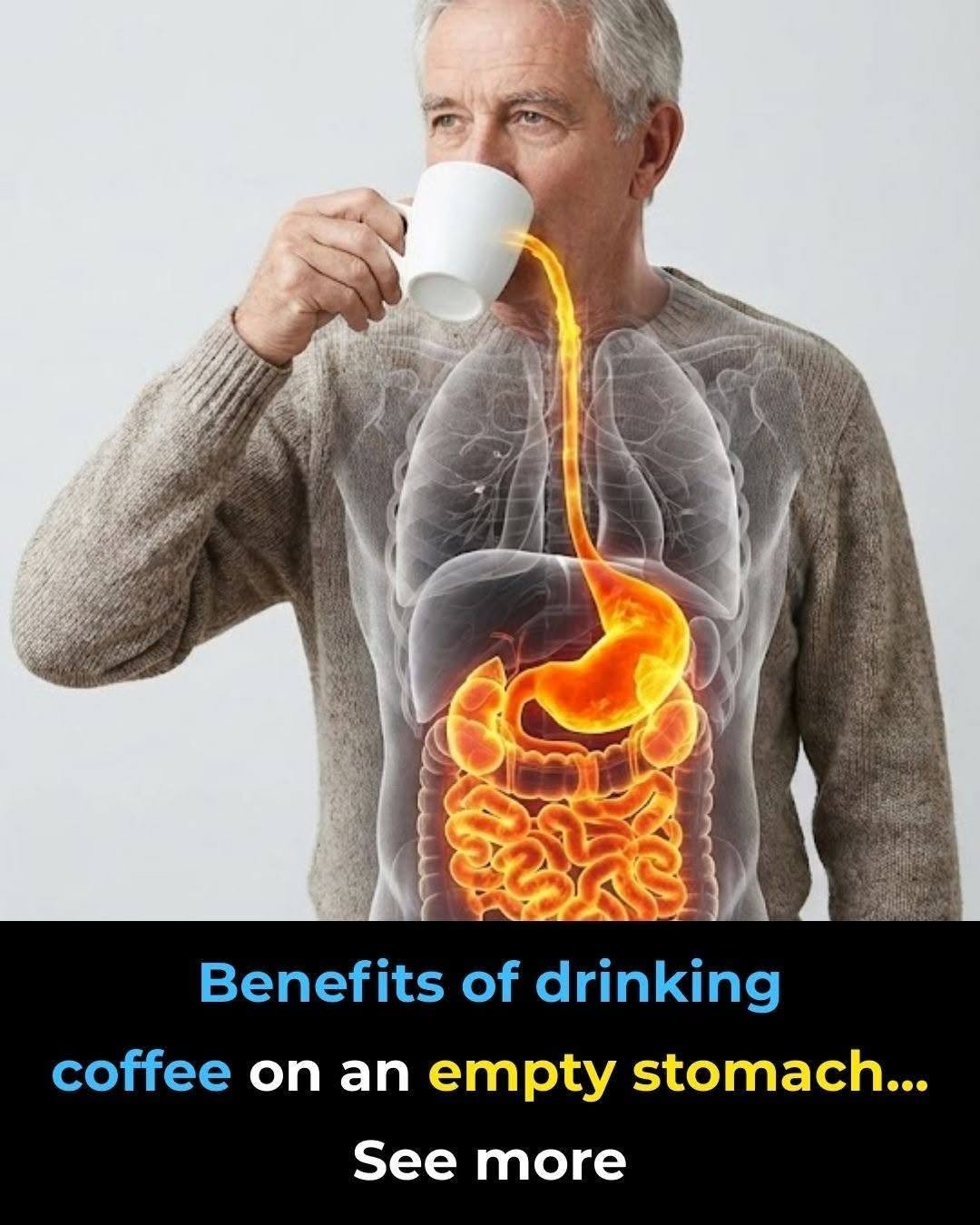
    Benefits of Drinking Coffee on an Empty Stomach — See More

    Drinking coffee before breakfast is a common morning routine, and for many healthy adults, moderate coffee consumption can fit into a healthy lifestyle. Coffee naturally contains caffeine, a stimulant that can increase alertness, attention, and energy, which may be especially useful early in the day. Research has also associated regular coffee consumption with several potential long-term health benefits, including lower risks of certain chronic conditions, although these associations do not prove that coffee itself prevents disease. (hsph.harvard.edu) Coffee also contains biologically active plant compounds, including polyphenols and other antioxidants. However, there is no strong evidence that drinking coffee specifically on an empty stomach provides unique health benefits compared with drinking it with food. The timing may simply work well for people who enjoy coffee first thing in the morning and tolerate it comfortably.

    For some people, however, coffee on an empty stomach can cause unwanted effects. Caffeine can stimulate the digestive system and may increase symptoms such as heartburn, acid reflux, stomach discomfort, or bowel urgency in sensitive individuals. (hopkinsmedicine.org) Coffee can also temporarily increase blood pressure, particularly in people who are not accustomed to caffeine. (mayoclinic.org) If you notice shakiness, anxiety, racing heartbeat, nausea, or stomach irritation after drinking coffee before eating, having it with breakfast or reducing the amount may be more comfortable. People who are pregnant, have certain heart conditions, significant anxiety, or take medications affected by caffeine may also need individualized advice about their caffeine intake. The goal should not be to force yourself into a particular coffee routine simply because a social-media post describes it as a “health hack.”

    The healthiest approach is to focus on how your body responds and how much caffeine you consume overall. For most healthy adults, the FDA says that up to about 400 milligrams of caffeine per day is an amount not generally associated with negative effects, although sensitivity varies considerably between individuals. (fda.gov) Avoid turning coffee into a high-sugar, high-calorie beverage if you’re trying to maintain a balanced diet, and remember that coffee should not replace nutritious meals or adequate hydration. If coffee consistently causes severe heartburn, palpitations, anxiety, or other unusual symptoms, consider discussing the issue with a healthcare professional. Disclaimer: This article is for general educational and informational purposes only and does not constitute medical or nutritional advice. Coffee affects individuals differently, and drinking it on an empty stomach has not been proven to provide special health benefits. Always verify health claims through reliable scientific and medical sources and consult a qualified healthcare professional for personalized guidance.

  • These 3 Sleep Habits May Seem Harmless—But They Could Signal Something More

    These 3 Sleep Habits May Seem Harmless—But They Could Signal Something More

    Some nighttime habits are easy to dismiss, especially when they happen occasionally. But if you regularly struggle to fall asleep, wake repeatedly during the night, or feel exhausted despite spending enough time in bed, it may be worth looking beyond ordinary tiredness. Persistent difficulty falling or staying asleep can be a sign of insomnia, which may be associated with stress, schedule changes, medications, medical conditions, or other sleep disorders. Another habit worth noticing is repeatedly waking up gasping, choking, or after loud snoring. These can be warning signs of sleep apnea, a condition in which breathing repeatedly stops and starts during sleep. A third pattern is an uncomfortable urge to constantly move your legs at night, particularly when resting or trying to fall asleep. This may resemble restless legs syndrome, which can cause crawling, tingling, burning, or other uncomfortable sensations that improve temporarily with movement.

    These patterns don’t automatically mean that someone has a medical disorder. Occasional poor sleep is extremely common, and factors such as stress, travel, an inconsistent bedtime, late caffeine, excessive screen use, an uncomfortable sleeping environment, or changing work schedules can interfere with normal sleep. However, frequency and daytime effects matter. If you regularly wake feeling unrefreshed, experience excessive daytime sleepiness, have difficulty concentrating, or repeatedly need naps, your sleep quality may deserve professional attention. Sleep apnea is particularly easy to overlook because the person experiencing it may not realize that their breathing is stopping during the night; a partner or family member may notice loud snoring, gasping, choking sounds, or pauses in breathing first. Persistent sleep problems can affect daily functioning and overall health, so simply accepting them as “normal” may not be the best approach.

    Supporting better sleep starts with consistent, evidence-based habits: maintain a regular sleep and wake schedule, keep the bedroom cool, dark, and quiet, limit caffeine close to bedtime, and avoid using electronic devices immediately before sleep when possible. Most adults generally need around 7–9 hours of sleep each night, although individual needs vary. If insomnia continues, you regularly wake gasping, someone notices breathing pauses, or uncomfortable leg sensations repeatedly interfere with sleep, speak with a qualified healthcare professional. A sleep evaluation or sleep study may be recommended depending on the symptoms. Disclaimer: This article is for general educational and informational purposes only and does not constitute medical advice, diagnosis, or treatment. These sleep habits can have many causes and do not automatically indicate a serious condition. Always verify health information through reliable medical and scientific sources and consult a qualified healthcare professional for persistent or concerning symptoms.

  • Could Your Liver Be Struggling? Common Signs of Fatty Liver Disease Revealed

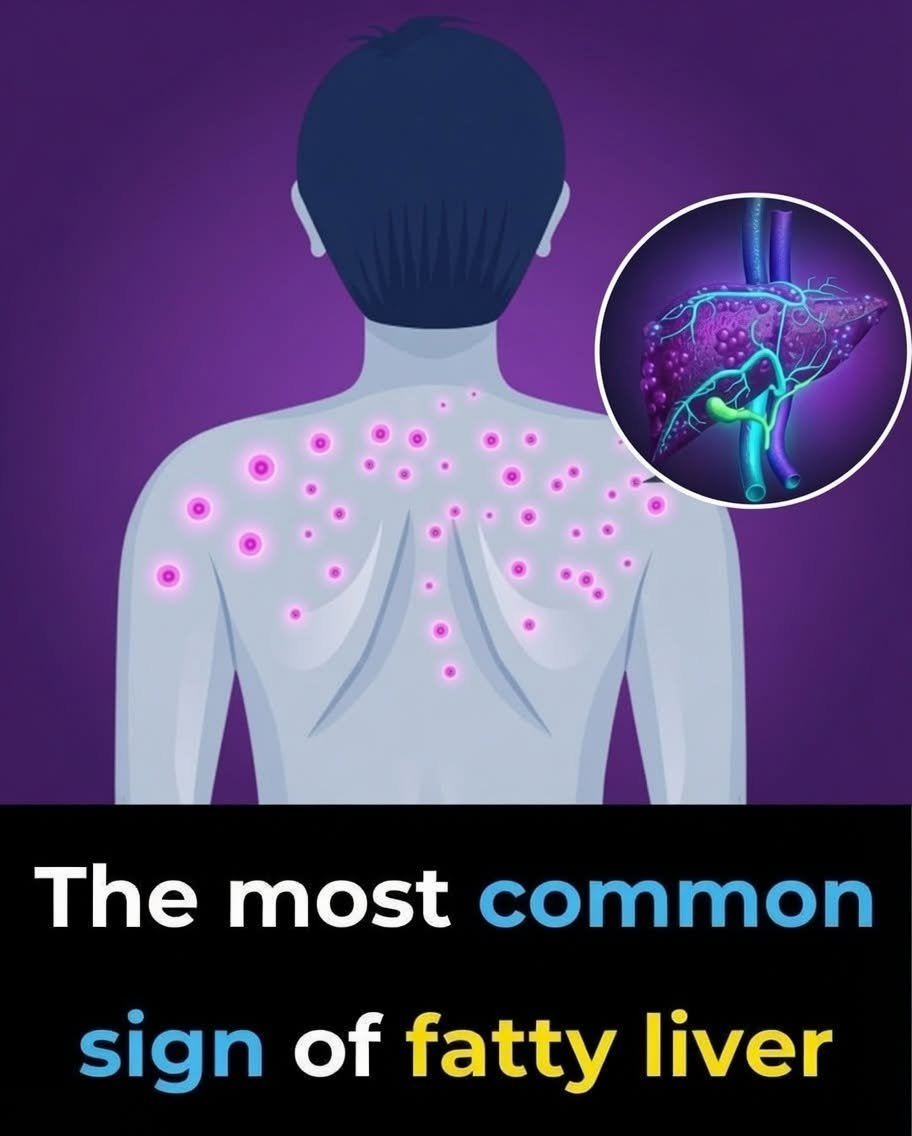
    Could Your Liver Be Struggling? Common Signs of Fatty Liver Disease Revealed

    Fatty liver disease, now commonly called metabolic dysfunction-associated steatotic liver disease (MASLD), occurs when excess fat builds up in the liver. One of the most challenging aspects of this condition is that it can remain silent for years, meaning many people have few or no noticeable symptoms. When symptoms do appear, they may include persistent tiredness, feeling generally unwell, or discomfort in the upper-right portion of the abdomen, where the liver is located. MASLD is more likely in people with conditions such as overweight or obesity, insulin resistance, type 2 diabetes, high blood pressure, abnormal cholesterol or triglyceride levels, and metabolic syndrome. However, having a normal body weight does not completely rule it out. Because symptoms alone cannot reliably identify fatty liver, medical evaluation may be necessary when risk factors or abnormal test results are present.

    As fatty liver progresses in some people, inflammation and liver injury can develop. This more serious stage, known as metabolic dysfunction-associated steatohepatitis (MASH), may eventually cause fibrosis, or scarring, and potentially cirrhosis. Advanced liver disease can produce warning signs such as yellowing of the skin or eyes, swelling in the abdomen or legs, itchy skin, unusual blood vessels under the skin, and other changes associated with impaired liver function. Importantly, these symptoms do not prove that someone has fatty liver because many other medical conditions can cause similar problems. Doctors may use blood tests, imaging studies, medical history, and sometimes additional testing to determine whether fat is present and whether there is evidence of liver inflammation or scarring. This is why relying solely on how you feel can provide false reassurance.

    The encouraging news is that lifestyle changes can make a meaningful difference for many people with MASLD. If someone is overweight or has obesity, gradual weight loss, healthier food choices, appropriate portion sizes, and regular physical activity can reduce liver fat and may also improve inflammation and fibrosis. A balanced eating pattern emphasizing vegetables, fruits, whole grains, and healthier unsaturated fats can support metabolic health, while reducing excessive calories and highly processed foods may be beneficial. There is no reliable “liver detox” drink or single food that can guarantee reversal of fatty liver. Disclaimer: This article is for general educational and informational purposes only and does not constitute medical advice, diagnosis, or treatment. Fatty liver can have different causes and stages, and symptoms may be absent even when disease is present. Always verify health information through reliable medical and scientific sources and consult a qualified healthcare professional for appropriate testing and personalized guidance.

  • Doctors Were Impressed by a 55-Year-Old Woman’s Healthy Routine — Here Are the 3 Foods She Ate Daily

    Doctors Were Impressed by a 55-Year-Old Woman’s Healthy Routine — Here Are the 3 Foods She Ate Daily

    A 55-year-old woman’s healthy routine may sound impressive, but there is no single combination of three foods that guarantees exceptional health or longevity. What matters most is the overall dietary pattern. Current American Heart Association guidance emphasizes eating plenty of vegetables and fruits, choosing mostly whole grains, including healthy protein sources, and favoring unsaturated fats over saturated fats. Three practical foods that fit this evidence-based approach are oatmeal, berries, and nuts. Oatmeal provides whole-grain carbohydrates and fiber, berries contribute vitamins and other plant compounds, while nuts provide protein, fiber, and predominantly unsaturated fats. Together, they can create a nutrient-dense breakfast that is satisfying and relatively simple to prepare. The important point is not that these foods are magical, but that they represent the type of minimally processed, nutrient-rich foods recommended within a healthy eating pattern.

    Oatmeal can be a useful source of whole grains and dietary fiber, particularly when choosing plain oats rather than heavily sweetened instant products. Adding berries can increase the variety of fruits in the meal, while a modest portion of nuts or seeds can provide healthy fats and additional nutrients. The American Heart Association specifically recommends a wide variety of fruits and vegetables, whole grains, healthy protein sources, nuts and seeds, while encouraging people to minimize added sugars, excess sodium, and highly processed foods. This kind of meal may also be more beneficial than focusing on one “superfood” because different foods provide different nutrients. For a 55-year-old adult, maintaining a healthy weight, staying physically active, managing blood pressure and cholesterol, and getting adequate sleep are also important parts of long-term cardiovascular health.

    The bigger lesson is that consistency beats sensational health hacks. Eating three nutritious foods every day can be helpful, but a healthy routine should still include variety across the week. Vegetables, fruits, whole grains, legumes, nuts, seeds, and appropriate protein sources can all contribute to a balanced eating pattern. There is also no need to believe claims that one particular food can “reverse aging,” prevent every disease, or guarantee a long life. Individual nutritional needs vary according to health conditions, medications, activity level, and personal circumstances. Disclaimer: This article is for general educational and informational purposes only and does not constitute medical or nutritional advice. The specific foods eaten by any individual do not prove that those foods caused their health outcomes. Always verify health claims through reliable scientific and medical sources and consult a qualified healthcare professional for personalized dietary guidance.

  • Aneurysms Can Be Silent — But These Warning Signs May Need Immediate Attention

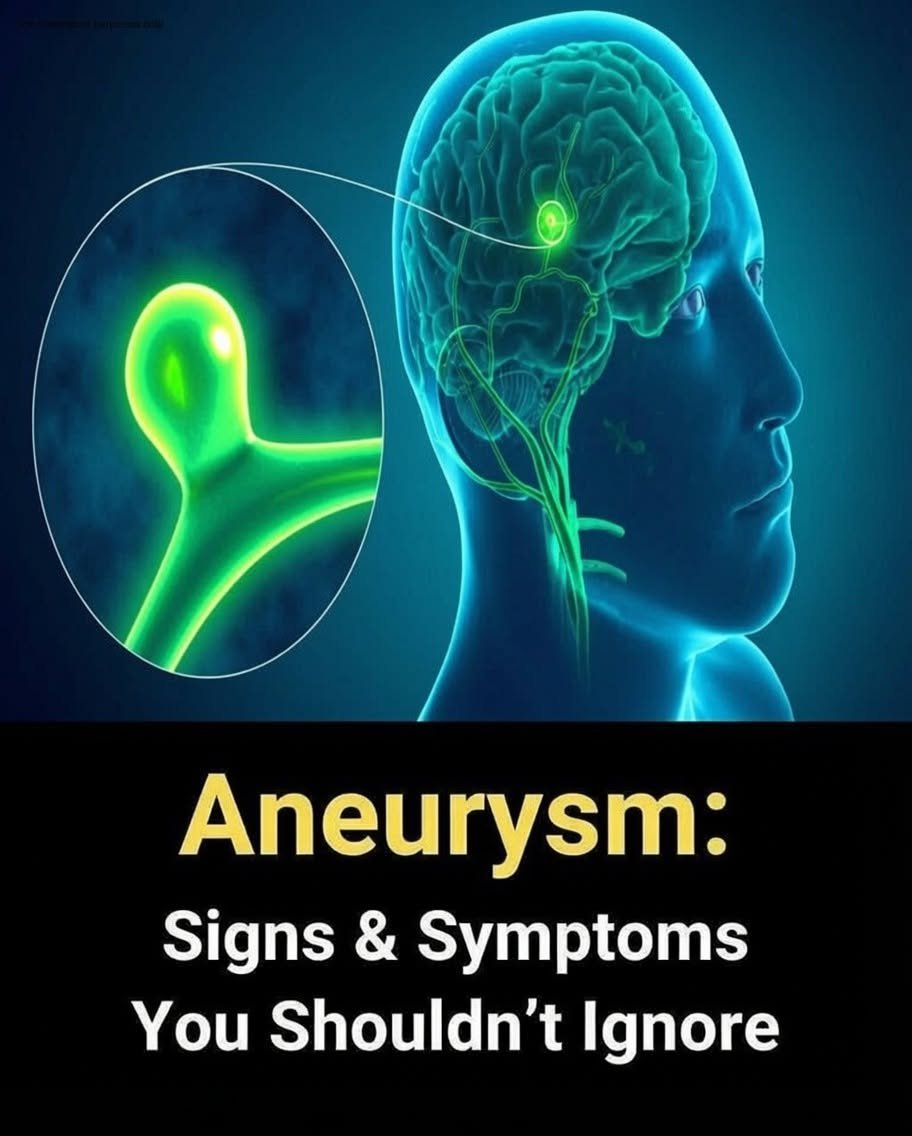
    Aneurysms Can Be Silent — But These Warning Signs May Need Immediate Attention

    An aneurysm is a weakened area in the wall of a blood vessel that can gradually enlarge without producing noticeable symptoms. Many aneurysms are discovered accidentally during imaging performed for another reason, which is why the absence of symptoms does not necessarily mean an aneurysm is impossible. Brain aneurysms, for example, often remain silent until they become large, press on nearby nerves, leak, or rupture. A larger unruptured brain aneurysm may cause pain around or behind one eye, vision changes or double vision, a dilated pupil, numbness, or weakness on one side of the face. (ninds.nih.gov) Aneurysms can also occur in major arteries such as the aorta, where symptoms can differ depending on their location and size. Because symptoms overlap with many other conditions, they should not be used to self-diagnose an aneurysm. (medlineplus.gov)

    The most important warning sign of a ruptured brain aneurysm is a sudden, extremely severe headache that may feel unlike any previous headache and is sometimes described as a “thunderclap” headache. It can occur with nausea, vomiting, stiff neck, sensitivity to light, confusion, seizures, vision changes, weakness, or loss of consciousness. (ninds.nih.gov) A sudden severe headache accompanied by neurological symptoms should be treated as an emergency rather than something to monitor at home. Aneurysms elsewhere in the body can produce different emergency symptoms; for example, rupture of an abdominal aortic aneurysm may cause sudden, severe abdominal or back pain, while a thoracic aneurysm complication can cause intense chest or upper-back pain. (newsinhealth.nih.gov) Because internal bleeding can become life-threatening very quickly, immediate emergency medical care is essential when rupture is suspected.

    Although not every aneurysm can be prevented, several lifestyle measures can help reduce important risk factors. Keeping blood pressure under control, avoiding tobacco, exercising regularly, maintaining a healthy diet, and managing cholesterol can support overall blood-vessel health. (newsinhealth.nih.gov) People with a strong family history of aneurysms or certain inherited conditions may need to discuss screening with a healthcare professional. (ninds.nih.gov) Most importantly, never ignore a sudden, severe, unusual headache, fainting, seizure, sudden weakness, major vision changes, or severe unexplained chest, abdominal, or back pain. Disclaimer: This article is for general educational and informational purposes only and does not constitute medical advice, diagnosis, or treatment. Aneurysms can have different causes, locations, and symptoms, and these signs do not confirm an aneurysm. Always verify health information through reliable medical and scientific sources and seek emergency medical attention for sudden or severe symptoms.