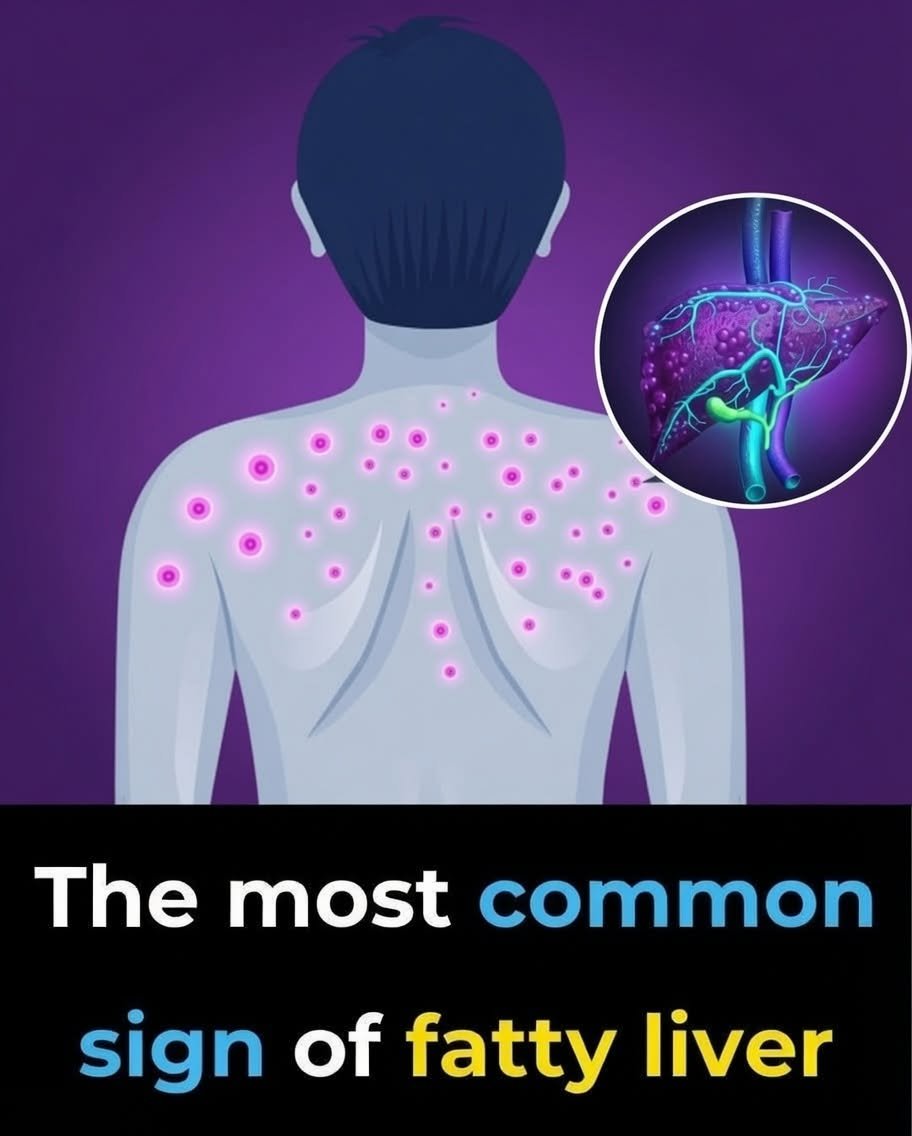
Fatty liver disease, now commonly called metabolic dysfunction-associated steatotic liver disease (MASLD), occurs when excess fat builds up in the liver. One of the most challenging aspects of this condition is that it can remain silent for years, meaning many people have few or no noticeable symptoms. When symptoms do appear, they may include persistent tiredness, feeling generally unwell, or discomfort in the upper-right portion of the abdomen, where the liver is located. MASLD is more likely in people with conditions such as overweight or obesity, insulin resistance, type 2 diabetes, high blood pressure, abnormal cholesterol or triglyceride levels, and metabolic syndrome. However, having a normal body weight does not completely rule it out. Because symptoms alone cannot reliably identify fatty liver, medical evaluation may be necessary when risk factors or abnormal test results are present.
As fatty liver progresses in some people, inflammation and liver injury can develop. This more serious stage, known as metabolic dysfunction-associated steatohepatitis (MASH), may eventually cause fibrosis, or scarring, and potentially cirrhosis. Advanced liver disease can produce warning signs such as yellowing of the skin or eyes, swelling in the abdomen or legs, itchy skin, unusual blood vessels under the skin, and other changes associated with impaired liver function. Importantly, these symptoms do not prove that someone has fatty liver because many other medical conditions can cause similar problems. Doctors may use blood tests, imaging studies, medical history, and sometimes additional testing to determine whether fat is present and whether there is evidence of liver inflammation or scarring. This is why relying solely on how you feel can provide false reassurance.
The encouraging news is that lifestyle changes can make a meaningful difference for many people with MASLD. If someone is overweight or has obesity, gradual weight loss, healthier food choices, appropriate portion sizes, and regular physical activity can reduce liver fat and may also improve inflammation and fibrosis. A balanced eating pattern emphasizing vegetables, fruits, whole grains, and healthier unsaturated fats can support metabolic health, while reducing excessive calories and highly processed foods may be beneficial. There is no reliable “liver detox” drink or single food that can guarantee reversal of fatty liver. Disclaimer: This article is for general educational and informational purposes only and does not constitute medical advice, diagnosis, or treatment. Fatty liver can have different causes and stages, and symptoms may be absent even when disease is present. Always verify health information through reliable medical and scientific sources and consult a qualified healthcare professional for appropriate testing and personalized guidance.
Leave a Reply