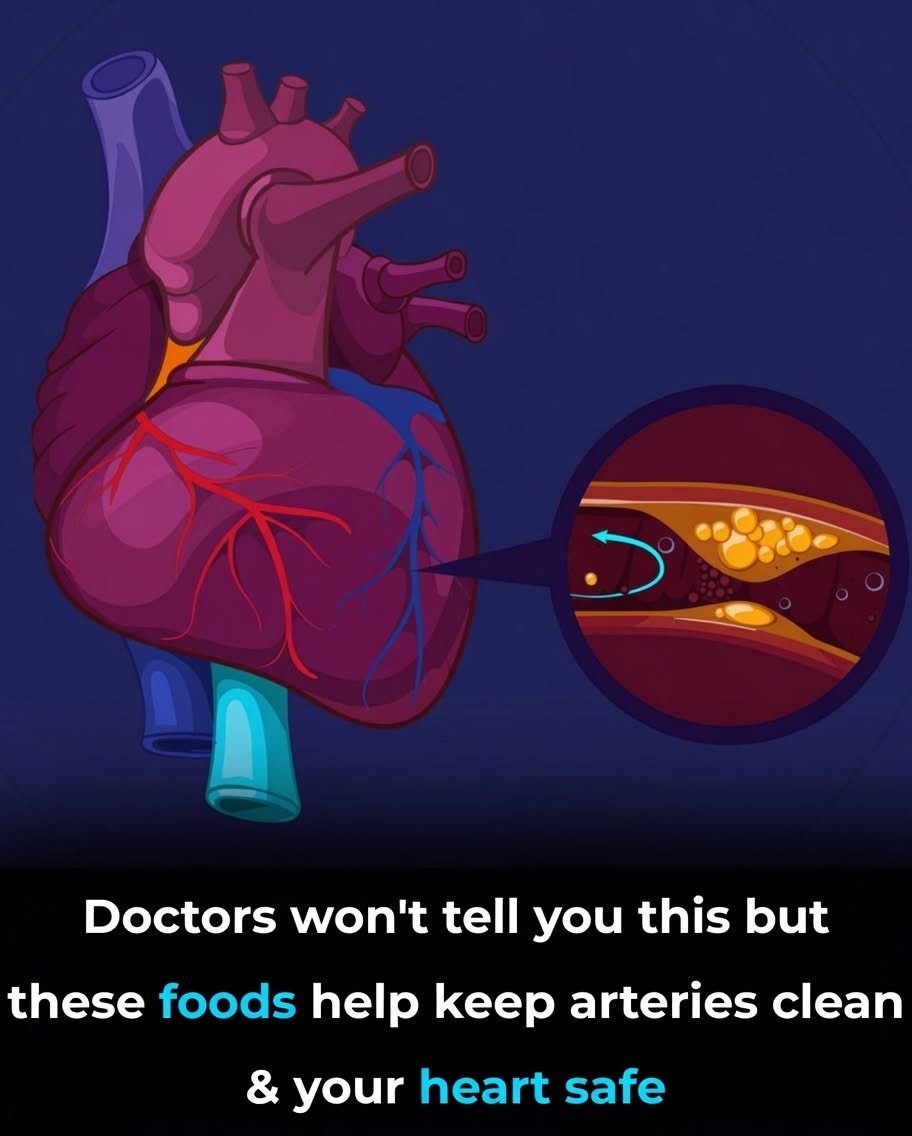
Supporting cardiovascular health starts with the overall quality of your diet, not a single “superfood” that magically clears blocked arteries. Current American Heart Association guidance emphasizes a pattern rich in vegetables, fruits, whole grains, legumes, nuts, seeds, and healthy sources of protein, while limiting saturated fat, added sugars, excess sodium, and highly processed foods. Foods such as leafy greens, broccoli, carrots, tomatoes, berries, apples, and other colorful produce can provide fiber, vitamins, minerals, and beneficial plant compounds. Whole grains such as oatmeal and brown rice are particularly useful because they provide dietary fiber, while beans and lentils contribute both fiber and plant-based protein. These foods can support healthy cholesterol levels, blood pressure, body weight, and overall metabolic health—factors that are closely connected to cardiovascular wellness.
Another valuable category is healthy fats and protein-rich foods. Unsalted nuts such as almonds and walnuts provide predominantly unsaturated fats, fiber, and other nutrients that can fit into a heart-supportive eating pattern. Fish such as salmon, trout, and other seafood can provide omega-3 fatty acids and serve as an alternative to foods higher in saturated fat. Avocados and non-tropical liquid plant oils can also provide unsaturated fats that are preferable to saturated-fat sources such as butter and fatty meats. For people focused on cholesterol management, soluble-fiber-rich foods—including oats, beans, and certain fruits—can be especially useful because soluble fiber can help reduce cholesterol absorption in the digestive tract. The key is to make healthier substitutions rather than simply adding extra calories: choose oatmeal instead of a refined breakfast pastry, nuts instead of salty snacks, and grilled fish or beans instead of processed meats.
It’s also important to understand what “keeping arteries clear” actually means. Food cannot physically scrub plaque out of arteries, and no juice, fruit, vegetable, or supplement can guarantee the removal of existing arterial plaque. Instead, a heart-healthy dietary pattern can help manage risk factors associated with cardiovascular disease and may reduce the likelihood of future problems. The American Heart Association recommends minimizing saturated fats, added sugars, sodium, refined carbohydrates, and ultraprocessed foods while emphasizing minimally processed, nutrient-dense foods. Regular physical activity, maintaining a healthy weight, managing blood pressure, cholesterol and blood glucose, and avoiding tobacco are also important components of cardiovascular risk reduction. Disclaimer: This article is for general educational and informational purposes only and does not constitute medical, nutritional, or treatment advice. No individual food can guarantee clear arteries or prevent heart disease. Always verify health claims through reliable medical and scientific sources and consult a qualified healthcare professional for personalized cardiovascular guidance.
Leave a Reply