Blog

  • What to Do If You’re Bitten by a Snake

    What to Do If You’re Bitten by a Snake

    A snakebite should be treated as a medical emergency, especially when the snake could be venomous. The first priority is to move away from the snake without attempting to catch or kill it, then keep the bitten person as calm and still as possible. Remove rings, bracelets, watches, or tight clothing near the affected area because swelling can develop. Immobilize the bitten limb with a splint or sling if possible and arrange urgent transportation to the nearest appropriate medical facility. Do not wait for severe symptoms to appear: venomous bites can potentially cause paralysis, dangerous bleeding, tissue damage, or kidney failure, and appropriate antivenom is the most effective treatment for serious envenoming.

    There are several things you should never do after a suspected venomous snakebite. Do not cut or slice the wound, attempt to suck out venom, apply ice, use a tight tourniquet, burn the area, apply chemicals or herbal remedies, or use traditional “snakebite cures.” These approaches can cause additional injury or delay effective medical treatment. If the person begins vomiting or becomes very weak, placing them on their side in the recovery position can help protect their airway while medical help is being arranged. Continue monitoring breathing and consciousness, and be prepared to provide appropriate resuscitation if necessary. If it can be done safely from a distance, remembering the snake’s appearance or taking a photograph may help clinicians identify the appropriate antivenom, but never risk another bite trying to capture it.

    The most important message is simple: stay calm, keep the person still, immobilize the affected limb, and get professional medical care as quickly as possible. Do not rely on home remedies, and do not assume a bite is harmless simply because there is little pain or swelling initially. Symptoms vary considerably depending on the snake species and venom, and some serious effects can develop later. In areas where venomous snakes are common, knowing the location of the nearest medical facility capable of treating snakebite can be an important part of emergency preparedness. Disclaimer: This article is for general educational and emergency-awareness purposes only and does not replace professional medical care. Snakebite treatment can vary according to the snake species and region. If a snakebite has occurred, seek emergency medical attention immediately and follow instructions from qualified healthcare professionals. Always verify first-aid guidance through reliable medical authorities.

  • 9 Warning Signs of Diabetes You Shouldn’t Ignore

    9 Warning Signs of Diabetes You Shouldn’t Ignore

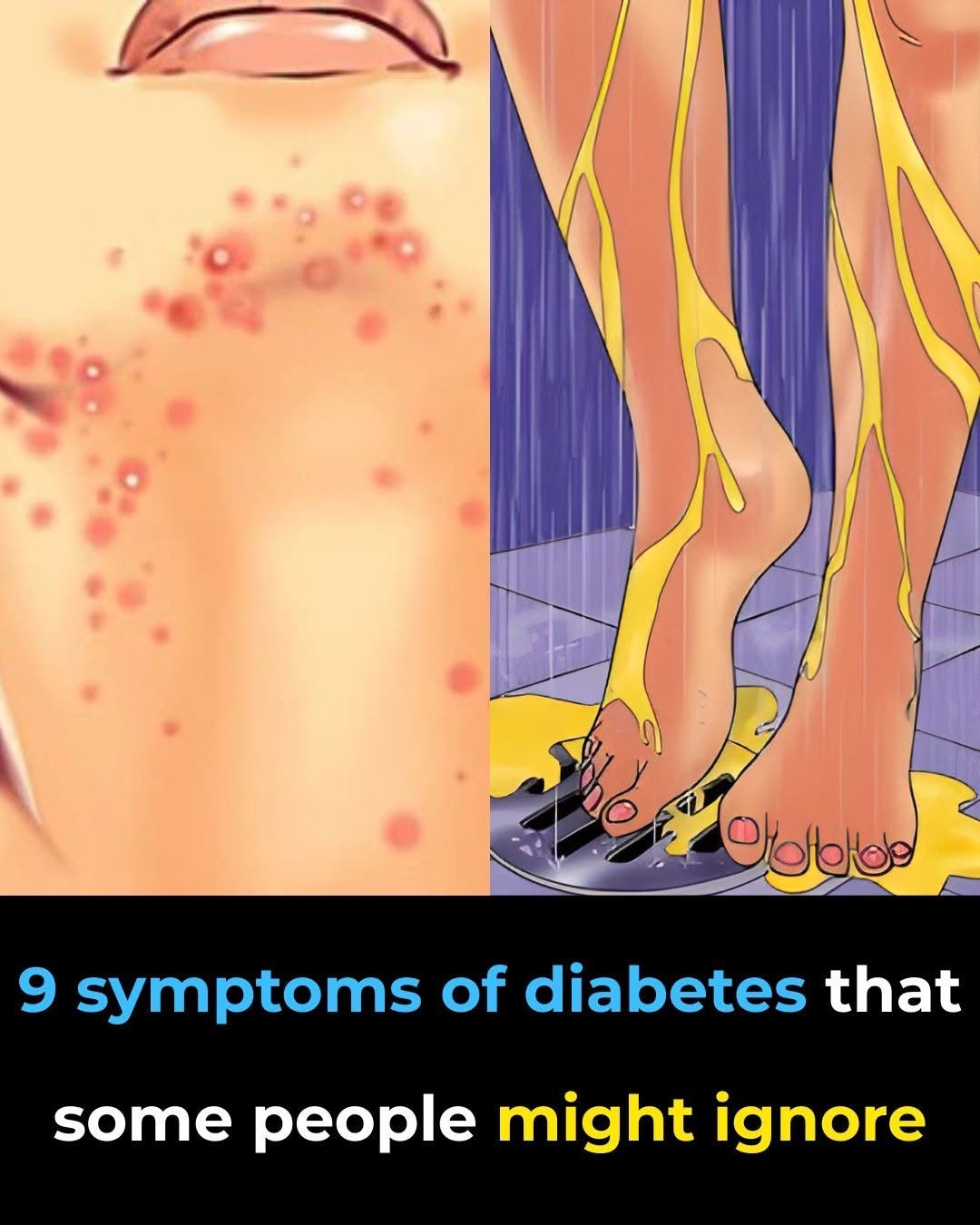
    Diabetes can develop gradually, and some people may have few or no noticeable symptoms, particularly with type 2 diabetes. However, several changes can indicate that blood glucose levels may be higher than normal. Nine warning signs worth knowing are frequent urination, excessive thirst, increased hunger, unexplained weight loss, persistent fatigue, blurred vision, slow-healing cuts or sores, frequent infections, and tingling or numbness in the hands or feet. Frequent urination and unusual thirst can occur because excess glucose in the blood causes the kidneys to work harder to remove it. Fatigue and unexplained weight loss can also occur when the body cannot effectively use glucose for energy. Meanwhile, persistently elevated blood glucose can affect the eyes, nerves, immune defenses, and the body’s ability to heal wounds. These symptoms do not automatically mean someone has diabetes, but several occurring together are a good reason to discuss testing with a healthcare professional.

    Some symptoms can be particularly easy to dismiss. Blurred vision, for example, can occur when high blood glucose affects fluid levels in the eye, while repeated urinary, skin, or yeast infections may be associated with diabetes. Tingling, burning, or reduced sensation in the feet and hands can occur when diabetes-related nerve damage develops, although this complication generally develops over time. Another important point is that symptoms can vary according to the type of diabetes. Type 1 diabetes can sometimes develop rapidly over days or weeks and may involve unexplained weight loss, while type 2 diabetes can progress slowly for years without obvious symptoms. In some cases, people discover they have diabetes only after a routine blood test or after developing another health problem. That is why relying only on symptoms is not enough—blood-glucose testing is needed to determine whether diabetes is actually present.

    If you notice several of these changes, particularly persistent thirst, frequent urination, unexplained weight loss, unusual tiredness, or vision changes, consider arranging appropriate medical testing rather than waiting for symptoms to become severe. A healthcare professional can determine whether blood-glucose testing, an A1C test, or other evaluation is appropriate. Diabetes is manageable, and identifying elevated blood glucose early can provide an opportunity to address it before complications become more serious. If someone develops extreme tiredness, vomiting, abdominal pain, trouble breathing, fruity-smelling breath, dehydration, confusion, or fainting, urgent medical attention is important because these can occur with diabetic ketoacidosis, a potentially life-threatening emergency. Disclaimer: This article is for general educational and informational purposes only and does not constitute medical advice, diagnosis, or treatment. These symptoms can have many different causes and cannot confirm diabetes by themselves. Always verify health information through reliable medical and scientific sources and consult a qualified healthcare professional for appropriate testing and personalized guidance.

  • Woman Suffers Sudden Kidney Failure After a Meal — Is This Vegetable Really “Poisonous”?

    Woman Suffers Sudden Kidney Failure After a Meal — Is This Vegetable Really “Poisonous”?

    A dramatic headline like this can easily create unnecessary fear, but there is one important food-related kidney warning that is supported by medical case reports: star fruit (carambola) can cause serious toxicity in certain circumstances. Technically, star fruit is a fruit rather than a vegetable, so claims calling it a “poisonous vegetable” are misleading. Research has documented cases of acute kidney injury after people consumed large quantities of star fruit or concentrated star-fruit juice. In one report, a 56-year-old woman with diabetes and previously normal kidney function developed acute kidney injury after consuming a large amount of star-fruit juice at once. The risk is particularly concerning for people who already have chronic kidney disease because their kidneys may not effectively eliminate substances in star fruit that can become toxic. The National Kidney Foundation specifically advises people with kidney disease to avoid star fruit because it can cause serious neurological and other complications.

    The potential danger appears to involve oxalate and a neurotoxic compound associated with star fruit. Large amounts, particularly concentrated juice, may contribute to oxalate-related kidney injury, while the neurotoxin can accumulate when kidney function is impaired. Reported symptoms can include nausea, vomiting, abdominal discomfort, persistent hiccups, reduced urine output, confusion, and in severe cases seizures or other neurological complications. Several case reports also suggest that consuming large amounts while dehydrated or on an empty stomach may increase the risk of kidney injury. Importantly, this does not mean that every person who eats a normal serving of star fruit will develop kidney failure. Serious toxicity is uncommon in people with healthy kidneys, but documented cases show that excessive consumption can occasionally cause acute kidney injury even in individuals without previously recognized kidney disease.

    The safest message is therefore not “never eat this food,” but know whether you are in a higher-risk group and avoid excessive amounts. Anyone with chronic kidney disease, reduced kidney function, or a history of unexplained kidney problems should discuss star fruit with a healthcare professional before consuming it. People should also avoid using large amounts of star fruit or concentrated juice as a home remedy for diabetes or other medical conditions. If someone develops persistent vomiting, severe abdominal discomfort, dramatically reduced urine output, confusion, or unusual neurological symptoms after consuming a large amount of star fruit, urgent medical assessment is appropriate. Disclaimer: This article is for general educational and informational purposes only and does not constitute medical, nutritional, or treatment advice. Star-fruit toxicity is uncommon and individual risk varies; a specific person’s kidney failure cannot be attributed to a food without verified medical evidence. Always verify health claims through reliable scientific and medical sources and consult a qualified healthcare professional for personalized guidance.

  • If Your Legs Are Swollen, Doctors Warn This Could Be a Serious Sign

    If Your Legs Are Swollen, Doctors Warn This Could Be a Serious Sign

    Swollen legs, ankles, or feet are often caused by oedema, a buildup of fluid in body tissues. Sometimes the explanation is relatively simple—such as sitting or standing for a long time, eating a very salty diet, being overweight, pregnancy, certain medications, or varicose veins. However, persistent swelling can also be associated with problems involving the heart, kidneys, liver, or circulation. This is why recurring swelling should not automatically be dismissed as normal, especially when there is no obvious explanation. Heart failure, for example, can cause fluid to accumulate in the feet, ankles, legs, or abdomen and may occur alongside breathlessness, tiredness, coughing, or sudden weight gain. The pattern matters too: swelling in both legs can have different causes from sudden swelling affecting only one leg.

    One of the situations doctors take particularly seriously is sudden swelling in one leg, especially when it occurs with pain, tenderness, warmth, redness, darkened skin, or visibly swollen veins. These can be warning signs of deep vein thrombosis (DVT), a blood clot that commonly develops in a deep vein in the leg. DVT can become dangerous if part of the clot travels to the lungs and causes a pulmonary embolism. If leg swelling or pain is accompanied by shortness of breath, chest pain, coughing up blood, severe dizziness, or fainting, immediate emergency medical attention is needed because a pulmonary embolism can be life-threatening. Similarly, swelling that becomes suddenly severe, painful, hot, or red, or swelling accompanied by fever or chills, should receive prompt medical assessment.

    For mild swelling with an obvious temporary cause, simple measures such as raising the legs when resting, gentle walking, avoiding prolonged sitting or standing, and reducing excessive salt intake may help. However, persistent or worsening swelling deserves professional evaluation rather than self-treatment, because the appropriate treatment depends entirely on the underlying cause. A healthcare professional may review medications, examine circulation, and order tests when necessary to distinguish fluid retention from vascular, heart, kidney, liver, or other conditions. Disclaimer: This article is for general educational and informational purposes only and does not constitute medical advice, diagnosis, or treatment. Leg swelling has many possible causes, and the presence of swelling alone cannot confirm a serious illness. Always verify health information through reliable medical and scientific sources and consult a qualified healthcare professional about new, persistent, sudden, painful, or unexplained swelling.

  • These 9 Unusual Itching Symptoms Could Be Your Body’s Way of Signaling Underlying Illness

    These 9 Unusual Itching Symptoms Could Be Your Body’s Way of Signaling Underlying Illness

    Itching, medically known as pruritus, is extremely common and is usually caused by something relatively simple, such as dry skin, eczema, allergies, insect bites, irritation from soaps or detergents, or a reaction to medication. However, persistent or unexplained itching can occasionally be associated with an underlying medical condition. Nine patterns worth paying attention to include whole-body itching without an obvious rash, severe itching that repeatedly occurs at night, itching concentrated on the palms or soles, itching accompanied by yellowing of the skin or eyes, itching with unusual fatigue, itching accompanied by unexplained weight loss, itching with excessive thirst or other diabetes symptoms, itching with significant changes in urination, and itching accompanied by swollen lymph nodes or unexplained fever or night sweats. These patterns do not diagnose a disease, but they can help explain why persistent symptoms should not always be dismissed. Liver, kidney and thyroid disorders, diabetes, iron-deficiency anemia and certain blood disorders are among the systemic conditions that can sometimes cause itching.

    The location and timing of the itch can provide useful clues, although they are not diagnostic by themselves. For example, itching associated with some liver conditions may begin around the palms and become more widespread, while itching related to advanced kidney disease can occur with dry or scaly skin and may become particularly troublesome at night. Thyroid disorders can also contribute to itchy, dry skin, and diabetes-related nerve problems may cause localized itching or unusual sensations in the hands, feet or legs. Persistent generalized itching without a visible skin rash is another reason a healthcare professional may consider blood tests to evaluate possible liver, kidney, thyroid, glucose or iron-related problems. In uncommon cases, generalized itching can occur alongside certain cancers, particularly lymphomas or leukemias, but itching by itself is far more often caused by something other than cancer. Recent medical guidance emphasizes that cancer-related itching is uncommon and is more concerning when it persists for weeks or months, affects large areas, occurs without an obvious rash, or appears alongside symptoms such as unexplained weight loss or fatigue.

    If itching continues for several weeks, repeatedly disrupts sleep, spreads across the body, or occurs together with jaundice, unexplained weight loss, persistent fever, night sweats, unusual fatigue, swollen lymph nodes, or other unexplained symptoms, arranging a medical evaluation is sensible. A clinician may examine the skin carefully and review medications, personal-care products, allergies, recent travel and other possible triggers before deciding whether blood tests or additional investigations are appropriate. In the meantime, gentle fragrance-free moisturizers, avoiding very hot showers, limiting harsh soaps and keeping the skin well hydrated may reduce itching caused by dryness or irritation. Disclaimer: This article is for general educational and informational purposes only and does not constitute medical advice, diagnosis, or treatment. Most itching is not caused by a serious illness, and the symptoms described above cannot confirm any particular disease. Always verify health information through reliable medical and scientific sources and consult a qualified healthcare professional about persistent, severe, widespread, or unexplained itching.

  • Before You Drink Coconut Water, See If You Belong to One of These 6 Groups

    Before You Drink Coconut Water, See If You Belong to One of These 6 Groups

    Coconut water is often marketed as a natural hydration drink because it contains electrolytes such as potassium and sodium, and it can be a lower-calorie alternative to many sweetened beverages. For most healthy adults, moderate amounts can fit into a balanced diet. However, it is not automatically the best choice for everyone. The first group that should be especially cautious is people with chronic kidney disease, because impaired kidneys may have difficulty removing excess potassium from the blood. The National Kidney Foundation notes that potassium requirements in kidney disease depend on kidney function, medications, and blood-test results. A second group includes people who have previously been diagnosed with high blood potassium (hyperkalemia), for whom high-potassium foods and beverages may need to be limited.

    A third group is people taking certain blood-pressure or heart medications that can raise potassium levels. Some ACE inhibitors, ARBs, and potassium-sparing diuretics can contribute to hyperkalemia, so adding large amounts of potassium-rich drinks without medical guidance may not be appropriate. Fourth, people with heart failure or other conditions affecting fluid and electrolyte balance may need individualized limits on both potassium and fluids. Fifth, anyone who has been instructed by a doctor or dietitian to follow a potassium-restricted diet should check before making coconut water a regular beverage. Sixth, people preparing for certain medical procedures should ask their healthcare team about coconut water and other electrolyte-rich drinks; Cleveland Clinic notes that its potassium content can matter around surgery and with some medications. These groups do not necessarily have to avoid coconut water completely—the appropriate amount depends on the individual’s medical situation.

    For healthy people, coconut water can be enjoyed in moderation, but plain water remains an excellent everyday hydration choice. If you choose coconut water, check the nutrition label and consider 100% coconut water without unnecessary added sugars. The important lesson is that “natural” does not automatically mean suitable for everyone. Potassium is an essential mineral, but both excessively high and excessively low potassium levels can be dangerous, particularly for people with kidney or heart conditions. If you have kidney disease, heart failure, diabetes with kidney complications, high potassium, or take medications that affect potassium, discuss your beverage choices with your healthcare professional or a registered dietitian. Disclaimer: This article is for general educational and informational purposes only and does not constitute medical, nutritional, or treatment advice. Individual potassium and fluid requirements vary considerably. Always verify health claims through reliable medical and scientific sources and consult a qualified healthcare professional before making significant dietary change

  • Your Body Could Be Trying to Tell You Something — 10 Breast Cancer Symptoms to Know

    Your Body Could Be Trying to Tell You Something — 10 Breast Cancer Symptoms to Know

    Knowing how your breasts normally look and feel can help you recognize changes that deserve medical attention. The most common sign of breast cancer is a new lump or mass, although most breast lumps are not cancer. Other possible warning signs include swelling of all or part of the breast even without a noticeable lump, skin dimpling or puckering that can resemble an orange-peel texture, and a change in the size or shape of the breast. (cancer.org) Other changes can involve the nipple or surrounding skin. These may include nipple inversion, persistent nipple or breast pain, redness, flaky or dry skin, thickening of the skin, and unusual nipple discharge, particularly discharge that is not breast milk. (cdc.gov) A swollen lymph node or lump under the arm or near the collarbone can also occur with breast cancer. (cancer.org) These are warning signs to understand—not proof that cancer is present.

    It is important not to panic if you notice one of these changes. Many breast changes have causes other than cancer, including hormonal changes, benign breast conditions, infections, cysts, and other non-cancerous problems. (cancer.org) Breast pain, for example, is not usually caused by cancer, although persistent or unusual pain should still be evaluated when appropriate. (cancer.org) The key is to notice new, persistent, or unexplained changes rather than trying to diagnose yourself based on an internet checklist. If you discover a new lump, nipple discharge, skin change, nipple inversion, or another unusual breast change, arrange an evaluation with a qualified healthcare professional. A clinical examination and, when appropriate, imaging or biopsy are used to determine the actual cause. (cancer.org)

    Regular screening is also important because breast cancer can sometimes be found before symptoms develop. Mammography and other recommended screening methods can help detect cancers earlier, when treatment is generally more successful. (cancer.org) Remember that breast cancer can occur in men as well, although it is much less common; men should also have new breast lumps, nipple changes, or unexplained discharge checked by a healthcare professional. (cancer.org) The most useful habit is simple: know what is normal for your body and don’t ignore significant changes. Early evaluation does not mean you have cancer—it means you are taking your health seriously. Disclaimer: This article is for general educational and informational purposes only and does not constitute medical advice, diagnosis, or treatment. The symptoms described above can have many causes, and none of them alone confirms breast cancer. Always verify cancer-related information through reliable medical and scientific sources and consult a qualified healthcare professional about any new or concerning breast changes.

  • Could Chayote Be One of the Healthiest Vegetables? Here’s What Research Suggests

    Could Chayote Be One of the Healthiest Vegetables? Here’s What Research Suggests

    Chayote, also known as Sechium edule, is an underrated vegetable that deserves more attention for its nutritional profile. It is naturally low in calories and fat while providing dietary fiber, vitamin C, folate, potassium, magnesium, and other micronutrients. Scientific reviews describe chayote as a source of vitamins, minerals, complex carbohydrates, phenolic compounds, flavonoids, and other bioactive substances. Its relatively mild flavor also makes it easy to incorporate into soups, salads, stews, and cooked vegetable dishes. Because fiber can contribute to digestive health and help promote fullness, chayote can be a useful choice for people building a nutrient-dense eating pattern. However, calling it “the healthiest vegetable” would go beyond the evidence. There is no single vegetable that provides every nutrient the body needs, and the strongest nutritional strategy is to consume a wide variety of colorful vegetables rather than relying on one food.

    Researchers have also become interested in chayote because it contains naturally occurring antioxidant and bioactive compounds. Laboratory and early human research has explored potential effects involving blood glucose, blood pressure, oxidative stress, inflammation, and lipid metabolism. One study involving older adults with metabolic syndrome investigated a concentrated chayote preparation and reported improvements in some oxidative-stress and inflammatory markers after six months. However, this type of study should not be interpreted as proof that ordinary chayote consumption can prevent or treat diabetes, high blood pressure, cancer, or cardiovascular disease. A major scientific review also emphasizes that although chayote has promising nutritional and biofunctional properties, human research remains limited, particularly for proving specific therapeutic effects. This distinction is important because promising laboratory findings do not automatically translate into proven medical benefits in people.

    The practical takeaway is that chayote can certainly earn a place in a balanced, heart-conscious and nutrient-rich diet, but it should be viewed as one useful vegetable among many. Eating it alongside leafy greens, tomatoes, carrots, broccoli, legumes, whole grains, and other minimally processed foods provides a broader range of nutrients and beneficial plant compounds. Cooking methods also matter: steaming, boiling, or lightly sautéing can be preferable to preparations loaded with excessive salt or unhealthy fats. Research continues to investigate chayote’s nutritional and potential health-promoting properties, so future clinical studies may provide clearer answers about its long-term benefits. Disclaimer: This article is for general educational and informational purposes only and does not constitute medical, nutritional, or treatment advice. Research on chayote is promising but does not prove that it is the “healthiest” vegetable or that it can prevent or treat specific diseases. Always verify health claims through reliable scientific and medical sources and consult a qualified healthcare professional for personalized dietary guidance.

  • Too Many Peanuts? Your Body May Respond in These Surprising Ways…

    Too Many Peanuts? Your Body May Respond in These Surprising Ways…

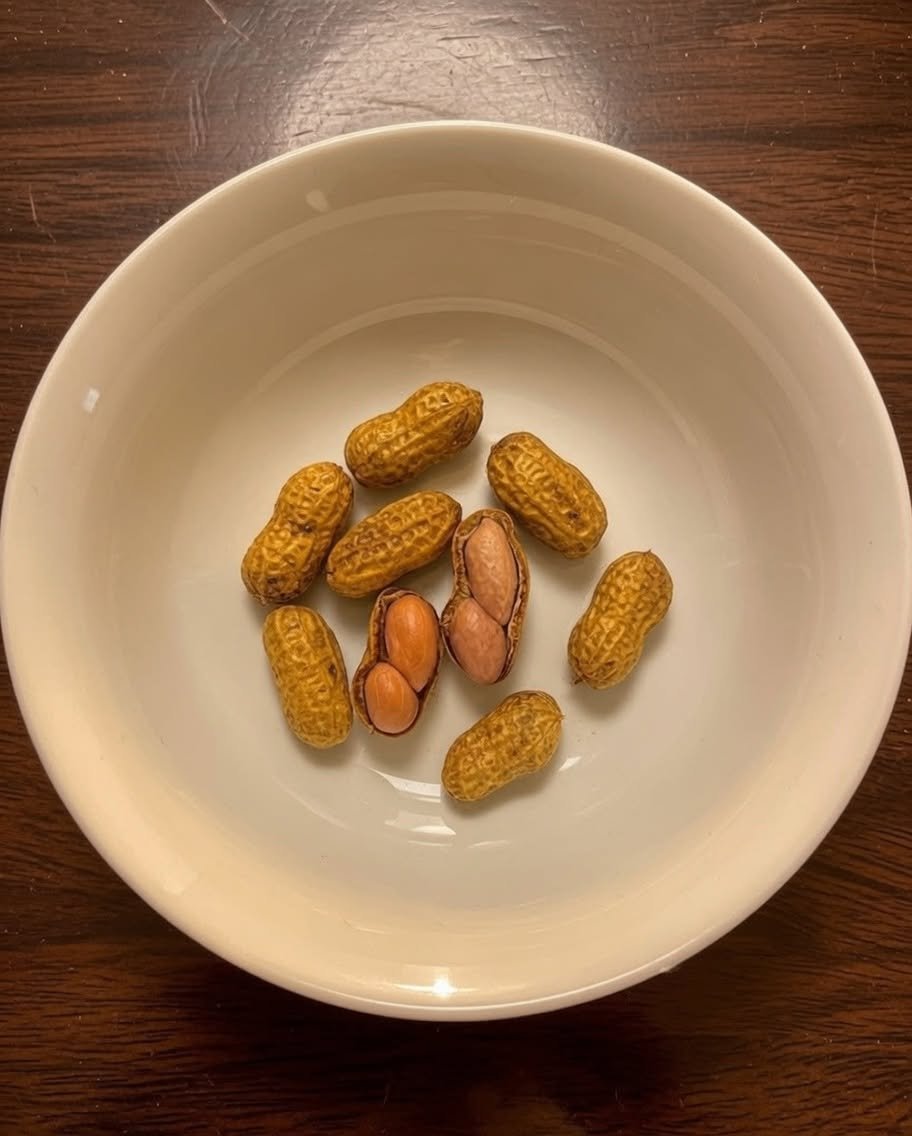
    Peanuts can be a nutritious snack when eaten in reasonable portions. They provide plant-based protein, fiber, vitamin E, and predominantly unsaturated fats, which can support a balanced eating pattern. Nuts and seeds can also help with fullness because they combine protein, fat, and fiber. However, “healthy” does not mean unlimited. Peanuts are energy-dense, so eating large amounts can significantly increase your daily calorie intake. Salted or heavily flavored varieties may also contain substantial sodium, which is worth considering if you are trying to manage blood pressure. A practical approach is to enjoy a modest portion rather than repeatedly eating directly from a large packet, where it is easy to consume much more than intended. Peanut butter can also be nutritious, but checking the label for added sugar, sodium, and portion size is important.

    Eating excessive amounts may also cause digestive discomfort in some people. Because peanuts contain fiber and fat, suddenly consuming a large quantity may contribute to bloating, gas, or stomach discomfort, particularly if your digestive system is not accustomed to a high-fiber intake. Another important consideration is allergy. Peanut allergy can cause serious reactions in susceptible individuals, including swelling, hives, breathing difficulties, vomiting, or a dangerous drop in blood pressure. People with a known peanut allergy should avoid peanuts according to their healthcare professional’s guidance rather than experimenting with small amounts. For people with kidney disease, portion size may also require individual consideration because peanuts contain potassium and phosphorus. The National Kidney Foundation reports that a quarter-cup serving contains approximately 232 mg of potassium and 133 mg of phosphorus, while dietary requirements vary according to kidney function, laboratory results, and treatment.

    The healthiest strategy is therefore moderation and variety. Choose unsalted or lightly salted peanuts when possible, pay attention to serving sizes, and include other nutritious foods such as vegetables, fruits, whole grains, legumes, and appropriate protein sources throughout the day. Peanuts do not need to be feared, and there is no evidence that simply eating them in normal portions causes a mysterious buildup of toxins or automatically damages healthy kidneys. In fact, nuts and seeds can be part of a nutritious dietary pattern. The concern is primarily excessive portions, added sodium or sugar, allergies, and individual medical requirements. If peanuts consistently cause digestive symptoms, allergic reactions, or other unusual problems, seek advice from a qualified healthcare professional. Disclaimer: This article is for general educational and informational purposes only and does not constitute medical, nutritional, or treatment advice. Individual responses to peanuts vary, and the information above should not be used to diagnose or treat a condition. Always verify health claims through reliable medical and scientific sources and consult a qualified healthcare professional for personalized dietary guidance.

  • Doctors Explain the Potential Benefits of Starting Your Day With Eggs

    Doctors Explain the Potential Benefits of Starting Your Day With Eggs

    Eggs can be a practical and nutrient-dense breakfast choice because they provide high-quality protein, vitamins, minerals, and other important nutrients in a relatively small serving. One large egg contains about 6 grams of protein and provides nutrients such as choline, vitamin A, vitamin D, phosphorus, and antioxidants including lutein and zeaxanthin. Protein can also help you feel fuller for longer, which may make it easier to avoid frequent snacking later in the morning. Starting the day with eggs therefore may be useful for people who want a satisfying breakfast, particularly when eggs are combined with vegetables, fruit, or whole grains. However, eating eggs specifically in the morning is not a requirement for good health—the overall quality of your diet matters much more than the exact time you consume them.

    Another potential advantage is that eggs contain very little carbohydrate, so they generally have little immediate effect on blood glucose compared with many refined breakfast foods. This can make them a useful protein component of a balanced breakfast. However, eggs should not be viewed as a complete meal by themselves. Harvard Health recommends combining protein with slowly digested carbohydrates and fruits or vegetables for a more balanced breakfast. The way eggs are prepared also matters. Boiled, poached, or lightly cooked eggs can be paired with vegetables and whole-grain foods, while meals containing eggs alongside large amounts of processed meat, butter, cheese, or other foods high in saturated fat and sodium may be less heart-friendly. Current American Heart Association guidance emphasizes the overall dietary pattern rather than focusing on one food or nutrient in isolation.

    There is also an important point about cholesterol. Egg yolks contain substantial dietary cholesterol, but modern nutrition guidance recognizes that dietary cholesterol is generally less influential on blood cholesterol than the overall pattern of fats in the diet, particularly saturated and trans fats. The American Heart Association says healthy individuals can include up to about one whole egg daily, while people with dyslipidemia or certain health conditions may need more individualized guidance. For a balanced breakfast, consider pairing eggs with vegetables, fruit, oats, or whole-grain toast rather than relying on processed breakfast meats. Disclaimer: This article is for general educational and informational purposes only and does not constitute medical, nutritional, or treatment advice. Individual dietary needs vary, particularly for people with high cholesterol, diabetes, cardiovascular disease, or other medical conditions. Always verify health claims through reliable scientific and medical sources and consult a qualified healthcare professional for personalized dietary guidance.