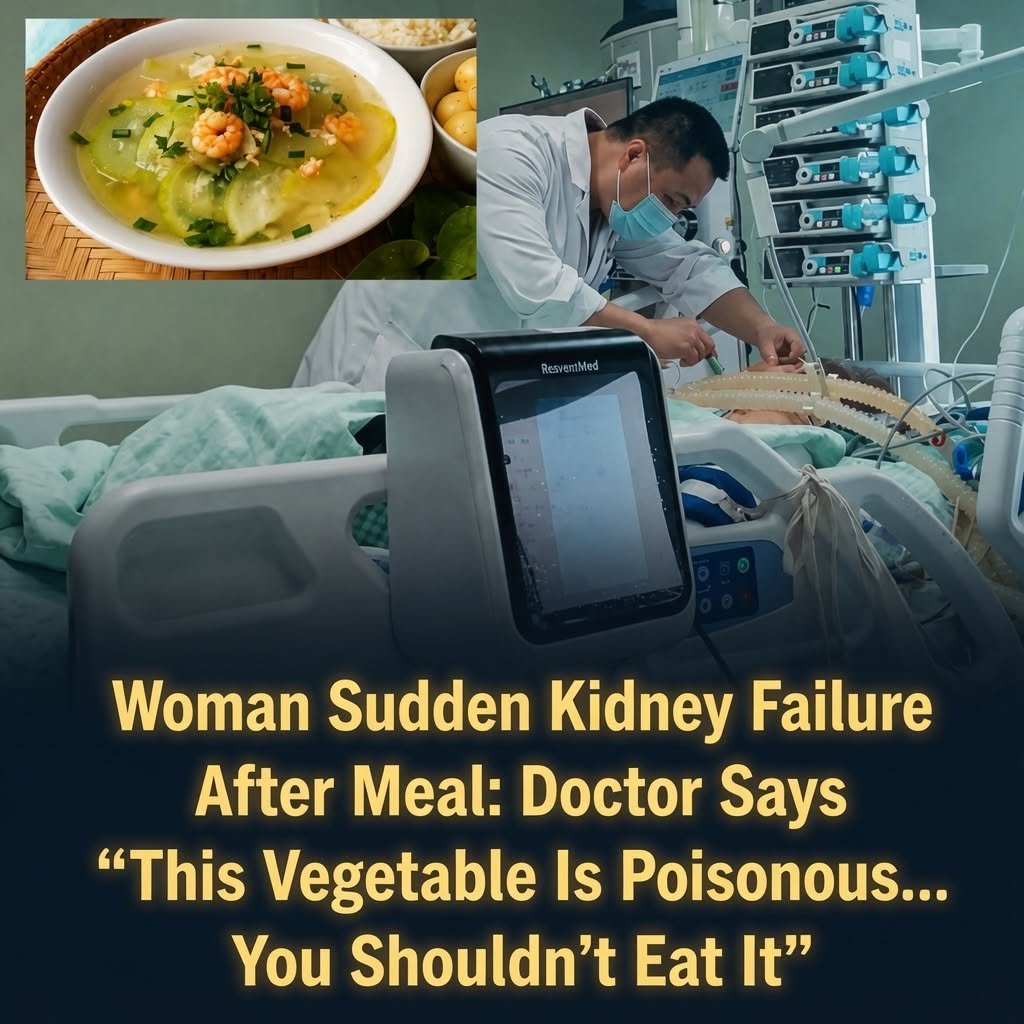
A dramatic headline like this can easily create unnecessary fear, but there is one important food-related kidney warning that is supported by medical case reports: star fruit (carambola) can cause serious toxicity in certain circumstances. Technically, star fruit is a fruit rather than a vegetable, so claims calling it a “poisonous vegetable” are misleading. Research has documented cases of acute kidney injury after people consumed large quantities of star fruit or concentrated star-fruit juice. In one report, a 56-year-old woman with diabetes and previously normal kidney function developed acute kidney injury after consuming a large amount of star-fruit juice at once. The risk is particularly concerning for people who already have chronic kidney disease because their kidneys may not effectively eliminate substances in star fruit that can become toxic. The National Kidney Foundation specifically advises people with kidney disease to avoid star fruit because it can cause serious neurological and other complications.
The potential danger appears to involve oxalate and a neurotoxic compound associated with star fruit. Large amounts, particularly concentrated juice, may contribute to oxalate-related kidney injury, while the neurotoxin can accumulate when kidney function is impaired. Reported symptoms can include nausea, vomiting, abdominal discomfort, persistent hiccups, reduced urine output, confusion, and in severe cases seizures or other neurological complications. Several case reports also suggest that consuming large amounts while dehydrated or on an empty stomach may increase the risk of kidney injury. Importantly, this does not mean that every person who eats a normal serving of star fruit will develop kidney failure. Serious toxicity is uncommon in people with healthy kidneys, but documented cases show that excessive consumption can occasionally cause acute kidney injury even in individuals without previously recognized kidney disease.
The safest message is therefore not “never eat this food,” but know whether you are in a higher-risk group and avoid excessive amounts. Anyone with chronic kidney disease, reduced kidney function, or a history of unexplained kidney problems should discuss star fruit with a healthcare professional before consuming it. People should also avoid using large amounts of star fruit or concentrated juice as a home remedy for diabetes or other medical conditions. If someone develops persistent vomiting, severe abdominal discomfort, dramatically reduced urine output, confusion, or unusual neurological symptoms after consuming a large amount of star fruit, urgent medical assessment is appropriate. Disclaimer: This article is for general educational and informational purposes only and does not constitute medical, nutritional, or treatment advice. Star-fruit toxicity is uncommon and individual risk varies; a specific person’s kidney failure cannot be attributed to a food without verified medical evidence. Always verify health claims through reliable scientific and medical sources and consult a qualified healthcare professional for personalized guidance.
Leave a Reply