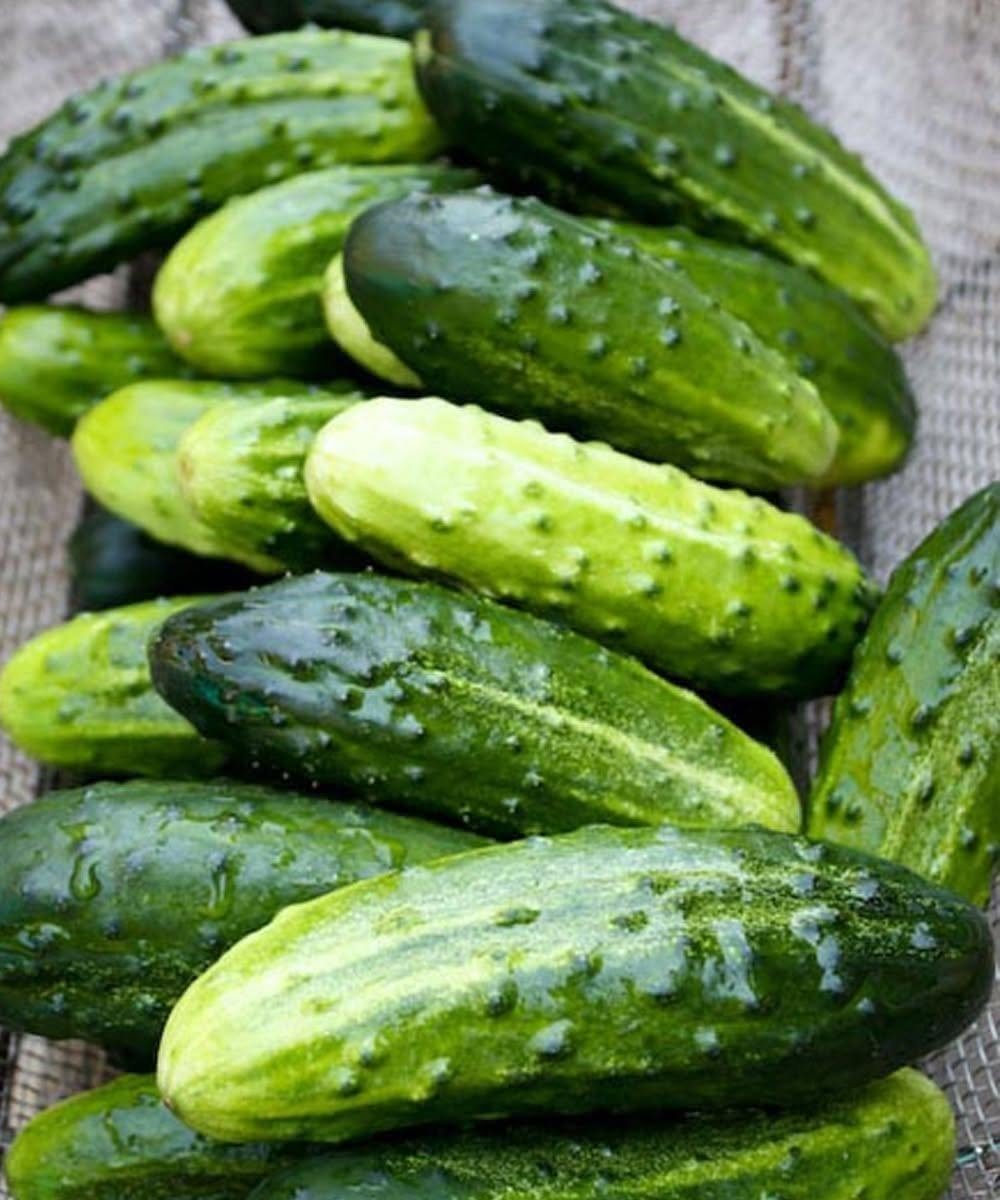
Cucumber is a popular salad ingredient because it is refreshing, naturally low in calories, and provides water along with small amounts of vitamins and minerals. For most healthy people, eating cucumber in a salad is not harmful and can be a simple way to increase vegetable intake. However, raw cucumber is eaten without a cooking step, so food safety becomes particularly important. Fresh produce can sometimes become contaminated with harmful microorganisms during growing, harvesting, transportation, storage, or preparation. The FDA has specifically investigated cucumbers for microbial contamination and has confirmed that pathogens such as Salmonella can be present on cucumbers. This does not mean cucumbers are unsafe in general; rather, it highlights why proper handling matters when eating them raw.
Another issue is how the salad is prepared and stored. Washing the cucumber thoroughly under running water before cutting can reduce surface contamination. Because cucumbers have a firm surface, the FDA recommends gently scrubbing them with a clean produce brush and drying them afterward. Importantly, washing with soap, detergent, bleach, or household disinfectants is not recommended because these substances can leave harmful residues or be absorbed by produce. Cross-contamination is another concern: using the same cutting board or knife for raw meat and then cucumber without proper cleaning can transfer harmful bacteria to a salad that will not be cooked. Once cucumber is cut and mixed into a salad, appropriate refrigeration also becomes important because fresh-cut produce can deteriorate and support microbial growth if handled or stored improperly.
For most people, the message is simple: you do not need to stop eating cucumber salads. Instead, choose fresh, undamaged produce, wash your hands before preparation, rinse and scrub whole cucumbers under running water, use clean utensils, keep raw produce away from raw meat and poultry, and refrigerate prepared salads appropriately. If cucumber has visible mold, significant decay, an unusual smell, or other obvious signs of spoilage, it is safer to discard it rather than trying to rescue the affected portion. People who develop diarrhea, fever, abdominal cramps, vomiting, or other symptoms after eating potentially contaminated food should seek appropriate medical advice, particularly if symptoms are severe or persistent. Disclaimer: This article is for general educational and food-safety information only and does not constitute medical advice, diagnosis, or treatment. Cucumber is generally a nutritious food, and contamination is not inevitable. Always verify food-safety claims through reliable government, scientific, and medical sources and follow appropriate food-handling guidance.
Leave a Reply