Author: Mohsin king

  • Biological & Human Physiology Reality: What Breast Size Actually Indicates

    Biological & Human Physiology Reality: What Breast Size Actually Indicates

    The graphic shows two line-drawn women—one with larger breasts and one with smaller breasts—under the bold heading “SMALL BREASTS MEAN THAT…”

    Despite the sensational, incomplete caption designed to spark speculation, breast size is primarily determined by genetics, body fat distribution, and hormone levels, and has no medical bearing on health, milk production capacity, or personality.

    What Determines Breast Size?

    1. Genetics and Body Composition:
      • Breast tissue consists mainly of adipose (fat) tissue and glandular tissue (lobules and ducts).
      • Genetic inheritance dictates how much fat is stored in breast tissue relative to other parts of the body. Changes in overall body weight frequently affect breast size because fatty tissue expands or contracts.
    2. Hormones:
      • Estrogen, progesterone, and prolactin influence breast development during puberty, pregnancy, menstrual cycles, and menopause.
    3. Lactation Ability Is Unaffected:
      • Breast size does not determine a woman’s ability to produce milk during breastfeeding. Milk production occurs in the glandular tissue, which is present in roughly equal amounts across women regardless of overall breast volume (which is mostly dictated by fat tissue).

    Deconstructing Sensationalized “Body Science” Clickbait

    This post exemplifies classic social media engagement and click-bait tactics:

    • Incomplete Sentence / Curiosity Gap: Truncating the statement (“If a woman has small b.r.e.a.s.t.s, it means that her part int…”) forces readers to click into the comment section or an external link to finish the sentence.
    • Algospeak / Filter Evasion: Writing anatomical terms as “b.r.e.a.s.t.s” is a common technique used by content creators to bypass automated platform moderation filters that restrict or demonetize sexualized content.
    • Provocative Subject Matter: Weaponizing physical appearances or myths about female anatomy guarantees a flood of defensive, argumentative, or humorous comments.
    • Algorithmic Inflation: High volumes of user interaction signal to platform recommendation engines that the image is generating high retention, boosting its visibility across user feeds.

  • Food Science Reality: Yolk Color vs. Chicken Health

    Food Science Reality: Yolk Color vs. Chicken Health

    None of the three choices exclusively guarantees a “healthier” chicken. Yolk color is a measure of the hen’s diet, not her overall health or the egg’s nutritional quality.

    All three eggs can come from perfectly healthy chickens.

    What Determines Egg Yolk Color?

    The shade of an egg yolk is controlled almost entirely by pigments called carotenoids in the hen’s feed:

    • Egg 1 (Pale Yellow): Indicates a diet rich in pale grains like wheat, barley, white corn, or sorghum.
    • Egg 2 (Medium Yellow/Gold): Typical for hens fed standard commercial feed containing yellow corn, alfalfa meal, or soy.
    • Egg 3 (Deep Orange): Indicates a diet high in rich carotenoids—such as marigold petals, red pepper extracts, paprika, or fresh green pasture forage (grasses and insects).

    Nutritional Value & Misconceptions

    1. Macro-Nutrients Are Virtually Identical: Protein, total fat, cholesterol, and essential minerals remain nearly identical across pale, yellow, and deep orange yolks.
    2. Micro-Nutrient Variations: Darker orange yolks may contain slightly higher levels of vitamin A and lutein due to carotenoid pigments, or higher Omega-3 levels if the hen was pasture-raised, but this does not make pale yolks unhealthy.
    3. Feed Additives: Commercial egg farmers frequently add natural plant extracts (like marigold or paprika) to feed simply to darken yolk color, because consumers associate darker yolks with “farm-fresh” quality.

    Deconstructing Social Media Engagement Bait

    Posts asking scrollers to pick “1, 2, or 3” are standard engagement-farming graphics:

    • Forced Choice Mechanics: Presenting a simple numbered quiz compels users to leave a comment with their vote.
    • Debate Generation: People who prefer pasture-raised eggs clash with poultry farmers and food scientists in the comment section.
    • Algorithmic Boost: Thousands of single-number or debate comments trigger platform algorithms to spread the post widely, driving traffic and ad revenue to content farms.
  • Nutritional Reality: Evaluating “Kidney-Friendly” Food Charts

    Nutritional Reality: Evaluating “Kidney-Friendly” Food Charts

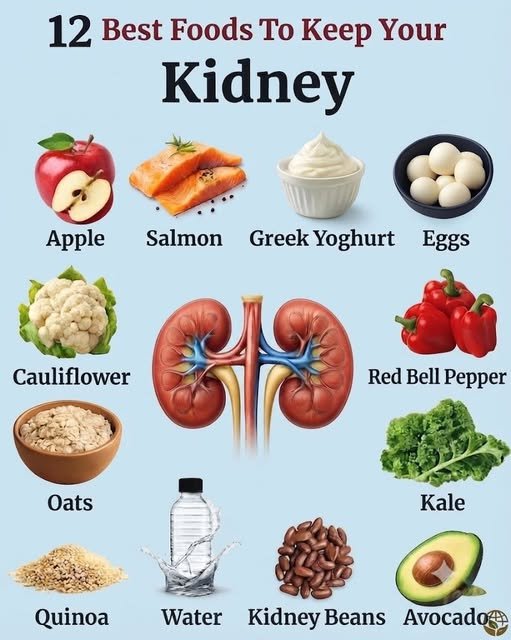
    The graphic lists “12 Best Foods To Keep Your Kidney” healthy, featuring apples, salmon, Greek yogurt, eggs, cauliflower, red bell peppers, oats, kale, quinoa, water, kidney beans, and avocado.

    While several of these items are excellent for general wellness or early-stage kidney health, some can actually be dangerous for individuals with Chronic Kidney Disease (CKD) or impaired kidney function. Renal nutrition is highly individualized and depends heavily on a person’s specific stage of kidney disease.

    The Good, the Risky, and the Misleading

    1. Truly Kidney-Friendly Choices (Low Potassium & Phosphorus)

    • Cauliflower & Red Bell Peppers: Naturally low in potassium and rich in antioxidants, making them ideal staples for almost all stages of kidney health.
    • Apples: Low in potassium, sodium, and phosphorus, offering safe dietary fiber and anti-inflammatory properties.
    • Egg Whites: While whole eggs contain phosphorus in the yolk, egg whites provide high-quality protein with low phosphorus levels, which is often recommended for renal diets.

    2. High-Risk Foods for Advanced CKD (Potassium & Phosphorus Warnings)

    • Avocado & Kidney Beans: These are extremely high in potassium. When kidneys fail to filter excess potassium, it builds up in the blood (hyperkalemia), which can lead to life-threatening heart arrhythmias.
    • Greek Yogurt & Salmon: High in phosphorus and protein. Impaired kidneys struggle to excrete phosphorus, leading to bone loss and cardiovascular calcification. Protein intake must also be carefully monitored in advanced non-dialysis CKD to avoid taxing the kidneys.
    • Kale, Quinoa, & Oats: Containing moderate-to-high levels of potassium or phosphorus, these require careful portion management for those on restricted renal diets.

    Deconstructing Health Infographic Clickbait

    Simplified “top 10” or “12 best foods” health graphics are widely shared on social media, but they often present oversimplified or misleading information:

    • One-Size-Fits-All Fallacy: They ignore clinical stages. A food that prevents kidney stones in a healthy adult (e.g., high-water or high-fiber foods) can be harmful to a late-stage CKD patient requiring fluid or potassium restrictions.
    • Visual Wordplay (“Doctrine of Signatures”): Including kidney beans purely because they look like physical kidneys is a common visual gimmick, despite their high potassium content making them unsuitable for many kidney patients.
    • Algorithmic Engagement: Generic health lists generate high save-and-share rates from well-meaning scrollers, boosting the page’s visibility while spreading potentially unsafe medical generalizations.
  • Biological Identification: Understanding the Land Planarian

    Biological Identification: Understanding the Land Planarian

    The organism pictured resting on the blue towel is a land planarian (a type of terrestrial flatworm), likely belonging to the genus Geoplana or a related land flatworm species.

    What Is a Land Planarian?

    • Anatomy: These flatworms have smooth, elongated, ribbon-like bodies. The rounded or slightly pointed front end often features tiny, primitive eye-spots (ocelli) that look like tiny dark dots near the head.
    • Habitat: Land planarians thrive in moist, dark environments such as bathroom floors, gardens, under potted plants, or near plumbing. They are drawn to moisture and can easily crawl inside through drains, open windows, or underneath doors during damp weather.
    • Behavior: They are harmless to humans and pets—they do not bite, sting, or act as human parasites. They are carnivores that hunt small invertebrates like soil insects, slugs, and snails.
    • Safe Removal: You can simply pick it up using a paper towel or rag and place it outside in a garden bed or damp soil.

    Deconstructing the “Relationship Secret” Clickbait Formula

    This post follows a well-worn social media engagement pattern designed to generate sensational curiosity:

    1. Suggestive Narrative Setup: Framing the situation as a strange discovery in a partner’s bathroom, combined with phrases like “too embarrassed to ask her” and “sitting here for 30 minutes,” intentionally hints at something intimate or illicit to spark intrigue.
    2. Visual Discomfort: Presenting an unfamiliar, flesh-toned worm triggers a mild visceral reaction and curiosity about what the object actually is.
    3. Engagement Inflation: Scrollers jump into the comment section to offer wild guesses, humorous jokes, or biological corrections, which boosts the post across social media recommendation algorithms.
  • Medical Reality: Causes and Irritants of Stomach Ulcers

    Medical Reality: Causes and Irritants of Stomach Ulcers

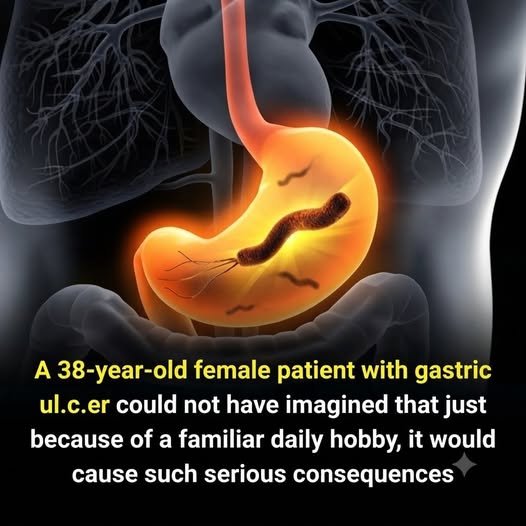
    The graphic shows an anatomical rendering of a glowing stomach depicting Helicobacter pylori bacteria (H. pylori), accompanied by a dramatic headline: “A 38-year-old female patient with gastric ul.c.er could not have imagined that just because of a familiar daily hobby, it would cause such serious consequences”.

    Despite the sensationalized implication that a mundane “hobby” or daily habit directly causes ulcers, medical science establishes that peptic ulcers are primarily caused by specific bacterial infections or medications, though certain lifestyle habits can irritate them.

    What Actually Causes Gastric Ulcers?

    1. Primary Causes:
      • Helicobacter pylori (H. pylori) Infection: The vast majority of stomach ulcers are caused by an infection with H. pylori bacteria, which damages the stomach’s protective mucus lining.
      • Frequent NSAID Use: Regular, long-term use of Nonsteroidal Anti-inflammatory Drugs (NSAIDs) like ibuprofen, naproxen, or aspirin damages the gastric mucosa.
    2. Irritants (Things That Aggravate, but Don’t Directly Cause, Ulcers):
      • Dietary Triggers: Highly acidic foods, spicy dishes, citrus, or heavy caffeine can increase stomach acid production or irritate an existing open sore, but they do not cause ulcers on their own.
      • Alcohol Consumption: Excessive alcohol can erode the stomach’s mucus barrier and stimulate acid secretion.
      • Smoking: Tobacco use increases acid production and slows down the healing process of the stomach lining.
      • Severe Physical Stress: Severe physiological stress (such as major surgery or trauma) can trigger stress ulcers, though routine emotional stress mainly exacerbates symptoms rather than creating the lesion.

    Deconstructing Health Clickbait & Algorithmic Censorship Evasion

    This graphic utilizes specific social media engagement and monetization tactics:

    • Algorithmic Censorship Evasion (“Algospeak”): Writing the word as “ul.c.er” uses punctuation to bypass social platform content filters that restrict, shadowban, or demonetize medical and health-related claim posts.
    • The “Familiar Hobby” Curiosity Hook: Framing the story around a vague “familiar daily hobby” triggers fear and curiosity, driving scrollers to click through pinned link trees or external blogs to discover what the harmless habit is.
    • Fabricated Clinical Narratives: Using specific demographic details (“A 38-year-old female patient…”) creates an illusion of a genuine medical case study, making the sensationalized warning feel credible.
  • Food Science & Avian Biology: Understanding Egg Structures

    Food Science & Avian Biology: Understanding Egg Structures

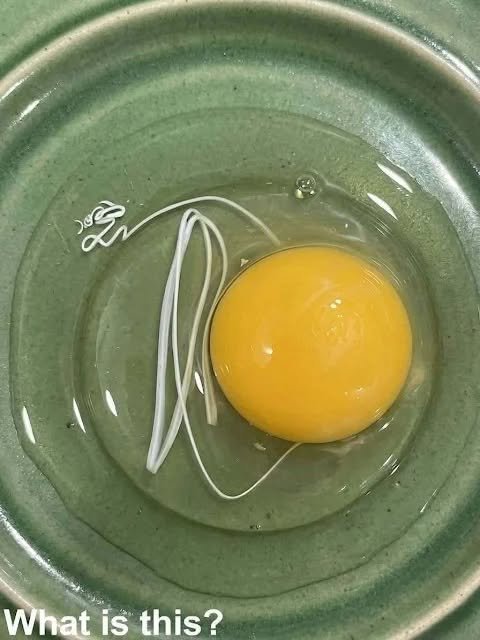
    That long, smooth white ribbon resting in the egg white is a chalaza (pronounced kuh-LAY-zuh), an entirely natural and safe anatomical structure found in every fresh chicken egg.

    What Is the Chalaza?

    1. Natural Anchor System:
      • The chalaza consists of dense, twisted strands of egg white protein (albumen).
      • There are two chalazae inside every egg—one on each side of the yolk. Their biological function is to suspend the yolk in the center of the egg, preventing it from floating to the top or smashing against the shell walls.
    2. Sign of High Freshness:
      • A prominent, thick, or distinct white chalaza is actually a indicator that the egg is extremely fresh.
      • As an egg ages in storage, these protein cords naturally thin out, dissolve, and become transparent, blending into the surrounding egg white.
    3. Edibility and Preparation:
      • The chalaza is 100% edible, harmless, and safe to cook and eat.
      • It cooks down along with the rest of the egg white. The only reason chefs sometimes strain or remove chalazae is to achieve an ultra-smooth texture when preparing delicate custards, flans, or curd sauces.

    Deconstructing “Food Horror” Clickbait Narratives

    Posts featuring an abnormally stretched or thick chalaza paired with sensational text follow a common social media template designed to trigger disgust:

    1. Parasite Panic: These images are frequently shared with captions implying the white strand is an intestinal parasite or roundworm (Ascaridia galli), exploiting revulsion around food contamination.
    2. First-Person Drama: Stories detailing a dramatic loss of appetite or a prolonged panic in the kitchen build emotional tension, encouraging readers to engage in the comments.
    3. Comment-Section Debates: Frightened viewers and reassuring cooks clash in the comments, driving high interaction rates that boost the post across recommendation algorithms.
  • Biological Reality: Identifying the Hammerhead Worm

    Biological Reality: Identifying the Hammerhead Worm

    The creature in the photo is a Hammerhead Worm (genus Bipalium), a terrestrial flatworm known for its characteristic fan-shaped or shovel-shaped head.

    While it looks alien or artificial, it is a real, predatory invertebrate commonly found in warm, humid regions and gardens around the world.

    Anatomy and Behavior of the Hammerhead Flatworm

    • The “Shovel” Head: The broad, flattened head is covered in sensory organs (chemoreceptors) that the worm uses to track scents and vibrations in the soil, allowing it to hunt prey in total darkness.
    • Predatory Nature: Hammerhead worms are carnivorous predators that hunt earthworms, slugs, and snails. They track earthworms into their burrows, paralyze them using a neurotoxin (tetrodotoxin—the same toxin found in pufferfish), and digest them externally.
    • Invasive Species Concerns: In many parts of North America and Europe, species like Bipalium adventitium and Bipalium kewense are invasive. Because they prey heavily on native earthworms, they can disrupt soil health and agricultural ecosystems.
    • Handling Warning: You should avoid touching them with bare hands. Their skin secretes tetrodotoxin and mild irritants that can cause skin reactions, and cutting them in half will not kill them—they regenerate into two separate living worms.

    Deconstructing “Unnatural Bug” Shock Clickbait

    Images of hammerhead worms frequently circulate on social media to generate shock, disgust, and artificial panic:

    1. Visceral “Alien” Framing: Captions calling real invertebrates “unnatural” or implying they are mutated, dangerous monsters exploit common fears of unknown pests.
    2. Comment-Section Outrage: Posts about hammerhead worms inevitably trigger intense debates in the comments regarding invasive species protocols (e.g., advising people to destroy them using salt or vinegar), which creates massive engagement.
    3. Algorithmic Boost: High interaction rates signal to social algorithms that the content is compelling, pushing the image out to broad audiences and driving traffic to monetized pages.
  • Fashion History: The Real Purpose of the Small Jeans Pocket

    Fashion History: The Real Purpose of the Small Jeans Pocket

    The image shows a classic pair of denim jeans with a red box and arrow highlighting the tiny secondary pocket nested inside the main front pocket. The overlay claims that “Most people will go their entire life without ever knowing what the tiny pocket on jeans is actually for”.

    Despite the dramatic clickbait claim, the history of this small pocket is well-documented by clothing historians and denim manufacturers like Levi Strauss & Co.

    The Historical Origin: The Watch Pocket

    1. Designed for Pocket Watches:
      • Introduced in 1873 on Levi’s original waist overalls (blue jeans), the small compartment was specifically designed as a watch pocket.
      • In the late 19th century, cowboys, gold miners, railroad workers, and laborers carried mechanical pocket watches on chains. Tucking the watch into this small, snug pouch kept it protected from scratches, dirt, and heavy physical impact during work.
    2. Evolution and Modern Use:
      • Over time, as wristwatches replaced pocket watches and jeans shifted from workwear to everyday fashion, the pocket was retained as an iconic design element.
      • Over the decades, people repurposed it for small everyday items: Zippo lighters, coins, folded cash, keys, guitar picks, and today, Wireless earbud cases (like AirPods) or USB drives.

    Deconstructing the “Hidden Knowledge” Clickbait Formula

    Posts like this are staple engagement drivers on social media platforms:

    • Sensationalized Framing: Claiming that “most people will never know” turns basic fashion trivia into a secret, irresistible mystery.
    • Universal Item: Using blue jeans—a garment worn globally—ensures that nearly every person scrolling by feels personally curious about the answer.
    • High-Volume Comment Section: The question prompts thousands of scrollers to jump into the comments to guess, share trivia, or post jokes, fueling the post’s algorithmic reach.
  • Avian Reality: Identifying the Andean Condor

    Avian Reality: Identifying the Andean Condor

    The photo grid shows a massive bird with dark plumage, a white neck ruff, and a broad wingspan landing on a residential lawn, often paired with viral captions like “Giant Eagle captured in…”.

    This bird is not an eagle. It is an Andean Condor (Vultur gryphus), one of the largest flying birds in the world, recognizable by its distinct bald head, white collar, and massive wingspan that can reach over 10 feet (3 meters).

    Wildlife Context & Misidentification

    • Species: The Andean Condor is a South American vulture species native to the Andes mountain range. It is primarily a scavenger (feeding on carrion) rather than a raptor/hunter like an eagle.
    • Why It Appears in Residential Areas: In regions bordering the Andes (such as parts of Chile, Argentina, or Peru), young or habituated condors occasionally land near human settlements or suburban hillsides searching for food scraps, animal carcasses, or water.
    • Size Confusion: Because of its enormous size and dark color, onlookers who are unfamiliar with South American wildlife frequently misidentify condors as “giant eagles” or mythical birds.

    Deconstructing “Motive Mystery” Clickbait

    Sensationalized posts sharing this series of images follow a standard social media viral formula:

    1. Sensationalized Framing: Calling a scavenger a “Giant Eagle” or trimming the location text (“Giant Eagle captured in Bro…”) creates instant drama and mystery.
    2. Forced Curiosity: Leaving the caption truncated or vague forces scrollers to open the comments or click linked pages to find out where the photo was taken or if the “giant monster” is real.
    3. Engagement Inflation: Birdwatchers, locals, and wildlife enthusiasts flood the comment section to correct the species name, driving up algorithmically rewarded interaction metrics.
  • Food Safety Analysis: Foreign Objects and Contamination Risks in Frozen Foods

    Food Safety Analysis: Foreign Objects and Contamination Risks in Frozen Foods

    The image reveals a whole scorpion embedded directly beneath the waffle cone lining of an ice cream bar.

    While a story about a daughter finding a mysterious object creates dramatic tension, discovering a venomous arachnid or pest inside commercially packaged food represents a severe food safety breakdown that requires immediate reporting rather than online storytelling.

    What to Do If You Find a Foreign Object or Pest in Packaged Food

    1. Do Not Consume or Discard the Product:
      • Keep the ice cream bar, wrapper, and foreign object intact.
      • Store it safely in a sealed bag inside your freezer in case food safety inspectors or the manufacturer require physical testing.
    2. Document Everything Immediately:
      • Take clear photos of the object, the item, the packaging, the store receipt, and the lot/batch number and expiration date printed on the wrapper.
    3. Report to Regulatory Authorities:
      • In the US: File an official consumer complaint with the USDA or FDA (depending on the product category). For dairy and frozen desserts, contact your state or local Health Department and local FDA Consumer Complaint Coordinator.
      • In Other Regions: Report the issue directly to your national food standards agency (such as the FSA in the UK or EFSA in Europe) or local municipal environmental health office.
    4. Notify the Manufacturer and Retailer:
      • Contact the customer service department of the brand listed on the package to report a potential batch recall. Provide the lot number so they can trace factory conditions and production lines.

    Deconstructing Food Panic Clickbait Templates

    This post employs a classic narrative template engineered for viral engagement on social media platform feeds:

    1. The Suspense Cliffhanger: Truncating the narrative at “Hidden directly beneath the chocolate, we discovered…” relies on the “curiosity gap.” Readers are forced to click into the comment section or an external link tree to find out what was found.
    2. Relatable Domestic Narrative: Framing the discovery around an everyday family moment—a daughter enjoying an after-school snack—evokes immediate fear, empathy, and disgust from parents.
    3. Shock-Value Imagery: Using a photo featuring an unexpected, dangerous pest (a scorpion) embedded in a common treat triggers a strong visceral reaction.
    4. Algorithmic Manipulation: Shocked users flood the comment section with horror, jokes, or health questions, which platform algorithms reward with elevated reach and wider distribution.