Author: Mohsin king

  • Fact-Checking the “Consequences of Artificial Nails” Graphic

    Fact-Checking the “Consequences of Artificial Nails” Graphic

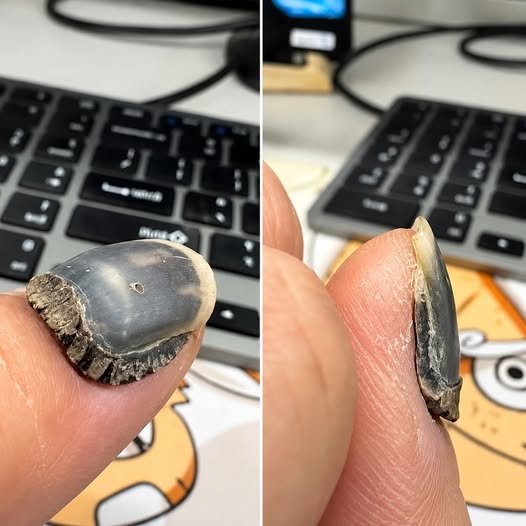
    The image shows a person holding an extremely thick, curved, dark object against their thumb next to a keyboard, paired with the truncated caption: “These are the consequences of using too much n…”

    While the clickbait title implies that this is a real human fingernail destroyed or deformed by excessive acrylics or gel polish, the object being held is not a human nail at all.

    What the Object Actually Is

    1. A Fossilized Shark Tooth or Animal Claw:
      • The object shown is a small fossil—most likely a fossilized snaggletooth/requiem shark tooth, or a fossilized animal claw/beak.
      • The dark grey color and striated base are characteristic of mineralized organic material preserved over thousands or millions of years.
    2. Visual Trickery:
      • By placing the flat, curved surface of the fossil directly against the tip of the thumb, it creates a deliberate optical illusion mimicking an overgrown, decayed fingernail.

    What Actually Happens to Nails from Overuse?

    While overuse of acrylics, dip powders, or harsh removal techniques can cause nail damage, it looks nothing like the fossil in the photo. Real consequences of improper nail application or removal include:

    • Onycholysis: The natural nail lifting away from the pink nail bed.
    • Thinning & Peeling: Excessive filing or pulling off gel/acrylics strips away the top keratin layers of the natural nail.
    • Fungal or Bacterial Infections: Trapped moisture beneath lifted acrylics can breed Pseudomonas bacteria (causing a greenish stain) or nail fungus (causing yellowing, thickening, and crumbling).

    Deconstructing Social Media Clickbait Mechanics

    This post uses standard engagement-farming tactics:

    • Manipulative Optical Illusion: Using an object that vaguely resembles a body part tricks viewers into pausing mid-scroll out of shock or disgust.
    • Truncated Curiosity Gap: Cutting the sentence off mid-word (“too much n…”) encourages users to click the link or open the comments to finish the thought.
    • Shock Value Engagement: Viewers commenting to debunk the post or express disgust signals high interaction to platform algorithms, boosting the post to thousands of feeds.
  • Oceanographic Reality: What Was Actually Found in the Mariana Trench

    Oceanographic Reality: What Was Actually Found in the Mariana Trench

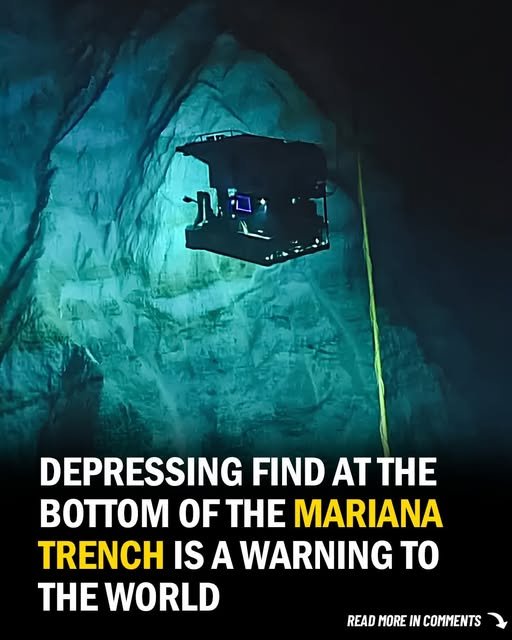
    The graphic displays a deep-sea submersible illuminated against an underwater wall, accompanied by a sensational headline: “DEPRESSING FIND AT THE BOTTOM OF THE MARIANA TRENCH IS A WARNING TO THE WORLD” paired with your prompt “It was spotted 35,000ft deep in the Mariana Trench”.

    While the clickbait formatting implies the discovery of an apocalyptic anomaly or hidden sea monster, the actual headline references real scientific expeditions that discovered human pollution—specifically plastic waste and trash—at the deepest point on Earth.

    What Explorers Actually Discovered

    1. Plastic Bag at 35,849 Feet (10,928 Meters):
      • During Victor Vescovo’s historic record-breaking dive to the Challenger Deep in May 2019 aboard the Limiting Factor submersible, researchers documented human debris, including a plastic bag and candy wrappers, lying on the trench floor.
      • A separate earlier study examining the Deep-Sea Debris Database maintained by JAMSTEC (Japan Agency for Marine-Earth Science and Technology) also confirmed a single-use plastic bag recorded at 35,754 feet (10,898 meters).
    2. Microplastics and Chemical Contaminants:
      • Marine biologists studying amphipods (small crustaceans) collected from the Mariana Trench found microplastics inside the guts of over 80% of the creatures tested.
      • Research has also revealed high concentrations of banned persistent organic pollutants (like PCBs) in deep-sea organisms, carried down as organic debris sinks to the ocean floor.

    Deconstructing the Deep-Sea Clickbait Template

    This post leverages classic social media engagement-farming tactics:

    • Vague Alarmism (“Warning to the World”): Avoiding specific mention of “plastic pollution” creates a dramatic mystery, tricking scrollers into assuming scientists found something biological, supernatural, or catastrophic.
    • The “Read More in Comments” Funnel: Directing users to the comment section (“READ MORE IN COMMENTS ⤵”) inflates post engagement metrics, triggering platform algorithms to push the post to thousands of additional feeds.
    • Dramatic Underwater Visuals: Using high-contrast imagery of an illuminated submersible at extreme depths exploits fear of the unknown (thalassophobia) to guarantee a scroll-stop.
  • Identifying the “Mystery Beach Creature”

    Identifying the “Mystery Beach Creature”

    Despite its scary or alien appearance at first glance, this image is an AI-generated viral graphic—not a real sea monster, giant carcass, or unknown deep-sea organism.

    What the Image Actually Represents

    1. AI-Generated Content:
      • This picture is part of a widely shared series of AI-generated images created for engagement farming on social media.
      • Prompts typically instruct AI image generators to depict a “mysterious hairy creature washed up on a trash-littered beach” to provoke fear, disgust, and curiosity.
    2. Visual Anomaly Indicators (Tell-Tale AI Signs):
      • Unnatural Fur Texture: The “hairy” mass features a uniform, hair-like coating that blends unrealistically into the wet sand without distinct anatomical structures (like a mouth, eyes, or tail).
      • Inconsistent Trash & Scale: The litter surrounding the central object—including plastic caps, bottles, and wrappers—displays warped shapes and inconsistent perspective typical of AI generation.
      • Background Distortions: The coastal houses and cliffs in the background lack defined architectural details and exhibit smooth, unnatural melting along the horizon.

    Real-Life Comparisons (What People Often Confuse It With)

    When real organic masses wash ashore with a similar “hairy” appearance, they are usually:

    • Globsters: Large, severely decomposed marine mammal carcasses (like whales, basking sharks, or sea lions). As whale blubber and connective collagen fibers decay, they break down into stringy, hair-like strands.
    • Marine Fiber Balls / Seagrass Aggregates: Tangled mats of marine plant fibers (such as Posidonia) rolled into hairy balls or masses by wave action.

    Deconstructing Social Media Engagement Farming

    This post relies on standard viral engagement strategies:

    • Manipulative Caption: Framing the image as a personal photo (“This morning, I went to the beach with my dog…”) creates a fake personal narrative to build trust and urgency.
    • The “What Is This?” Hook: Asking an open-ended question prompts thousands of scrollers to comment with guesses, joke answers, or debates—which boosts the post across platform algorithms.

  • Health Reality: Deconstructing “Toxin/Uric Acid” Clickbait

    Health Reality: Deconstructing “Toxin/Uric Acid” Clickbait

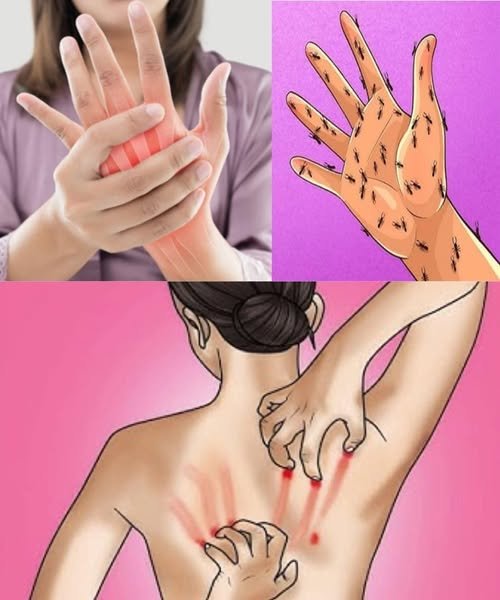
    The image presents a composite of three illustrations depicting joint pain, an exaggerated sensation of ants crawling on a hand (formication), and intense back scratching. It is paired with an incomplete headline: “ATTENTION! These are the 7 signs that indicate you have too much…”

    Posts using this specific combination of stock illustrations typically target high uric acid (gout) or systemic inflammation / “toxins.” However, the visual depictions mix distinct neurological, dermatological, and joint symptoms into a single exaggerated health warning.

    Medical Context of the Depicted Symptoms

    1. Joint Pain / Swelling (Top-Left):
      • Actual Causes: Frequently associated with arthritis (rheumatoid or osteoarthritis), overuse injuries, or gout.
      • Uric Acid Link: Excess uric acid forms sharp monosodium urate crystals in joints, causing sudden, severe inflammation (gout). While it most commonly strikes the big toe, it can affect fingers, wrists, and knees.
    2. “Ants Crawling” Sensation / Paresthesia (Top-Right):
      • Medical Term: Known as formication (a sub-type of paresthesia), where a person feels a crawling sensation on or under the skin without physical insects.
      • Actual Causes: Peripheral neuropathy (frequently tied to diabetes or vitamin B12 deficiency), nerve compression (such as carpal tunnel syndrome), severe anxiety, or withdrawal from certain substances. It is not a direct sign of “excess uric acid” or unspecified “toxins.”
    3. Intense Pruritus / Severe Itching (Bottom):
      • Actual Causes: Allergic reactions, eczema, psoriasis, dry skin (xerosis), or systemic conditions like liver failure, kidney disease, or thyroid imbalances.

    Deconstructing Health-Clickbait Mechanics

    This post follows a well-worn content-farm playbook designed to maximize social media reach:

    • The Truncated Headline (“Curiosity Gap”): Leaving the text cut off mid-sentence (“indicate you have too much…”) triggers anxiety and curiosity, forcing scrollers to click through to an ad-laden blog or open the comment section.
    • Visually Jarring Metaphors: Drawing literal ants crawling over a hand exploits sensationalist imagery to evoke disgust and stop scrollers mid-feed.
    • Symptom Clumping: Grouping completely unrelated symptoms (joint stiffness, nerve tingling, and back itching) ensures almost every viewer identifies with at least one symptom, making the “warning” feel personally relevant.
    • Algorithmic Inflation: Viewers flocking to the comments to guess what the missing word is—or to describe their own symptoms—signals high engagement to platform algorithms, boosting the post to wider feeds.
  • Vascular Reality: Understanding Spider and Varicose Veins

    Vascular Reality: Understanding Spider and Varicose Veins

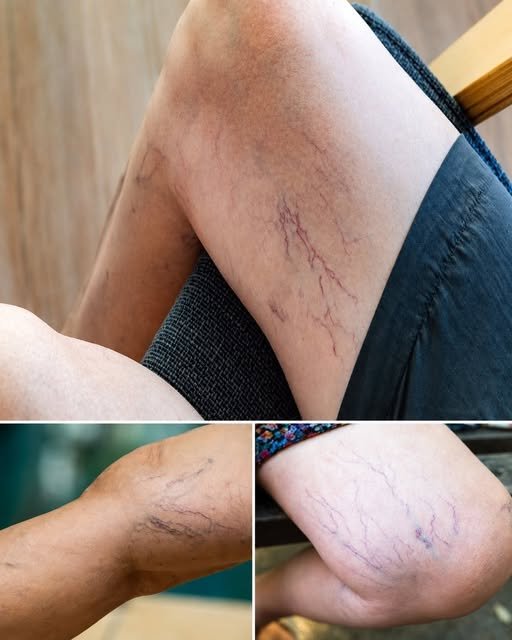
    The image shows close-up photos of legs with visible web-like blue and purple vessels, framed by the incomplete, sensationalized prompt: “If you have purple veins on your legs, it means you are…”.

    While alarming headlines often try to connect visible veins to severe or life-threatening organ failure, purple veins are extremely common, usually non-life-threatening, and most often represent spider veins (telangiectasias) or early varicose veins.

    What Do Purple Veins Actually Mean?

    1. Spider Veins (Telangiectasias):
      • What they are: Small, damaged blood vessels visible near the surface of the skin that appear as fine red, blue, or purple web-like clusters.
      • Cause: Small valves inside tiny superficial veins weaken, allowing blood to pool slightly rather than flowing efficiently back toward the heart. They are primarily a cosmetic concern and rarely cause medical complications.
    2. Reticular or Early Varicose Veins:
      • Slightly larger, deeper bluish/purple veins that feed into spider vein networks.
      • When larger main leg veins develop valve insufficiency (chronic venous insufficiency), pressure builds up, causing larger vessels to twist, bulge, or swell over time.
    3. Common Risk Factors:
      • Genetics: A family history of vein insufficiency is the single biggest factor.
      • Prolonged Standing/Sitting: Jobs that require staying in one position for long periods increase vein pressure.
      • Hormonal Changes: Pregnancy, menopause, or hormonal therapies can relax vein walls.
      • Age & Weight: Natural wear on vein valves over time or increased abdominal pressure from weight.

    Management and Treatments

    • Lifestyle Adjustments: Regular walking, elevating your legs above heart level when resting, and avoiding prolonged sitting or standing.
    • Compression Stockings: Wear specialized socks that exert gentle pressure to help blood flow upward efficiently.
    • Medical Treatments: If troublesome or cosmetically undesirable, dermatologists and vein specialists offer simple outpatient procedures like sclerotherapy (injecting a solution to collapse the tiny vein) or laser ablation.

    Deconstructing Social Media Engagement Farming

    This post uses standard engagement tactics to drive social media algorithms:

    • The Truncated Premise (“Curiosity Gap”): Ending mid-sentence (“it means you are…”) triggers health anxiety, forcing scrollers to click external links or search comments to finish the sentence.
    • Universal Relatability: Millions of adults have visible spider veins, making the topic relatable to a massive audience, which guarantees high share rates and comment volume.
  • How to Prepare and Eat Them

    How to Prepare and Eat Them

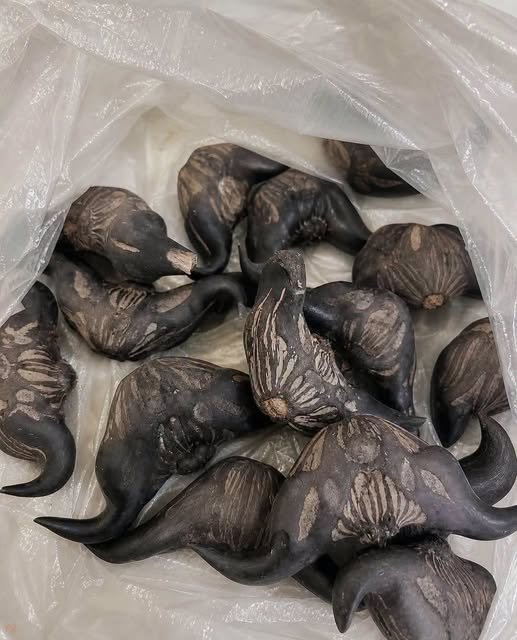
    Important Safety Note: Do not eat them raw. Raw water caltrops can harbor parasites (such as the giant intestinal fluke, Fasciolopsis buski) from the slow-moving water they grow in. Cooking completely destroys these risks.

    1. Rinse & Clean: Wash the pods thoroughly under cold running water to remove any dirt or residue.
    2. Boil or Steam (Recommended):
      • Place the pods in a pot, cover them with water, add a pinch of salt, and bring to a boil.
      • Boil for 15 to 20 minutes until the inner nut becomes tender.
    3. Crack Open the Shell:
      • Once cooled enough to handle, use a heavy chef’s knife or nutcracker to split the hard outer shell down the middle between the two “horns.”
      • Alternatively, trim off the pointed horns with kitchen shears and peel away the woody outer skin.
    4. Enjoy:
      • Eat the firm white meat warm as a snack, lightly salted, or tossed with butter.
      • You can also chop the cooked meat and stir it into soups, curries, or stir-fries.
  • Neurological Research Reality: The Nose-Picking & Alzheimer’s Connection

    Neurological Research Reality: The Nose-Picking & Alzheimer’s Connection

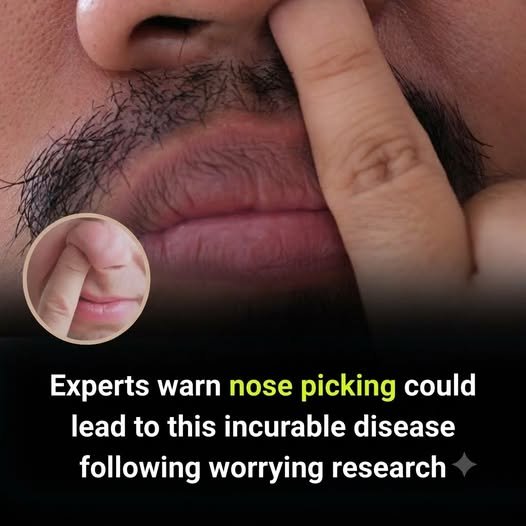
    The image features a close-up photo of a person picking their nose alongside a dramatic headline: “Experts warn nose picking could lead to this incurable disease following worrying research”.

    While the headline relies on sensationalized framing to drive curiosity, it refers to actual scientific studies investigating the hypothesis that nasal tissue damage could facilitate pathogen entry into the brain, potentially contributing to Alzheimer’s disease or late-onset dementia.

    What the Science Actually Shows

    1. The Olfactory Pathway Hypothesis:
      • The olfactory nerve provides a relatively direct pathway from the nasal cavity into the brain’s olfactory bulb, bypassing the protective blood-brain barrier.
      • Recent animal and lab studies (such as research published by Griffith University involving Chlamydia pneumoniae bacteria) suggest that damaging the nasal lining (epithelium) via frequent picking or hair pulling makes it easier for pathogens to travel up the olfactory nerve.
    2. Pathogens and Beta-Amyloid Accumulation:
      • Once inside the brain, certain bacteria or viruses can trigger an immune response.
      • In mouse models, researchers observed that the brain responds to these bacterial invasions by depositing beta-amyloid plaques—a classic hallmark associated with Alzheimer’s disease.
    3. Correlation vs. Causation:
      • Nose picking does not directly cause Alzheimer’s disease. Alzheimer’s is a complex, multifactorial neurodegenerative condition driven by genetics, lifestyle, age, cardiovascular health, and environmental factors.
      • Current research shows a potential mechanical risk factor in lab models, not a proven, direct cause-and-effect relationship in everyday human life.

    Deconstructing Medical Clickbait Tactics

    This graphic follows a familiar template used by health-content outlets to maximize social media reach:

    • The Curiosity Gap: Replacing the name of the condition with “this incurable disease” forces readers to click an external link or check the comment section to find out what disease is being referred to.
    • Sensationalized Fear Framing: Words like “worrying research” and “experts warn” frame preliminary lab hypotheses as an immediate, looming health crisis.
    • Visually Jarring Imagery: Macro imagery of a taboo habit (rhinotillexis) creates a visceral reaction, causing scrollers to pause mid-feed.
    • Comment-Driven Virality: Users commenting to express disgust, tag friends, or debate the claim signals high engagement to platform algorithms, boosting the post to a wider audience.
  • Ecological Reality: Deconstructing the “20-Year GPS Eagle” Myth

    Ecological Reality: Deconstructing the “20-Year GPS Eagle” Myth

    The composite image shows a raptor fitted with a solar-powered transmitter, a map detailing an extensive migratory route stretching between Russia and Southern Africa, and a deceased bird lying on the ground. It is paired with the clickbait caption: “For 20 years, an eagle equipped with GPS puzzled scientists: reco..”

    While the flight map displays real tracking data, the viral story attached to it is heavily sensationalized, inaccurate, and combines unrelated details to create clickbait.

    Fact-Checking the Story: What Actually Happened?

    1. Not One Eagle, but Multiple Birds:
      • The viral claim states that a single eagle was tracked over a 20-year period. In reality, the flight map shows the combined tracking data of multiple Steppe Eagles (Aquila nipalensis) studied over several years by researchers—not just one bird’s lifetime journeys.
    2. Lifespan of Transmitters and Birds:
      • Wildlife tracking tags generally do not operate for 20 continuous years. Solar-powered GPS-GSM transmitters often last several years, but harness wear, harsh environments, or the bird’s lifespan usually limit tracking duration long before two decades pass.
    3. Avoiding Water (The Sea Bypass):
      • The map accurately reflects an incredible behavioral trait of soaring raptors: thermal dependence.
      • Steppe Eagles rely on rising columns of warm air (thermals) to soar long distances without expending energy flapping their wings. Because thermals do not form over large bodies of open water (like the Caspian Sea or Red Sea), the map shows the eagles strictly following narrow land corridors (flyways) through the Middle East.

    Deconstructing Nature-Clickbait Mechanics

    This post uses standard engagement-farming techniques to turn routine wildlife biology into viral folklore:

    • Fabricated Narrative Tension: Exaggerating the timeline (“20 years”) and adding mystery (“puzzled scientists”) turns a standard migration study into an artificial conspiracy or heroic saga.
    • The Cliffhanger Headline: Truncating the sentence mid-word (“reco..”) creates an intentional curiosity gap, compelling scrollers to click through to an external link or scroll through comments to find the “ending.”
    • Mismatched Media Collage: Combining photos of different birds and tracking maps creates an emotional narrative (a single bird’s tragic end) that maximizes shares, likes, and comments—boosting the post across platform algorithms.
  • Medical Reality: Deconstructing Synthetic Radiograph Memes

    Medical Reality: Deconstructing Synthetic Radiograph Memes

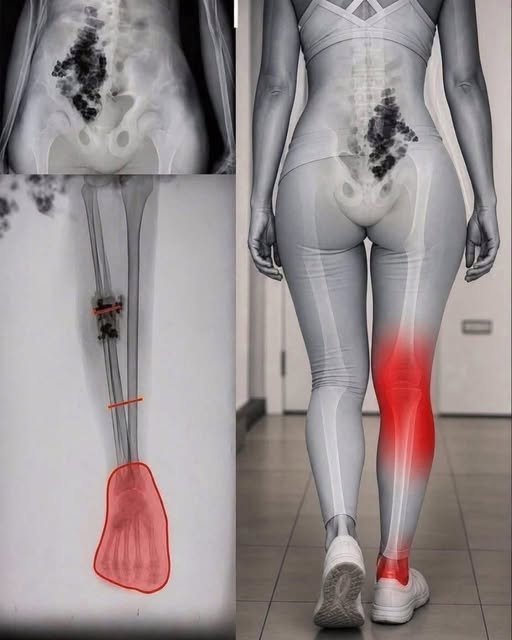
    This composite image pairs an incomplete, anti-vaccine cliffhanger (“People vaccinated against COVID-19 may be sick…”) with a digitally altered skeletal graphic showing glowing red joints, leg fractures, and dark spots in the pelvis.

    Despite the alarming headline, the image is a fabricated montage made of unrelated scans, digital edits, and stock artwork, rather than evidence of vaccine injury or medical disease.

    What the Image Actually Shows

    1. The Dark Pelvic Mass (Constipation/Fecal Burden):
      • The mottled black area in the upper-left pelvic scan is a classic radiograph presentation of fecal impaction or heavy stool burden (constipation).
      • In abdominal X-rays, trapped gas inside dense fecal matter creates a characteristic “mottled” or bubbly dark appearance within the large intestine. It has nothing to do with vaccines, heavy metals, or blood clots.
    2. The Lower Leg X-ray (Surgical Fixation):
      • The leg X-ray on the lower left displays a standard surgical repair (orthopedic hardware) for a broken fibula/tibia, complete with surgical plates and screws holding the bone together.
    3. The CGI Overlay (Anatomical Graphic):
      • The right-hand image is a digitally rendered stock illustration overlaying bones onto a 3D model. The red highlight at the knee is a standard artistic graphic used in advertisements for joint pain, arthritis, or physical therapy—not a real X-ray scan.

    Deconstructing Anti-Vaccine Misinformation Tactics

    This post relies on deceptive visual strategies common in anti-vaccine content farms:

    • Manipulative Montage: Combining an unrelated orthopedic injury, a routine constipation X-ray, and a colorful 3D joint pain graphic tricks scrollers into believing they are seeing a single, horrific “side effect.”
    • The Cliffhanger Hook (“Curiosity Gap”): Truncating the text mid-sentence (“People vaccinated against COVID-19 may be sick…”) creates anxiety, forcing users to click through or comment to find out the “secret” claim.
    • Weaponizing Everyday Conditions: Because millions of people experience joint pain or constipation, tying these common ailments to vaccines via shocking visuals drives massive comment engagement, which social media algorithms reward with wider distribution.
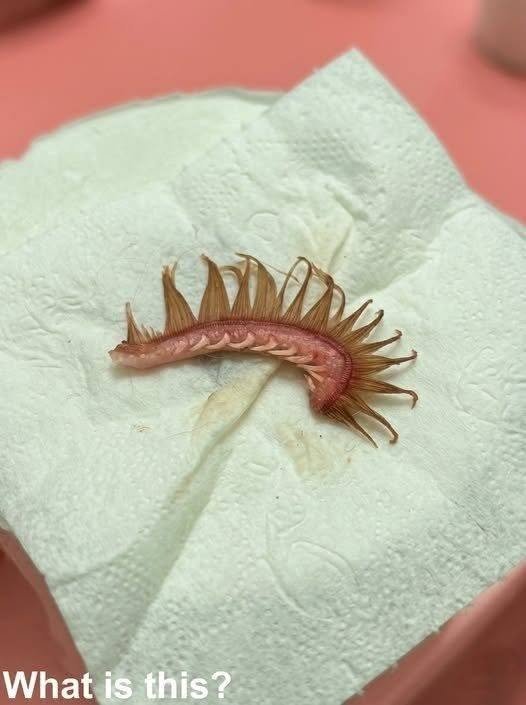
  • This is a segment of a fish gill arch (part of the fish’s respiratory system).

    This is a segment of a fish gill arch (part of the fish’s respiratory system).

    Dogs often stumble across discarded fish remains near bodies of water, fishing spots, trash bins, or areas where birds dropped fish parts.

    • Pink Curved Base: The cartilaginous or bony gill arch that holds the structure together.
    • Long Outer Fringe: The gill filaments, which absorb oxygen from water when the fish is alive.
    • Inner Tooth-Like Ridges: The gill rakers, small projections on the inside curve that help filter food and protect the delicate filaments from debris.

    While the comb-like shape looks unsettlingly like a strange parasite or centipede, it is purely animal tissue and harmless on its own. You can safely discard it and give your dog a good bath to rinse away any lingering fish smell.