Author: Mohsin king

  • Consumer Truth: What Egg Carton Dates and Julian Codes Actually Mean

    Consumer Truth: What Egg Carton Dates and Julian Codes Actually Mean

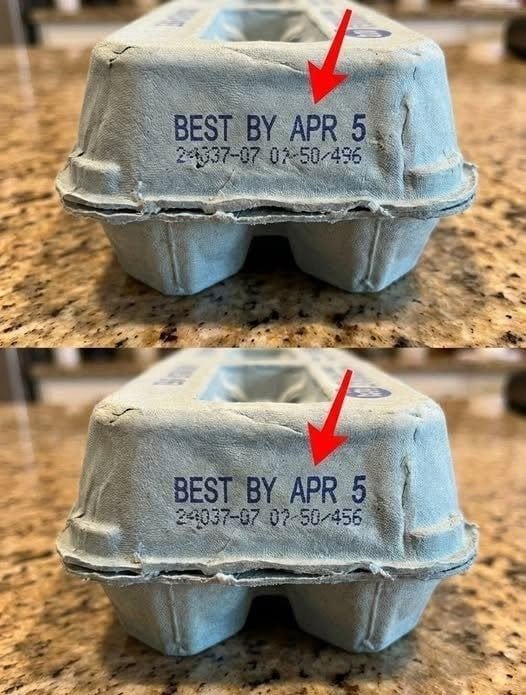
    The graphic shows an egg carton with a red arrow pointing to the “BEST BY APR 5” date. The caption sensationalizes this ordinary grocery stamp with lines like: “It’s not an ordinary expiration date. After working for years and years in grocery stores, I see that most people just randomly buy eggs without really noticing this detail…. I never knew this before”.

    While the “Best By” date is straightforward, the real hidden detail consumers often miss is the Julian code stamped right beneath it.

    Decoding the Numbers on an Egg Carton

    1. The “Best By” or “Sell By” Date (Top Line):
      • This date (e.g., “APR 5”) indicates maximum quality and freshness as set by the processor.
      • It is not a sudden “spoilage” date. Properly refrigerated eggs remain perfectly safe and good to eat for 3 to 5 weeks past the “Sell By” or “Best By” date.
    2. The Julian Date / Pack Date (Bottom Line):
      • The 3-digit number printed near the plant code on the bottom line (for example, numbers ranging from 001 to 365) represents the exact day of the year the eggs were washed, graded, and packed.
      • 001 corresponds to January 1st, while 365 corresponds to December 31st.
      • Checking this 3-digit Julian number tells you exactly how recently the eggs left the farm, allowing you to pick the freshest carton on the shelf regardless of the printed “Best By” date.
    3. The Plant Code (P-Number):
      • Stamped alongside the Julian date is usually a plant code starting with “P-” followed by four digits. This identifies the specific USDA-inspected processing facility where the eggs were packed, which is useful during food safety recalls.

    Simple Freshness Test: The Water Float Method

    If you are unsure whether older eggs are still good to eat, place them in a bowl of cold water:

    • Sinks to the bottom and lays flat: Very fresh.
    • Stands upright on the bottom: Slightly older, ideal for hard-boiling (easier to peel).
    • Floats to the top: Old. As eggs age, air pockets inside the shell expand. Floating eggs should be discarded.

    Deconstructing Engagement Clickbait

    This post relies on classic social media tactics designed to farm clicks and shares:

    • False Insider Authority: Phrases like “After working for years and years in grocery stores” are used to establish unearned credibility and intrigue.
    • Artificial Mystery: Pointing a big red arrow at a completely normal “Best By” date creates an artificial curiosity gap, forcing viewers to click on the comments or an attached link to find the “secret”.
    • Comment Driving: Pinned comments under posts like this routinely lead to ad-heavy websites or spam links that stretch basic food safety facts across multiple pages for ad revenue.
  • Physiological Reality: What Morning Coffee Actually Does to Your Body

    Physiological Reality: What Morning Coffee Actually Does to Your Body

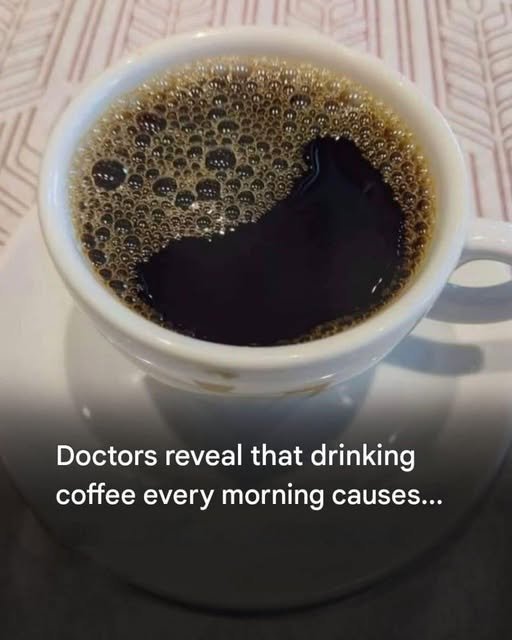
    The image shows a standard cup of black coffee paired with the alarmist, incomplete headline: “Doctors reveal that drinking coffee every morning causes…”. Framing one of the most widely consumed beverages on Earth with a vague medical “warning” is a classic health clickbait trope designed to exploit paranoia around daily habits.

    When consumed in moderation, daily morning coffee is widely supported by clinical research and associated with numerous health benefits rather than hidden medical dangers.

    What Science Says About Daily Coffee Consumption

    • Alertness and Cognitive Function: Caffeine blocks adenosine receptors in the brain, preventing the accumulation of fatigue signals. It improves reaction time, concentration, and mental alertness throughout the morning.
    • Antioxidant Powerhouse: Coffee is one of the largest sources of dietary antioxidants in Western diets, rich in chlorogenic acid and polyphenols that combat systemic inflammation and oxidative cellular stress.
    • Long-Term Health Benefits: Extensive epidemiological studies show that regular, moderate coffee intake (3–4 cups daily) is associated with a lower risk of type 2 diabetes, Parkinson’s disease, Alzheimer’s disease, and certain liver conditions (like fatty liver and cirrhosis).
    • Potential Drawbacks for Sensitive Individuals: Drinking coffee on an empty stomach or in excessive quantities can trigger acid reflux (GERD) in prone individuals, increase temporary jitteriness/anxiety, or elevate heart rate slightly. However, it does not cause acute organ damage or chronic illness as sensationalized posts imply.

    Deconstructing the “Doctors Reveal” Curiosity Gap

    This graphic relies on a proven formula to bait social media engagement:

    1. The Incomplete Sentence Hook: By leaving the headline unfinished (“…causes…”), the image creates an artificial curiosity gap, prompting users to click through to an external site or scroll through comments to find out what “danger” they are facing.
    2. False Medical Authority: Using generic phrases like “Doctors reveal” lends an unearned tone of clinical urgency without citing real medical journals, institutions, or specific physicians.
    3. Comment Section Traps & Monetization: Coffee drinkers predictably jump into the comments to defend their habit or ask if coffee is dangerous, inflating the post’s engagement metrics. Pinned links below these graphics typically lead to ad-heavy websites, dubious wellness supplements, or coffee “substitute” marketing schemes.

    For the vast majority of adults, a morning cup of coffee is a healthy, safe, and beneficial ritual.

  • Physical Reality: Identifying the Vintage Kitchen Utensil

    Physical Reality: Identifying the Vintage Kitchen Utensil

    The image displays two views of a curved, hollow metal trough attached to a spring-loaded wire handle held in a pair of hands. The accompanying caption reads: “My mom found this item in my dad’s drawer… Is this what I’m afraid of”.

    Despite the sensationalized, innuendo-driven caption, this metal object is not anything illicit, medical, or scandalous. It is a specialized vintage kitchen tool known as an asparagus stripper or vegetable peeler.

    Technical Design and Culinary Function

    • Contoured Metal Trough: The curved metal body is ergonomically designed to cradle round, long vegetables like asparagus stalks, carrots, or young parsnips.
    • Spring Wire Assembly: The wire loop handle exerts slight tension to hold the stalk securely in place as it slides through the blade area.
    • Peeling Mechanism: It allows the user to shave off tough, woody outer skin or peel thin uniform strips without breaking delicate stalks.
    • Vintage Specialty Tool: These stainless steel or chrome-plated gadgets were popular household kitchen accessories throughout the mid-20th century before being largely replaced by modern Y-peelers and swivel peelers.

    Deconstructing “Found Item” Suspicion Clickbait

    Posts framing mundane, obsolete tools as mysterious or scandalous objects represent a staple format of viral engagement farming.

    Content creators utilize specific design tricks to maximize post reach:

    1. Suggestive Framing & Innuendo: Using vague, suggestive captions like “Is this what I’m afraid of?” leads viewers to make taboo or salacious assumptions, driving them to stop scrolling.
    2. Comment Section Arguments: Viewers who recognize the obscure kitchen tool jump into the comments to correct the original poster, while others leave jokes or guesses. This rapid influx of replies tricks platform algorithms into promoting the post to wider audiences.
    3. Monetization & Link Redirection: High-engagement posts like this are routinely used to pin comments leading to e-commerce stores, ad-heavy blogs, or viral content aggregators.

    This object is simply an old-fashioned vegetable tool designed to prepare asparagus, carrying no salacious or sinister purpose.

  • Understanding Household Mess: Science and Social Media Context

    Understanding Household Mess: Science and Social Media Context

    The graphic depicts a heavily cluttered and messy kitchen counter and stovetop, piled high with unwashed pots, pans, colanders, and dishes. On social media, images like this are frequently posted as engagement bait asking audiences to fill in the blank or judge the homeowner.

    Descriptive and Psychological Perspectives

    Depending on the angle—casual, psychological, or practical—different terms describe someone living in an environment like this:

    • Overwhelmed or Burned Out: In modern psychological contexts, a severe accumulation of household chores and clutter is most frequently a sign of mental exhaustion, severe stress, executive dysfunction, or burnout rather than a personality defect.
    • Messy, Untidy, or Disorganized: The everyday terms for someone whose living space has accumulated excessive clutter or unwashed dishes.
    • Depression Nest / Crisis Living: In online wellness discussions, a kitchen or bedroom that reaches this state during an illness or depressive episode is often referred to as a “depression nest”—a temporary state where basic household maintenance becomes secondary to mental or physical survival.
    • Hoarder (if persistent and extreme): If the clutter is accompanied by an inability to discard items and severe emotional difficulty letting go of possessions, it may indicate compulsive hoarding behavior.

    The Engagement-Farming Pattern Behind the Post

    This image uses a textbook social media tactic designed to provoke public judgment and algorithmic reach:

    1. Open-Ended Controversy: Asking “What do you call a woman whose house looks like this?” invites users to drop critical, funny, or defensive comments.
    2. Gender-Targeted Framing: Specifically framing the question around a “woman” plays on traditional domestic stereotypes, which predictably triggers heated debates in the comments section.
    3. Algorithmic Boost: High volumes of arguments and replies in the comments signal strong engagement to social media platforms, causing the image to be pushed onto thousands of feeds.
  • Digital Literacy: Deconstructing Viral Storytelling Clickbait

    Digital Literacy: Deconstructing Viral Storytelling Clickbait

    The graphic shows a classroom filled with sleeping young children on nap mats, with a bright red circle and arrow drawn around one blurred child, accompanied by the sensationalized headline: “Teacher Shared a Photo of the Kids’ Naptime, Then Deleted It 10 Seconds Later—But One Mom Had Already Saved It”.

    This image is a widely circulated example of fictional story-clickbait created to farm link clicks, gather personal data, and generate ad revenue by fabricating dramatic narratives around ordinary stock photography.

    Deconstructing the Clickbait Anatomy

    • Generic Stock Photography: The photo simply depicts a completely normal daycare or pre-school naptime scene. The red circle and arrow are artificially added to imply a hidden detail or scandal that does not exist in the original photograph.
    • Artificial Urgency & Scandal: Headlines using tropes like “deleted it 10 seconds later” or “one mom had already saved it” create a high-stakes dramatic narrative designed to exploit parental protective instincts and human curiosity.
    • The Infinite Loop Link Scheme: Clicking the link associated with these posts typically leads to multi-page, ad-cluttered websites that stretch a completely fabricated story across 20–30 slides to maximize ad impressions. The resolution of the story rarely matches the dramatic headline, often ending in a trivial misunderstanding or a completely unrelated resolution.

    Risks of Viral Engagement-Farming Posts

    1. Malicious Link Redirection: Pinned comments on such posts often route users through tracking links, ad-network redirections, or low-quality websites containing pop-up scams or malware.
    2. Data Harvesting: These websites frequently prompt users to accept intrusive browser notifications, answer survey questions, or input personal information to “read the rest of the story.”
    3. Algorithmic Manipulation: Liking, sharing, or commenting on these posts signals high engagement to platform algorithms, spreading low-quality misinformation further across user feeds.
  • Option 2 (the “over” orientation) is considered the correct way to hang toilet paper based on historical evidence, hygiene research, and user convenience.

    Option 2 (the “over” orientation) is considered the correct way to hang toilet paper based on historical evidence, hygiene research, and user convenience.

    The Evidence: Patent & Hygiene
    1. The Original 1891 Patent: Seth Wheeler, the inventor who patented perforated toilet paper rolls in 1891, included detailed diagrams showing the paper hanging over the roll (Option 2), proving this was the intended design from its inception.
    2. Hygiene & Germ Prevention: With the “over” orientation, your fingers only touch the sheet you intend to tear off. In the “under” position (Option 1), fingers are far more likely to brush against the wall, transferring bacteria to or from the wall surface.
    3. Ease of Use: Hanging the loose end over the front makes it easier to locate, grab, and tear off cleanly without searching behind the roll.

    The One Exception (Under / Option 1)

    The “under” position is usually only preferred by households with cats or toddlers, as spinning the roll top-down unwinds the paper if hung “over,” whereas the “under” position prevents it from unrolling onto the floor.

    Engagement-Farming Design

    While the debate is lighthearted, posts like this use classic clickbait tropes:

    • The Curiosity Hook: Adding “The Answer Might Surprise You” creates an artificial curiosity gap to encourage clicks.
    • Comment Debates: Because people hold strong opinions on everyday household habits, two-choice image polls generate massive comment activity, boosting the post across social media algorithms.
  • Medical Reality: The Real Benefits of Flaxseeds vs. “Miracle Cure” Claims

    Medical Reality: The Real Benefits of Flaxseeds vs. “Miracle Cure” Claims

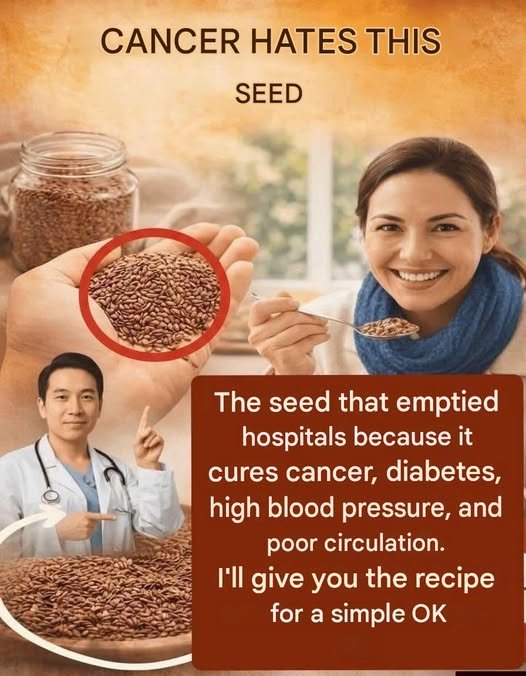
    The graphic shows a jar and handful of flaxseeds alongside headlines claiming: “CANCER HATES THIS SEED” and “The seed that emptied hospitals because it cures cancer, diabetes, high blood pressure, and poor circulation.”

    While flaxseeds (Linum usitatissimum) are a nutritious addition to a healthy diet, claims that they “cure” severe diseases like cancer or diabetes or “empty hospitals” are false and represent dangerous medical misinformation.

    Nutritional Profile and Scientifically Backed Benefits

    Flaxseeds contain key nutrients that support general cardiovascular and digestive health:

    • Alpha-Linolenic Acid (ALA): A plant-based omega-3 fatty acid that supports heart health and helps reduce systemic inflammation.
    • Lignans: Flaxseeds are one of the richest dietary sources of lignans, which are natural phytoestrogens with antioxidant properties. Research suggests lignans may help lower the risk of certain hormone-related conditions, but they do not cure cancer.
    • Dietary Fiber: Rich in both soluble and insoluble fiber, flaxseeds aid digestion, promote gut health, and help manage blood sugar levels and cholesterol when eaten regularly as part of a balanced diet.

    Why Claims of a “Miracle Cure” Are False

    • No Food Cures Cancer: Cancer is a complex genetic and cellular disease. While eating healthy, fiber-rich foods like flaxseed can help lower general cancer risk over a lifetime, no single food can eradicate existing cancer cells or replace medical treatments like chemotherapy, surgery, or immunotherapy.
    • Diabetes and Blood Pressure Management: Flaxseed fiber can help slow sugar absorption and modestly support blood pressure management, but it cannot cure type 1 or type 2 diabetes or eliminate chronic hypertension.

    Deconstructing Social Media Health Clickbait

    Posts like this use a predictable pattern to exploit viewers and farm engagement:

    1. Exaggerated Claims: Using extreme words like “emptied hospitals” and “destroys the deadliest disease” relies on shock value to stop scrolling.
    2. Comment Baiting: Prompts like “I’ll give you the recipe for a simple OK” trick users into commenting, which boosts the post in social media algorithms.
    3. Monetization Hooks: Pinned comments or follow-up links usually direct users to ad-heavy websites, unverified supplement sales, or fraudulent e-books.

    Adding ground flaxseed to smoothies, oatmeal, or baking is a great way to boost fiber and healthy fats, but it should never replace proper medical care or prescribed treatments.

  • Medical Reality: Understanding Jock Itch (Tinea Cruris) and Fungal Skin Infections

    Medical Reality: Understanding Jock Itch (Tinea Cruris) and Fungal Skin Infections

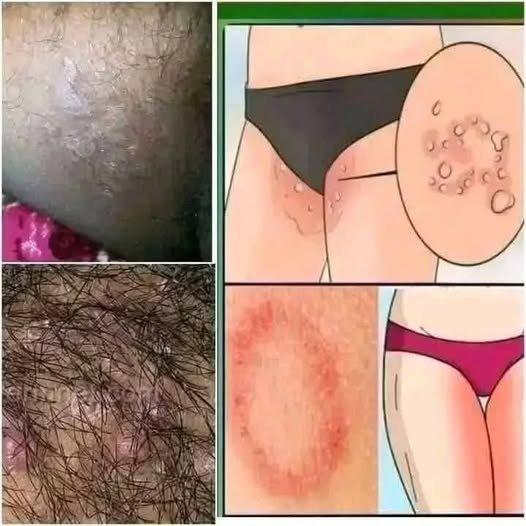
    The graphic displays close-up photos of dry, scaly skin and red rash borders alongside medical illustrations showing a rash spreading along the groin and upper thigh area, paired with the vague, alarmist caption: “These are the first symptoms that it’s growing”.

    The images depict tinea cruris—commonly known as jock itch—a superficial fungal infection of the skin. While sensationalized posts use ominous phrasing to stir anxiety, fungal skin infections are common, non-life-threatening, and treatable.

    What Is Tinea Cruris (Jock Itch)?

    Tinea cruris is a superficial dermatophyte (fungal) infection affecting the warm, moist folds of the body, particularly the groin, inner thighs, and buttocks. It is caused by dermatophytes (most commonly Trichophyton rubrum), which feed on keratin in the top layer of skin.

    Typical Symptoms:

    • Raised, Ring-Like Border: A characteristic red or hyperpigmented rash with a sharp, slightly raised border that expands outward over time.
    • Scaling and Flaking: The central area of the rash may appear dry, scaly, or clear as the border expands.
    • Itching and Irritation: A persistent itching, burning, or chafing sensation in the affected skin folds.

    Causes and Risk Factors

    Fungi thrive in warm, humid environments. Factors that contribute to fungal growth include:

    • Excess sweat, moisture, or friction from tight clothing.
    • Prolonged wear of damp athletic gear or swimsuit attire.
    • Co-existing fungal infections elsewhere on the body, such as athlete’s foot (tinea pedis), which can spread to the groin via hands or towels.
    • Weakened immune system or conditions like diabetes.

    Prevention and Management

    • Keep the Area Clean and Dry: Thoroughly dry skin folds after showering or exercising before putting on clothing.
    • Use OTC Antifungals: Over-the-counter topical antifungal creams or powders (such as clotrimazole, miconazole, or terbinafine) are typically effective when applied consistently as directed.
    • Avoid Sharing Personal Items: Do not share towels, clothing, or athletic gear.
    • Wear Breathable Fabrics: Choose loose-fitting cotton or moisture-wicking underwear to minimize friction and heat buildup.

    Deconstructing Social Media Health Clickbait

    Sensational social media graphics frequently use vague captions (“These are the first symptoms…”) to trigger fear and drive clicks:

    1. Vague Threat Language: Leaving out the actual condition name forces users to read comments or click external links out of medical concern.
    2. Alarmist Imagery: Combining close-up skin photos with anatomical diagrams creates an impression of a severe or mystery illness.
    3. Engagement Farming: Unspecified medical claims generate comment debates where users guess diagnoses, boosting the post’s visibility across social algorithms.

    If a skin rash persists, spreads rapidly despite OTC treatment, or causes severe pain or signs of bacterial infection (pus, fever), consult a healthcare provider or dermatologist for an accurate diagnosis and prescription treatment.

  • Medical Reality: Evidence-Based Dietary Prevention of Stroke

    Medical Reality: Evidence-Based Dietary Prevention of Stroke

    The graphic features a stock medical illustration of a man holding his head alongside a glowing diagram of cerebral blood vessels, topped with the headline: “5 Simple Dietary Changes to Help Prevent STROKE” and a call-to-action reading “Read more in 1st comment 👎💬”.

    Unlike many viral health posts that sell overnight “miracle cures,” dietary modifications do play a foundational, scientifically proven role in stroke prevention. However, social media graphics routinely withhold the actual medical advice to force users to engage with monetized link schemes.

    5 Evidence-Based Dietary Changes for Stroke Risk Reduction

    Major medical organizations (such as the American Heart Association and the American Stroke Association) emphasize that managing high blood pressure (hypertension), cholesterol, and vascular inflammation through diet drastically reduces ischemic and hemorrhagic stroke risk:

    1. Reduce Sodium (Salt) Intake: High sodium causes fluid retention and elevates blood pressure—the single leading manageable risk factor for stroke. Aiming for under 1,500 mg to 2,300 mg of sodium daily helps protect blood vessels from chronic arterial damage.
    2. Adopt a Mediterranean-Style or DASH Pattern: Prioritize high-fiber, nutrient-dense whole foods like leafy greens, berries, legumes, whole grains, and nuts. Fiber binds to dietary cholesterol, while antioxidants combat endothelial inflammation in brain blood vessels.
    3. Swap Saturated Fats for Healthy Unsaturated Fats: Replace butter, lard, and heavily processed meats with sources of healthy omega-3 and monounsaturated fatty acids (such as extra virgin olive oil, avocados, salmon, and walnuts) to improve lipid profiles and prevent plaque build-up (atherosclerosis).
    4. Eliminate Ultra-Processed Sugars & Trans Fats: High intake of added sugars and artificial trans fats contributes to insulin resistance, type 2 diabetes, and obesity—all of which significantly increase stroke probability by damaging small blood vessels over time.
    5. Increase Potassium-Rich Foods: Potassium helps the body excrete sodium and naturally relaxes blood vessel walls. Incorporating potassium-dense foods (like bananas, sweet potatoes, spinach, and white beans) helps maintain healthy blood pressure levels.

    Deconstructing the Link-Farming Funnel

    While the core topic (stroke prevention) is grounded in legitimate medicine, the design of this graphic relies on classic social media monetization tactics:

    1. Fear-Inducing Visual Anatomy: Placing bright “hotspots” on brain imagery exploits health anxiety around medical emergencies, compelling users to stop scrolling.
    2. Withholding Information (The “Comment Hook”): The image provides zero advice itself, using the prompt “Read more in 1st comment” to force users to open the comment section.
    3. Algorithmic Manipulation & Traffic Routing: Comment clicks and replies signal high user engagement to social media algorithms, boosting the post’s reach. The pinned comment almost always contains a tracking link directing users to ad-heavy blogs, sketchy supplement pages, or lead-generation websites rather than direct medical resources.

    Making sustainable improvements to your diet—alongside regular physical activity, monitoring blood pressure, and avoiding tobacco—is one of the most effective strategies for preventing cerebrovascular disease.

  • Nutritional Reality: What Beet and Carrot Juice Can (and Can’t) Do

    Nutritional Reality: What Beet and Carrot Juice Can (and Can’t) Do

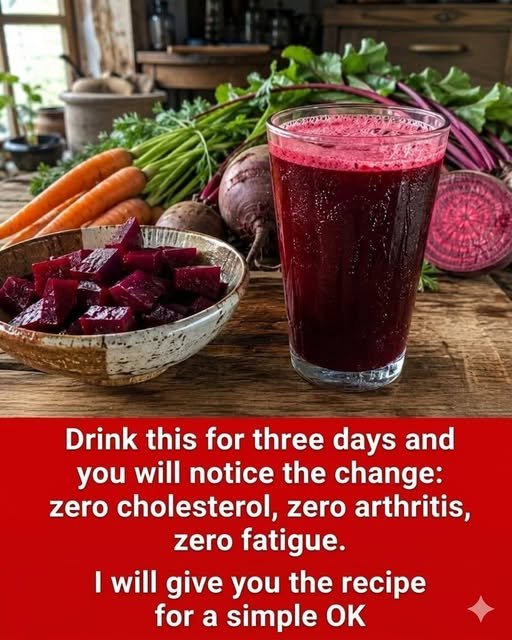
    The graphic showcases a rustic kitchen scene featuring a glass of vibrant red juice alongside beets, carrots, and chopped beetroot, under the bold claim: “Drink this for three days and you will notice the change: zero cholesterol, zero arthritis, zero fatigue.” Promises of immediate, total cures for chronic medical conditions within 72 hours are biologically impossible and represent classic health clickbait.

    While a blend of beet and carrot juice is a nutrient-dense addition to a balanced diet, it is not a overnight cure-all.

    Nutritional Breakdown and Real Health Benefits

    • Nitrates and Blood Pressure Support: Beets are naturally rich in dietary nitrates, which the body converts into nitric oxide. Nitric oxide helps relax and dilate blood vessels (vasodilation), which can lead to modest improvements in blood pressure and circulation over time—not “zero cholesterol” overnight.
    • Antioxidants and Anti-Inflammatory Compounds: Carrots provide beta-carotene (vitamin A precursor), and beets contain betalains. These powerful antioxidants help combat systemic oxidative stress and inflammation, which can support joint health and general wellness as part of a long-term diet, but they cannot cure arthritis.
    • Stamina and Fatigue: Studies show the nitrates in beetroot juice can improve oxygen efficiency during physical exercise, offering a natural stamina boost. However, chronic fatigue can stem from underlying medical issues (like anemia, thyroid dysfunction, or sleep apnea) that juice alone cannot resolve.
    • Nutritional Considerations: Juicing removes the insoluble fiber found in whole vegetables, meaning the natural sugars in carrots and beets enter the bloodstream faster. People managing diabetes or blood sugar spikes should be mindful of juice portion sizes.

    Deconstructing the Clickbait Formula

    Graphics like this use precise psychological design choices to drive engagement on social media:

    1. Absolute Promises (“Zero” Anything): Claiming “zero cholesterol” or “zero arthritis” uses extreme, unrealistic language to trigger hope in people living with painful or chronic health conditions.
    2. Comment Baiting (“Give me a simple OK”): Prompts asking users to reply with a specific word (“OK”, “YES”, “RECIPE”) trick platform algorithms into treating the post as high-engagement, boosting its reach to millions of feeds.
    3. Hyper-Short Timelines: Promising dramatic physiological changes in just 3 days creates an artificial urgency that encourages rapid sharing before critical thinking kicks in.

    A daily glass of fresh beet and carrot juice is a great source of vitamins and antioxidants, but real health management requires long-term lifestyle habits and guidance from healthcare professionals, not 3-day miracle drinks.