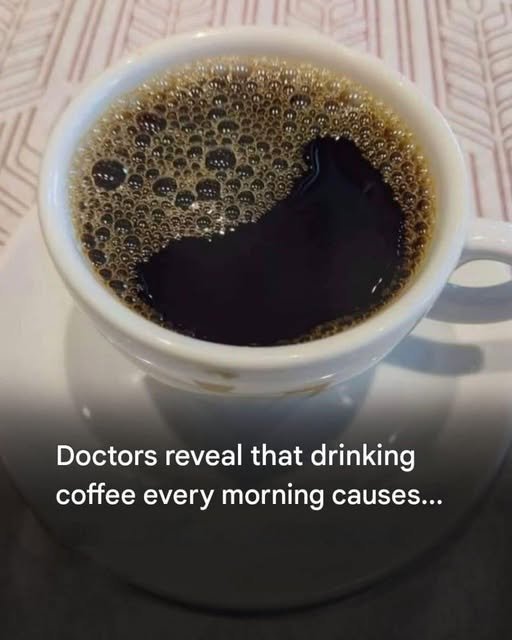
The image shows a standard cup of black coffee paired with the alarmist, incomplete headline: “Doctors reveal that drinking coffee every morning causes…”. Framing one of the most widely consumed beverages on Earth with a vague medical “warning” is a classic health clickbait trope designed to exploit paranoia around daily habits.
When consumed in moderation, daily morning coffee is widely supported by clinical research and associated with numerous health benefits rather than hidden medical dangers.
What Science Says About Daily Coffee Consumption
- Alertness and Cognitive Function: Caffeine blocks adenosine receptors in the brain, preventing the accumulation of fatigue signals. It improves reaction time, concentration, and mental alertness throughout the morning.
- Antioxidant Powerhouse: Coffee is one of the largest sources of dietary antioxidants in Western diets, rich in chlorogenic acid and polyphenols that combat systemic inflammation and oxidative cellular stress.
- Long-Term Health Benefits: Extensive epidemiological studies show that regular, moderate coffee intake (3–4 cups daily) is associated with a lower risk of type 2 diabetes, Parkinson’s disease, Alzheimer’s disease, and certain liver conditions (like fatty liver and cirrhosis).
- Potential Drawbacks for Sensitive Individuals: Drinking coffee on an empty stomach or in excessive quantities can trigger acid reflux (GERD) in prone individuals, increase temporary jitteriness/anxiety, or elevate heart rate slightly. However, it does not cause acute organ damage or chronic illness as sensationalized posts imply.
Deconstructing the “Doctors Reveal” Curiosity Gap
This graphic relies on a proven formula to bait social media engagement:
- The Incomplete Sentence Hook: By leaving the headline unfinished (“…causes…”), the image creates an artificial curiosity gap, prompting users to click through to an external site or scroll through comments to find out what “danger” they are facing.
- False Medical Authority: Using generic phrases like “Doctors reveal” lends an unearned tone of clinical urgency without citing real medical journals, institutions, or specific physicians.
- Comment Section Traps & Monetization: Coffee drinkers predictably jump into the comments to defend their habit or ask if coffee is dangerous, inflating the post’s engagement metrics. Pinned links below these graphics typically lead to ad-heavy websites, dubious wellness supplements, or coffee “substitute” marketing schemes.
For the vast majority of adults, a morning cup of coffee is a healthy, safe, and beneficial ritual.
Leave a Reply