Author: Mohsin king

  • Sleep Science: The Reality Behind Early Morning Awakenings

    Sleep Science: The Reality Behind Early Morning Awakenings

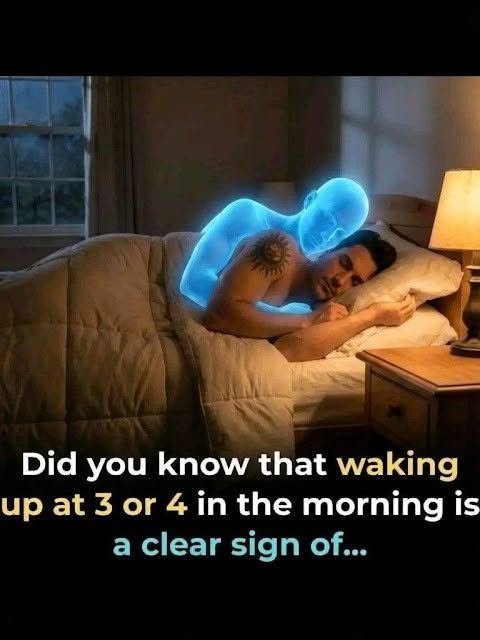
    The graphic shows a man sleeping while a glowing blue figure hovers over him, paired with the incomplete headline: “Did you know that waking up at 3 or 4 in the morning is a clear sign of…”. Memes like this often claim early waking is proof of spiritual interference, “someone staring at you,” or supernatural presence. In reality, waking up during these hours is a normal physiological result of sleep cycles, hormonal shifts, and lifestyle factors.

    Physiological Reasons for Waking Up at 3 AM or 4 AM

    • Circadian Rhythms & Sleep Architecture: Human sleep follows approximately 90-minute cycles that alternate between deep non-REM sleep and light REM sleep. Most deep sleep occurs during the first half of the night. By 3:00 AM or 4:00 AM, the body transitions into longer periods of lighter REM sleep, making you much more prone to brief awakenings from minor noise, temperature changes, or physical discomfort.
    • Cortisol & Blood Sugar Fluctuations: In the early morning hours, the body begins preparing for awakening by releasing cortisol (a stress and alertness hormone) and shifting blood glucose levels. If blood sugar dips too low overnight (nocturnal hypoglycemia) or cortisol spikes early due to stress, it triggers a mild arousal response.
    • Stress and Mental Health: High stress, anxiety, or depression frequently cause middle-of-the-night waking. When your nervous system is on edge, the natural transition between sleep cycles can trigger a spike in heart rate and full alertness.
    • Lifestyle & Environmental Triggers: Alcohol consumption (which disrupts sleep architecture as it metabolizes), caffeine late in the day, room temperature, or sleep conditions like sleep apnea can cause predictable awakenings around this time.

    Curiosity-Gap and Superstition Clickbait

    Sensational headlines combined with mystical visuals are standard engagement-farming tactics on social media:

    1. Exploiting Common Experiences: Almost everyone experiences occasional 3 AM awakenings, making the prompt feel universally relatable and urgent.
    2. Artificial Mystery (The Curiosity Gap): Cutting off the sentence mid-thought (“…is a clear sign of…”) forces users to click through to an external site or hunt through the comments for an answer.
    3. Superstitious Hooks: Using glowing figures or ghostly imagery relies on urban legends (“the witching hour”) to cause mild intrigue or fear, driving high comment activity that signals algorithms to push the post.

    Waking up occasionally in the early morning is a normal function of how human sleep cycles work. If frequent awakenings disrupt your rest, adjusting sleep hygiene, managing stress, or consulting a healthcare professional is far more helpful than relying on viral posts.

  • Medical Warning: Placing Garlic or Onions in the Ear

    Medical Warning: Placing Garlic or Onions in the Ear

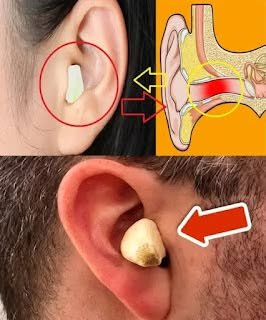
    The graphic features photos of individuals with raw garlic cloves inserted into their outer ears alongside a medical diagram depicting the ear canal. The headline frames this as “Garlic and Onion: The Natural Secret to Better Hearing”. Placing raw garlic, onions, or unverified home remedies inside the ear canal is biologically ineffective for hearing loss and poses genuine medical risks, including severe chemical irritation, infection, and mechanical blockage.

    Medical Risks and Physiological Reality

    • No Effect on Hearing Loss: Hearing loss is primarily caused by sensorineural damage (hair cell loss in the inner ear/cochlea, aging, loud noise exposure) or conductive blockages (impacted cerumen/earwax, fluid accumulation, eardrum perforation). Inserting garlic or onion does nothing to repair nerve pathways or clear structural blockages.
    • Chemical Burns and Contact Dermatitis: Garlic contains active compounds like allicin, and onions contain potent sulfur-based oils. When pressed against the delicate skin of the ear canal, these chemicals cause localized burning, severe skin inflammation, blistering, and contact dermatitis.
    • Risk of Impaction and Foreign Body Obstruction: Raw vegetable pieces can easily slide deep into the ear canal, becoming lodged near the delicate tympanic membrane (eardrum). Removing a stuck foreign object often requires specialized medical intervention by an ENT (Ear, Nose, and Throat) specialist.
    • Infection and Perforation Danger: Inserting non-sterile organic matter creates a moist environment where bacteria or fungi thrive, leading to painful external ear infections (otitis externa). If an individual already has a perforated eardrum, introducing foreign chemicals or juices directly into the middle ear space can cause severe pain, infection, and permanent hearing damage.

    Health Misinformation and Clickbait Tactics

    Infographics promoting “miracle cures” using common household items represent classic health-anxiety engagement farming.

    Content creators exploit these formats to manipulate platform engagement:

    1. Miracle Cures for Incurable Issues: Framing simple kitchen ingredients as “natural secrets” appeals to individuals seeking low-cost alternatives to medical treatment or hearing aids.
    2. Visual Shock Value: Images showing whole cloves of garlic stuffed into human ears trigger immediate curiosity and disgust, forcing users to pause their scroll.
    3. Monetization and Traffic Harvesting: Posts of this nature routinely pin links in the comments leading to ad-heavy websites, dubious wellness products, or unverified remedy ebooks.

    Medical professionals strongly advise against placing anything smaller than your elbow inside your ear canal. For hearing issues or ear pain, consult a qualified audiologist or ENT specialist.

  • Sensationalism & Disinformation: Debunking Fake “World War” Graphics

    Sensationalism & Disinformation: Debunking Fake “World War” Graphics

    The graphic features night shots of a burning industrial facility and distant explosions beneath the dramatic caption “BREAKING NEWS. Maximum worldwide alert. The war begins…” This post is a classic example of disinformation clickbait designed to incite panic and farm engagement by falsely framing localized fires or archived footage as a global conflict.

    Fact-Checking the Graphic

    • Archived & Unrelated Imagery: The image compiles screenshots from industrial fires, thermal plant blazes, or war zone footage (often from Ukraine or regional infrastructure accidents) that have been cropped and recirculated without context.
    • Watermark Attribution (exlienova_plus): The lower-right frame bears the watermark of a known social media aggregator or Telegram channel (exlienova_plus). Accounts like these routinely repost dramatic footage with exaggerated headlines to grow their follower count or drive traffic to external feeds.
    • No Official Declaration: There is no global military alert or “worldwide war” declaration. Reputable global news agencies and government bodies issue official advisories through verified broadcasts, not unverified social media memes.

    Fear-Based Engagement Tactics

    Sensationalist posts like this rely on specific psychology to manipulate platform algorithms:

    1. Panic-Inducing Headlines: Using terms like “Maximum worldwide alert” forces users to pause scrolling out of sudden fear.
    2. Comment Section Hijacking: Frightened or skeptical users flood the comment section to ask for source links or express anxiety, which boosts the post’s algorithmic ranking.
    3. Monetization & Traffic Routing: Viral clickbait pages leverage high-traffic posts to run ad-supported Telegram channels, sell products, or push malware links.

    Always verify alarming international news against established, independent news outlets rather than sensationalized social media accounts.

  • Medical Reality: The Physiological Impact of Morning Hydration

    Medical Reality: The Physiological Impact of Morning Hydration

    The viral infographic depicts complex cardiovascular diagrams—including cross-sections of coronary arteries, blood clots, cholesterol plaque, and myocardial tissue—under the dramatic header: “Drinking Water on Empty Stomach Immediately After Waking Up!”. Juxtaposing medical heart attack diagrams with an incomplete headline is a blatant medical misinformation tactic designed to generate health anxiety. In reality, drinking water on an empty stomach is a standard, beneficial physiological habit that poses no risk of cardiovascular disease or heart attacks.

    Physiological Effects of Morning Hydration

    • Rehydration and Circulation: During sleep, the body naturally loses water through respiration and perspiration. Drinking water upon waking rehydrates the body, helping maintain optimal blood volume and fluid balance without triggering acute cardiovascular strain.
    • Digestive Stimulation (Gastrocolic Reflex): Consuming water on an empty stomach stimulates peristalsis—the natural wave-like muscular contractions of the digestive tract—helping kickstart digestion and bowel regularity for the day.
    • Coronary Artery Health Debunked: Heart attacks (myocardial infarctions) are caused by the rupture of atherosclerotic plaque inside coronary arteries, leading to localized blood clot formation that blocks blood flow to heart tissue. Plain water consumption has no biological mechanism that creates blood clots, plaque build-up, or arterial blockages.
    • Extreme Cold Water Myth: While drinking excessive amounts of ice-cold water very rapidly can occasionally trigger a minor vagal nerve response (potentially lowering heart rate temporarily), standard morning water intake is completely safe for healthy individuals and heart patients alike.

    Pseudo-Medical Clickbait and Health Shock Tactics

    Infographics that pair alarmist anatomical diagrams with incomplete, sensationalized hooks represent standard pseudo-medical engagement farming.

    Content creators leverage these graphic formats to drive social media reach:

    1. Visual Shock Association: Juxtaposing a routine daily habit (drinking water) with terrifying clinical images (heart failure, dying muscle tissue) exploits health paranoia, forcing users to stop scrolling out of fear.
    2. The Incomplete Hook: Trailing off with an unfinished premise (“Did you know that…”) creates an artificial curiosity gap, forcing viewers to click external links or hunt through comments to find the missing warning.
    3. Comment Section Traps: Health warnings stir up heavy debate in the comments between users pointing out the absurdity, people asking for medical advice, and accounts sharing folk remedies, generating high comment metrics that boost the post’s algorithmic distribution.
    4. Monetized Link Routing: Posts using these graphics frequently pin comments directing users to external blogs selling unverified supplements, fake health detoxes, or ad-dense clickbait sites.

    Drinking water upon waking is a simple, healthy way to stay hydrated and support bodily functions, completely unrelated to the cardiovascular pathology depicted in the clickbait diagram.

  • Geographic Outlines: Identifying Bumper Decals

    Geographic Outlines: Identifying Bumper Decals

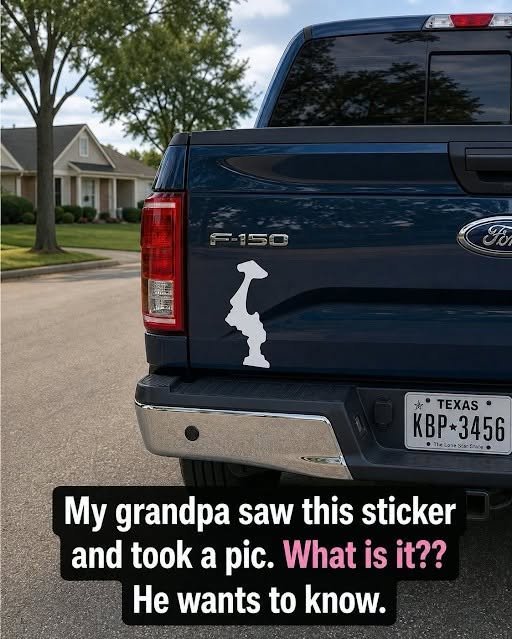
    The image shows a blue Ford F-150 pickup truck with a white bumper decal on the tailgate shaped like a geographical landmass or island, accompanied by the prompt: “My grandpa saw this sticker and took a pic. What is it?? He wants to know.” Decals like this are common among vehicle owners who wish to represent a specific island, lake, state, or vacation destination.

    Decal Identification and Topography

    • Geographic Silhouette: The decal represents the outline of a specific geographical body—frequently an island (such as Long Island, Martha’s Vineyard, or an island in the Caribbean/Pacific) or a regional lake system.
    • Customary Representation: Drivers put these vinyl cutouts on their vehicles to signal pride in their hometown, highlight a favorite travel destination, or show connection to a local boating/coastal community.
    • Potential AI Generation/Distortion: Upon closer inspection, the truck’s license plate features garbled, synthetic lettering typical of AI-generated images, suggesting that the decal itself may be an abstract, AI-synthesized shape designed to look like a plausible island or lake outline rather than a 100% accurate real-world map.

    The “Mystery Sticker” Engagement Template

    Posing questions about unrecognizable bumper stickers or vehicle emblems is a classic engagement-farming technique designed to exploit local curiosity and niche knowledge.

    Content creators use these formats to boost platform performance:

    1. Crowdsourced Identification Hooks: Asking a direct “What is this?” question invites thousands of users to guess different islands, lakes, or countries in the comments.
    2. Regional Pride & Debates: Viewers frequently chime in to defend their home regions, argue over map orientations, or point out minor geographical inaccuracies, creating massive comment volume that prompts algorithms to amplify the post.
    3. Monetized Link Routing: Aggregator accounts using these images often pin comments leading to merchandise stores, custom decal shops, or ad-dense clickbait sites.

    While many bumper stickers represent real coastal regions or lakes, this particular graphic uses synthetic imagery to frame an ambiguous outline as a mystery meant to spark debate.

  • Textile Reality: The Structural Purpose of Towel Dobby Borders

    Textile Reality: The Structural Purpose of Towel Dobby Borders

    The viral graphic features a stack of folded bath towels with a red box highlighting the flat, woven band across the fabric, accompanied by the claim: “Most people will go their entire life without ever knowing what the lines on bath towels actually mean”. Known in the textile industry as a dobby border (or dobby band), this feature serves functional weaving and structural purposes rather than carrying any hidden “meaning” or secret code.

    Technical and Practical Functions of a Dobby Border

    • Structural Integrity and Shape Retention: Bath towels are composed of thousands of raised thread loops (terry pile) designed for absorbency. The dobby border is woven flat without loops using a specialized dobby loom. This flat weave acts as a structural anchor across the width of the towel, preventing the edges from warping, stretching, or losing shape after repeated wash cycles.
    • Tears and Fray Resistance: The flat band breaks up the continuous tension of the raised terry loops. By securing the warp and weft threads flatly near the ends, it prevents fraying, snagging, and unraveling along the main body of the towel during heavy laundering.
    • Aesthetic Contrast & Folding Indicator: Beyond structural support, the dobby border provides visual contrast against the plush terry pile, giving towels a tailored appearance. In commercial settings like hotels, it also serves as a quick visual guide for staff to align folds consistently.

    Artificial Secret Claims and Curiosity-Gap Engagement

    Framing everyday manufacturing techniques as “hidden secrets” represents classic curiosity-gap engagement farming.

    Content creators leverage these graphic formats to drive social media metrics:

    1. Manufacturing a “Hidden Purpose”: Claiming that “most people will go their entire life without ever knowing” creates an artificial sense of mystery around an ordinary household item, tricking users into stopping their scroll.
    2. Comment Section Traps: These posts encourage viewers to leave humorous guesses, argue over towel quality, or share personal folding methods, generating massive comment volume that signals algorithms to amplify the post’s reach.
    3. Traffic Harvesting: Links placed in the comments of such viral posts typically lead users to ad-heavy clickbait articles or digital storefronts rather than legitimate textile information.

    While viral posts attempt to frame towel borders as a mystery, they are simply a standard textile design feature engineered to keep towels durable, structural, and fray-free through regular use.

  • Physiological Reality: Why Ear Hair Grows with Age

    Physiological Reality: Why Ear Hair Grows with Age

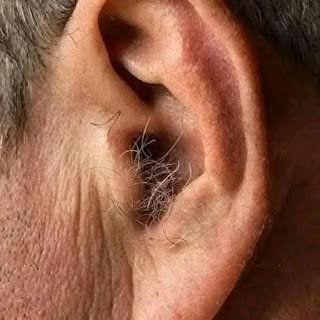
    The graphic shows a close-up photograph of a human ear with visible hair growing from the external auditory canal, accompanied by an incomplete, sensationalized prompt: “DID YOU KNOW THAT? If hair grows on your ears, it’s because your body…”. While viral posts often frame ear hair growth as a sign of hidden diseases or extreme physiological imbalances, it is actually a benign, natural physiological phenomenon linked to aging, genetics, and normal hormonal shifts.

    Biology and Causes of Ear Hair Growth

    • Hormonal Sensitivity (Dihydrotestosterone – DHT): As individuals age—particularly men—hair follicles in specific areas, such as the outer ear canal and nostrils, become increasingly sensitive to testosterone and its byproduct, dihydrotestosterone (DHT). Rather than causing hair loss as it does on the scalp, DHT causes the fine, invisible vellus hairs in the ears to transition into coarse, visible terminal hairs (a process known as follicle miniaturization reversal or androgenic hair growth).
    • Genetics: The tendency to sprout prominent ear hair is heavily influenced by hereditary traits. In some cultures and family lineages, ear hair growth is an inherited genetic trait passed down through paternal lines.
    • Protective Biological Function: Tragus and canal hairs (tragi) serve a natural defense role. They act as a physical barrier to trap dust, dirt, debris, and insects, preventing foreign particles from entering the ear canal and reaching the delicate tympanic membrane (eardrum).
    • Debunking Medical Myths: Viral claims often falsely link ear hair directly to heart disease or severe systemic illness. While historical studies explored minor correlations between Frank’s sign (earlobe creases) and cardiovascular health, ear hair itself is purely a benign physical trait rather than a primary medical diagnostic indicator.

    Health Clickbait and Curiosity-Gap Engagement

    Posts featuring anatomical close-ups paired with unfinished questions represent standard health-anxiety clickbait designed to exploit body insecurities.

    Content creators utilize these tactics to manipulate platform algorithms:

    1. The Incomplete Premise Hook: Starting a post with an unfinished sentence (“If hair grows on your ears, it’s because your body…”) creates an artificial curiosity gap, enticing users to click or hunt through comments for the rest of the statement.
    2. Medical Anxiety Triggering: Implying that a normal physical trait is secretly caused by an alarming bodily defect forces users to stop scrolling and inspect their own bodies out of concern.
    3. Comment Section Farming: Viewers flood the post with guesses, personal anecdotes, or jokes, which drives up interaction metrics and tricks social algorithms into boosting the content’s viral distribution.

    Ear hair growth is a completely normal, harmless result of aging and hormonal genetics that can be safely managed with routine trimming or grooming if desired.

  • End-of-Life Planning: The Reality Behind Human-Animal Bond Stories

    End-of-Life Planning: The Reality Behind Human-Animal Bond Stories

    The graphic shows an elderly, terminally ill patient in a hospital bed with nasal cannulas and medical monitoring equipment, resting his hand near a dog. The banner reads: “RESCUE DOGS: His Final Wish Was Simple, ‘Keep My Dogs Together and Love Them Forever’”. This image documents a genuine, deeply poignant moment regarding end-of-life care and pet estate planning, though it is frequently republished online to leverage intense emotional responses.

    The Human-Animal Bond in Palliative Care

    • The Story Behind the Photo: This photograph captures terminal patient David “Daven” Cooper, who was receiving end-of-life care in a hospital setting. His primary wish before passing was to ensure that his two beloved German Shepherds, Shadow and Baby, would be adopted together into a loving home rather than separated or surrendered to a shelter system.
    • Animal-Assisted Comfort in Hospitals: Modern palliative and hospice care programs increasingly accommodate visits from personal pets or certified therapy animals. Studies consistently show that contact with familiar pets reduces anxiety, lowers pain perception, and provides critical emotional comfort to terminally ill patients.
    • Pet Estate Planning: The story highlights a critical, often-overlooked aspect of estate management: arranging legal guardianship, pet trusts, or dedicated rescue placement for surviving companion animals when an owner passes away.

    Emotional Exploitation and Engagement Mechanics

    While grounded in a real, heartbreaking human event, content aggregators frequently utilize photos of vulnerable, dying patients to manipulate social media platforms:

    1. High-Intensity Emotional Hooks: Photos depicting severe illness paired with self-sacrificing final wishes (“His final wish wasn’t for himself; it was for his dogs”) trigger overwhelming feelings of grief and empathy, guaranteeing that users stop scrolling.
    2. Comment Volume Generation: Heartwarming or tear-jerking animal welfare stories prompt thousands of viewers to leave condolences, prayers, and personal stories, creating massive comment engagement that triggers social media algorithms to boost post visibility.
    3. Monetization and Traffic Harvesting: Aggregator accounts use these emotionally charged posts to route traffic to ad-monetized blogs, digital storefronts, or dubious donation pages that may not actually benefit the shelter or family involved.

    Ensuring companion animals are cared for after an owner’s passing is a meaningful aspect of end-of-life preparation, best secured through legal pet trusts or formal arrangements with trusted family and reputable rescue organizations rather than relying on viral internet pleas.

  • Fire Department Rescue: The Incident Behind the Graphic

    Fire Department Rescue: The Incident Behind the Graphic

    The viral graphic features a banner reading “Firefighters Rescue Dog Trapped 25 Feet Up Cliff Face” accompanied by photos of emergency responders setting up technical rope systems along a rocky outcrop. This graphic covers a real rescue operation carried out by Bend Fire & Rescue in Bend, Oregon.

    What Actually Happened

    • The Incident: A dog named Maverick accidentally slipped off a path after his leash broke during a walk with his owner, becoming stranded overnight on a narrow cliff ledge about 25 feet above the ground.
    • The Search & Rescue: Because Maverick blended seamlessly into the dark rock face, his owner searched extensively before finally spotting him tucked into a recessed nook.
    • The Operation: Bend Fire & Rescue deployed a high-angle rope rescue system. A responder rappelled down to the ledge, coaxed Maverick out, secured him with a harness, and guided him safely up the cliff. Maverick was returned to his owner unharmed.

    Social Media Engagement & Context Packaging

    While this post highlights a legitimate local news story, news graphics with dramatic overlays are often re-shared by social media pages to boost interaction:

    1. Emotional Narrative Hook: Highlighting the animal’s ordeal (“spent the night trapped above the ground”) creates an immediate emotional connection, compelling users to stop and read.
    2. High Engagement Driving: Rescue stories routinely generate high comment volumes from animal lovers, which social media algorithms reward with broader reach.
    3. Traffic Routing: Many aggregator accounts share these true stories with pinned links directing followers to ad-supported blogs or clickbait news aggregators.
  • Digital Media Literacy: Deconstructing Viral Emotional Clickbait

    Digital Media Literacy: Deconstructing Viral Emotional Clickbait

    The viral image depicts a baby with facial redness alongside the overlay text: “GOOD NEWS: Abandoned Dog Stays Beside Helpless Baby Until Rescuers Finally Arrive”. While stray animals occasionally perform heroic acts in real life, graphics structured like this are engineered engagement traps designed to monetize human empathy through fabricated emotional stories.

    Anatomy of the Narrative Trap

    • Unrelated Visuals: The photo simply shows a newborn infant experiencing common, benign skin redness (such as erythema toxicum neonatorum or birthmarks) resting on a hospital blanket. No dog or rescue scene is depicted in the image.
    • Emotional Manipulation: Combining vulnerable subjects (newborns, stray animals) with heroic tropes (“stayed beside the baby when no one else did”) triggers an immediate empathetic response, overriding critical evaluation.
    • Fabricated Context: Pages repurpose stock photos or personal medical photos without permission, attaching sensationalized captions to farm likes and shares.

    Engagement Farming and Monetization Strategy

    Content creators and viral farms employ these tactics to manipulate social platform algorithms:

    1. The Curiosity/Empathy Hook: Eyecatching text prompts users to stop scrolling and search the comments for details or a video link.
    2. Comment Driving: Viewers leave supportive comments (“God bless the dog,” “Thank goodness”), driving up interaction metrics and boosting the post’s organic reach.
    3. Outbound Traffic & Ad Revenue: Pinned comments or bio links direct users to ad-laden clickbait websites, spam blogs, or malicious affiliate networks.

    While real animal rescue stories do happen, posts featuring stock imagery paired with dramatic banner text are almost exclusively engagement-farming tactics.

    Stray dogs guard abandoned newborn through the night in Nabadwip

    This report highlights a real-life instance reported by news outlets where stray animals guarded an abandoned newborn, showing the distinction between actual documented events and unverified social media clickbait.