Author: Mohsin king

  • Entomological Reality: Cockroach Nymph Identification in North Texas

    Entomological Reality: Cockroach Nymph Identification in North Texas

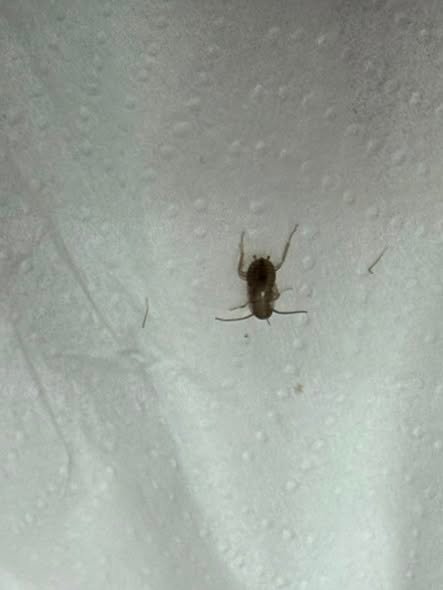
    The insect in the image is a cockroach nymph (juvenile cockroach) resting on a paper towel. In North Texas, finding multiple nymphs indoors—especially if some are already dead—points to either an ongoing indoor infestation or outdoor roaches seeking moisture and shelter inside during warm or dry weather.

    Species Possibilities in North Texas

    • Smokybrown Cockroach (Periplaneta fuliginosa): Very common in North Texas. Young nymphs are dark brown to black with distinctive white bands across their antennae and back. They primarily live outdoors in trees, mulch, and gutters, but nymphs frequently wander indoors through small cracks or vents.
    • American Cockroach (Periplaneta americana): Also widespread in Texas (“palmetto bugs”). Nymphs are reddish-brown without wings. They thrive in damp areas like bathrooms, basements, or near plumbing.
    • German Cockroach (Blattella germanica): The primary indoor pest species. German roach nymphs have a dark body with a pale, tan stripe running down the center of their back. They inhabit kitchens and bathrooms near food and water sources and reproduce rapidly indoors.
    • Surinam or Oriental Cockroach: Dark brown or black nymphs that live in soil, leaf litter, or crawlspaces and occasionally enter ground-level structures.

    Why You Are Finding Them (And Some Dead)

    • Breeding Nearby: Finding 7 nymphs indicates a hatch recently occurred nearby—either inside wall voids, under appliances, or right outside exterior entry points.
    • Dehydration or Residual Treatment: Finding several dead roaches often means they entered an environment lacking sufficient water, or they came into contact with previously applied pest control treatments, dusts, or clean surfaces.
    • Weather Mobility: Texas heat and dry spells frequently drive outdoor roach nymphs inside through door sweeps, window screens, and weep holes in brick foundations.

    Actionable Steps to Address the Issue

    1. Targeted Inspection: Check dark, high-moisture zones—under kitchen/bathroom sinks, behind the refrigerator, and around water heaters—for droppings, egg cases (oothecae), or live bugs.
    2. Eliminate Moisture & Entry Points: Repair plumbing leaks, wipe down sinks before bed, seal gaps around pipes, and check exterior door sweeps and window screens.
    3. Use Gel Baits and Sticky Traps: Place roach gel bait (such as those containing fipronil or imidacloprid) in hidden crevices and lay down sticky monitor traps to identify where they are entering.
    4. Consult Pest Control: If new nymphs continue appearing daily, contact a licensed professional to inspect for nest locations and apply targeted treatments.

    Pest Identification Misdirection and Engagement Farming

    Images showing captured insects alongside distressed captions (“Going crazy over here”) are frequently shared on social media to capitalize on household infestation fears.

    Content creators leverage these posts to drive platform metrics:

    1. Household Disgust and Alarm: Pest posts evoke strong emotional reactions, causing users to stop scrolling to inspect the image and share their own pest experiences.
    2. Regional Crowdsourcing: Mentioning specific geographic areas (like “North Texas”) encourages local residents to debate species, compare experiences, and recommend regional exterminators in the comments.
    3. Monetized Affiliate Links: Viral pest posts often feature pinned comments with affiliate links for pest traps, repellent devices, or extermination services.
  • Entomological Reality: Cockroach Nymph Identification

    Entomological Reality: Cockroach Nymph Identification

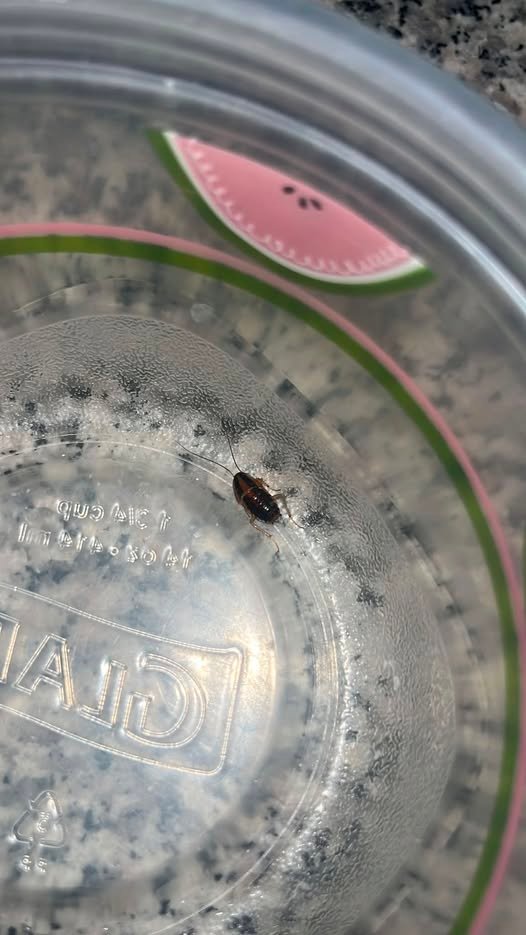
    The insect trapped inside the plastic container is indeed a cockroach nymph (a juvenile cockroach). Based on its dark oval body, distinct long antennae, lack of fully developed wings, and subtle pale stripe across its pronotum/torso, it closely resembles an early-instar German cockroach nymph (Blattella germanica) or a related domestic pest species.

    Pest Ecology and Infestation Risks

    • Significance of Finding Nymphs: Finding adult cockroaches indoors can sometimes mean an isolated traveler flew or crawled in from outside. However, encountering juvenile nymphs indicates active breeding nearby, as nymphs do not travel far from where their egg case (ootheca) was deposited.
    • Low Volume Frequency: Finding only two nymphs over a two-month span suggests an infestation is either in its very early stages or localized in an adjacent area (such as a neighboring apartment, behind kitchen appliances, or inside wall voids).
    • Behavior and Habitats: Cockroach nymphs are nocturnal, highly elusive, and seek out small, dark, humid gaps near food and water sources—most commonly under sinks, behind refrigerators, inside cabinets, or around bathroom plumbing.

    Pest Identification Misdirection and Engagement Framing

    Images of captured domestic insects asking “Is this a baby cockroach?” are frequently repurposed on social media to exploit pest anxieties and drive high-interaction forum discussions.

    Content creators and viral pages utilize these posts to boost algorithmic performance:

    1. Household Anxiety Triggers: Cockroach infestations evoke intense disgust and worry about home cleanliness, causing users to pause their scroll to confirm their suspicions.
    2. Crowdsourced Identification Hooks: Posing straightforward identification questions prompts hundreds of users to chime in with personal extermination stories, DIY remedies, or species debates in the comments.
    3. Monetized Affiliate Links: Pages posting these images often pin sponsored comments leading to external sites promoting pest-repellent gadgets, exterminator lead generators, or ad-dense blogs.

    To manage potential pest activity early, inspect dark kitchen/bathroom crevices for droppings or shed skins, keep food in sealed containers, eliminate standing moisture, and consider setting gel baits or consulting a professional pest technician.

  • Botanical and Culinary Reality: Identifying Compromised Garlic

    Botanical and Culinary Reality: Identifying Compromised Garlic

    The graphic shows fresh garlic bulbs and cloves resting on a wooden cutting board, accompanied by the dramatic headline: “Garlic is sold in the market but if you see these 4 bulbs, don’t take them even if they are free”. While garlic is a culinary staple with well-documented antimicrobial and nutritional benefits, certain physiological and fungal signs do indicate that a garlic bulb is spoiled, unsafe, or unpalatable.

    Indicators of Compromised or Unsafe Garlic

    • Black Mold (Aspergillus niger): Garlic bulbs showing powdery black spots under the outer papery skin are infected with Aspergillus niger. While small amounts can sometimes be trimmed if the cloves remain firm, severe mold contamination produces mycotoxins that make the bulb unsafe to consume.
    • Sprouted or Green Core: Garlic bulbs that have sprouted long green shoots are actively drawing nutrients out of the cloves. While not toxic or unsafe to eat, sprouted garlic becomes bitter, hollow, and woody in texture.
    • Soft, Spongy, or Discolored Cloves: Cloves that feel mushy, appear yellow/brown and translucent (waxy breakdown), or exhibit blue-green mold (Penicillium) are decaying. Internal breakdown often results from bacterial rot or poor post-harvest storage conditions.
    • Bleached or Chemically Treated Import Myths: Some viral claims allege that smooth, brilliant-white imported garlic is treated with toxic bleach. In reality, while imported garlic may undergo chlorine washing to sanitize soil residue according to agricultural inspection standards, the primary reason to avoid old garlic is physical spoilage, decay, or mold rather than conspiracy theories.

    Food Safety Panic and Clickbait Tactics

    Social media posts featuring common grocery items paired with extreme warning labels represent standard food-safety engagement farming.

    Content creators utilize these tactics to maximize algorithmic reach:

    1. Manufacturing Food Paranoia: Suggesting that standard produce items pose a hidden health hazard taps into dietary anxieties, causing users to pause and check their own pantry items.
    2. Artificial Curiosity Gap: The image text deliberately avoids listing the “4 bulbs”. This design forces users to click outbound links, view slideshow ads, or open the comment section to find out what specific visual cues they should avoid.
    3. Comment Section Traps: Food safety warnings naturally prompt viewers to share cooking tips, debate regional sourcing, or ask for clarification, generating high comment volume that tricks social media algorithms into promoting the post.

    When purchasing garlic, simply select firm, plump bulbs with tight, dry skins, and avoid those that feel hollow, soft, or display visible mold.

  • Appliance Safety: The Real Hazards of Electric Kettle Misuse

    Appliance Safety: The Real Hazards of Electric Kettle Misuse

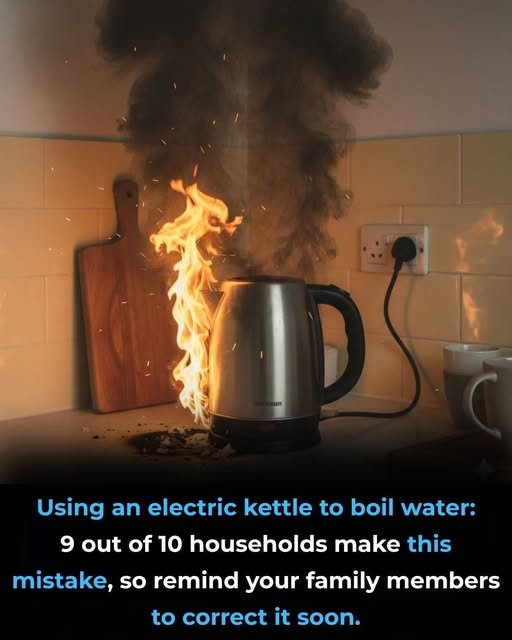
    The viral graphic shows a stainless steel electric kettle bursting into flames on a kitchen counter, accompanied by the sensational claim: “Using an electric kettle to boil water: 9 out of 10 households make this mistake, so remind your family members to correct it soon”. While electric kettles are generally safe household appliances, improper usage can create legitimate fire or electrical hazards, even though the image itself uses AI-generated drama to manufacture panic.

    Real Appliance Safety Hazards vs. Myth

    • Dry Boiling (Running Without Water): Turning on a kettle with little to no water causes the heating element to rapidly overheat. While modern kettles feature automatic “boil-dry protection” switches that shut the unit off, older or damaged models can melt their internal components, short-circuit, or ignite surrounding materials.
    • Overfilling Past the Maximum Line: Filling a kettle beyond its maximum capacity causes boiling water to spray out of the spout or lid. This steam or hot water can leak into the electrical base or wall outlet, creating a short circuit, electric shock risk, or thermal damage.
    • Plugging into Extension Cords: Kettles draw high wattage (typically 1,200 to 3,000 watts) to heat water quickly. Plugging a kettle into a thin extension cord or low-grade power strip rather than a dedicated wall outlet can cause the cord to overheat and melt.
    • Limescale Build-Up: Heavy mineral deposits on the heating element reduce thermal efficiency, causing the kettle to run longer and hotter than designed, which places unnecessary stress on electrical wiring.

    Fear-Based Safety Clickbait and Engagement Farming

    Posts combining sensationalized destruction images with artificial statistics (“9 out of 10 households…”) represent classic engagement farming designed to exploit household safety anxieties.

    Content creators leverage these tactics to boost algorithmic reach:

    1. AI-Generated Shock Imagery: The photo features distinct signs of AI generation—such as unnatural flame physics emerging beside the metal casing without charring the wall, alongside a floating, distorted plug wire. The dramatic visual forces users to pause their scroll in alarm.
    2. Artificial Curiosity Gap: The image text intentionally avoids specifying the “mistake” being made. This design forces users to click external links or scroll through comments to discover what they are supposedly doing wrong.
    3. Monetization Routing: Pinning comments with links like “Read the full warning here” leads users to ad-dense blogs, affiliate store pages, or malicious click-through networks rather than official safety standards.

    Using an electric kettle safely simply requires keeping the water level between the min/max lines, plugging it directly into a grounded wall socket, and descaling the reservoir periodically.

  • Clinical Reality: Human Papillomavirus (HPV) and Cutaneous Warts

    Clinical Reality: Human Papillomavirus (HPV) and Cutaneous Warts

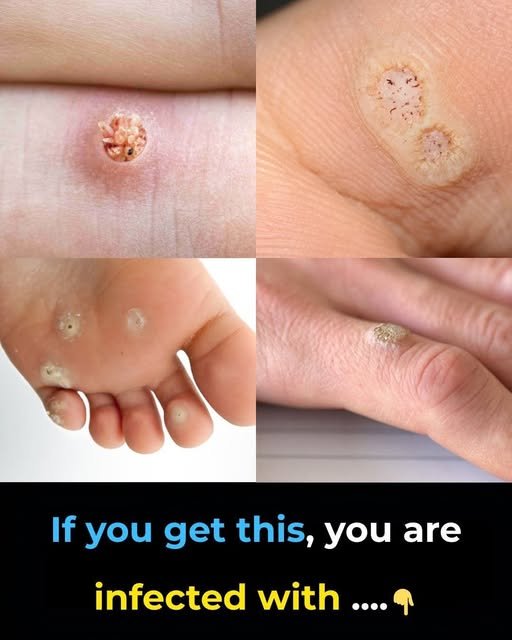
    The multi-panel graphic displays close-up images of common skin lesions—including a filiform/periungual wart (top-left) and plantar warts with visible black specks (top-right, bottom panels)—paired with an ominous text hook: “If you get this, you are infected with ….”. While these lesions are indeed the result of a viral infection, the graphic sensationalizes a common, non-life-threatening dermatological condition to provoke health anxiety.

    Etiology and Characteristics of Cutaneous Warts

    • Viral Origin: Cutaneous warts (verrucae) are benign skin growths caused by localized infection of the top layer of skin with low-risk strains of the Human Papillomavirus (HPV), most commonly types 1, 2, 4, 27, or 57. These are completely distinct from high-risk mucosal HPV strains associated with cervical cancer or genital warts.
    • Transmissibility: The virus enters through tiny cuts, scratches, or friction breaks in the skin. It spreads via direct person-to-person contact or indirectly through contaminated damp surfaces like locker room floors, pool decks, or shared towels.
    • Anatomical Manifestations:
      • Plantar Warts (Verruca Plantaris): Occur on the soles of the feet. Pressure from walking flattens them into the skin. The tiny black dots often visible in the center (seen in the right and bottom panels) are pinpoint pinpoint hemorrhages—clotted capillaries supplying blood to the lesion, not “roots” or “seeds.”
      • Filiform Warts: Characterized by thread-like, finger-like projections (top-left panel), commonly appearing around the mouth, eyes, or finger margins.
    • Prognosis & Treatment: Warts are non-malignant and often resolve spontaneously as the immune system clears the localized viral infection. Over-the-counter salicylic acid treatments, cryotherapy (freezing), or minor clinical procedures are routine, effective options for persistent cases.

    Fear-Based Health Clickbait and Trypophobia Exploitation

    Social media posts featuring textured skin lesions framed with incomplete, ominous captions represent a deliberate combination of health-anxiety farming and sensory manipulation.

    Content creators utilize these visual and psychological tactics to maximize algorithmic reach:

    1. Exploiting Trypophobia and Revulsion: Images featuring clustered, textured, or porous skin formations (like the filiform projection in the top-left) trigger trypophobia—an aversion to clusters of small holes or bumps. This visual discomfort forces users to stop scrolling and inspect the image out of morbid curiosity.
    2. Medical Panic and Incomplete Captions: Using phrases like “To BE VERY CAREFUL” and leaving the sentence unfinished (“infected with ….”) exploits health paranoia, leading viewers to fear they have contracted a severe or incurable disease.
    3. Comment Section Manipulation: Viewers naturally flood the comment section to state the diagnosis (“HPV” or “warts”), argue over home remedies, or express disgust, creating high comment volume that tricks social algorithms into giving the post viral distribution.

    While skin warts require basic hygiene precautions to avoid spreading them to other areas of the body or other people, they are extremely common, medically benign growths that are easily treated by standard dermatological methods.

  • Hospitality Standards: The Purpose of Hotel Bed Runners

    Hospitality Standards: The Purpose of Hotel Bed Runners

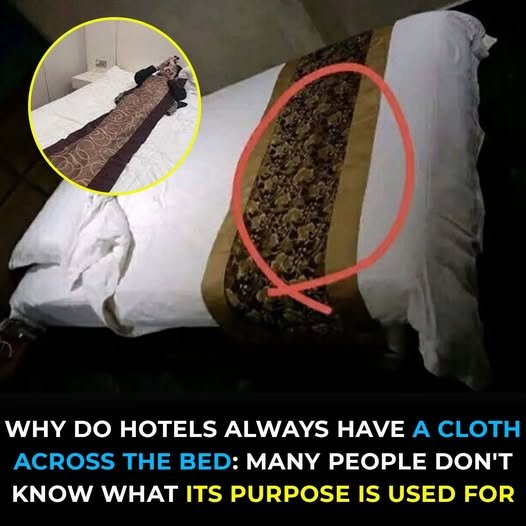
    The viral graphic features a hotel bed with a decorative fabric strip stretched across the foot of the mattress, alongside an inset photo showing a person humorously lying underneath it like a blanket. The text poses an urgent, mystery-style question: “WHY DO HOTELS ALWAYS HAVE A CLOTH ACROSS THE BED: MANY PEOPLE DON’T KNOW WHAT ITS PURPOSE IS USED FOR”. Known in the hospitality industry as a bed runner (or bed scarf), this decorative piece serves practical, hygienic, and aesthetic functions.

    Practical Functions of a Bed Runner

    • Protecting Bedding from Footwear and Luggage: Guests frequently sit on the edge of the bed with shoes on or place heavy suitcases and bags on top of the mattress while unpacking. Bed runners act as a durable barrier, protecting the crisp white bedsheets from dirt, scuffs, and outdoor contaminants.
    • Hygiene and Laundering Efficiency: White duvets and sheets require frequent high-temperature washing and bleaching, which causes significant wear and tear. A bed runner reduces direct contact on the foot of the bed, protecting the main bedding and allowing housekeeping to wash darker or patterned accent runners on a separate schedule.
    • Aesthetic and Interior Design: Hotels often use plain white linens to signify cleanliness to guests. Adding a patterned or textured bed runner introduces color, contrast, and visual interest to the room, giving the bed a polished, high-end appearance.

    Artificial Mystery and Engagement Farming

    Graphics asking open-ended questions about ordinary hotel features represent standard curiosity-gap engagement farming.

    Content creators use these formats to drive platform metrics:

    1. Staging Absurd Misuse: The inset photo showing a person wrapped in the narrow cloth like a body scarf relies on visual comedy and absurdity to make users stop scrolling.
    2. Manufacturing a “Hidden Purpose”: Framing a common household or hotel object as a mysterious secret (“MANY PEOPLE DON’T KNOW…”) triggers curiosity, encouraging users to click or read through comments to find an answer.
    3. Comment Section Traps: Simple, relatable travel topics prompt hundreds of users to leave humorous comments, debate hotel cleanliness, or share personal travel stories, generating high interaction volume that boosts the post’s algorithmic distribution.

    While social media posts often frame bed runners as mysterious or mis understood items, they are simply practical protective accents designed to keep hotel bed linens clean and damage-free.

  • Synthetic Media Analysis: AI-Generated Childhood Photos of Public Figures

    Synthetic Media Analysis: AI-Generated Childhood Photos of Public Figures

    The image features a studio portrait of a blonde young boy with facial features clearly stylized to resemble former U.S. President Donald Trump, accompanied by the dramatic caption: “The little boy in this photo is now the most famous man on Earth”. Despite its convincing vintage appearance, this is an AI-generated synthetic image rather than an authentic historical photograph.

    Historical Reality vs. AI Generation

    • Authentic Childhood Photos: Authentic, historical childhood photographs of Donald Trump from the 1950s show him with natural, age-appropriate facial features, standard hair styling of the era, and distinct clothing that differs significantly from this digital render.
    • AI Artifacts and Facial Blend: This image is a digitally synthesized “de-aged” render created using modern generative AI tools. The software overlays adult facial structure, hair color, and expression traits directly onto a child’s silhouette, creating an uncanny likeness designed to instantly signal a famous identity to viewers.
    • Proliferation of Synthetic History: Generative AI tools are frequently used to fabricate “rare historic photos” or “unseen childhood portraits” of celebrities, world leaders, and historical icons to pass them off as real archival discoveries.

    The Curiosity Gap and Engagement Farming

    Posts featuring fabricated historic portraits paired with grand, mystery-driven headlines are classic examples of visual engagement farming.

    Content creators utilize these synthetic images to boost platform performance:

    1. The “Mystery Identity” Hook: Pretending that a recognizable face is a “mystery” or sensational breakthrough prompts users to pause, inspect the facial features, and verify their immediate guess.
    2. Comment Section Inflation: Users naturally flood the comments section to type the person’s name (“Donald Trump”), argue about whether the photo is real or AI, or express surprise, generating massive comment volume that signals the algorithm to boost the post’s organic distribution.
    3. Monetization Traffic: These viral image pages frequently pin outbound links in the comments leading to ad-heavy websites, clickbait lists, or sponsored content hubs.

    While AI tools make it easy to generate hyper-realistic “vintage” portraits, verifying unexpected celebrity photos against archival press records prevents synthetic media from being mistaken for real history.

  • Electrical Safety: The Real Risks of Power Strip Overloading

    Electrical Safety: The Real Risks of Power Strip Overloading

    The viral image displays burning surge protectors and melted electrical plugs alongside dramatic text urging viewers to learn what they should “NEVER Plug Into A Power Strip”. Unlike pure internet myths, this warning is grounded in legitimate fire safety standards, though the imagery leans on sensational visual triggers to drive social media clicks.

    Fire Safety Principles and High-Draw Appliances

    • High-Wattage Appliances: Fire departments consistently warn against plugging high-power appliances into basic power strips or extension cords. Devices with heating elements or heavy compressors—such as space heaters, microwaves, micro-fridges, toaster ovens, hair dryers, and air conditioners—draw continuous, heavy electrical current.
    • Overheating and Electrical Fires: Standard power strips are designed for low-wattage electronics like laptops, phone chargers, and lamps. Connecting high-draw appliances causes electrical resistance inside the strip’s internal wiring to soar, melting the plastic housing and sparking electrical fires before a breaker can trip.
    • Daisy-Chaining Danger: Plugging one power strip into another (known as “daisy-chaining”) multiplies electrical load across a single wall outlet, severely exceeding safe circuit limits and creating a major fire hazard.

    Fear-Based Safety Clickbait Tactics

    While electrical safety advice is crucial, the sensational presentation is designed for engagement farming:

    1. Shock Imagery: Using dramatic photos of active fires and charred plugs triggers immediate fear, forcing users to pause their scroll.
    2. Withholding Critical Answers: The image text avoids listing the specific appliances, forcing readers to open the comments or click external links (“See full story in the first comment”) to get basic safety information.
    3. Monetization Routing: Prompts linking to comment sections almost always direct users to ad-heavy websites or affiliate pages rather than direct fire department safety guidelines.

    To prevent electrical fires, always plug high-wattage appliances directly into dedicated wall outlets and ensure your power strips carry certified safety testing labels (such as UL or ETL).

  • Superstition and Media Analysis: Grief Clickbait and Superstitious Warnings

    Superstition and Media Analysis: Grief Clickbait and Superstitious Warnings

    The image features digital artwork depicting a glowing spirit rising from a deceased person’s body while mourners watch, accompanied by the sensational title: “When someone in the family passes away, never throw away these 4 things at their funeral”. This post represents a widespread genre of social media “grief clickbait” that leverages mourning, afterlife imagery, and urban superstitions to exploit viewers’ emotions for online engagement.

    Superstitious Claims vs. Practical Estate Considerations

    • Folklore & Superstition: Posts with these themes typically invent arbitrary rules rooted in local folklore or spiritual taboos—such as claiming that discarding personal items, clothing, or floral arrangements brings bad luck, offends spirits, or attracts negative energy.
    • Practical Legal & Financial Documents: In reality, the only items that must be carefully preserved immediately following a loved one’s passing are administrative, legal, and estate documents—not for spiritual reasons, but for practical and legal compliance:
      1. Legal Identification & Vital Records: Original birth certificates, marriage certificates, military discharge papers, and official death certificates.
      2. Financial Records: Bank account statements, tax documents, stock certificates, loan agreements, and real estate deeds.
      3. Estate Documents: Last will and testament, trust paperwork, life insurance policies, and power of attorney records.
      4. Sentimental Keepsakes: Family heirlooms, photo albums, and personal journals that hold emotional value for surviving relatives.

    Grief-Based Clickbait and Engagement Tactics

    Social media posts combining supernatural artwork with mysterious rules rely on emotional vulnerability to drive platform distribution.

    Content creators utilize these tactics to maximize reach:

    1. Exploiting Emotional Vulnerability: Grief and loss are deeply personal experiences. Suggesting that a family member’s funeral could go wrong due to a simple mistake triggers anxiety and instills a desire to avoid “bad luck”.
    2. Artificial Curiosity Gap: Withholding the “4 things” in the image forces users to click external links, view ad-heavy slide shows, or search through comments to find the missing details.
    3. Comment Section Manipulation: Viewers frequently comment to share personal mourning experiences, debate spiritual customs, or ask for clarification, generating high interaction volume that prompts social algorithms to amplify the post’s reach.

    Managing a deceased loved one’s belongings requires careful administrative planning and sensitivity to personal family memory, rather than following superstitious rules driven by social media clickbait.

  • Herpetological Reality: Snakes in Domestic Spaces and Pest Ecology

    Herpetological Reality: Snakes in Domestic Spaces and Pest Ecology

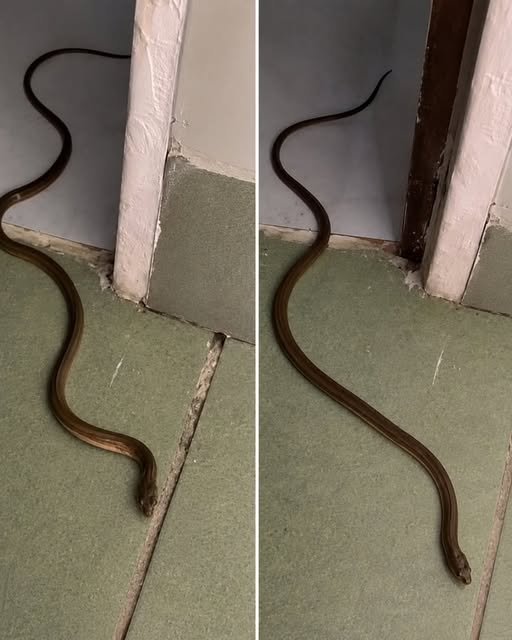
    The image shows a slender, non-venomous colubrid snake (such as a rat snake or house snake) slithering across a tiled indoor doorway, accompanied by an unfinished warning: “When this snake enters your house, it means you have…”. In pest ecology, the presence of a snake indoors is rarely a sign of supernatural omens or immediate danger, but rather a direct indicator that the home offers a steady source of prey—most notably rodents or small insects.

    Ecological Reasons Snakes Enter Homes

    • Rodent or Pest Infestation: Non-venomous rodent-eating snakes actively track the scent trails of mice, rats, and lizards. If a snake enters a home, it is almost always hunting an active infestation of small pests living in walls, attics, or crawlspaces.
    • Seeking Shelter and Water: Extreme weather conditions—such as severe heatwaves, droughts, or heavy rainfall—drive snakes indoors looking for cool, shaded shelter or moisture sources near plumbing fixtures.
    • Unsealed Entry Points: Snakes can slip through remarkably tiny gaps under exterior doors, unsealed utility pipe penetrations, open garage doors, or damaged foundation vents.

    Fear-Based Superstition and Engagement Farming

    Graphics displaying snakes inside domestic spaces paired with incomplete statements rely on sensationalized fear and superstition to drive online engagement.

    Content creators utilize these tactics to manipulate social media algorithms:

    1. Curiosity Gap Prompts: Leaving the sentence unfinished (“it means you have…”) tricks viewers into clicking the post or searching through comments to find out what “hidden hazard” or “curse” is allegedly being implied.
    2. Exploiting Ophidiophobia: Snakes trigger strong, innate fear responses (ophidiophobia) in many viewers, ensuring high scroll-stopping potential as people stop to inspect the image.
    3. Comment Section Activity: Viewers frequently flood the comments with local folklore, pest horror stories, or guesses about the snake species, generating high interaction metrics that boost the post’s viral reach.

    If a non-venomous snake enters a home, safely guiding it outside or contacting local animal control, alongside sealing entry points and addressing potential rodent activity, resolves the issue effectively.