Author: Mohsin king

  • End-of-Life Comfort: The Psychology Behind Requested Foods in Palliative Care

    End-of-Life Comfort: The Psychology Behind Requested Foods in Palliative Care

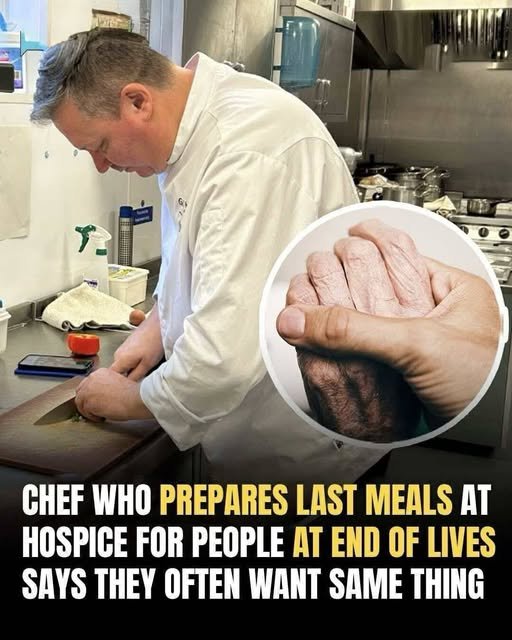
    The viral graphic features a chef preparing food alongside an inset photo of hands holding, framed around the sentiment that hospice patients frequently request the exact same comfort foods in their final days. In end-of-life care, healthcare professionals and hospice chefs routinely observe that patients gravitate toward simple, nostalgically significant foods—most notably ice cream, warm soups, milkshakes, and childhood traditional dishes.

    Emotional and Physiological Factors in Hospice Nutrition

    • Emotional and Sensory Connection: Near the end of life, food serves an emotional rather than nutritional purpose. Childhood staple foods provide psychological comfort, evoking warm memories of family, safety, and home when sensory pleasures become limited.
    • Ease of Consumption and Swallowing: As bodily systems slow down, swallowing becomes increasingly difficult (dysphagia). Soft, smooth, and easily palatable foods like ice cream, custards, or pureed soups require minimal chewing effort and offer a soothing sensation for dry mouths.
    • Loss of Appetite: Palliative patients typically experience a natural decline in appetite. When they do express a desire to eat, it is rarely for heavy, complex meals, but rather for small tastes or sweet flavors that are easy to process.

    Fear-Based Emotion and Curiosity Engagement Tactics

    Infographics featuring poignant themes of mortality alongside headlines like “CHEF WHO PREPARES LAST MEALS… SAYS THEY OFTEN WANT SAME THING” are common examples of emotional curiosity-gap clickbait.

    Content creators leverage sensitive human experiences to drive online metrics:

    1. Withholding the Core Answer: By leaving the specific requested food unnamed in the image headline, the post forces readers to click through to external links or scroll through comments to satisfy their curiosity.
    2. Manipulating Emotional Triggers: Using poignant imagery—such as an elderly hand being held—triggers empathy, leading users to share, like, and save the post at significantly higher rates.
    3. Driving Comment Section Traffic: Readers often flood the comments sharing personal stories about the final requests of loved ones, artificially inflating post engagement to boost visibility on social media feeds.

    While hospice nutrition focuses on dignified comfort and personal preference, emotional clickbait formats exploit these tender medical realities purely to farm user views and drive monetization traffic.


  • Historical Etymology: The Origins of the “WC” Restroom Sign

    Historical Etymology: The Origins of the “WC” Restroom Sign

    The initialism WC featured on public restroom signage stands for Water Closet, a term originating in 19th-century Britain to describe an indoor room equipped with a flushable toilet connected to a running water and drainage system.

    Etymological and Social History

    • Victorian Euphemism: In 19th-century Britain, polite social etiquette discouraged explicit references to bodily functions or the word “toilet.” The phrase “water closet” was adopted as a respectable euphemism to refer to modern indoor plumbing facilities.
    • Architectural Evolution: As indoor plumbing was integrated into existing homes, small storage spaces, linen closets, or under-stair nooks were converted to house the flush toilet, creating a literal “closet” outfitted with “water.”
    • Global Standardization: During the 20th century, as international travel and tourism expanded, “WC” was adopted across Europe and beyond as a neutral, easily recognizable abbreviation for public sanitation facilities that avoided regional linguistic confusion.

    Social Media Context and Engagement Farming

    Graphics displaying common signage alongside dramatic claims like “Most people still don’t know what the acronym ‘WC’ stands for” are textbook examples of curiosity-driven clickbait.

    Content creators utilize these everyday mysteries to manipulate platform metrics:

    1. The Curiosity Gap: Stating that a widely seen, everyday symbol is a secret prompts users to stop scrolling and search for the explanation.
    2. Comment Section Manipulation: Exaggerating how few people know the answer encourages thousands of viewers to comment with the correct definition or debate regional terminology, inflating engagement.
    3. External Link Routing: Prompts like “See full story in the first comment” lure users into comment sections to click links leading to ad-monetized blogs, content aggregation hubs, or affiliate sites.

    While full usage of the term “water closet” has largely faded from everyday modern vocabulary, the abbreviation remains a standard architectural designation and internationally recognized symbol for restrooms worldwide.

  • Biological Identification: The Crown of a Sea Anemone

    Biological Identification: The Crown of a Sea Anemone

    The bizarre, creature-like object shown resting on a paper towel is the severed oral disc and tentacles—commonly referred to as the crown—of a sea anemone (order Actiniaria).

    Biological Origin and Mechanics

    • Anatomy: The central pinkish ring with uniform internal ridges represents the mouth/pharynx area, while the radiating brownish strands are the tentacles used by anemones to catch prey.
    • Detachment: Sea anemones are marine invertebrates related to jellyfish and corals. When a washed-up anemone dies or is scavenged by birds or marine life along a shoreline, the delicate tissue of the outer tentacle crown easily detaches from the main muscular foot or body column.
    • Coastal Scavenging: If a dog is walking along a beach or coastal area, it can easily brush against or step on exposed marine debris, allowing the sticky or fibrous tissue of the detached crown to cling to its fur.

    Social Media Context and Engagement Farming

    Viral posts featuring unusual marine fragments paired with anxious, domestic stories—such as “My girlfriend came home after a walk with the dog… Attached to the dog’s fur…”—are textbook examples of social media engagement farming.

    Content creators frame alien-looking biological specimens within familiar domestic scenarios to manipulate audience behavior:

    1. Evoke Shock and Curiosity: The organism’s strange, centipede-like appearance triggers a visceral reaction, compelling users to stop scrolling, zoom in, and inspect the photo.
    2. Drive High Comment Activity: Posing open-ended identification questions generates thousands of comments ranging from humorous guesses about alien life to genuine scientific corrections, which signals social algorithms to amplify the post’s reach.
    3. Monetization Traffic: Captions often point toward comment section links leading to external clickbait articles, ad-supported blogs, or viral content storefronts.

    While the detached crown looks like a mysterious terrestrial pest or parasite, it is simply harmless, washed-up ocean fauna.

  • Pest Control Realities: How to Identify and Eradicate Bedbugs

    Pest Control Realities: How to Identify and Eradicate Bedbugs

    Bedbugs (Cimex lectularius) are small, wingless insects that feed on human blood. Managing an infestation requires immediate recognition of visual signs and an evidence-based approach to pest control.

    Key Identification Signs

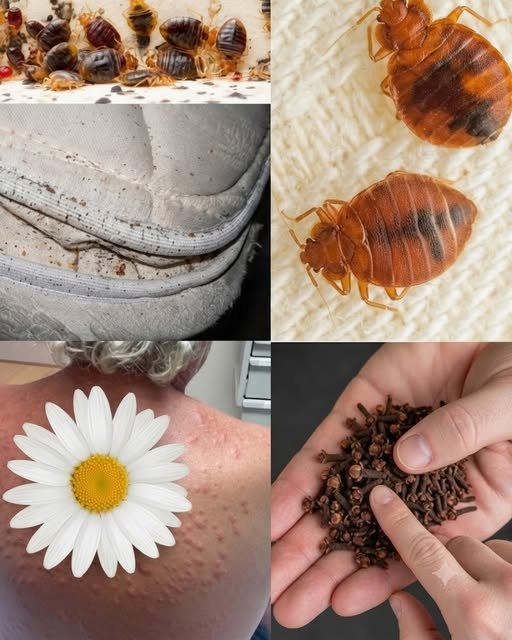
    • Physical Appearance: Adult bedbugs are flat, oval-shaped, mahogany-red, and about the size of an apple seed. After feeding, their bodies swell and turn a darker red.
    • Mattress and Furniture Stains: Infestations leave rusty or dark spots of bedbug excrement along mattress seams, bed frames, box springs, and baseboards.
    • Bite Patterns: Bedbug bites typically appear as itchy, red, raised welts, often lined up in small clusters or straight lines on exposed skin during sleep.

    Proven Eradication Methods

    1. High-Heat Treatment: Wash all bedding, clothing, and curtains in hot water and dry them on high heat for at least 30 minutes to kill all life stages (eggs, nymphs, and adults).
    2. Thorough Vacuuming: Vacuum mattresses, box springs, bed frames, and carpets thoroughly. Immediately seal and discard the vacuum bag in an outdoor trash bin.
    3. Steam Cleaning: Apply high-temperature steam along mattress seams, upholstered furniture, and carpet edges where bugs and eggs hide.
    4. Professional Pest Control: Extensive infestations often require integrated pest management (IPM) involving specialized insecticides, heat chambers, or professional extermination services.

    Home Remedies vs. Social Media Myths

    The collage shows home items like whole cloves and flowers alongside bedbug images. While essential oils (such as clove or lavender) are often promoted online as natural repellents, they do not eliminate an active infestation. Clove oil contains eugenol, which may kill individual bugs on direct contact, but it lacks residual efficacy and will not reach eggs or hidden harbourages inside walls and mattresses.

    Social media posts combining sensationalized insect photos with DIY natural remedies frequently serve as engagement farming, encouraging users to comment, save, or click external links to monetization sites rather than offering effective pest management solutions.

  • Electrical Safety: High-Risk Kitchen Appliances and Fire Prevention Clickbait

    Electrical Safety: High-Risk Kitchen Appliances and Fire Prevention Clickbait

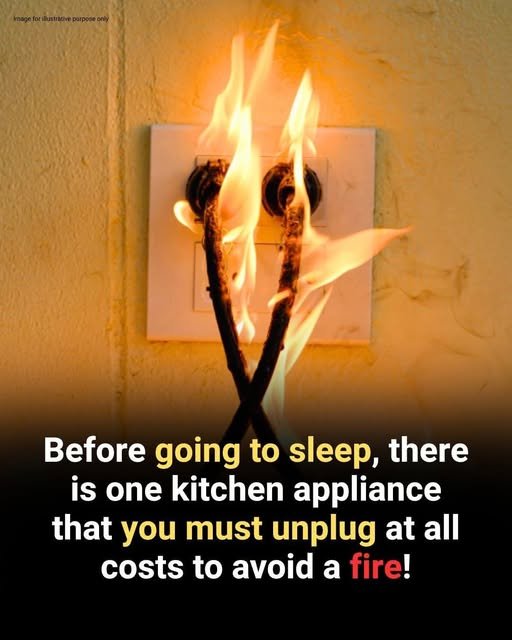
    The image showcases a burning wall outlet and electrical cords paired with an urgent warning about unplugging a specific kitchen appliance before going to sleep. Fire safety experts frequently highlight countertop appliances—most notably toasters, toaster ovens, air fryers, and electric kettles—as major culprits for electrical fires when left unattended or continuously plugged in.

    High-Risk Kitchen Appliances and Fire Hazards

    • Toasters and Toaster Ovens: Crumb accumulation in the base tray, combined with heating elements that can accidentally switch on due to a faulty mechanical lever or internal short, makes toasters a top domestic fire hazard.
    • High-Wattage Countertop Cookers: Air fryers, microwaves, and instant pots draw significant electrical currents. Damaged wiring, loose outlet connections, or overheating internal components can cause thermal buildup and ignite nearby flammable items.
    • Coffee Makers and Electric Kettles: Automatic heating plates and thermal elements can overheat if an appliance malfunctions, runs out of liquid, or experiences a power surge while the household is asleep.

    Fear-Based Clickbait and Engagement Farming

    Viral graphics warning viewers that they “must unplug at all costs to avoid a fire” without naming the actual appliance rely on fear-inducing clickbait designed to maximize online engagement.

    Content creators leverage household safety anxieties to manipulate social media algorithms:

    1. Withholding Key Details for Clicks: Omitting the specific appliance name forces concerned viewers to click on the post, open the comment section, or search external pages for the answer.
    2. Driving Comment Section Activity: Viewers frequently argue in the comments about which appliance is the most dangerous or debate electrical safety standards, generating high engagement metrics that boost the post’s viral reach.
    3. Monetized External Traffic: Prompts linked to these posts often redirect users to ad-heavy websites, click-farm articles, or promotional affiliate pages selling surge protectors and fire safety equipment.

    Practicing routine electrical safety—such as inspecting power cords for fraying, keeping appliance surfaces free of grease and crumbs, avoiding outlet overloading, and unplugging heating appliances when not in use—provides effective protection against household electrical fires.

  • Medical Symbolism: The Meaning of the Purple Butterfly Sticker in Neonatal Units

    Medical Symbolism: The Meaning of the Purple Butterfly Sticker in Neonatal Units

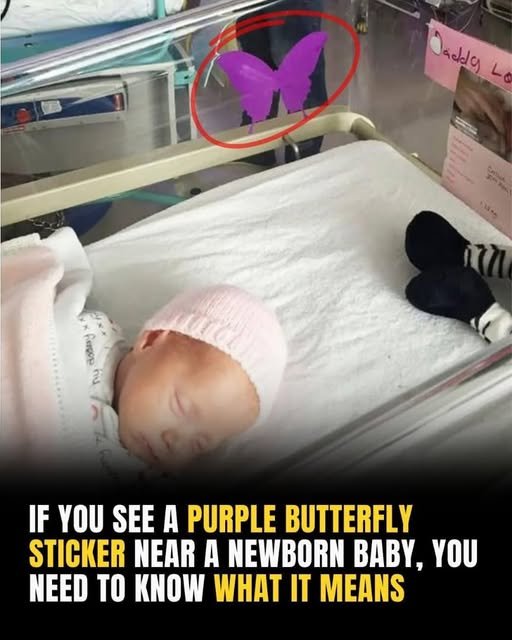
    The image features a purple butterfly sticker placed on a baby’s cot in a neonatal intensive care unit (NICU) or maternity ward. This symbol is an established medical initiative designed to indicate that a baby was born as part of a multiple birth (such as twins or triplets), but one or more of their siblings did not survive.

    Origins and Medical Purpose

    • The Skye High Foundation: The initiative was created in 2016 by Millie Smith and LewisMullen after losing one of their identical twin daughters, Skye, to a fatal condition shortly after birth.
    • Discreet Communication: The sticker serves as a quiet, visual signal to hospital staff, visitors, and other parents in the ward. It prevents well-meaning individuals from asking insensitive questions, such as “Where is the other twin?” or making casual remarks about multiple births.
    • Support for Grieving Families: By raising awareness among healthcare workers, the symbol ensures that grieving parents receive compassionate, sensitive care during an emotionally complex time when celebrating one child while mourning another.

    Social Media Context and Curiosity-Driven Clickbait

    Viral graphics displaying medical symbols alongside bold, ominous text like “IF YOU SEE A PURPLE BUTTERFLY STICKER… YOU NEED TO KNOW WHAT IT MEANS” are classic examples of curiosity-driven engagement farming.

    Content creators leverage sensitive topics and hidden meanings to manipulate user engagement:

    1. Withholding Information for Clicks: By intentionally hiding the explanation within the image, the post forces curious viewers to open the comments section or click external links to find the answer.
    2. Amplifying Sensitivity for Reach: Emotional and poignant topics naturally trigger high resharing rates, saving, and discussion, which algorithms interpret as high-value content to promote across platform feeds.

    While the purple butterfly symbol represents a genuinely impactful medical awareness movement, clickbait accounts often exploit the poignant story purely to drive comment volume and traffic to monetized sites.

  • Stool Morphology and Health: Understanding Bristol Stool Chart Realities and Health Clickbait

    Stool Morphology and Health: Understanding Bristol Stool Chart Realities and Health Clickbait

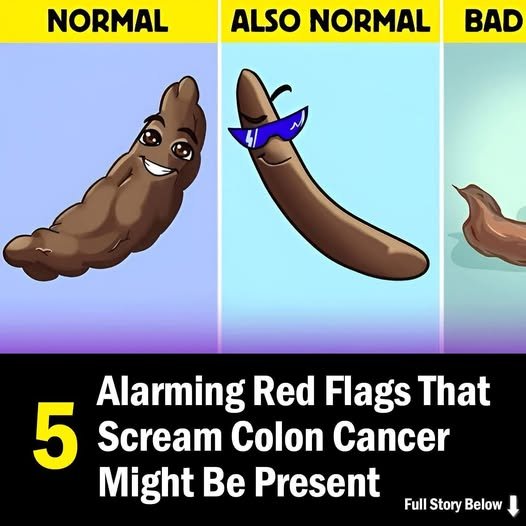
    The viral graphic uses colorful, anthropomorphic cartoon illustrations categorized into “NORMAL,” “ALSO NORMAL,” and “BAD” to discuss bowel movements and colon health. In medical gastroenterology, stool consistency and shape are evaluated using the standardized Bristol Stool Form Scale, which classifies human feces into seven distinct categories ranging from severe constipation (Type 1) to severe diarrhea (Type 7).

    Understanding Stool Shapes and Red Flags

    • Healthy Consistency: Sausage-shaped or snake-like stool with a smooth surface or soft cracks (Bristol Types 3 and 4) is generally considered optimal. Smooth, sausage-like shapes indicate adequate dietary fiber intake, proper hydration, and smooth passage through the gastrointestinal tract.
    • Pencil-Thin Stool: Exceptionally narrow or “pencil-thin” stool (illustrated under the “BAD” banner in the graphic) can occasionally indicate an obstruction in the colon, such as a mass or severe inflammation. However, infrequent, isolated occurrences are far more often caused by simple dietary shifts, irritable bowel syndrome (IBS), or temporary lack of fiber.
    • Genuine Medical Red Flags: While stool shape can offer clues, established warning signs of potential colorectal issues include persistent blood in the stool (bright red or dark black/tarry), unexplained weight loss, persistent abdominal pain, and sudden, lasting changes in bowel habits that persist for several weeks.

    Medical Clickbait and Fear-Based Engagement Tactics

    Infographics pairing simplified health diagrams with alarmist text—such as “5 Alarming Red Flags That Scream Colon Cancer Might Be Present”—are classic examples of medical clickbait designed to exploit health anxiety.

    Content creators intentionally leverage fear and dramatic framing to manipulate platform analytics:

    1. Trigger Fear-Driven Interaction: Using extreme, sensational language (“Scream Colon Cancer”) causes users to panic, leading to high share rates, saved posts, and urgent discussions in the comment section.
    2. Drive Monetized Traffic: The phrase “Full Story Below ⬇️” prompts readers to click external links directing them to content farms, ad-monetized health blogs, or sites selling unverified supplements.

    While monitoring bowel health is an important aspect of personal wellness, medical diagnoses should always rely on clinical screenings—such as colonoscopies or stool tests—rather than sensationalized online infographics.

  • Identifying Dermatological Patterns: Ringworm (Tinea Capitis/Corporis) and Viral Clickbait

    Identifying Dermatological Patterns: Ringworm (Tinea Capitis/Corporis) and Viral Clickbait

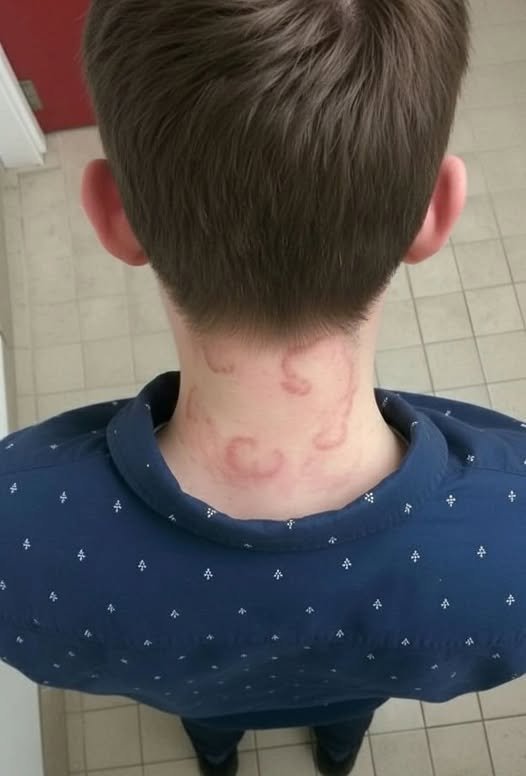
    The raised, circular, ring-like red rash displayed on the back of the child’s neck in the photograph is a classic visual representation of ringworm (tinea corporis or extending from tinea capitis). Despite its name, ringworm is not caused by a worm or parasite, but rather by a common fungal infection (dermatophytosis) that affects the outer layers of the skin, hair shafts, and scalp.

    Clinical Characteristics and Progression

    • Visual Pattern: Ringworm typically presents as circular or annular red patches with slightly raised, scaly borders and clearer skin in the center.
    • Contagious Nature: The fungus spreads easily through direct skin-to-skin contact, contact with infected pets, or shared personal items like hats, combs, hairbrushes, towels, and clothing.
    • Medical Management: Unchecked fungal infections can persist or expand over months, potentially causing scalp itching, hair breakage, or secondary bacterial infections if scratched. Treatment generally involves topical or oral antifungal medications prescribed by a healthcare professional.

    Social Media Context and Digital Clickbait Tactics

    Images showing distinctive medical conditions or unusual skin rashes paired with frantic parental queries—such as “My 8 year old son been having this for 2 months… What is it”—are frequently deployed across social media as engagement farming.

    Content creators exploit medical concern and curiosity to manipulate user activity:

    1. Trigger Immediate Comment Volume: Posing open-ended medical questions prompts hundreds of users to share personal anecdotes, home remedies, or diagnoses in the comments, boosting the post’s algorithmic reach.
    2. Drive Traffic to Monetized Sites: These posts often feature captions directing users to a “link in the comments,” leading to external blogs, affiliate pages, or ad-heavy storefronts.

    While ringworm is a common and manageable dermatological condition, persistent or worsening skin rashes require professional evaluation from a pediatrician or dermatologist rather than social media crowdsourcing.

  • Deconstructing Viral Illusion Bait: The Pareidolia “Eyes in the Sky” Image

    Deconstructing Viral Illusion Bait: The Pareidolia “Eyes in the Sky” Image

    Images showing eerie, natural formations like cloud openings or moonlit skies that appear to form giant “eyes” are popular viral staples. These posts rely on sensationalized stories and sensory curiosity to encourage users to zoom in, stare, and debate what they are looking at.

    Psychological Phenomenon: Pareidolia

    • Visual Perception: The image showcases a classic example of pareidolia, a psychological phenomenon where the human brain perceives familiar patterns—most commonly human faces or eyes—in random, neutral visual stimuli.
    • Natural Formation: The “eyes” in the four-panel layout are created simply by light reflecting off cloud edges surrounding breaks in the night cover, with the moon or bright light source acting as a “pupil” or reflection.
    • Manipulated Layout: Presenting the same photograph in a four-panel grid mirrors symmetrical face structures, intentionally tricking the brain into recognizing an sinister or otherworldly pair of eyes.

    Engagement Farming and Misdirection

    Viral posts sharing these optical illusions alongside absurd or contradictory captions—such as “My brother took this… She shared it… 21 km from our house!”—are tailored specifically for online engagement farming:

    1. Inconsistent Narratives: The text intentionally uses conflicting details (referring to “brother” and then “she”) to prompt viewers to point out typos in the comment section.
    2. Artificial Mystery: Claiming that “no one noticed the most important detail” exploits curiosity, driving users to inspect the image repeatedly and leave hundreds of comments guessing what the hidden feature might be.
    3. Algorithmic Boost: High comment counts and prolonged viewing times signal interest to social media algorithms, amplifying the post’s reach to generate ad views and traffic for the creator’s page.

    While naturally occurring cloud patterns can yield striking visual illusions, the image represents a standard psychological trick rather than a rare or supernatural event.

  • The Subject Behind the Headline: Francisco San Martin

    The Subject Behind the Headline: Francisco San Martin

    The graphic in question refers to actor Francisco San Martin, who passed away on January 16, 2025, at the age of 39. His death was confirmed as a suicide by hanging by the Los Angeles County Medical Examiner’s Office.

    Acting Career Highlights

    • Daytime Soaps: San Martin was widely known for portraying Dario Hernandez on NBC’s Days of Our Lives (2011) and Mateo on CBS’s The Bold and the Beautiful (2017).
    • Television & Film: He also appeared as Fabian Regalo del Cielo in the CW series Jane the Virgin and played a role in HBO’s TV movie Behind the Candelabra (2013).

    Clickbait and Engagement Tactics

    Image templates featuring generic “Breaking News” banners paired with high-emotion headline text, broken heart emojis, and calls to action like “FULL STORY BELOW ⬇️” are common digital tactics used to drive traffic.

    Content creators intentionally withhold the individual’s name from the image to achieve specific metrics:

    1. Force Curiosity Clicks: Omitting basic factual context (such as the actor’s name) forces readers to open the post or navigate to external links.
    2. Drive Comment Traffic: “Link in comment” captions direct traffic toward user comment sections, which are frequently filled with ad-monetized links, affiliate storefronts, or spam websites.