Author: Mohsin king

  • Deconstructing Online Engagement Bait: The Fake “IQ Test” Spot-the-Difference

    Deconstructing Online Engagement Bait: The Fake “IQ Test” Spot-the-Difference

    Social media feeds are frequently flooded with bright, simplified illustrations paired with bold, hyperbolic text such as “There’s only ONE difference… ONLY people with an EXTRAORDINARY IQ can spot it!” These graphics rely on artificial challenge, flattery, and psychological curiosity to trick users into spending time analyzing the image and interacting with the post.

    Despite the dramatic claim on the image, a pixel-by-pixel examination reveals that the two side-by-side figures are completely identical. There is no missing line, altered color, shifted feature, or hidden element between the left illustration and the right illustration.

    How Fake “IQ” Puzzles Drive Online Engagement

    This tactic is a well-established psychological trick used across social platforms to manipulate user activity and algorithmic reach:

    • Inflating Watch Time and Dwell Time: By claiming a single difference exists, the post forces users to stare at the image for an extended duration. Social media algorithms register this prolonged viewing time as high user interest, automatically boosting the post to a wider audience.
    • Exploiting the Comment Section: Frustrated or confused users flood the comment section to state that the images are identical, argue with other users, or ask for the answer. Every comment signals activity to the platform’s distribution system.
    • Flattery as Clickbait: Framing simple visual puzzles around “high intelligence” or “extraordinary IQ” appeals to cognitive vanity, encouraging people to share or comment to prove their observation skills.

    Recognizing fake puzzles and engagement bait helps users avoid wasting time on artificial internet traps created solely to farm views, comments, and ad revenue.

  • The Real Story Behind the 1983 “Giant Baby” Headline

    The Real Story Behind the 1983 “Giant Baby” Headline

    vViral social media graphics showing vintage photographs of large infants alongside text promising “You’ll never guess what he looks like today” are common clickbait tactics. These posts withhold key facts—such as the person’s name or current life updates—to force users into opening comment sections or visiting external monetized websites to fulfill their curiosity.

    The story referenced in the meme is true and belongs to Kevin Robert Clark, born on April 8, 1983, in New Jersey. Weighing 16 pounds, 6 ounces (approx. 7.4 kg) at birth, Clark made national headlines as one of the heaviest newborns delivered in the state, making appearances on major news broadcasts and even being spoofed on Saturday Night Live.

    Today, Kevin Clark has grown into an exceptionally tall adult, standing at 6 feet 9 inches and weighing around 300 pounds. After serving in the U.S. Air Force and working in military law enforcement, he built a career in biomedical engineering. Despite frequent attention regarding his height, he often addresses his unusual childhood fame with humor when asked about his unique viral legacy.

  • Deconstructing AI-Generated Celebrity Clickbait: The Truth Behind “Forgotten ’80s Heartthrobs”

    Deconstructing AI-Generated Celebrity Clickbait: The Truth Behind “Forgotten ’80s Heartthrobs”

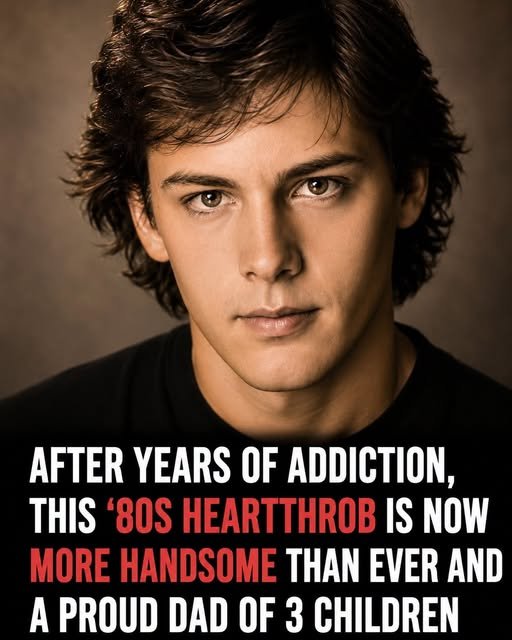
    Social media graphics featuring pristine portraits paired with dramatic captions like “After years of addiction, this ’80s heartthrob is now…” are a fast-growing category of digital engagement farming.

    These posts rely on artificial nostalgia, sensationalized claims, and synthetic imagery to lure users into clicking external links or leaving high-engagement comments.

    The Synthetic Nature of the Image

    • Not a Real ’80s Star: The person depicted in the photo is not a real actor, child star, or celebrity from the 1980s.
    • AI-Generated Visual: The image is a synthetic portrait created using AI image generators designed to mimic the photography style, lighting, and aesthetic of mid-1980s Hollywood headshots.
    • Fabricated Backstory: The accompanying text regarding “years of addiction,” a “private battle,” and being a “proud dad of 3” is entirely fabricated. It is written specifically to create an emotional narrative that resonates with audiences.

    How Engagement Farming Works

    Pages posting these graphics exploit curiosity gaps to achieve several goals:

    1. Drive Traffic to Monetized Sites: The primary objective is to direct users to ad-heavy websites, spam blogs, or affiliate links where page views generate ad revenue.
    2. Manipulate Algorithms: Prompting users to guess the person’s identity in the comments signals high user activity to platform algorithms, boosting the page’s overall visibility.
    3. Build Farmed Accounts: Once these pages accumulate thousands of followers through viral fake posts, they are often sold or repurposed for commercial spam.

    When encountering posts about “forgotten stars” or dramatic celebrity transformations, look for verified names, official news sources, or recognizable public figures before engaging or

  • Debunking Traffic Myths: The Truth Behind Blue Stop Signs

    Debunking Traffic Myths: The Truth Behind Blue Stop Signs

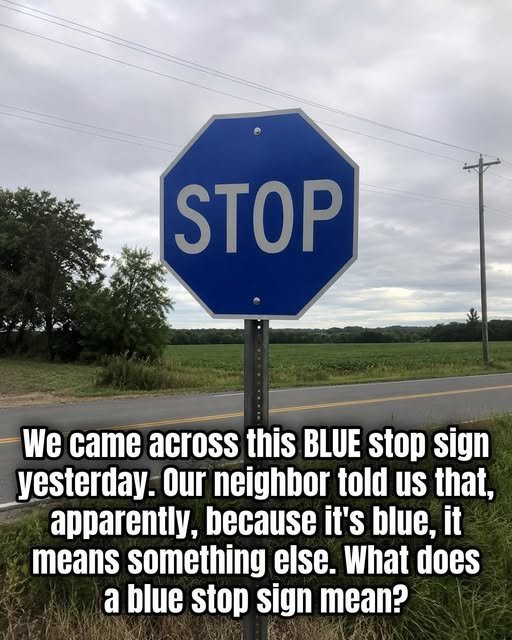
    Social media images featuring unusual roadside signage paired with captions asking “What does a blue stop sign mean?” are classic examples of engagement farming. Content creators circulate these manipulated photos to spark debate, prompt hundreds of speculation-filled comments, and drive users to click external links hosted in the comment sections.

    JPG+ 1

    Under official transportation standards, such as the Manual on Uniform Traffic Control Devices (MUTCD), a blue stop sign holds no legal standing on public roads. Standard regulatory stop signs are strictly mandated to be red octagons with white lettering to ensure immediate global recognition and safety compliance. Blue traffic signs are universally reserved for informational and motorist services, such as indicating nearby lodging, food, hospital access, or gas stations.

    When blue stop signs do appear in the real world, they are almost exclusively non-standard additions installed on private property—such as commercial parking lots, gated communities, or private driveways—where property owners attempt to match custom neighborhood color themes. In many cases online, the sign’s color is simply altered using photo editing software to create a fake viral curiosity. Regardless of a non-standard color, drivers on private property should still yield or stop for safety, but the image itself primarily serves as clickbait.

    JPG+ 1

  • Deconstructing Celebrity Rumors: The Mark Linn-Baker Death Hoax

    Deconstructing Celebrity Rumors: The Mark Linn-Baker Death Hoax

    Viral graphics overlaid with dark gradients, mourning captions, and bogus lifespan dates (like “1958–2026”) are a recurring form of social media clickbait. The actor pictured is Mark Linn-Baker, and the claim that he has passed away is false.

    The Reality Behind the Image

    • The Actor: Mark Linn-Baker is best known for his role as Larry Appleton in the hit 1980s sitcom Perfect Strangers, as well as his roles in My Favorite Year, The Leftovers, and Succession.
    • Incorrect Information: The image lists his birth year as 1958, but Linn-Baker was actually born on June 17, 1954.
    • Current Status: Linn-Baker is alive and actively continuing his acting career.

    Why These Hoaxes Spread

    Social media pages frequently generate fabricated tribute posts targeting well-known TV stars to exploit audience nostalgia. These posts use dramatic headlines and fake memorial dates to trigger emotional responses, driving traffic to external ad-monetized blogs, spam pages, or engagement-farming comment sections.

    When encountering sudden news regarding a public figure, always verify the claims through established news outlets or official representative statements before sharing.

  • Deconstructing Engagement Bait: Unnamed Celebrity Death Hoaxes

    Deconstructing Engagement Bait: Unnamed Celebrity Death Hoaxes

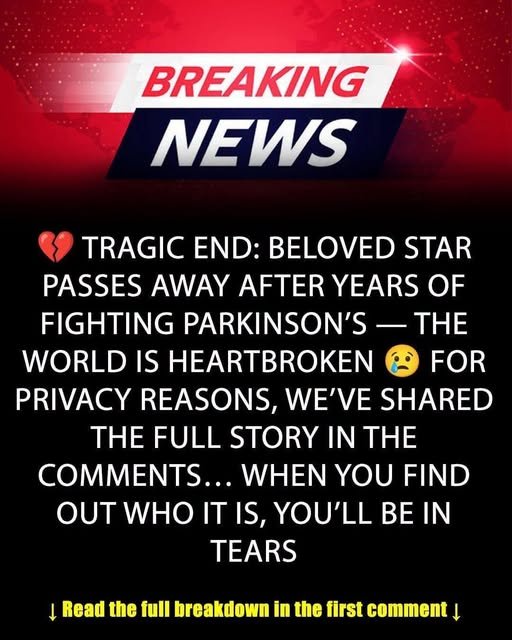
    Social media platforms are saturated with generic “Breaking News” graphics designed to evoke immediate emotional distress and curiosity. Featuring urgent red banner branding, somber typography, and vague declarations like “TRAGIC END: BELOVED STAR PASSES AWAY…”, these images intentionally omit the public figure’s name. By claiming the details are hidden “for privacy reasons,” content creators exploit curiosity gaps to force users into checking comment sections or clicking external links.

    This technique is a classic form of engagement farming and clickbait marketing. Pages post these vague graphics to drive thousands of clicks toward comment links that route users to ad-monetized blogs, affiliate storefronts, or potential phishing sites. The reference to Parkinson’s disease is often chosen strategically because high-profile figures—such as Michael J. Fox or Alan Alda—have publicly documented their journeys with the condition, making the fabricated headline feel plausible enough to trigger viral sharing.

    Recognizing digital misinformation requires scrutinizing any post that conceals critical information while demanding user interaction. Authentic breaking news reports involving major celebrities or public figures are immediately named and covered across primary news networks and verified media channels, rather than gated behind vague social media graphics directing readers to a comment link. Practicing digital media literacy prevents the accidental amplification of spam networks and online hoaxes.

  • Hygienic Standards: How Often You Should Change Your Underwear

    Hygienic Standards: How Often You Should Change Your Underwear

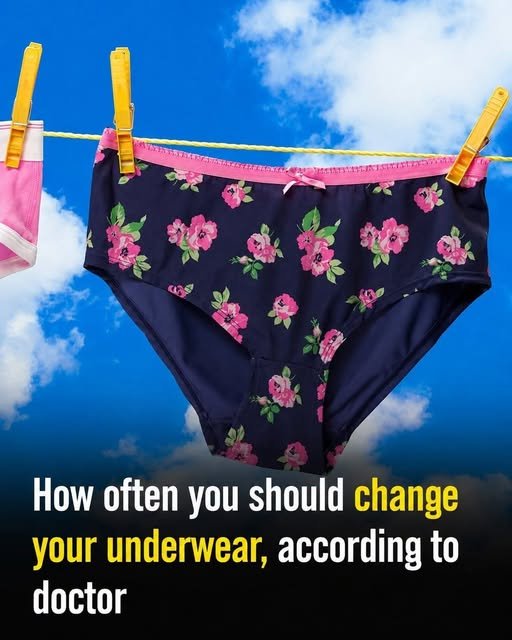
    Social media posts frequently feature stock photos of laundry on a clothesline paired with intriguing headlines like “How often you should change your underwear, according to doctor.” These posts often frame everyday personal hygiene routines as controversial debates to trigger curiosity, driving users to click on external links, read ad-heavy blogs, or leave high-engagement comments on social platforms.

    Medical professionals and dermatologists universally recommend changing undergarments at least once per day under normal conditions. Underwear sits directly against the skin, collecting body oils, sweat, dead skin cells, and naturally occurring bacteria throughout the day. Failing to replace undergarments daily creates a warm, moist environment where bacteria and fungi can rapidly multiply, significantly increasing the risk of skin irritation, chafing, contact dermatitis, yeast infections, or urinary tract infections (UTIs).

    In certain situations, healthcare providers recommend changing underwear more than once a day—such as immediately following intense physical exercise, heavy sweating, or high humidity. Additionally, medical experts suggest laundering undergarments in hot water with mild detergent and replacing worn-out pairs every six to twelve months to ensure proper elasticity, breathability, and hygienic protection.

  • Vintage Jewelry Mechanics: Identifying Clip-On Earrings

    Vintage Jewelry Mechanics: Identifying Clip-On Earrings

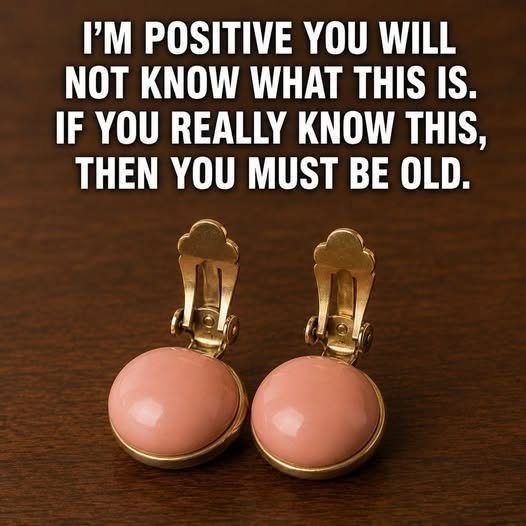
    The image shows a pair of clip-on earrings featuring a classic mid-century paddle-back mechanical clasp.

    JPG

    Purpose and Mechanism

    • Piercing Alternative: Designed for individuals without pierced earlobes, clip-on earrings allow decorative jewelry to be worn securely using mechanical pressure instead of a post inserted through the tissue. JPG
    • Hinged Paddle Back: The mechanism consists of a spring-loaded metal paddle attached to a central hinge at the base of the setting. When flipped closed against the back of the earlobe, the tension holds the earring in place. JPG+ 1

    Social Media Context and Engagement Farming

    Viral graphics featuring everyday vintage items paired with captions like “I’m positive you will not know what this is. If you really know this, then you must be old” are standard engagement-farming posts.

    JPG

    Content creators frequently post basic nostalgia challenges to:

    • Drive Comment Engagement: Prompting thousands of users to comment with answers, personal memories, or defenses of their age. JPG
    • Promote External Links: Directing traffic to external sites (“Check Detail Link in Comment”) that host ad-monetized blogs, affiliate storefronts, or spam networks. JPG

    While clip-on earrings reached peak popularity throughout the mid-to-late 20th century, they remain widely recognized today in costume design, vintage fashion, and modern non-pierced jewelry collections.

    JPG

  • Identifying Vintage Tools: The Antique Horse Speculum and Drenching Bit

    Identifying Vintage Tools: The Antique Horse Speculum and Drenching Bit

    The metal implement pictured is a vintage veterinary mouth gag, commonly known as a horse speculum or drenching bit. Produced in the late 19th and early 20th centuries by livestock supply businesses such as Dr. LeGear’s Stock Remedies, this heavy cast-iron device was specifically engineered for equine medical care. Its primary function was to hold a horse’s mouth open safely, preventing the animal from biting down during dental examinations, oral surgery, or liquid medication administration.

    To operate the tool, the leather strap was secured around the horse’s head or poll to anchor the metal assembly in place behind the upper teeth. The rigid rectangular frame kept the jaws separated, allowing a farmer or veterinarian safe physical access to the mouth cavity. The hollow, cone-shaped tube visible at the base served as a guide port for inserting a drenching tube or funnel, allowing liquid dewormers, tonics, or mineral oils to be poured directly down the throat without risking damage to the equipment or injury to the handler.

    Today, cast-iron veterinary speculums are popular collectible items among farm tool enthusiasts and historical artifact collectors. Because modern veterinary dentistry and pharmacology utilize lightweight alloy speculums and specialized paste applicators, these heavy iron tools serve primarily as decorative rustic antiques or educational pieces illustrating historical livestock care practices.

  • Debunking Celebrity Death Hoaxes: Val Kilmer and Viral Online Misinformation

    Debunking Celebrity Death Hoaxes: Val Kilmer and Viral Online Misinformation

    Social media platforms routinely circulate posts featuring photos of famous actors overlaid with somber “Rest in Peace” messages and birth and death dates. These sensationalized graphics rely on curiosity gaps and emotional headlines—such as calling an actor a “legendary voice”—to lure users into clicking links, driving traffic to ad-monetized blogs, or generating viral engagement across online communities. Featuring acclaimed actor Val Kilmer, this image is another entry in a long-running series of fabricated death claims targeting public figures.

    Despite the misleading text and fabricated dates (“1959–2025”), Val Kilmer is alive. Kilmer, born December 31, 1959, is widely celebrated for his iconic roles in films such as Top Gun, Tombstone, The Doors, and Heat. While Kilmer has openly shared his public health journey regarding his battle with throat cancer and subsequent tracheotomy, viral posts frequently distort his well-documented medical history into exaggerated, clickbait death notices to mislead fans.

    Navigating celebrity news online requires verifying sudden loss reports through established journalistic outlets or direct family announcements. Legitimate reporting on the passing of an iconic Hollywood star would be covered globally across primary news networks rather than restricted to anonymous social media posts. Exercising critical media literacy and double-checking sources helps curb the spread of digital misinformation and unnecessary distress.