Author: Mohsin king

  • Fact Check: Debunking the Fake “452 Years in Prison” Claim

    Fact Check: Debunking the Fake “452 Years in Prison” Claim

    Social media posts often share emotional courtroom footage paired with sensationalized, cut-off captions like “Teen Sentenced to 452 Years in Prison After He Ra…” These posts use curiosity gaps, manipulated audio, and dramatic visuals to drive clicks to ad-monetized websites or spam pages.

    The claim that a court sentenced a teenager to 452 years in prison is false.

    The Reality Behind the Footage

    • Original Identity: The teenager pictured in the courtroom is Jacob Matthew Morgan, who was 17 years old at the time of the proceedings in 2015.
    • The Actual Case: He was charged in Rock Hill, South Carolina, in connection with a tragic house fire that killed his 14-month-old stepbrother. The case involved charges of murder and arson, not sexual assault.
    • What the Video Showed: The emotional reaction captured in the courtroom was from a May 2015 probable cause hearing when a judge ruled there was sufficient evidence to proceed with the charges.
    • The Actual Sentence: In February 2016, Morgan entered an Alford plea to reduced charges and was sentenced to 15 years in prison, from which he was later released on parole in 2022.

    Viral posts spreading the “452 years” story frequently overlay AI-generated audio or fabricated headlines onto authentic video clips to mislead viewers and generate engagement. Always verify extreme legal claims through established news organizations or official court records.

  • Analyzing Health Misinformation: COVID-19 Vaccines and Kidney Health Claims

    Analyzing Health Misinformation: COVID-19 Vaccines and Kidney Health Claims

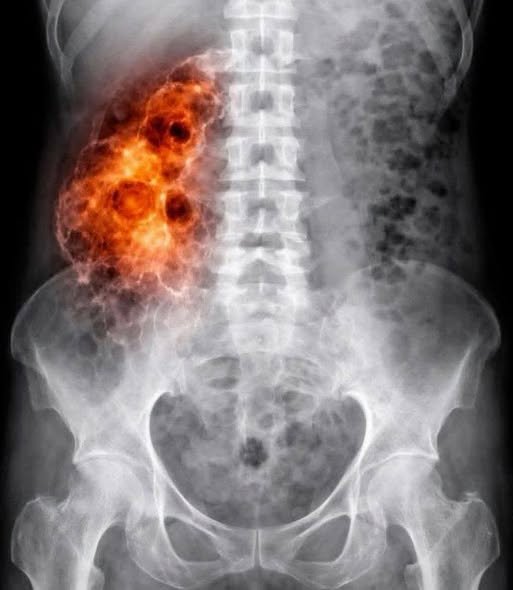
    Social media graphics frequently pair medical imagery, such as colorized X-rays showing internal organ inflammation or tumors, with incomplete and alarming headlines like “Warning: People vaccinated against COVID-19 may…” These posts intentionally utilize dramatic visual assets and truncated sentences to exploit curiosity, driving users to click on external links, consume ad-laden content, or spread unverified medical anxiety across online communities.

    Featuring an X-ray overlay depicting stylized renal inflammation, this graphic is part of an ongoing trend of viral misinterpretation surrounding vaccine safety. Health organizations and nephrology experts, including the National Kidney Foundation and the American Society of Nephrology, confirm that COVID-19 vaccines do not cause organ decay or chronic kidney damage. Clinical data demonstrates that authorized mRNA and protein-subunit vaccines remain safe and highly effective for the general population, including individuals with pre-existing renal conditions.

    In fact, major medical institutions prioritize COVID-19 vaccination for individuals with kidney disease, as contracting the actual SARS-CoV-2 virus poses severe risks of acute kidney injury and systemic health complications. While extremely rare immune-mediated renal responses have been documented in isolated medical case reports following vaccination, primary public health data shows these risks are exceptionally minor compared to the severe organ damage caused by a natural viral infection.

    Recognizing digital misinformation requires critical evaluation of sensationalized medical claims lacking peer-reviewed citations. Verifying unexpected health warnings through official public health agencies, clinical guidelines, or primary medical literature ensures accurate understanding while preventing the spread of baseless health scares

  • The Truth About Avocados: Health Benefits, Myths, and Clickbait Claims

    The Truth About Avocados: Health Benefits, Myths, and Clickbait Claims

    Social media graphics often display bright images of sliced produce paired with ominous, unfinished headlines like “Doctors reveal that eating avocados causes…” These posts rely on curiosity gaps to lure readers into clicking links or spreading sensational health claims. In reality, medical research consistently shows that incorporating avocados into a balanced diet provides widespread physiological benefits rather than hidden health risks.

    Avocados are nutrient-dense fruits packed with heart-healthy monounsaturated fats, dietary fiber, potassium, and essential vitamins such as C, E, K, and B-6. Consuming healthy fats helps reduce LDL (“bad”) cholesterol levels while maintaining or increasing HDL (“good”) cholesterol, contributing to better cardiovascular health. Additionally, the high fiber content aids digestion, promotes gut health, and helps regulate blood sugar levels by slowing carbohydrate absorption.

    While avocados are exceptionally nutritious, clickbait posts often exaggerate potential drawbacks or present rare conditions as universal dangers. For example, individuals with severe latex allergies may experience cross-reactivity (latex-fruit syndrome) when eating avocados, and those on specific medications or strict low-potassium diets may need to monitor intake. For the vast majority of people, enjoying avocados in moderation supports overall wellness, weight management, and nutrient absorption.

  • Debunking Clickbait: Photomanipulation and Medical Misinformation

    Debunking Clickbait: Photomanipulation and Medical Misinformation

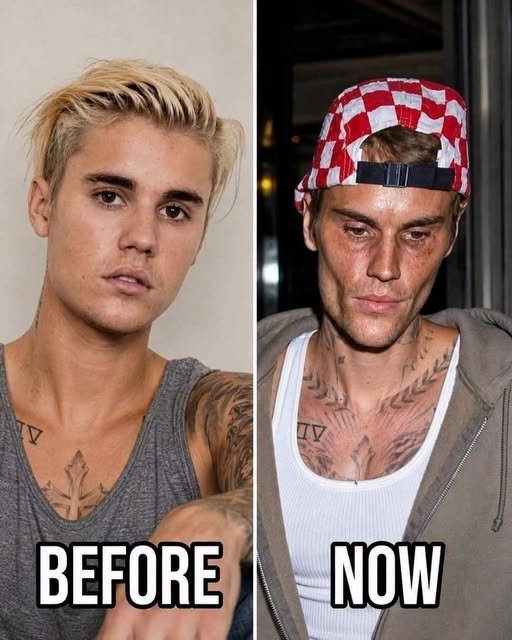
    Viral social media posts regularly feature digitally altered “before and after” photos paired with incomplete, alarming captions like “admits that he tested positive for…” These posts deliberately leave sentences unfinished to exploit curiosity, driving users to click on dubious external links or engage with ad-laden websites.

    The image labeled “NOW” featuring singer Justin Bieber is a heavily edited, manipulated photo designed to make him appear drastically gaunt and unhealthy. Unaltered paparazzi photos from the same outing show Bieber without the exaggerated hollow cheeks, altered skin texture, or distorted features.

    While Justin Bieber openly shared in 2020 that he was diagnosed with Lyme disease and chronic mono—which affected his skin, energy, and overall health—posts using fake or digitally altered imagery twist his past health disclosures into sensationalized clickbait.

    Spotting digital misinformation involves recognizing edited visuals and incomplete headlines. Genuine news regarding a major public figure’s health status is reported directly by major media outlets or official statements, rather than circulated through manipulated social media graphics.

  • Overcoming Adversity: The Early Life and Rise of Johnny Depp

    Overcoming Adversity: The Early Life and Rise of Johnny Depp

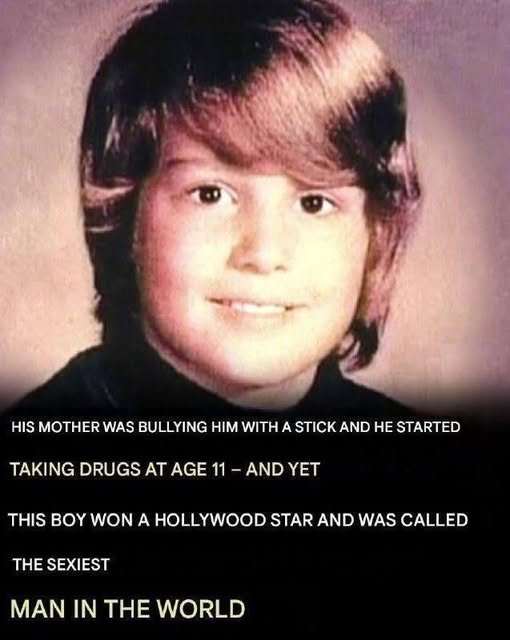
    The childhood photo and surrounding narrative depict the tumultuous early life of iconic actor Johnny Depp.

    Raised in Owensboro, Kentucky, and later Florida, Depp grew up in an volatile household marked by domestic instability and physical abuse from his mother, Betty Sue Palmer. During court testimony and media retrospectives, both Depp and his sister detailed how their mother would lash out using household items—including shoes, ashtrays, phones, and sticks. To cope with the hostile home environment, Depp began taking his mother’s “nerve pills” (prescription tranquilizers) around the age of 11, which marked the beginning of his early struggle with substance exposure.

    Despite these early hardships, Depp moved to Los Angeles in pursuit of a music career before transitioning to acting on the advice of Nicolas Cage. He broke out in television on 21 Jump Street and went on to build a massive global film career, starring in blockbuster franchises like Pirates of the Caribbean and acclaiming roles in Edward Scissorhands, Sweeney Todd, and Donnie Brasco. Over his career, his films have grossed billions worldwide, and he has been named People magazine’s “Sexiest Man Alive” twice.

    Depp has frequently spoken about his upbringing as a powerful lesson in empathy and parenting, noting that his childhood experiences taught him how to create a supportive, safe environment for his own children.

  • Decoding Celebrity Clickbait: Willow Smith and Incomplete Headline Narratives

    Decoding Celebrity Clickbait: Willow Smith and Incomplete Headline Narratives

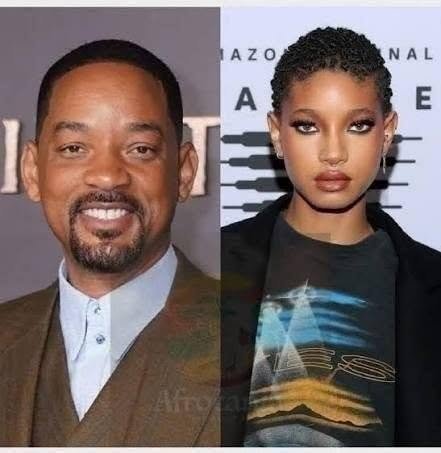
    Social media platforms routinely circulate posts featuring photos of high-profile celebrities alongside sensationalized, truncated quotes like “broken her silence” or “My dad used to b…” These posts deliberately cut off sentences in mid-thought to create a curiosity gap. By withholding the conclusion of the statement, content creators attempt to lure users into clicking suspicious external links, driving traffic to ad-monetized blogs, or generating artificial engagement through comment speculation.

    Featuring actor Will Smith and his daughter, singer-actress Willow Smith, this graphic exemplifies a common digital marketing tactic that recycles or distorts public interview quotes. Over the years, Willow Smith has spoken openly in legitimate interviews about growing up in the spotlight, her music career, and her family dynamics. However, posts utilizing incomplete phrasing typically misrepresent or exaggerate these past statements to imply a dramatic personal revelation or family controversy that does not exist.

    Navigating online entertainment content requires recognizing sensational clickbait structures designed to exploit public interest in celebrity lives. Verifying dramatic claims through reputable entertainment journalism outlets or direct video interviews helps separate genuine public statements from fabricated online narratives. Practicing digital media literacy ensures readers remain informed while avoiding the spread of misleading social media gossip.

  • Unmasking the Stinkhorn “Egg”: Biology, Malodor, and Identification

    Unmasking the Stinkhorn “Egg”: Biology, Malodor, and Identification

    The gelatinous, alien-like structure pictured in your garden is the immature “egg” stage of a stinkhorn fungus, most likely belonging to species such as Clathrus archeri (Devil’s Fingers) or Mutinus elegans. Before bursting open into their fully formed, striking adult shapes, stinkhorns grow inside a protective, sac-like volva filled with a thick, jelly-like substance. Once conditions are right, the outer membrane ruptures, expanding rapidly into red or orange arm-like structures covered in a sticky, spore-bearing slime known as gleba.

    The overwhelming, foul smell associated with these fungi is an essential evolutionary adaptation rather than a sign of toxic airborne danger. The gleba emits a potent odor resembling rotting meat or sewage specifically to attract flies, beetles, and other carrion-feeding insects. These insects land on the fungus to feed on the slimy coating, unwittingly picking up spores on their legs and bodies and dispersing them throughout the surrounding soil and garden ecosystem.

    While the intense stench can easily induce nausea, gagging, or physical discomfort, stinkhorn fungi are non-toxic and present no chemical hazard to humans, pets, or garden plants. If you wish to remove them, wear disposable gloves to carefully dig up the gelatinous base and surrounding soil, then place the fungus in a sealed trash bag to prevent spores from spreading. Alternatively, applying a light dusting of garden lime or simply letting the fungus complete its brief 24-to-48-hour lifecycle will allow it to naturally decompose and vanish

  • The Anatomy of Clickbait: Debunking Fabricated Vaccine Rumors

    The Anatomy of Clickbait: Debunking Fabricated Vaccine Rumors

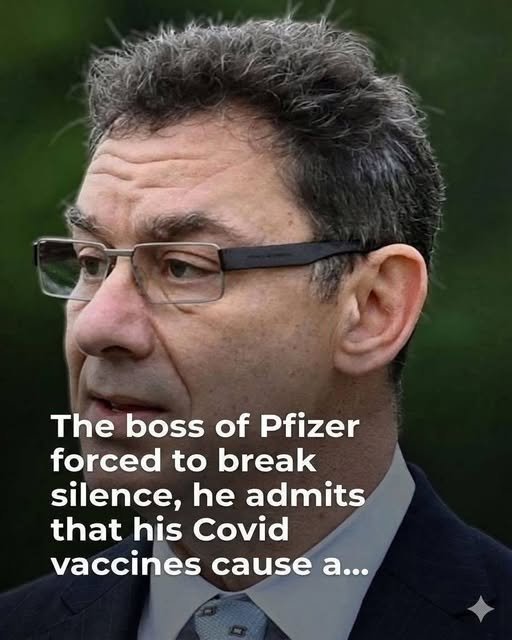
    Social media posts frequently feature cropped photos of pharmaceutical executives paired with trailing, dramatic text like “forced to break silence” or “admits that his vaccines cause…” These graphics rely on curiosity gaps—leaving the sentence incomplete—to trick users into clicking links, driving traffic to ad-heavy blogs, or spreading unverified health rumors across social networks.

    Featuring Pfizer CEO Albert Bourla, this image is another example of a long-running series of viral, fabricated health claims. Bourla has not made any admission claiming his company’s COVID-19 vaccines are unsafe, nor was he “forced to break silence”. Independent fact-checkers and news organizations have repeatedly debunked similar viral claims—including false assertions that Bourla refused his own vaccine, resigned from his position, or conceded severe undisclosed side effects.

    The safety and efficacy profiles of mRNA vaccines have been evaluated through extensive global clinical trials and real-world monitoring by international health agencies, including the FDA and WHO. Legitimate reporting on vaccine safety parameters and rare side effects (such as myocarditis or allergic reactions) is publicly documented by medical authorities rather than revealed through sensationalized, incomplete headlines.

    Spotting online health misinformation requires skepticism toward truncated captions and sensational phrasing. When evaluating claims about public health or pharmaceutical research, verifying the details via primary medical journals, national public health agencies, or established fact-checking outlets helps prevent the spread of misleading digital content.

  • Remembering David Allan Coe: The Legacy of an Outlaw Country Pioneer

    Remembering David Allan Coe: The Legacy of an Outlaw Country Pioneer

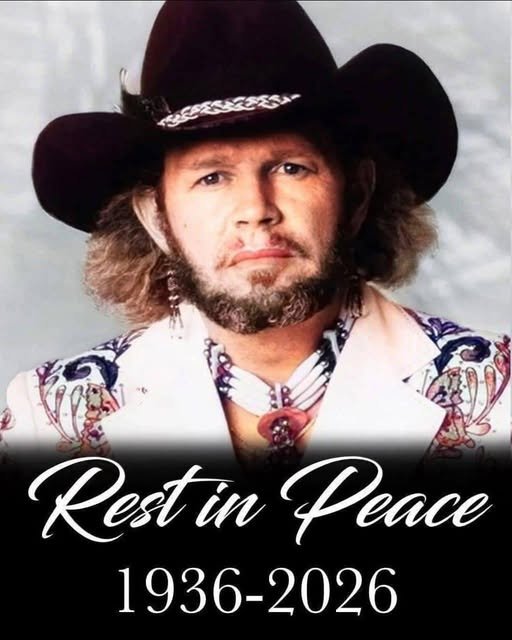
    Viral online graphics often circulate announcing the passing of iconic musicians, frequently reusing classic portraits framed with birth and death dates. The image above features outlaw country legend David Allan Coe. Coe passed away on April 29, 2026, at the age of 86.

    Known for his raw, rebellious style and distinctive stage presence, David Allan Coe emerged as a primary figure in the 1970s outlaw country movement alongside artists like Waylon Jennings and Willie Nelson. Over his decades-long career, he became celebrated for writing and performing country classics, including “You Never Even Called Me by My Name,” “The Ride,” and composition hits for other artists such as Johnny Paycheck’s “Take This Job and Shove It”.

    While digital platforms frequently turn major celebrity news into sensationalized social media graphics, Coe’s actual death was confirmed by family members and primary news outlets. Fans and music historians continue to reflect on his vast discography, acknowledging his profound and lasting influence on the outlaw country genre.

  • The Rise of Clickbait: Debunking Viral Celebrity Death Hoaxes

    The Rise of Clickbait: Debunking Viral Celebrity Death Hoaxes

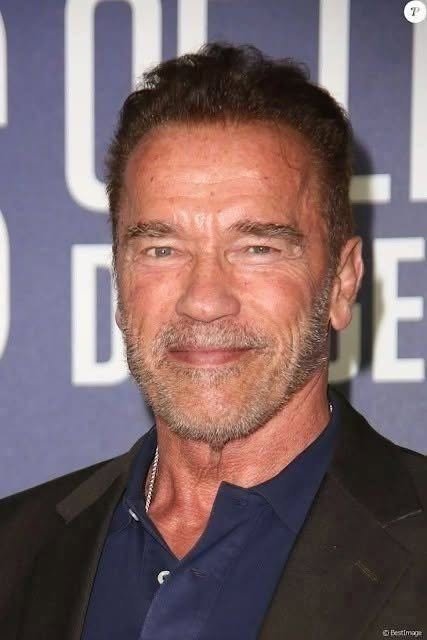
    Social media feeds regularly feature black-and-white portraits of legendary actors accompanied by somber headlines claiming they have passed away. These posts are designed to capture attention, manipulate reader emotions, and drive traffic to questionable websites or ad-heavy landing pages. Featuring action icon and former California Governor Arnold Schwarzenegger, this image is another entry in a long line of recurring online death hoaxes targeting high-profile figures.

    Despite the sensationalized headlines, Arnold Schwarzenegger is alive and well. Fake news outlets and social media channels frequently weaponize curiosity-gap phrasing—such as “Sad Sunday” or vague references to age—to make fake obituaries appear legitimate at a quick glance. Because legendary figures carry massive global fanbases, these fabricated announcements spread rapidly across platforms before fact-checkers or mainstream news organizations can officially dispel them.

    Spotting online misinformation requires verifying major life events through established news outlets, verified personal social media accounts, or official representatives. Legitimate reporting on the passing of an international icon like Schwarzenegger would be covered globally across primary news networks rather than confined to anonymous social media posts. Remaining critical of viral graphics and double-checking source credibility helps prevent the accidental spread of digital hoaxes.