Author: Mohsin king

  • Debunking Celebrity Death Hoaxes: Eric Dane and Viral Online Rumors

    Debunking Celebrity Death Hoaxes: Eric Dane and Viral Online Rumors

    Social media platforms frequently generate clickbait headlines and fabricated death notices claiming famous actors or television stars have passed away. A recent example includes viral posts featuring black-and-white portraits of actor Eric Dane overlaid with birth and death years like “1972–2026”. These sensationalized graphics rely on alarming headlines to lure users into clicking links, generating ad revenue, or spreading unverified rumors across social networks.

    Eric Dane, widely celebrated for his iconic role as Dr. Mark “McSteamy” Sloan on Grey’s Anatomy and Cal Jacobs on Euphoria, is alive. Online death hoaxes often target popular public figures to exploit fanbase emotional investment and gain immediate traction. Such hoaxes typically lack citations from official news outlets, family statements, or verified social media accounts, relying instead on recycled stock images and dramatic typography to mimic legitimate breaking news graphics.

    Navigating celebrity news on social media requires verifying information through established journalistic outlets before sharing. When encountering unexpected reports of a public figure’s death, checking reputable news agencies, major entertainment publications, or verified personal profiles quickly exposes fabricated death claims. Critical media literacy helps combat the rapid spread of digital misinformation and reduces the distress caused by viral online hoaxes.


  • Understanding Breast Size Variations: Biology, Function, and Health Myths

    Understanding Breast Size Variations: Biology, Function, and Health Myths

    Sensational social media graphics frequently use clickbait headlines to make pseudoscientific claims about breast size, linking body proportions to health traits, personality, or biological abilities. Breast size is primarily determined by a combination of genetics, overall body fat percentage, age, and natural hormonal fluctuations across a person’s lifespan. Variations in size are completely normal human anatomical differences and do not indicate underlying health deficits, character traits, or physical limitations.

    A common misconception perpetuated online is that breast size impacts biological functions such as lactation or milk production capacity. In reality, breast size is mostly determined by adipose (fat) tissue, whereas milk production relies entirely on glandular tissue. Individuals with smaller breasts typically have similar amounts of functional lobular and ductal tissue as those with larger breasts, meaning overall breast size has no direct bearing on the ability to produce milk or successfully nurse.

    Additionally, smaller breasts offer distinct physical advantages, including lower risk of chronic neck, back, and shoulder pain often associated with heavier tissue. Smaller breast tissue can also make self-examinations and clinical mammograms easier to perform, potentially aiding in the early detection of localized changes or tissue abnormalities. Recognizing the physiological realities behind body variations helps counter viral misperceptions and promotes a healthy, evidence-based understanding of human anatomy.

  • Viral Prison Myths: Examining Sensationalized Headline Narratives

    Viral Prison Myths: Examining Sensationalized Headline Narratives

    Sensational social media memes and headline formats frequently circulate dramatic stories about elderly inmates, secret prison habits, and complicit guards. These posts often use emotionally charged language and curiosity-gap phrasing to drive user engagement and shares. While stories claiming that guards turned a blind eye to an inmate’s secret habit for decades make for viral internet content, they rarely reflect verifiable historical records or the realities of institutional correctional operations.

    In actual correctional facilities, strict protocols, frequent cell inspections, and security monitoring make long-term unapproved activities highly improbable. Furthermore, claims regarding “America’s oldest inmate” often misrepresent real biographical facts or combine features of different news stories to create a more dramatic narrative. While elderly individuals do serve long sentences in the penal system, institutional care for geriatric inmates focuses primarily on medical management, accessibility adaptations, and standard routine care rather than secret allowances.

    Evaluating sensational media claims requires a critical approach to online information. Clickbait graphics typically omit specific names, locations, and verifiable sources, relying instead on vague assertions that trigger curiosity. Fact-checking viral stories through reputable news outlets, legal databases, or official department of corrections announcements helps distinguish genuine historical events from fabricated clickbait designed to maximize online engagement.

  • Restoring Yellowed Pillows: 3 Tips to Keep Them White and Fresh

    Restoring Yellowed Pillows: 3 Tips to Keep Them White and Fresh

    Over time, pillows naturally develop yellow stains due to accumulated body oils, sweat, drool, and moisture absorbed during sleep. While this discoloration can make bedding look aged and unhygienic, yellowing does not necessarily mean a pillow needs to be thrown away. Understanding proper deep-cleaning techniques and targeted whitening additives can effectively break down stubborn organic stains, lift lingering odors, and restore pillows to a bright, fresh, and like-new condition.

    To achieve optimal results when washing yellowed pillows, incorporate three key maintenance strategies into your laundry routine. First, pre-treat stains with a deep-cleaning booster by soaking pillows in hot water mixed with baking soda, oxygen-based bleach, and a splash of dish soap to break down oil build-up before the main cycle. Second, always wash two pillows at a time in the washing machine to maintain balanced agitation, utilizing a gentle hot-water cycle with an extra rinse to ensure all detergent residues are thoroughly washed out. Third, dry pillows completely on a low-heat dryer setting with wool dryer balls to restore fluffiness and prevent mold or mildew growth, or hang them outdoors in direct sunlight to leverage natural ultraviolet bleaching power.

    Preventing future yellowing requires proactive care and protective bedding layers. Enclosing pillows in high-quality, zippered waterproof pillow protectors beneath standard pillowcases creates a barrier against sweat and natural oils. Additionally, washing pillowcases weekly and deep-cleaning the pillows themselves every three to six months prevents organic residues from setting deep into the fabric fibers, ensuring your bedding stays clean, supportive, and bright for years to come.

  • Identifying Kitchen Gadgets: The Onion Holder and Slicing Guide

    Identifying Kitchen Gadgets: The Onion Holder and Slicing Guide

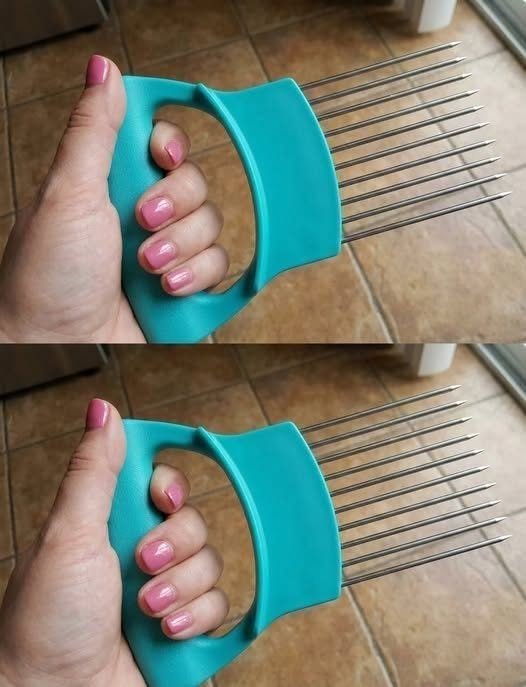
    The tool pictured is an onion holder and slicing guide, a popular culinary gadget designed to improve safety and precision while prepping round produce. Constructed with a sturdy plastic handle and a row of sharp, parallel stainless steel tines, this utensil acts as an extension of the hand to hold vegetables firmly in place. By securing round or slippery items that are typically difficult to grip, it minimizes the risk of accidental slips and knife cuts during food preparation.

    To use the tool, press the stainless steel tines deeply into an onion, tomato, lemon, or potato to anchor it to the cutting board. Once the tines are inserted, slice a sharp knife between the metal prongs to produce uniform, evenly spaced slices without needing to touch the produce directly. Beyond serving as a slicing template, the tool helps keep strong odors, such as raw onion juices, off your hands and can also double as a light meat tenderizer for poultry or steaks.

    While designed for convenience, proper care and handling are essential due to the sharp points of the metal tines. Always clean the tool carefully with a dish brush or in the upper rack of a dishwasher to remove food debris trapped between the closely spaced prongs. Storing the gadget in a protective sleeve or utensil drawer organizer prevents the sharp tips from dulling or causing accidental injuries when reaching into kitchen drawers.

  • The Truth About Hand Mudras and Finger Stretches for Health

    The Truth About Hand Mudras and Finger Stretches for Health

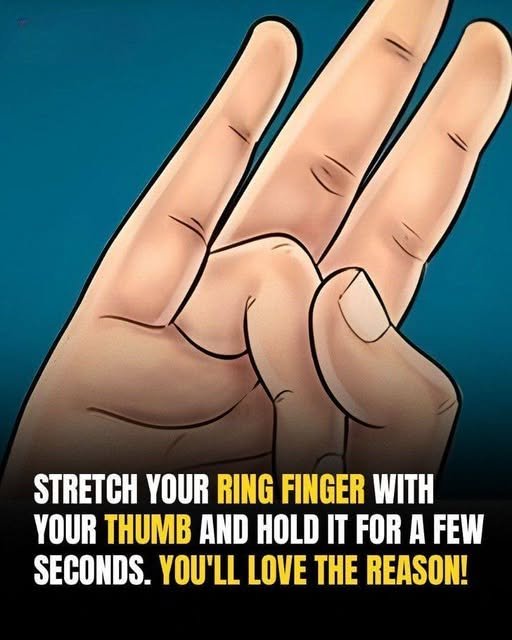
    Social media posts frequently feature hand gestures, promising that holding a specific finger stretch can instantly boost energy, burn fat, or cure internal ailments. This specific gesture—pressing the tip of the ring finger down with the thumb—is known as the Surya Mudra (or Sun Mudra) in traditional Yoga and Ayurvedic practices. Modern online claims often exaggerate its benefits, asserting that holding this position for a few seconds can trigger rapid physiological transformations.

    In traditional holistic practices, hand gestures or mudras are symbolic positions believed to guide energy flow throughout the body. Proponents of Ayurveda associate the ring finger with the earth element and the thumb with the fire element, claiming that pressing them together balances body heat, stimulates digestion, and assists with weight management. While these practices hold cultural and historical significance within complementary wellness frameworks, modern medical science attributes any physical benefit of such gestures primarily to gentle finger stretching and mindfulness.

    From a biomechanical standpoint, gently bending and holding individual fingers can help stretch the flexor tendons and small intrinsic muscles of the hand. For individuals who type or perform repetitive manual tasks, brief hand stretches can improve joint mobility, relieve muscular tension, and encourage localized circulation. However, finger stretches alone cannot replace metabolic health factors like exercise and diet, nor can they cure underlying health conditions. Performing hand mobility exercises mindfully can be a helpful addition to daily relaxation routines, provided expectations remain grounded.

  • Understanding Plantar and Palmar Warts: Causes, Identification, and Care

    Understanding Plantar and Palmar Warts: Causes, Identification, and Care

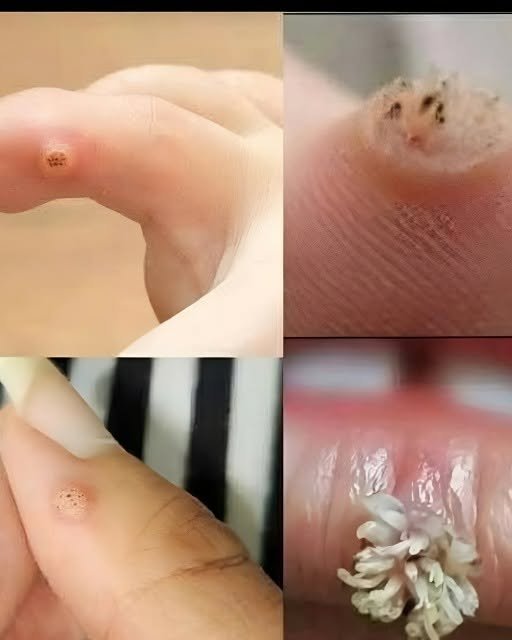
    Sensational social media posts often frame common skin growths using alarming language, warning people that small, rough lesions on the hands or feet are dangerous infections. In reality, these small growths are warts—most notably plantar warts on the feet or palmar warts on the hands—which are caused by a strain of the Human Papillomavirus (HPV). While the term “infected” may sound intimidating, HPV strains that cause common warts are benign, highly prevalent, and typically affect only the outermost layer of the skin without causing systemic illness.

    A key visual feature of these skin growths is the appearance of tiny dark specks near the center of the thickened skin. Often colloquially referred to as “wart seeds,” these spots are actually tiny clotted blood vessels (capillaries) that supply blood to the growing tissue. Warts can present as small, rough lumps or develop finger-like projections—known as filiform warts—which can look unusual or alarming but remain localized skin conditions. Because the virus thrives in warm, moist environments, it easily spreads through tiny cuts or skin abrasions, particularly around swimming pools, public showers, or locker rooms.

    Although warts are generally harmless and can eventually clear up on their own as the immune system recognizes the virus, they can be persistent or uncomfortable, particularly on pressure-bearing areas of the feet or hands. Over-the-counter treatments containing salicylic acid, cryotherapy (freezing), and proper hygiene can help manage and remove them. It is important to avoid picking, scratching, or attempting to cut warts at home, as this can break the skin, spread the virus to other parts of the body, or lead to secondary bacterial infections.

  • The Surprising Reason People Leave Dryer Sheets in Mailboxes

    The Surprising Reason People Leave Dryer Sheets in Mailboxes

    Finding dryer sheets inside a outdoor mailbox can seem like a puzzling habit at first, but it is actually a popular home hack used to deter stinging insects. Mailboxes provide dark, sheltered, and climate-protected spaces that attract wasps, hornets, and yellow jackets looking to build nests. Mail carriers and homeowners often place fresh dryer sheets inside the box because the strong scents and compounds used in fabric softeners act as a natural repellent against these territorial insects.

    Beyond pest prevention, dryer sheets are also commonly used in mailboxes to manage odor and moisture. Enclosed metal or plastic mailboxes can trap dampness during rainy weather, leading to musty smells or mildew affecting incoming letters. A dryer sheet helps mask stale odors and keep the interior smelling fresh. Additionally, the anti-static properties of dryer sheets can help reduce static electricity buildup on paper mail and plastic packaging envelopes during dry winter months.

    If you notice dryer sheets continually being placed in your mailbox, leaving them in place can benefit both you and your local postal carrier. Mail carriers frequently encounter wasp nests inside mailboxes during spring and summer months, making dryer sheets a simple, non-toxic defense against painful stings. Replacing the sheet every few weeks ensures the fragrance remains strong enough to keep stinging insects away without needing harsh chemical sprays.

  • Indian Meal Moths in Stored Grains: Identification, Causes, and Eradication

    Indian Meal Moths in Stored Grains: Identification, Causes, and Eradication

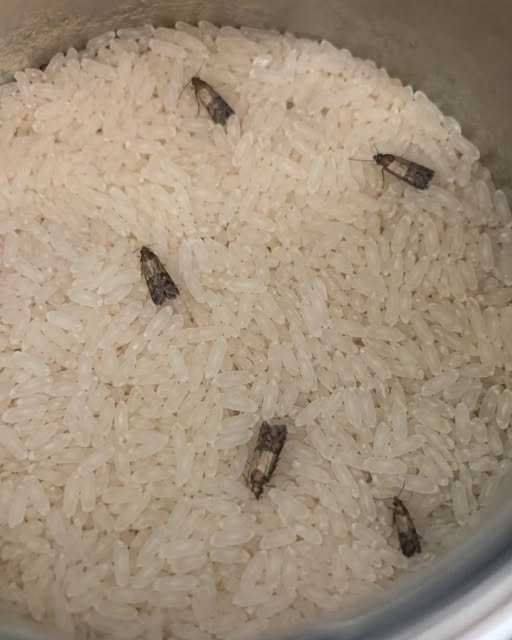
    The insects found in your rice are Indian meal moths (Plodia interpunctella), one of the most common pantry pests worldwide. Easily recognizable by their distinct two-toned wings—which feature a pale greyish inner section and a reddish-brown, coppery outer section—these pests target dry pantry goods like rice, grains, flour, nuts, and dried fruit. Seeing adult moths flying or crawling near your food usually indicates that larvae are actively feeding inside the package, leaving behind silk-like webbing, frass (droppings), and cast-off skins.

    JPG+ 2

    Bugs end up inside sealed, store-bought rice packages because infestation typically occurs long before the product reaches your kitchen. Microscopic moth eggs are often laid on harvested grains in processing plants, packaging facilities, or warehouses. These microscopic eggs or tiny early-stage larvae easily survive the packaging process and remain dormant until environmental conditions—such as warm home temperatures and humidity—cause them to hatch. Alternatively, adult moths can chew through thin cardboard, plastic wrap, or paper bags in your pantry to lay eggs in stored food items.

    JPG+ 3

    To eliminate a pantry moth infestation and prevent future occurrences, immediate and thorough action is required. First, discard all infested food products by placing them in a sealed trash bag and taking it immediately outside. Next, empty your entire pantry and inspect adjacent unopened packages for fine webbing or small larvae; vacuum all shelves, corners, and cracks thoroughly before scrubbing the area with hot soapy water or a vinegar solution. To safeguard future grocery purchases, store all dry grains, flour, and cereals in airtight glass, heavy plastic, or metal containers rather than original paper or plastic packaging.

    JPG+ 3

  • Patrick Mahomes on Leadership, Accountability, and Responding to Defeat

    Patrick Mahomes on Leadership, Accountability, and Responding to Defeat

    Close, low-scoring losses in professional football often serve as crucial testing grounds for elite athletes and team captains. Following tough games decided by a single point—such as a 15–16 outcome—the focus naturally shifts to how franchise leaders address the team, the fanbase, and the media. When Kansas City Chiefs quarterback Patrick Mahomes steps to the podium after a challenging performance, his post-game remarks typically center on personal accountability rather than deflecting blame onto officiating, weather, or teammates.

    A hallmark of Mahomes’ leadership style is his insistence on taking responsibility for missed opportunities on the field. In post-game press conferences following narrow defeats, he frequently highlights key drives, execution errors, and offensive stagnation that could have altered the final score. By taking ownership of the game’s outcome, he sets an example for younger players, reinforcing that success and failure are shared collectively across the entire roster.

    Ultimately, how a championship-caliber team responds to adversity defines its trajectory for the remainder of the season. Mahomes consistently emphasizes that difficult losses provide valuable film study material and a sense of urgency for upcoming practices. Rather than dwelling on a single setback, his focus remains on fixing tactical mistakes, maintaining trust within the locker room, and using the experience to build resilience for future high-stakes matchups.