Category: Uncategorized

  • Baggage Handlers Say Travelers Should Stop Doing This Immediately

    Baggage Handlers Say Travelers Should Stop Doing This Immediately

    One habit travelers should stop is putting valuables, important documents, medication, or irreplaceable items inside checked luggage. Checked bags can be delayed, damaged, or misplaced, so essential belongings are much safer in your carry-on. The TSA also records complaints involving damaged or missing checked baggage, showing that mishandled luggage is a genuine travel concern. Keep your passport, identification, cash, electronics, prescription medicines, and other essentials with you whenever possible. It is also wise to remove old airline tags and stickers from previous journeys because they can create confusion during baggage handling and scanning.

    Another mistake is overpacking or leaving your suitcase poorly secured. An overloaded bag can be more difficult to handle and may place additional stress on zippers, handles, wheels, and seams. Travelers should stay within their airline’s weight and size limits and avoid packing fragile belongings in checked bags unless they are properly protected. Do not place loose items such as jewelry, small electronics, or important paperwork into exterior pockets where they can potentially fall out or be damaged. A sturdy luggage tag containing your contact information can also help identify a bag if it becomes separated from you. Most importantly, follow your airline’s instructions regarding restricted or prohibited items rather than assuming that something is acceptable simply because it fits inside a suitcase.

    Before checking your bag, take a quick photograph of its exterior and contents, particularly if it contains expensive or important belongings. Keep your baggage receipt or tracking information until you have collected the suitcase at your destination and inspected it. If your luggage arrives damaged, delayed, or missing, report the problem to the airline as soon as possible and keep documentation of the report. The goal is not to become anxious about flying—it’s simply to recognize that checked luggage is handled by many people and transported through multiple systems. A few precautions can make a lost or damaged bag much less disruptive. Disclaimer: This article is for general travel and luggage-safety information only and does not constitute professional legal, airline, or security advice. Baggage procedures, liability rules, weight limits, and restricted-item policies vary by airline and airport, so always verify current requirements directly with your airline and the relevant airport or security authority before traveling.


  • Dementia Can Begin With Subtle Changes — 10 Early Signs to Know

    Dementia Can Begin With Subtle Changes — 10 Early Signs to Know

    Dementia is not a normal part of aging, and its early changes can sometimes be subtle enough that families initially dismiss them as ordinary forgetfulness. According to the CDC and Alzheimer’s Association, warning signs can include memory loss that disrupts daily life, difficulty planning or solving problems, trouble completing familiar tasks, confusion about time or place, and problems understanding visual or spatial information. These changes are different from occasionally forgetting a name or misplacing keys and later remembering where they were. When cognitive changes begin interfering with everyday independence, they deserve attention rather than being automatically attributed to getting older. Early medical evaluation can also help identify potentially treatable causes of cognitive symptoms.

    Other early warning signs may involve language, judgment, behavior, and social activities. A person may develop new difficulty finding familiar words, following conversations, or expressing thoughts. They may repeatedly misplace belongings and be unable to retrace their steps, make noticeably poorer financial or personal decisions, withdraw from hobbies or social activities they previously enjoyed, or experience changes in mood and personality such as increased suspicion, anxiety, fear, or irritability. These symptoms do not automatically mean someone has dementia—many medical conditions, medications, sleep problems, depression, and other factors can affect memory and thinking. That is why professional assessment is important instead of relying on an online checklist or attempting self-diagnosis.

    The most important message is not to ignore persistent changes that affect everyday life. If you notice several of these signs in yourself or someone you love, arranging an appointment with a healthcare professional can help determine what is actually causing them. Early and accurate diagnosis may provide opportunities to discuss treatment options, plan future care, and address conditions that may be contributing to cognitive difficulties. Families can also keep a simple record of when symptoms began, how frequently they occur, and which daily activities are becoming difficult; this information can be useful during a medical evaluation. Disclaimer: This article is for general educational and informational purposes only and does not constitute medical diagnosis, treatment, or personalized health advice. Experiencing one or more of these signs does not prove that a person has dementia. Cognitive changes can have many causes, some of which may be treatable, so important concerns should always be evaluated by a qualified healthcare professional and verified through reliable medical sources.

  • 4 Changes in Your Hands and Feet That Could Signal an Underlying Health Condition

    4 Changes in Your Hands and Feet That Could Signal an Underlying Health Condition

    Your hands and feet can sometimes provide clues about what is happening elsewhere in the body, although a change does not automatically mean you have a serious illness. One change worth noticing is persistent numbness or tingling. Nerve compression, injuries, vitamin deficiencies, and conditions such as diabetes can contribute to these sensations; diabetes-related peripheral neuropathy often affects the feet first. (mayoclinic.org) A second change is unusual color changes in the fingers or toes, particularly when they repeatedly turn white, blue, or unusually pale. Circulation problems and conditions such as Raynaud’s disease can cause these changes, especially in response to cold or stress. Persistent or severe color changes deserve medical attention rather than being dismissed as simply having “cold hands.” (mayoclinic.org)

    A third warning sign is unexplained swelling of the hands, ankles, feet, or legs. Mild swelling can occur after standing or sitting for long periods, eating a very salty meal, or during pregnancy, but persistent swelling can sometimes be associated with conditions affecting the heart, kidneys, liver, or veins. (mayoclinic.org) Swelling that leaves a noticeable indentation when you press the skin is known as pitting edema. A fourth change is the development of unusual sores, skin changes, or wounds that do not heal normally, particularly on the feet. Reduced sensation, poor circulation, and diabetes can make foot problems more difficult to notice and may increase the risk of complications. New weakness, persistent pain, or repeated loss of sensation should also be evaluated rather than ignored.

    The key is to look for persistent, worsening, or unexplained changes rather than becoming alarmed by a temporary difference. If numbness keeps returning, swelling does not improve, or your fingers or toes repeatedly change color, a healthcare professional can investigate the cause. Sudden one-sided weakness or numbness involving the face, arm, or leg—especially with trouble speaking, confusion, vision problems, or difficulty walking—can be a sign of stroke and requires emergency medical attention. Similarly, sudden swelling and pain in one leg can require urgent assessment because a blood clot is one possible cause. (mayoclinic.org) Disclaimer: This article is for general educational and informational purposes only and does not constitute medical diagnosis, treatment, or personalized health advice. Changes in the hands or feet can have many harmless explanations, and these symptoms alone cannot diagnose an underlying condition. Online health claims may be exaggerated, misleading, or unauthenticated, so always verify important information through reliable medical sources and consult a qualified healthcare professional about persistent or concerning symptoms.

  • This Fish Is on Dinner Tables Everywhere — But Few People Know What It Can Carry

    This Fish Is on Dinner Tables Everywhere — But Few People Know What It Can Carry

    Fish is a nutritious source of high-quality protein, omega-3 fatty acids, vitamins, and minerals, but like other animal foods, it can sometimes carry parasites, bacteria, or environmental contaminants. The risk depends heavily on the species, where the fish was caught or farmed, how it was handled, and whether it was thoroughly cooked. Raw or undercooked fish has a greater risk of containing parasites and harmful bacteria, which is why food-safety authorities recommend cooking seafood thoroughly. The FDA advises cooking most seafood to an internal temperature of 145°F (63°C). (fda.gov) Freezing can kill certain parasites, but it does not eliminate every harmful microorganism, so properly cooked fish remains the safer choice.

    Another concern is methylmercury, a contaminant found in varying amounts among fish species. Nearly all fish contain at least trace amounts, but larger, longer-lived predatory fish tend to accumulate more because they consume other fish over time. FDA guidance identifies shark, swordfish, king mackerel, marlin, orange roughy, Gulf of Mexico tilefish, and bigeye tuna among the fish with the highest mercury levels. (fda.gov) This does not mean people should stop eating fish. In fact, fish can be an important part of a healthy diet, and many commonly eaten varieties are relatively low in mercury. Choosing a variety of lower-mercury fish instead of repeatedly eating the same high-mercury species is a practical way to enjoy the nutritional benefits while reducing exposure.

    Safe handling is equally important. Buy fish from reputable sources, keep it properly refrigerated, prevent raw seafood from touching ready-to-eat foods, and cook it thoroughly. If raw fish has a sour, rancid, unusually fishy, or ammonia-like odor, the FDA advises not eating it. (fda.gov) Pregnant women, young children, older adults, and people with weakened immune systems should be especially cautious about raw or undercooked seafood because foodborne infections can be more serious for them. Disclaimer: This article is for general educational and food-safety information only and does not constitute medical diagnosis, treatment, or personalized dietary advice. The risks associated with fish vary greatly by species, source, preparation, and individual circumstances. Online health claims may be exaggerated, misleading, or unauthenticated, so always verify important information through reliable food-safety and health authorities.

  • Not Every Part of a Chicken Is Equally Nutritious — Here Are 4 You May Want to Limit

    Not Every Part of a Chicken Is Equally Nutritious — Here Are 4 You May Want to Limit

    Chicken can be an excellent source of high-quality protein, but different parts and preparations have very different nutritional profiles. One part you may want to limit is the skin, particularly if you are trying to reduce calories or saturated fat. USDA research found that chicken skin contains substantially more total fat than breast meat, and a review using USDA FoodData Central data shows that skin-on chicken wings contain considerably more calories and fat than skinless breast. (ars.usda.gov) A second area to moderate is dark meat with the skin, such as thighs and drumsticks. Dark meat is nutritious and provides protein, iron, zinc, and other nutrients, so it is not “bad,” but adding the skin increases its fat and calorie content. The healthier choice for many people is simply to remove the skin and choose cooking methods that do not add large amounts of saturated fat.

    A third category to watch is processed chicken, including heavily breaded nuggets, fried chicken products, luncheon meats, and other highly processed poultry foods. These products can contain more sodium, refined starch, and added fats than plain roasted or grilled chicken. A review of poultry nutrition found that processed chicken products such as nuggets and breaded tenders can have substantially different calorie and fat profiles from unprocessed chicken. (pmc.ncbi.nlm.nih.gov) The fourth is heavily salted or “enhanced” chicken, where solutions containing water and salts may be added to improve tenderness and flavor. USDA research has found that some enhanced poultry products can contain considerably more sodium than non-enhanced versions. (ars.usda.gov) Checking the package label for sodium and added ingredients can therefore be useful, especially for people managing blood pressure.

    The important message is that you do not need to avoid these chicken parts completely. Chicken thighs, wings, skin, and even organ meats can provide valuable nutrients; the concern is mainly portion size, preparation method, sodium, and your individual health needs. Skinless roasted or grilled chicken, particularly breast meat, is generally a leaner option, while vegetables, whole grains, beans, and other nutrient-rich foods can round out the meal. Rather than focusing on one “dangerous” part of a chicken, consider your overall dietary pattern and how frequently you eat high-fat, fried, or highly processed foods. Disclaimer: This article is for general educational and nutritional information only and does not constitute medical diagnosis, treatment, or personalized dietary advice. No chicken part is universally unhealthy, and individual dietary needs vary. Online nutrition claims may be exaggerated, misleading, or unauthenticated, so always verify important information through reliable nutritional sources and consult a qualified healthcare professional if you have specific dietary or medical concerns.

  • Doctors Say Eating Avocados May Have These Unexpected Effects on Your Health…

    Doctors Say Eating Avocados May Have These Unexpected Effects on Your Health…

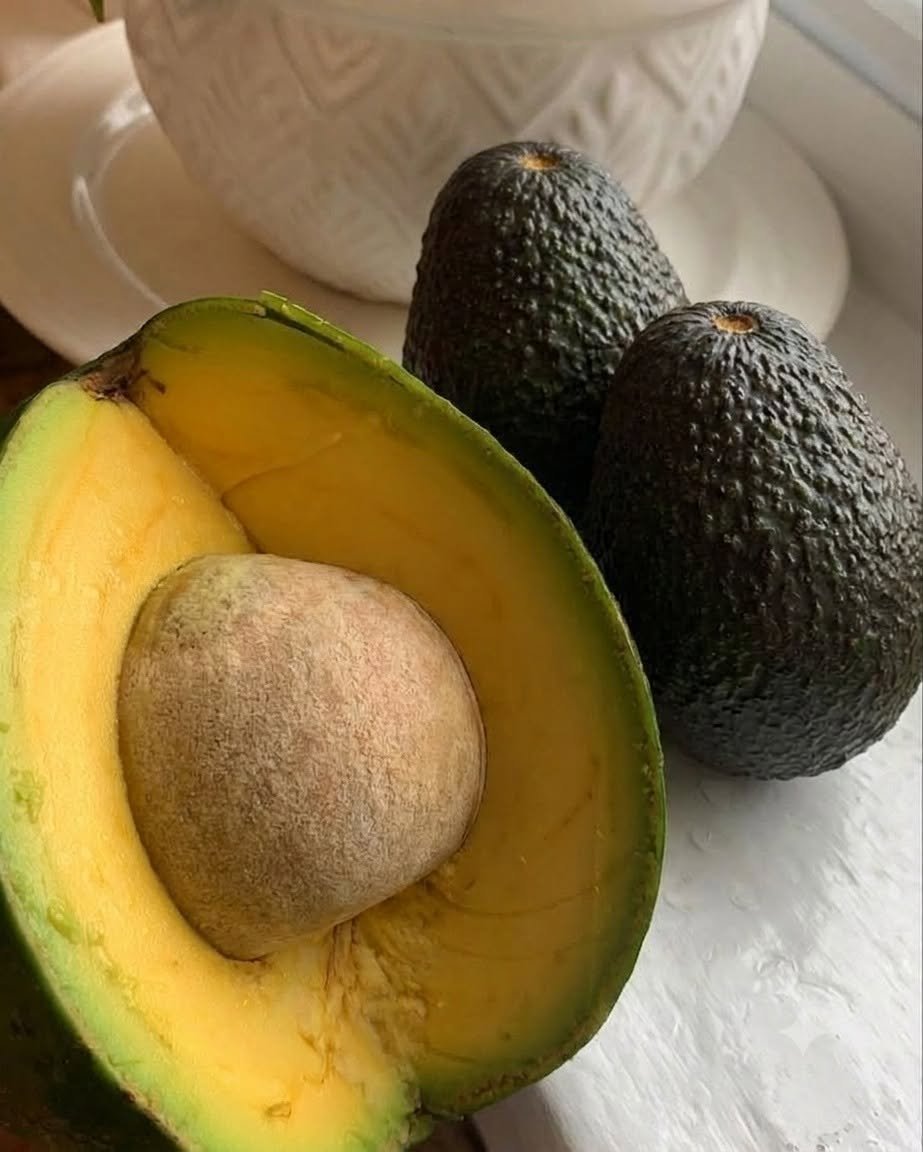
    Avocados are often praised for their creamy texture, but their nutritional profile may be the more interesting part. They provide fiber, potassium, magnesium, folate, vitamin C, vitamin K, and predominantly unsaturated fats, including monounsaturated fat. These nutrients can support a balanced eating pattern and cardiovascular health. The American Heart Association notes that avocado can be a useful replacement for foods higher in saturated fat, such as butter, cheese, and processed meats. In a large observational study following more than 110,000 health professionals for decades, people who reported eating at least two servings of avocado per week had a lower risk of cardiovascular disease than those who rarely ate it. However, because the study was observational, it cannot prove that avocados themselves caused the lower risk.

    One unexpected effect may be on digestion and fullness. Avocado contains both soluble and insoluble fiber, which can support normal bowel function and contribute to feeling satisfied after eating. Its healthy fats can also make meals more filling, potentially making avocado a useful alternative to foods rich in saturated fat. However, avocado is still relatively calorie-dense because it contains a significant amount of fat—even though much of that fat is considered healthier unsaturated fat. Harvard Health’s current dietary guidance emphasizes choosing healthier unsaturated fats while still paying attention to total calorie intake. So adding large portions of avocado on top of an already calorie-rich diet may not produce the same benefits as using it to replace less nutritious foods.

    There are also situations where portion size and individual health conditions matter. People with certain kidney conditions may need individualized guidance about potassium-rich foods, while anyone monitoring calorie intake should remember that nutritious foods can still contribute substantial calories. The best approach is to enjoy avocado as part of a varied diet that includes vegetables, fruits, whole grains, healthy protein sources, and other minimally processed foods. The American Heart Association’s 2026 dietary guidance specifically emphasizes overall dietary quality rather than relying on a single “superfood.” Disclaimer: This article is for general educational and nutritional information only and does not constitute medical diagnosis, treatment, or personalized dietary advice. Avocados may offer nutritional benefits, but eating them does not guarantee protection against disease or produce the same effects in everyone. Online health claims may be exaggerated, misleading, or unauthenticated, so always verify important information through reliable medical sources and consult a qualified healthcare professional about individual dietary needs.

  • If You Keep Putting Off Washing the Dishes, Here’s What You Should Know

    If You Keep Putting Off Washing the Dishes, Here’s What You Should Know

    If you regularly leave dirty dishes sitting in the sink until later, the problem is not simply that your kitchen looks messy. Food residue left on plates, bowls, utensils, and cooking surfaces can provide an environment where microorganisms may multiply, particularly when dishes remain wet or contain leftover meat, eggs, dairy, or other perishable foods. The CDC recommends washing dishes, utensils, cutting boards, and countertops with hot, soapy water after food preparation, especially after contact with raw meat, poultry, seafood, or eggs. Harmful germs can spread around the kitchen through contaminated surfaces and hands, potentially reaching foods that are ready to eat.

    Another issue is cross-contamination. A dirty plate or utensil can come into contact with clean dishes, countertops, refrigerator handles, or other frequently touched surfaces. This matters particularly when raw food has been involved. Bacteria such as Salmonella and Campylobacter can survive on kitchen surfaces for extended periods, making regular cleaning an important part of food safety. (fsis.usda.gov) Dishcloths and sponges can also become contaminated, so they should be cleaned or replaced regularly. The safest routine is simple: scrape food from dishes, wash them thoroughly with hot, soapy water, rinse, and allow them to dry properly. Clean countertops and utensils after preparing each food item rather than allowing residue to remain for hours.

    This does not mean that leaving a few dishes overnight will automatically make your family sick. The actual risk depends on what was on the dishes, temperature, moisture, cleanliness, and whether harmful microorganisms were present in the first place. Still, making dishwashing part of your regular routine is a practical way to maintain a cleaner kitchen and reduce opportunities for germs to spread. If children are eating in the home, extra attention to clean plates, utensils, and food-preparation surfaces is worthwhile. Disclaimer: This article is for general educational and household food-safety information only and does not constitute medical advice. Dirty dishes do not automatically cause illness, and the level of risk varies depending on circumstances. Health and hygiene claims online may be exaggerated, misleading, or unauthenticated, so always verify important information through reliable public-health and food-safety sources.

  • I Found This Inside an Avocado — What Is It?

    I Found This Inside an Avocado — What Is It?

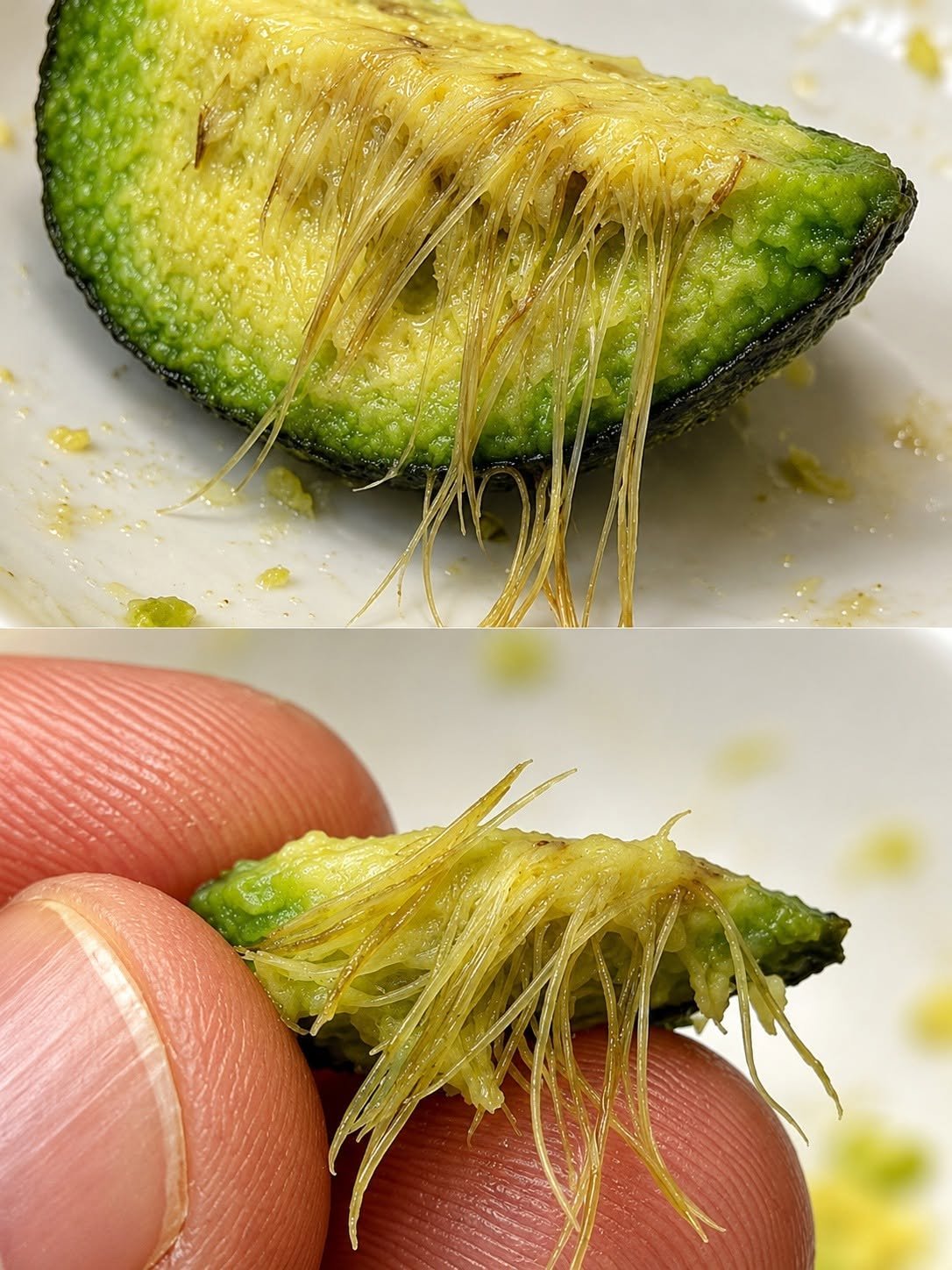
    If you cut open an avocado and discover something unusual inside, there is usually no reason to panic. If what you found looks like thin strings or fibers running through the flesh, they are most likely vascular bundles—the avocado’s natural internal transport system. These structures carry water and nutrients through the developing fruit and can become more noticeable depending on the variety, growing conditions, and maturity of the avocado. They may look strange, but they are a normal part of the fruit’s anatomy. Scientific descriptions of avocado anatomy identify these veins as the stringy or sometimes dark fibrous material that remains as the fruit softens.

    If the unusual object looks more like a small root, shoot, or sprout emerging from the avocado seed, that can also happen naturally. Avocado seeds contain an embryo capable of germinating, and occasionally the seed begins growing while it is still inside the fruit. Research on avocado seed development has documented cases where late-harvested fruit can germinate internally, with the developing root extending into the surrounding flesh. In that situation, what looks like a worm or strange growth may actually be the beginning of an avocado plant. If the surrounding flesh is fresh-looking, smells normal, and shows no signs of mold or spoilage, the unusual appearance alone does not prove that the fruit is contaminated.

    Before serving avocado to children, however, it is sensible to inspect the entire fruit rather than focusing only on the unusual structure. Discard it if there is visible mold, a strong unpleasant or fermented smell, extensive dark or slimy decomposition, or other obvious signs of spoilage. If you are uncertain about what you found—especially if it genuinely looks like an insect, larvae, or contamination—take a clear photograph and have the fruit inspected rather than guessing. In most cases, unusual avocado fibers or a naturally sprouted seed are not signs of something dangerous. Disclaimer: This article is for general educational and food-safety information only and does not constitute medical advice. Without seeing the specific object, its identity cannot be confirmed with certainty. Always inspect produce carefully and verify unusual food-safety concerns through reliable sources or a qualified food-safety professional.

  • Guava Is Packed With Nutrients — But Here’s What You Should Know Before Eating More

    Guava Is Packed With Nutrients — But Here’s What You Should Know Before Eating More

    Guava is one of those fruits that deserves more attention because it delivers an impressive combination of fiber, vitamin C, potassium, folate, and plant compounds. One cup of raw guava contains about 9 grams of fiber and is particularly rich in vitamin C, while also providing potassium and other essential nutrients. This makes whole guava a nutritious choice for people looking to increase their fruit and fiber intake. Fiber can support regular bowel movements and digestive health, while vitamin C contributes to normal immune function and antioxidant protection. Guava also contains naturally occurring carotenoids and polyphenols that researchers continue to investigate for their potential health effects. However, it is important to remember that eating guava is part of a healthy diet—it is not a substitute for medical treatment or a guaranteed way to prevent disease.

    Before dramatically increasing your intake, there are a few things worth knowing. Because guava is relatively high in dietary fiber, suddenly eating large amounts may cause bloating, stomach discomfort, constipation, or diarrhea in some people. Increasing fiber gradually and drinking enough fluids can make the transition more comfortable. Another consideration is potassium: guava provides a meaningful amount of this mineral, which is beneficial for many healthy people but may require dietary management in people with certain kidney conditions. Individual needs depend on kidney function, blood potassium levels, medications, and overall diet. It is also better to choose whole fresh guava rather than sweetened guava drinks, jams, or processed products, because whole fruit retains its fiber and generally avoids the added sugars found in many processed versions.

    The best way to enjoy guava is to treat it as part of a varied, nutrient-rich eating pattern rather than a miracle food. You can eat it fresh, add sliced guava to yogurt or oatmeal, or combine it with other fruits for a colorful snack. Research into guava’s potential effects on blood sugar, blood pressure, inflammation, and other areas is promising, but recent scientific reviews emphasize that more high-quality human trials are needed before strong therapeutic claims can be made. If you have kidney disease, digestive problems, a known food allergy, or another condition requiring dietary restrictions, speak with a qualified healthcare professional before making major changes to your diet. Disclaimer: This article is for general educational and nutritional information only and does not constitute medical diagnosis, treatment, or personalized dietary advice. Guava can be a healthy fruit for many people, but individual needs vary, and claims that it can cure or prevent serious diseases may be exaggerated or unsupported. Always verify important health information through reliable medical sources and consult a qualified healthcare professional for personalized guidance.

  • Every Woman Should Know What Clove May Actually Do

    Every Woman Should Know What Clove May Actually Do

    Cloves are more than a strongly flavored kitchen spice. They contain eugenol, a natural compound that has antioxidant, antimicrobial, and anti-inflammatory properties that researchers have studied for years. Adding small amounts of whole or ground cloves to meals can be a flavorful way to include these plant compounds in your diet. Some laboratory and preliminary research has investigated cloves for possible effects involving blood sugar, inflammation, and oral health, but there is not enough high-quality human evidence to say that cloves can treat or prevent specific diseases. Cleveland Clinic notes that culinary amounts of cloves are generally considered safe, while many of the stronger health claims surrounding concentrated clove products remain unproven.

    One area where clove has a particularly interesting history is oral care. Eugenol has been used in dentistry because of its local numbing and antiseptic properties, which may help explain why cloves are traditionally associated with temporary toothache relief. However, placing concentrated clove oil directly on the gums can cause irritation or tissue damage, so it should not replace professional dental treatment. Clove supplements and concentrated preparations also deserve more caution than ordinary culinary use. Eugenol may affect blood clotting and blood sugar, potentially creating concerns for people taking blood-thinning medicines or diabetes medication.

    The safest takeaway is simple: enjoy cloves as a spice rather than treating them as a miracle medicine. Adding a small amount to foods can provide flavor without relying heavily on sugar or salt, but drinking concentrated “clove water” or swallowing clove oil is not automatically safer or more effective. High amounts of clove oil can be toxic and have been associated with serious liver injury, seizures, and other dangerous effects. Disclaimer: This article is for general educational and informational purposes only and does not constitute medical diagnosis, treatment, or personalized health advice. Cloves should not replace prescribed treatment, and many online claims about their benefits remain insufficiently proven. Always verify health information through reliable medical sources and consult a qualified healthcare professional before using concentrated clove products or supplements.