Category: Uncategorized

  • No Need to Rush to Call a Technician and Waste Money — Try These Simple Checks First

    No Need to Rush to Call a Technician and Waste Money — Try These Simple Checks First

    When a household appliance suddenly stops working, many people immediately assume that an expensive repair is needed. But sometimes the cause is surprisingly simple. Before calling a technician, check the basics first—provided the appliance is safe to inspect. For a washing machine, for example, a loose power connection, blocked drain filter, kinked hose, or temporary error can sometimes cause problems that do not require professional repair. Manufacturer-style troubleshooting guidance commonly recommends checking power, connections, filters, hoses, and displayed error codes before assuming an internal component has failed. A simple restart can also resolve an occasional electronic glitch, although repeated failures should not be ignored.

    The same principle can apply to other everyday appliances. If a dishwasher is not draining, check whether the filter or drain area is clogged; if a device will not turn on, confirm that the outlet and power connection are working. For appliances that use water, inspect visible hoses for obvious kinks or blockages. Never open electrical panels or attempt repairs involving live electricity, and do not dismantle gas appliances unless you are properly trained. A gas smell, burning odor, smoke, sparks, exposed wiring, or repeated electrical tripping is a reason to stop using the appliance and seek qualified professional assistance rather than trying to save money with a risky DIY repair.

    The smartest approach is not “never call a technician”—it is knowing when professional help is actually necessary. If basic troubleshooting does not solve the problem, the appliance repeatedly develops the same fault, or the suspected issue involves electrical components, gas connections, refrigeration systems, or complicated electronics, professional diagnosis can prevent further damage and improve safety. For example, some washing-machine faults can involve control modules or internal wiring that should not be handled without appropriate knowledge and tools. Before paying for a repair, check the appliance’s manual, warranty status, error code, and whether the manufacturer recommends a specific service procedure. Disclaimer: This article is for general household troubleshooting information only and does not constitute professional repair, electrical, gas, or appliance-safety advice. Never attempt a repair that could expose you to electricity, gas, fire, or other hazards. Always follow the manufacturer’s instructions and contact a qualified technician when the problem is beyond safe basic checks.
  • Pumpkin Seeds Are Nutritious — But Eating Too Many May Have Some Downsides

    Pumpkin Seeds Are Nutritious — But Eating Too Many May Have Some Downsides

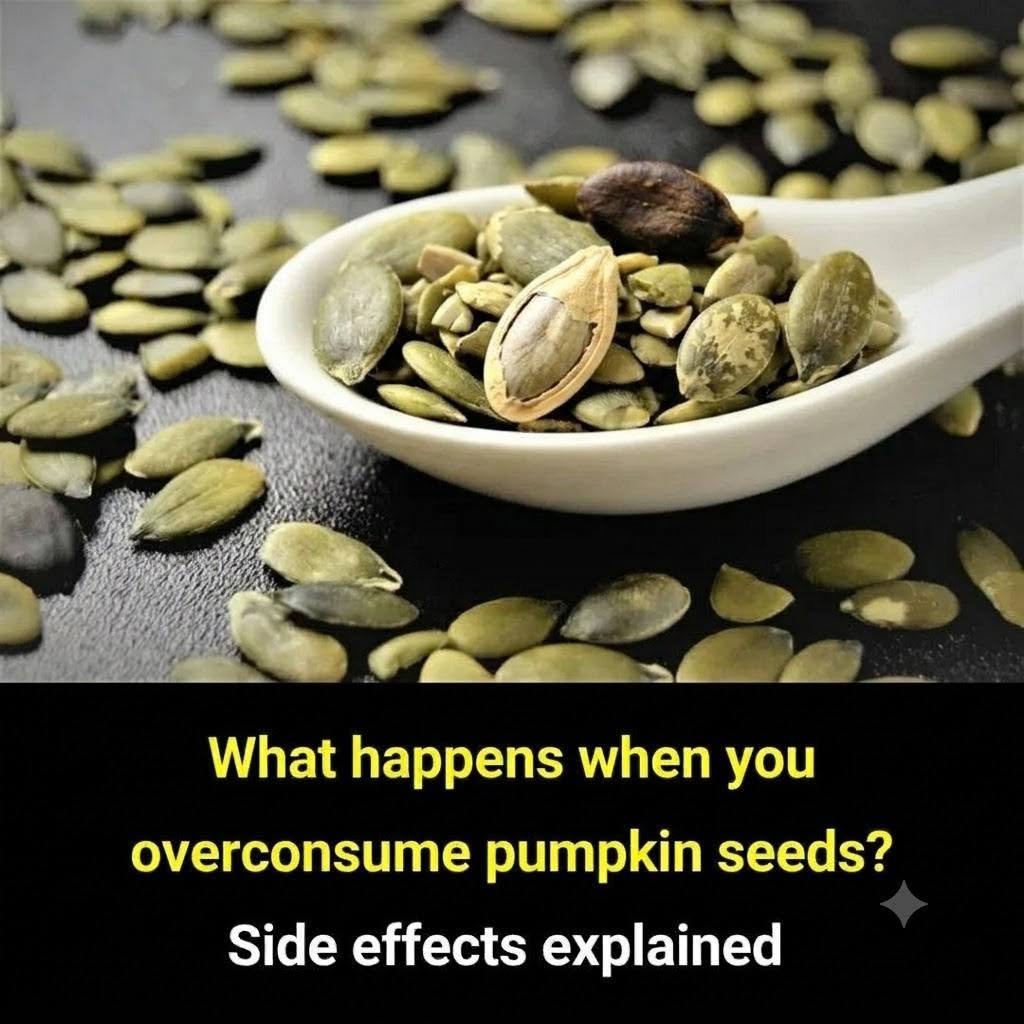
    Pumpkin seeds are small but remarkably nutrient-dense, providing protein, unsaturated fats, magnesium, zinc, iron, phosphorus, and fiber. A modest serving can contribute valuable nutrients to a balanced diet, which is why pumpkin seeds are often used as a convenient snack or added to salads, yogurt, oatmeal, and other meals. (webmd.com) Their magnesium content is particularly notable, while their protein and healthy fats can make them more satisfying than many highly processed snack foods. However, nutritious does not mean unlimited. Pumpkin seeds are calorie-dense and very easy to eat by the handful, so portion size matters. About 1 ounce (28 grams) is a commonly referenced serving, and regularly consuming much larger amounts can add substantial calories to your daily intake. (clevelandclinic.org)

    Eating too many at once may also cause digestive discomfort, especially if your body is not accustomed to a high-fiber diet. Depending on the type and whether the shells are eaten, large portions can contribute to bloating, stomach cramps, gas, constipation, or diarrhea. (webmd.com) Salted or heavily seasoned pumpkin seeds present another concern because they can contain significant amounts of sodium, which may be unsuitable for people who have been advised to restrict salt. (clevelandclinic.org) Some people can also have an allergic reaction to pumpkin seeds, although such allergies appear to be uncommon. If you develop swelling, hives, wheezing, vomiting, or difficulty breathing after eating them, seek appropriate medical attention. Young children should also be supervised when eating seeds because of choking concerns.

    The healthiest approach is to enjoy pumpkin seeds in sensible portions and choose plain or lightly salted varieties. You can sprinkle a small amount over a salad, add them to oatmeal, or use them as a crunchy topping instead of eating directly from a large bag. People with kidney disease or other conditions requiring specific mineral or sodium restrictions should ask their healthcare professional how pumpkin seeds fit into their individual diet, because their relatively high mineral content may need to be considered. (acibademinternational.com) Disclaimer: This article is for general educational and nutritional information only and does not constitute medical diagnosis, treatment, or personalized dietary advice. Pumpkin seeds can be a healthy food for many people, but eating excessive amounts may cause digestive problems or contribute significant calories and sodium. Individual dietary needs vary, so always verify important health information through reliable sources and consult a qualified healthcare professional if you have a medical condition, food allergy, or specific dietary restrictions.

  • Cervical Cancer Awareness: Key Information Every Woman Should Know

    Cervical Cancer Awareness: Key Information Every Woman Should Know

    Cervical cancer is one of the cancers that can often be prevented and detected early, making awareness especially important. Almost all cervical cancer cases are linked to persistent infection with high-risk types of human papillomavirus (HPV), a very common infection transmitted through sexual contact. Most HPV infections clear naturally and cause no symptoms, but persistent infection can sometimes lead to precancerous changes and eventually cancer. Because early precancerous changes usually do not produce obvious symptoms, a woman can feel completely healthy while abnormal cells are developing. This is why cervical screening remains important even for women who have no symptoms and even for those who have received HPV vaccination.

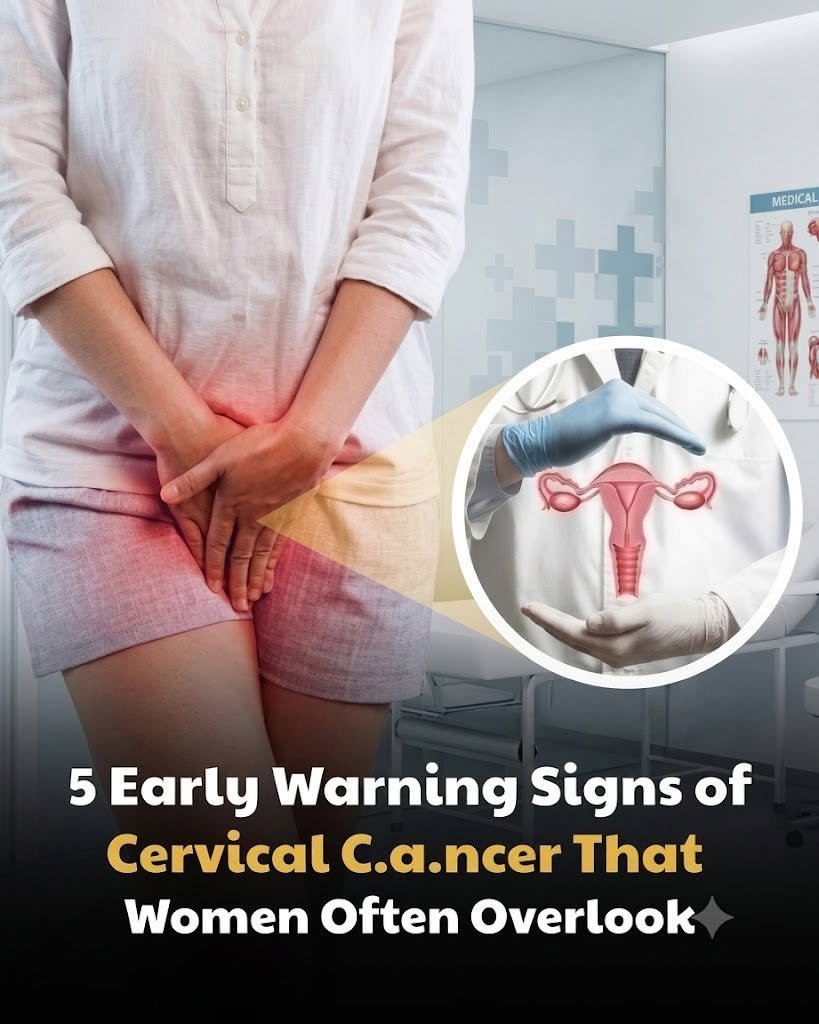
    Some symptoms that deserve medical evaluation include unusual vaginal bleeding, particularly bleeding after sexual intercourse, bleeding between periods, heavier or longer-than-usual menstrual bleeding, or bleeding after menopause. Other possible symptoms include unusual vaginal discharge, pelvic pain, lower abdominal discomfort, or pain during intercourse. These symptoms do not automatically mean cervical cancer—many common conditions can cause them—but persistent or unexplained changes should not simply be ignored. Screening is designed to identify HPV infection or precancerous cervical changes before cancer develops. WHO’s current guidance emphasizes HPV-based screening and treatment of precancerous lesions as major tools for preventing cervical cancer. Screening schedules and recommended tests vary by country, age, medical history, and individual risk, so women should follow the guidance provided by their local healthcare system.

    Prevention involves several important steps, including HPV vaccination, appropriate cervical screening, avoiding tobacco, and seeking medical attention for persistent symptoms. WHO recommends HPV vaccination as a key preventive measure, particularly for girls before exposure to HPV; vaccination substantially reduces the risk of HPV-related cervical cancer but does not eliminate the need for later screening. If you experience unusual bleeding, persistent discharge, pelvic pain, or another unexplained change, speaking with a qualified healthcare professional is far safer than relying on social-media advice or home remedies. Disclaimer: This article is for general educational and informational purposes only and does not constitute medical diagnosis, treatment, or personalized medical advice. The symptoms described can have many causes and do not prove that someone has cervical cancer. Screening and vaccination recommendations differ according to country and individual circumstances, so always verify current guidance through reliable medical sources and consult a qualified healthcare professional.

  • Eggplant Is the King of Vegetables — But Not Everyone Should Eat It Freely

    Eggplant Is the King of Vegetables — But Not Everyone Should Eat It Freely

    Eggplant, also known as aubergine or brinjal, is a nutrient-rich vegetable that can fit easily into a balanced diet. It provides fiber, potassium, vitamins, and antioxidant plant compounds, while naturally being relatively low in calories. Its purple skin contains compounds such as anthocyanins, which are being studied for their antioxidant properties. Eating eggplant as part of a varied diet may therefore be a simple way to increase vegetable intake. However, calling it a “superfood” or claiming that it can cure a particular disease would go beyond the available evidence. The way it is prepared also matters: deep-frying eggplant can cause it to absorb substantial amounts of oil, dramatically increasing its calorie and fat content. Baking, grilling, steaming, or lightly sautéing can be more practical choices.

    Despite its benefits, some people may need to be more cautious. Rare eggplant allergies have been reported, and reactions can include itching, hives, swelling, gastrointestinal symptoms, or, in severe cases, difficulty breathing. Anyone who develops facial or throat swelling, breathing difficulty, or other signs of a serious allergic reaction after eating eggplant should seek emergency medical care. Eggplant is also a member of the nightshade family, but there is no strong evidence that the small amounts of naturally occurring solanine in ordinary eggplant servings make arthritis worse for most people. People who notice a consistent personal reaction should discuss it with a healthcare professional instead of assuming that all nightshade vegetables are harmful.

    Another group that may need individualized dietary advice is people with kidney disease or certain potassium-management requirements. Interestingly, eggplant is generally considered a lower-potassium vegetable compared with many other commonly eaten vegetables, and kidney-disease nutrition guides list it among lower-potassium choices. Nevertheless, people with impaired kidney function may have very different potassium limits depending on blood-test results, medications, and disease severity. The safest approach is to enjoy eggplant in reasonable portions and focus on the overall quality of the diet rather than labeling one vegetable as universally good or bad. Disclaimer: This article is for general educational and nutritional information only and does not constitute medical diagnosis, treatment, or personalized dietary advice. Most people can enjoy eggplant as part of a balanced diet, but allergies and individual medical conditions can change what is appropriate. Health claims online may be exaggerated, misleading, or unauthenticated, so always verify important information through reliable medical sources and consult a qualified healthcare professional for personalized guidance.

  • These 5 Changes Around the Head and Face May Suggest Liver Fibrosis

    These 5 Changes Around the Head and Face May Suggest Liver Fibrosis

    Liver fibrosis can be difficult to detect because early fibrosis often causes no noticeable symptoms at all. It occurs when repeated liver injury leads to scar tissue building up in the liver, and many people only discover it through blood tests, imaging, or evaluation for another condition. However, as liver damage becomes more advanced, certain visible changes may appear. One is yellowing of the whites of the eyes or skin, known as jaundice. Another is the development of small spider-like blood vessels on the skin, called spider angiomas. These can sometimes be noticeable around the face, neck, chest, or upper body, although they can also occur for reasons unrelated to liver disease.

    Other changes worth discussing with a healthcare professional include persistent facial or skin itching, unusual easy bruising, and noticeable changes in skin color or appearance. Severe liver disease can interfere with normal blood clotting and the body’s ability to process substances, contributing to easy bruising and intense itching. In advanced disease, a person may also develop swelling elsewhere in the body, particularly the legs or abdomen, along with fatigue, weight loss, confusion, or changes in alertness. Importantly, these signs do not prove liver fibrosis. Many skin and facial changes have completely different causes, and fibrosis itself may remain silent for years.

    If you notice persistent yellow eyes, unexplained spider-like blood vessels, unusual itching, easy bruising, or other unexplained changes, it is worth discussing them with a qualified healthcare professional—especially if you have risk factors such as metabolic liver disease, viral hepatitis, obesity, diabetes, or a history of liver injury. Doctors can use blood tests, imaging, and sometimes other assessments to determine whether liver damage or fibrosis is present. Do not rely on facial appearance alone or attempt a “liver detox” based on social-media advice. Disclaimer: This article is for general educational and informational purposes only and does not constitute medical diagnosis, treatment, or personalized medical advice. Facial or skin changes cannot diagnose liver fibrosis, and many people with early fibrosis have no visible symptoms. Health claims online may be exaggerated, misleading, or unauthenticated, so always verify important information through reliable medical sources and consult a qualified healthcare professional for appropriate testing.

  • These Changes in Your Hands Could Be Early Signs of an Underlying Health Issue

    These Changes in Your Hands Could Be Early Signs of an Underlying Health Issue

    Your hands can sometimes reveal changes that deserve medical attention, although most unusual hand symptoms have many possible causes and do not automatically indicate a serious disease. One important change is persistent numbness or tingling, particularly when it keeps returning or gradually becomes worse. Nerve compression, carpal tunnel syndrome, diabetes, vitamin deficiencies, and other conditions can cause these sensations. Mayo Clinic notes that diabetes-related nerve damage can produce numbness, while problems involving nerves in the wrist or arm can also affect the hands. (mayoclinic.org) Another change to notice is unusual weakness or clumsiness, such as repeatedly dropping objects or struggling with tasks that were previously easy. Persistent symptoms should be evaluated rather than automatically blamed on aging or overuse.

    A second group of changes involves color, temperature, and swelling. Fingers that repeatedly become unusually white, blue, gray, or red—especially after exposure to cold or during stress—can occur with circulation-related conditions such as Raynaud’s phenomenon. (mayoclinic.org) Persistent swelling of the fingers or hands can also have numerous causes, including inflammation, vascular problems, injury, or certain systemic conditions. In some cases, swelling may occur together with numbness, skin-color changes, or pain. These combinations are particularly worth discussing with a healthcare professional because they may provide more information than any single symptom alone. (mayoclinic.org)

    The key is to pay attention to new, persistent, worsening, or unexplained changes. If numbness continues, spreads, affects both hands, or is accompanied by weakness, medical evaluation can help identify the underlying cause. (mayoclinic.org) However, sudden numbness or weakness in one hand or arm—especially with facial drooping, confusion, difficulty speaking, severe dizziness, or a sudden severe headache—can be a sign of stroke and requires emergency medical attention. Disclaimer: This article is for general educational and informational purposes only and does not constitute medical diagnosis, treatment, or personalized health advice. Changes in the hands can result from many harmless or treatable conditions, and these symptoms alone cannot diagnose an underlying disease. Online health claims may be exaggerated, misleading, or unauthenticated, so always verify important information through reliable medical sources and consult a qualified healthcare professional about persistent or concerning symptoms.

  • Your Body May Show These Warning Signs of Bladder Cancer Earlier Than You Think

    Your Body May Show These Warning Signs of Bladder Cancer Earlier Than You Think

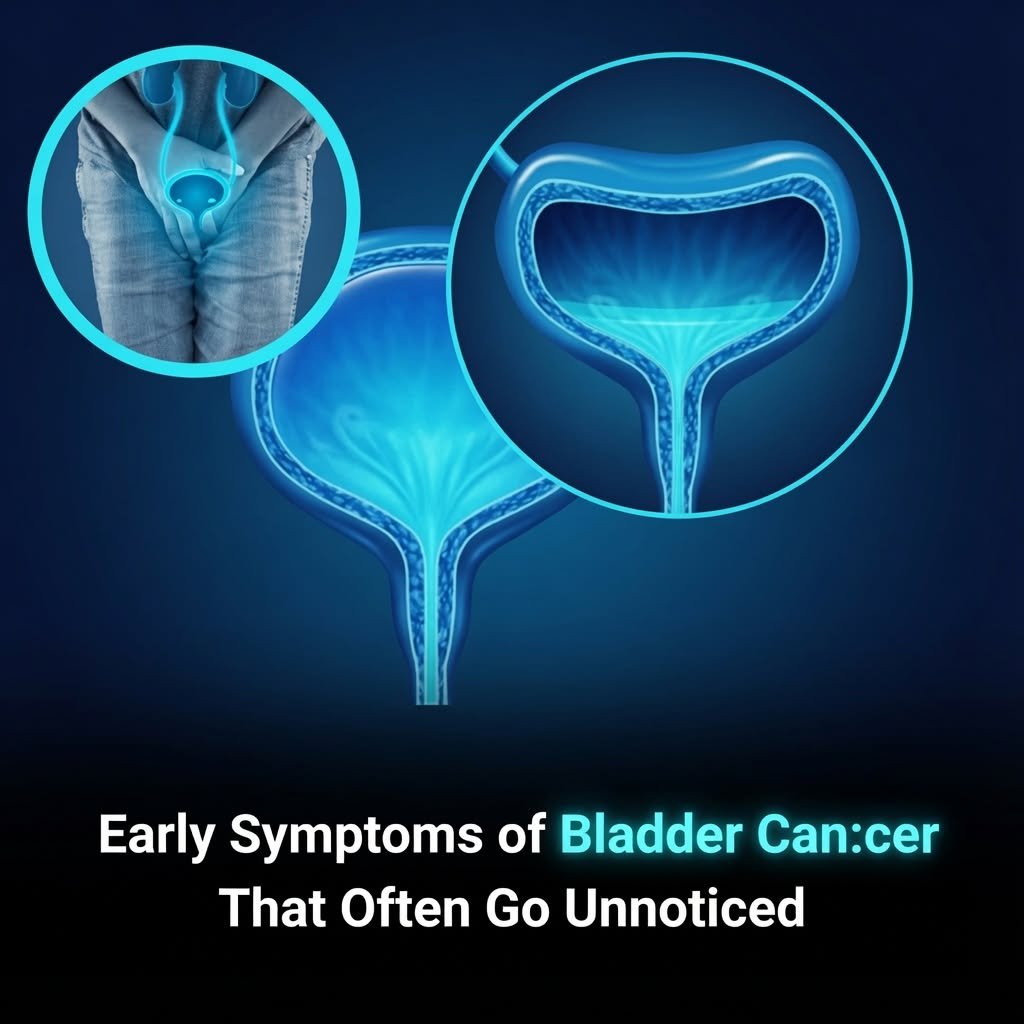
    Bladder cancer can sometimes produce noticeable warning signs relatively early, and the most common is blood in the urine, medically known as hematuria. The urine may appear pink, red, rusty, or dark brown, although sometimes the amount of blood is so small that it can only be detected through a urine test. Importantly, blood may appear once and then disappear before returning later. (cancer.gov) Other possible changes include needing to urinate more frequently, feeling a sudden or urgent need to urinate, waking repeatedly during the night to use the bathroom, experiencing burning or pain while urinating, or having difficulty starting the urine stream. These symptoms are not proof of cancer and are frequently caused by conditions such as urinary tract infections, bladder stones, or other urinary problems. (cancer.org)

    As bladder cancer progresses, some people may experience lower back or abdominal pain, difficulty urinating, unexplained weight loss, reduced appetite, persistent tiredness, or swelling in the feet. (cancer.gov) However, these symptoms can also occur with many other medical conditions, which is why self-diagnosis based on an online checklist is unreliable. If urinary changes persist, recur, or cannot be explained, a healthcare professional may recommend urine testing and other investigations. Depending on the circumstances, evaluation can include urinalysis, urine cytology, imaging, and cystoscopy, in which a specialist examines the inside of the bladder. (cancer.gov) There is currently no standard routine screening test recommended for people at average risk who have no symptoms, so paying attention to unexplained changes remains important. (cancer.gov)

    The most important warning sign not to dismiss is blood in your urine—even if it happens only once, there is very little of it, or you have no pain. Medical organizations recommend getting unexplained blood in the urine evaluated because, although it is often caused by non-cancerous conditions, it can sometimes be an early sign of bladder cancer. (nhs.uk) Early evaluation can help identify the actual cause and, if cancer is present, may allow treatment to begin sooner. Disclaimer: This article is for general educational and informational purposes only and does not constitute medical diagnosis, treatment, or personalized medical advice. The symptoms described above can have many causes and do not mean that someone has bladder cancer. Online health claims may be exaggerated, misleading, or unauthenticated, so always verify important information through reliable medical sources and consult a qualified healthcare professional about persistent, unusual, or concerning urinary changes.

  • Can You Spot the Hidden Mistake in This Hospital Picture? Find Out the Answer

    Can You Spot the Hidden Mistake in This Hospital Picture? Find Out the Answer

    Hospital “spot the mistake” pictures are often designed to test whether you notice details that relate to patient safety, infection prevention, or medical procedures. Without seeing the specific picture referenced by the headline, it would be impossible to identify the exact hidden mistake with certainty. However, common errors depicted in these puzzles include a healthcare worker touching equipment with contaminated gloves, failing to perform hand hygiene, using protective equipment incorrectly, or placing medical supplies in an unsafe location. These are not merely visual details: infection-control practices are an important part of safe healthcare. The CDC recommends appropriate hand hygiene and correct use of personal protective equipment based on the situation and potential exposure. (cdc.gov)

    One particularly important mistake to look for is cross-contamination. A person wearing gloves may appear protected, but gloves can transfer microorganisms from one surface to another if they are not changed appropriately or if hand hygiene is neglected. Research observing hospital staff found numerous failures involving PPE use, including entering precaution rooms without required protection and touching clean areas with contaminated gloves or gowns. (jamanetwork.com) Other possible clues include an incorrectly positioned sharps container, an unsecured patient bed, medical equipment placed where it could fall, or an IV line that appears improperly positioned. Patient safety is broader than avoiding infections; the WHO identifies medication errors, patient falls, diagnostic errors, unsafe injections, and patient misidentification among important sources of preventable harm in healthcare. (who.int)

    The safest conclusion is that the exact answer depends on the picture itself. If you upload the hospital image, I can examine the visible details and identify the most likely mistake rather than guessing. Until then, remember that many “hidden mistake” social-media puzzles use exaggerated or fictional scenarios and should not be treated as real medical guidance. In an actual hospital, patients and visitors can help support safety by asking healthcare workers to clean their hands before examinations or procedures and by speaking up when something appears unusual. (cdc.gov) Disclaimer: This article is for general educational and patient-safety information only. The specific mistake in the referenced picture cannot be confirmed without seeing the image, and social-media puzzles may contain fictional or inaccurate details. Always verify medical and safety information through reliable healthcare authorities and qualified professionals.

  • Your Kidneys Could Be Silently Struggling — Signs to Watch for and Habits That May Help Protect Them

    Your Kidneys Could Be Silently Struggling — Signs to Watch for and Habits That May Help Protect Them

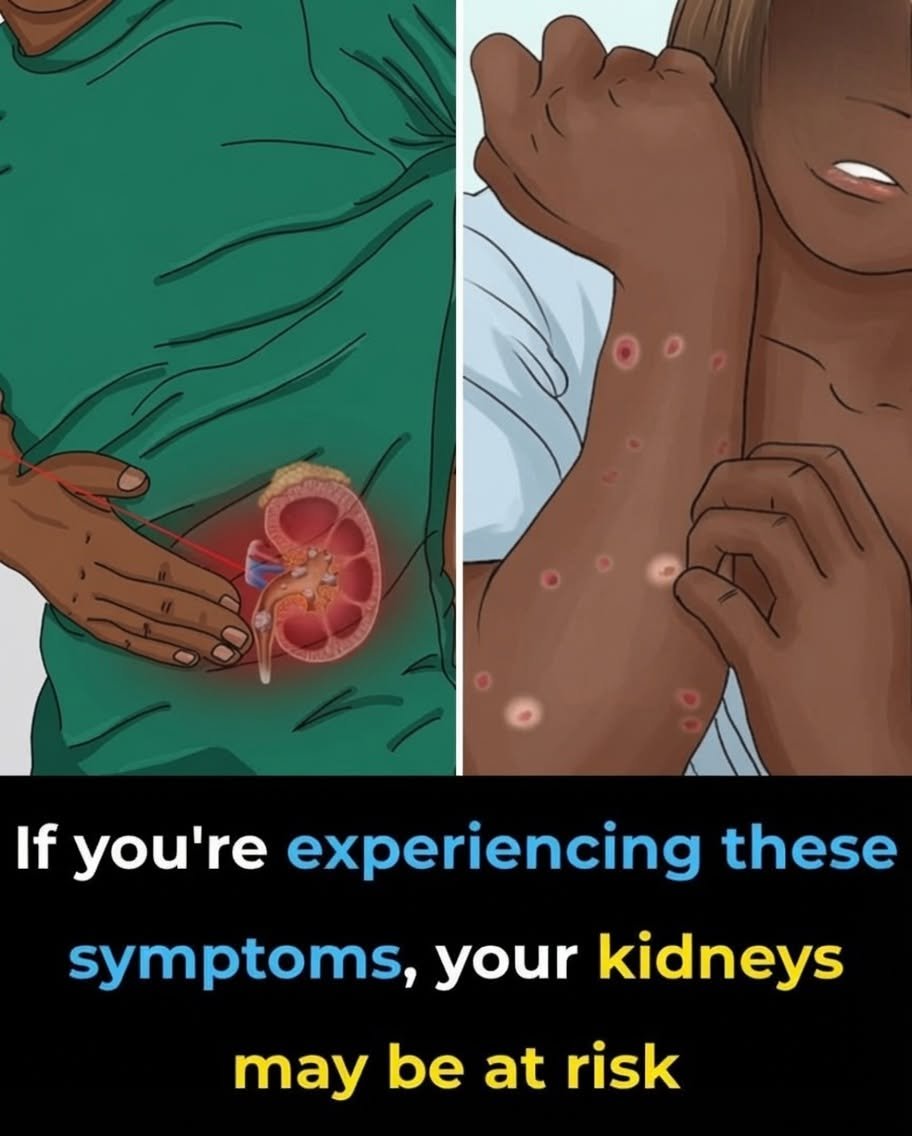
    Kidney disease can be difficult to recognize because early chronic kidney disease often causes few or no noticeable symptoms. Many people may not realize their kidneys are under stress until the condition becomes more advanced. When symptoms do appear, they can include swelling in the legs, feet, ankles, hands, or face; changes in how often you urinate; foamy urine; persistent tiredness; difficulty concentrating; muscle cramps; itching; nausea; or shortness of breath. (niddk.nih.gov) Importantly, these symptoms are not specific to kidney disease, so they should not be used for self-diagnosis. People with diabetes, high blood pressure, heart disease, or a family history of kidney failure have a higher risk and may benefit from routine kidney testing. Blood and urine tests can detect kidney problems even when a person feels completely healthy. (niddk.nih.gov)

    Protecting your kidneys starts with controlling the conditions that can damage them. High blood pressure and diabetes are among the most common causes of chronic kidney disease, so keeping blood pressure and blood glucose within the targets recommended by your healthcare professional is important. (niddk.nih.gov) A heart-healthy eating pattern with plenty of vegetables, fruits, whole grains, and appropriately chosen protein foods can support overall health, while limiting excessive sodium, added sugars, and highly processed foods may help manage blood pressure and metabolic health. Regular physical activity, maintaining a healthy weight, getting adequate sleep, and avoiding tobacco are also valuable habits. Another commonly overlooked issue is frequent use of nonsteroidal anti-inflammatory drugs (NSAIDs) such as ibuprofen and naproxen. NIDDK warns that prolonged use can damage the kidneys, while taking these medicines during dehydration can increase the risk of acute kidney injury. (niddk.nih.gov)

    The most important lesson is not to wait for obvious symptoms before thinking about kidney health. If you have risk factors, ask your healthcare professional whether you should have your kidney function and urine albumin checked. Taking prescribed medicines correctly, managing blood pressure and blood sugar, staying physically active, choosing nutritious foods, avoiding smoking, and discussing pain medicines or supplements with a pharmacist or doctor can all help reduce avoidable kidney stress. (niddk.nih.gov) If you develop significant swelling, a major change in urination, persistent vomiting, severe weakness, chest pain, or breathing difficulty, seek medical evaluation rather than assuming the problem is temporary. Disclaimer: This article is for general educational and health information only and does not constitute medical diagnosis, treatment, or personalized medical advice. Kidney symptoms can have many different causes, and early kidney disease may have no symptoms at all. Online health claims may be exaggerated, misleading, or unauthenticated, so always verify important information through reliable medical sources and consult a qualified healthcare professional for appropriate testing and individualized guidance.

  • Sweet Potato Lovers, Don’t Skip This — Here’s What It May Do to Your Body

    Sweet Potato Lovers, Don’t Skip This — Here’s What It May Do to Your Body

    Sweet potatoes are more than a comforting side dish—they are a nutrient-dense root vegetable that can provide fiber, potassium, vitamin C, and beta-carotene, particularly in orange-fleshed varieties. A medium-sized sweet potato contains roughly 112 calories and 4 grams of fiber, according to USDA nutrition information. Beta-carotene is converted by the body into vitamin A, a nutrient important for normal vision, immune function, and other biological processes. Their fiber content can also contribute to digestive health and help make meals more filling. For most people, baked, steamed, or boiled sweet potatoes can comfortably fit into a balanced diet.

    Another benefit is their naturally occurring plant compounds and relatively low fat content. Sweet potatoes contain polyphenols and carotenoids with antioxidant properties, while their naturally sweet flavor can make them a useful alternative to desserts or highly processed snacks. The preparation method matters, however. Turning sweet potatoes into heavily fried foods or loading them with large amounts of butter, sugar, syrup, or salty toppings can substantially change the nutritional profile. A simple baked or boiled sweet potato paired with vegetables, beans, fish, eggs, or another protein source can be a more balanced choice. Eating a variety of colorful vegetables is generally more beneficial than relying on any single “superfood.”

    There is one important consideration for people with certain kidney conditions. Sweet potatoes are relatively high in potassium, and people with chronic kidney disease or elevated blood potassium may need to limit high-potassium foods depending on their laboratory results and treatment plan. This does not mean healthy people should avoid sweet potatoes; rather, it highlights why nutrition advice should be individualized. For most people, enjoying an appropriately sized portion as part of a varied diet is a nutritious option. Disclaimer: This article is for general educational and nutritional information only and does not constitute medical diagnosis, treatment, or personalized dietary advice. Sweet potatoes do not cure or prevent specific diseases, and individual nutritional needs vary. Health claims online may be exaggerated, misleading, or unauthenticated, so always verify important information through reliable medical sources and consult a qualified healthcare professional, particularly if you have kidney disease or another condition requiring dietary restrictions.