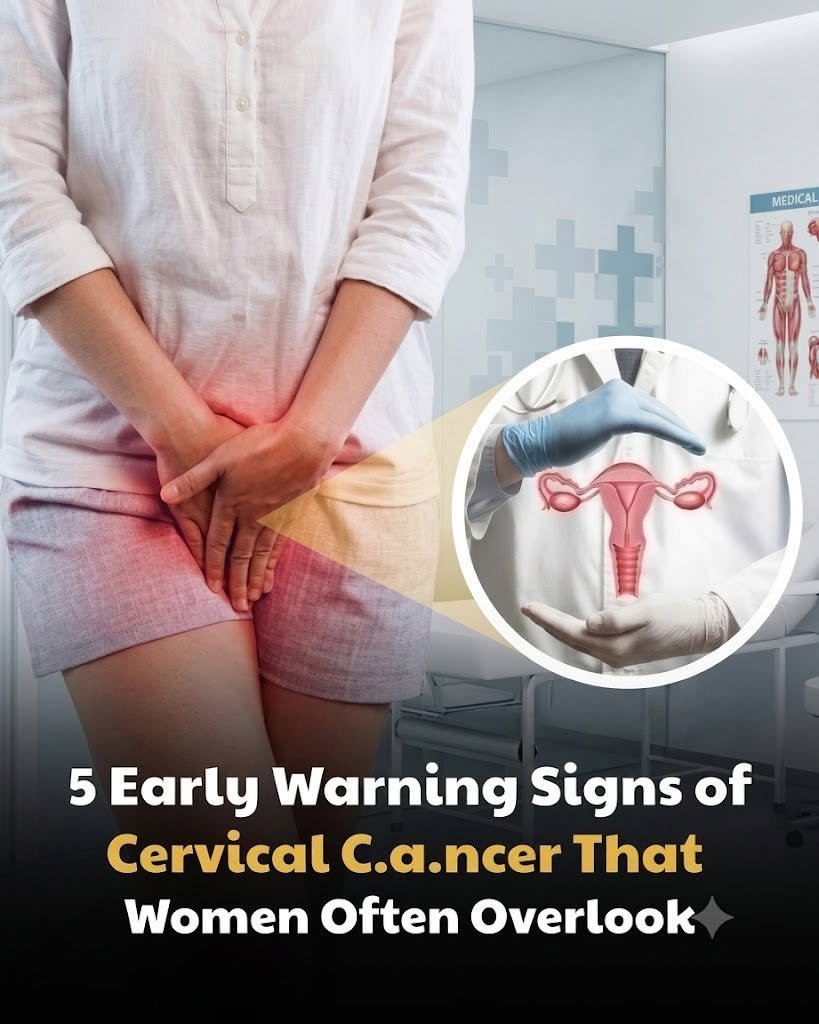
Cervical cancer is one of the cancers that can often be prevented and detected early, making awareness especially important. Almost all cervical cancer cases are linked to persistent infection with high-risk types of human papillomavirus (HPV), a very common infection transmitted through sexual contact. Most HPV infections clear naturally and cause no symptoms, but persistent infection can sometimes lead to precancerous changes and eventually cancer. Because early precancerous changes usually do not produce obvious symptoms, a woman can feel completely healthy while abnormal cells are developing. This is why cervical screening remains important even for women who have no symptoms and even for those who have received HPV vaccination.
Some symptoms that deserve medical evaluation include unusual vaginal bleeding, particularly bleeding after sexual intercourse, bleeding between periods, heavier or longer-than-usual menstrual bleeding, or bleeding after menopause. Other possible symptoms include unusual vaginal discharge, pelvic pain, lower abdominal discomfort, or pain during intercourse. These symptoms do not automatically mean cervical cancer—many common conditions can cause them—but persistent or unexplained changes should not simply be ignored. Screening is designed to identify HPV infection or precancerous cervical changes before cancer develops. WHO’s current guidance emphasizes HPV-based screening and treatment of precancerous lesions as major tools for preventing cervical cancer. Screening schedules and recommended tests vary by country, age, medical history, and individual risk, so women should follow the guidance provided by their local healthcare system.
Prevention involves several important steps, including HPV vaccination, appropriate cervical screening, avoiding tobacco, and seeking medical attention for persistent symptoms. WHO recommends HPV vaccination as a key preventive measure, particularly for girls before exposure to HPV; vaccination substantially reduces the risk of HPV-related cervical cancer but does not eliminate the need for later screening. If you experience unusual bleeding, persistent discharge, pelvic pain, or another unexplained change, speaking with a qualified healthcare professional is far safer than relying on social-media advice or home remedies. Disclaimer: This article is for general educational and informational purposes only and does not constitute medical diagnosis, treatment, or personalized medical advice. The symptoms described can have many causes and do not prove that someone has cervical cancer. Screening and vaccination recommendations differ according to country and individual circumstances, so always verify current guidance through reliable medical sources and consult a qualified healthcare professional.
Leave a Reply