Category: Uncategorized

  • 3 Hand Signs That May Signal Liver Problems — Even 1 Deserves Medical Attention

    3 Hand Signs That May Signal Liver Problems — Even 1 Deserves Medical Attention

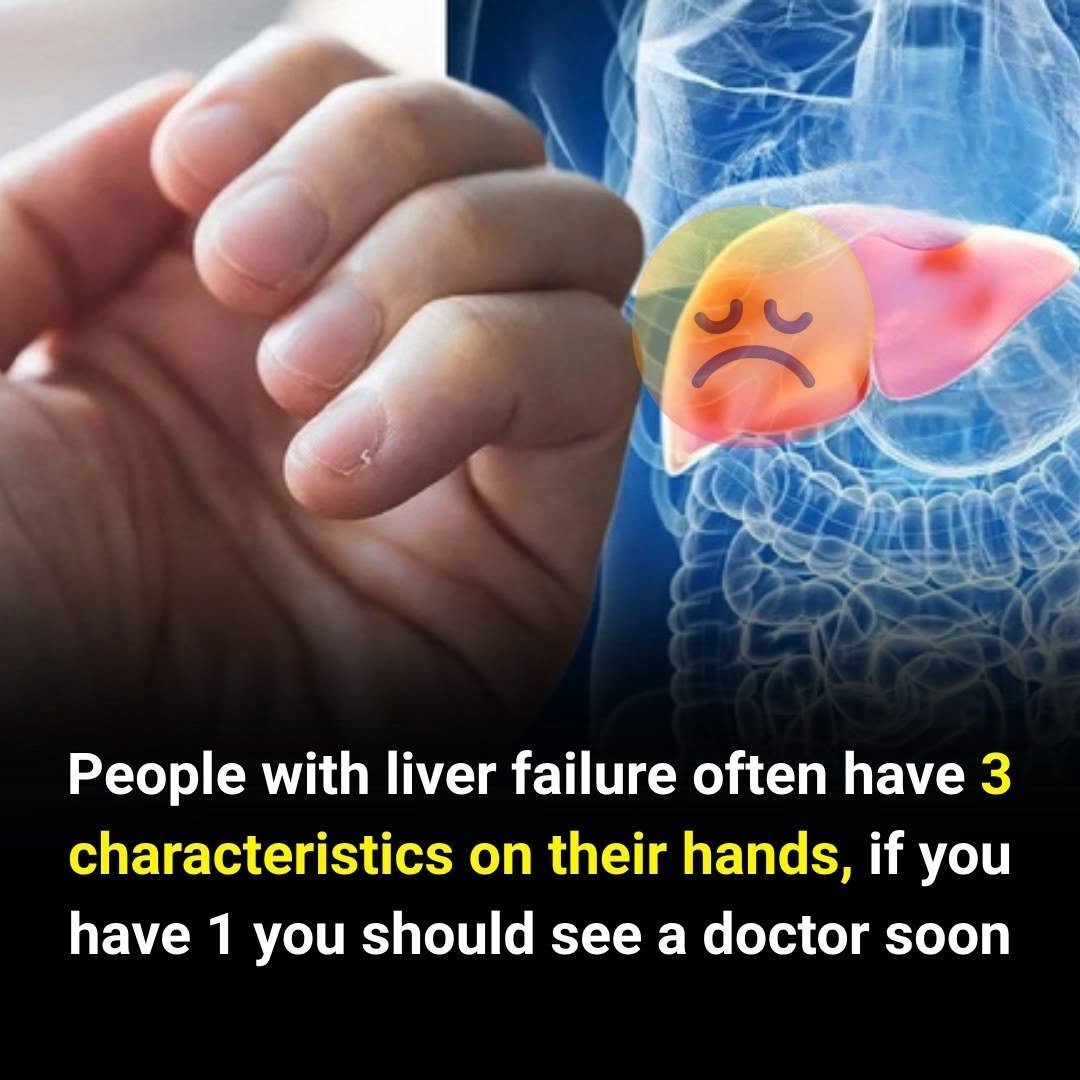
    Your hands can sometimes show physical clues associated with chronic liver disease, although no hand sign by itself can diagnose liver failure. Three changes doctors may recognize are 1) unusually red palms (palmar erythema), 2) a flapping or trembling movement of the hands known as asterixis, and 3) changes in the fingers or nails, including clubbing or unusually pale nails. Palmar erythema is a recognized finding in cirrhosis, while clubbing and pale nails can also occur with advanced liver disease. Asterixis is different: when a person holds their arms out and extends their wrists, the hands may briefly “flap” because of impaired control of movement. This can occur with hepatic encephalopathy, a serious complication associated with significant liver dysfunction.

    These signs are important, but they do not mean that liver failure is definitely present. Red palms, for example, can have causes unrelated to liver disease, while clubbing can occur with heart, lung, gastrointestinal, and other conditions. Asterixis can also have causes other than liver disease, so doctors consider the complete medical picture. More concerning liver-related symptoms include yellowing of the skin or eyes, abdominal swelling, easy bruising or bleeding, persistent itching, severe fatigue, confusion, unusual sleepiness, and vomiting blood. Doctors may use blood tests, physical examination, ultrasound or other imaging, and additional tests to determine whether the liver is functioning properly.

    The safest message is don’t diagnose yourself from your hands alone, but don’t ignore a new or unexplained change either. If you notice persistent palm redness, significant nail or finger changes, or especially a new flapping movement of the hands, arrange a medical evaluation. If these changes occur alongside jaundice, increasing abdominal swelling, vomiting blood, severe bleeding, or confusion or unusual drowsiness, seek urgent medical attention because advanced liver disease and acute liver failure can become life-threatening. Disclaimer: This article is for general educational and health information only and does not constitute medical diagnosis, treatment, or personalized advice. Hand changes have many possible causes and cannot confirm liver failure. Always verify important health information through reliable medical sources and consult a qualified healthcare professional about new or persistent symptoms.


  • 4 Foods to Eat on an Empty Stomach in the Morning That May Support Digestion and Long-Term Health

    4 Foods to Eat on an Empty Stomach in the Morning That May Support Digestion and Long-Term Health

    There is no scientifically established list of foods that everyone must eat on an empty stomach, but choosing nutrient-dense foods in the morning can help you build a healthier overall diet. Four practical options are oatmeal, berries or other whole fruit, plain yogurt, and nuts or seeds. Oatmeal provides soluble fiber, including beta-glucan, which can support digestive health and help with fullness. (heart.org) Whole fruits provide fiber, vitamins, minerals, and naturally occurring plant compounds, while berries are particularly rich in polyphenols. Plain yogurt can provide protein and, depending on the product, live cultures that may support the gut microbiome. Nuts and seeds add healthy unsaturated fats, protein, fiber, magnesium, and other nutrients. (hsph.harvard.edu)

    Oatmeal can be especially useful if you’re trying to increase your fiber intake. Soluble fiber can help slow digestion, while adequate total fiber supports regular bowel movements and provides fuel for beneficial gut bacteria. (niddk.nih.gov) You could combine oats with berries, chia seeds, or a small portion of nuts for a more balanced meal. Whole fruit is another convenient choice; eating an orange, apple, pear, kiwi, or berries provides fiber that is often reduced when fruit is turned into juice. Plain yogurt can add protein and may contain probiotics, although not every fermented food or yogurt provides the same microorganisms or health effects. If dairy causes bloating or diarrhea, lactose-free yogurt or another suitable alternative may be more comfortable.

    The bigger lesson is that your entire dietary pattern matters more than whether a food is eaten before breakfast or after waking. A balanced morning meal that combines fiber-rich carbohydrates, protein, and healthy fats is generally more meaningful for long-term health than a supposed “detox” food eaten on an empty stomach. If you are increasing fiber, do so gradually and drink enough fluids because a sudden increase can cause gas and bloating. (niddk.nih.gov) People with food allergies, digestive disorders, diabetes, kidney disease, or other medical conditions may need individualized dietary choices. Disclaimer: This article is for general educational and nutritional information only and does not constitute medical diagnosis, treatment, or personalized dietary advice. There is no universal food that must be eaten on an empty stomach, and individual tolerance varies. Always verify nutrition claims through reliable sources and consult a qualified healthcare professional for specific dietary concerns.

  • These Beverages May Help You Relax and Support Better Sleep

    These Beverages May Help You Relax and Support Better Sleep

    If you’re struggling to fall asleep, what you drink in the evening may be worth considering—but no beverage should be described as a guaranteed treatment for insomnia. Some options may promote relaxation or support healthy sleep patterns. Chamomile tea is one of the better-known choices and contains plant compounds that may have calming effects. A 2024 systematic review of clinical trials found that chamomile was associated with improvements in overall sleep quality, although it did not consistently increase sleep duration or daytime functioning. (pubmed.ncbi.nlm.nih.gov) Warm milk is another traditional option; it provides nutrients including tryptophan, an amino acid involved in the body’s production of serotonin and melatonin. Johns Hopkins Medicine lists warm milk, chamomile tea, and tart cherry juice among beverages people with sleep difficulties may try. (hopkinsmedicine.org)

    Another interesting option is tart cherry juice, particularly unsweetened varieties. Tart cherries naturally contain melatonin and other compounds that have been investigated for their relationship with sleep. Small clinical trials have reported improvements in some sleep measures, including sleep time and efficiency, while systematic reviews suggest the evidence is promising but still limited by small studies and differences in study design. (pubmed.ncbi.nlm.nih.gov) If you want to try it, a modest serving in the evening is reasonable for most healthy adults, but remember that juice contains natural sugars and can add calories. Caffeine-free herbal teas can also become part of a relaxing bedtime routine, especially when the ritual itself helps signal that it is time to wind down. Avoid assuming that stronger or larger quantities will produce better results.

    Perhaps just as important as what you drink is what you avoid before bed. Coffee, energy drinks, caffeinated tea, and other caffeine-containing beverages can interfere with sleep, while alcohol may make you feel sleepy initially but can disrupt sleep later in the night. (hopkinsmedicine.org) Drinking excessive amounts of any fluid immediately before bed can also increase nighttime bathroom trips. If insomnia occurs frequently, lasts for weeks, or leaves you exhausted during the day, don’t rely on drinks alone—persistent insomnia may require professional evaluation and evidence-based treatment. Disclaimer: This article is for general educational and nutritional information only and does not constitute medical diagnosis, treatment, or personalized advice. Chamomile, warm milk, and tart cherry juice may support relaxation or sleep quality in some people, but they are not guaranteed treatments for insomnia. Always verify health information through reliable medical sources and consult a qualified healthcare professional about persistent sleep problems.

  • Most People Ignore Floaters—But Doctors Say You Should Pay Attention If They Appear Suddenly

    Most People Ignore Floaters—But Doctors Say You Should Pay Attention If They Appear Suddenly

    Eye floaters are small spots, threads, squiggly lines, or cobweb-like shapes that seem to drift across your vision. They are extremely common and often develop as part of normal changes in the gel-like vitreous inside the eye as we age. However, a sudden increase in floaters is different from having a few long-standing floaters. A sudden shower of new dark spots can sometimes occur when the vitreous pulls away from the retina, a process called posterior vitreous detachment. In some cases, that pulling can create a retinal tear, which may progress to retinal detachment if it is not treated. This is why doctors recommend taking new, sudden visual changes seriously rather than assuming they are harmless aging.

    Pay particular attention if new floaters appear together with flashes of light, a sudden increase in the number of floaters, blurred vision, or a dark shadow or “curtain” moving across your vision. These can be warning signs of a retinal tear or retinal detachment. Retinal detachment is a medical emergency because continued separation of the retina can cause permanent vision loss. The National Eye Institute recommends going to an eye doctor or emergency room right away when these warning symptoms occur. A dilated eye examination allows an eye-care professional to inspect the retina and determine whether a tear or detachment is present. People who are very nearsighted, have had cataract surgery, experienced significant eye trauma, or previously had a retinal detachment may have increased risk.

    The key message is not to panic about every floater, but never ignore a sudden change in your vision. A few stable floaters that have been present for years are usually much less concerning, while a sudden cluster of new floaters—especially with flashes or a curtain-like shadow—requires prompt professional assessment. Do not wait for pain to appear, because retinal tears and detachments can occur without significant eye pain. Early diagnosis can allow treatment before a retinal tear develops into a more extensive detachment and may help protect your vision. Disclaimer: This article is for general educational and health information only and does not constitute medical diagnosis, treatment, or personalized advice. Most floaters are harmless, but sudden new floaters or flashes can indicate a serious eye problem. If these symptoms are happening now, seek urgent evaluation from an eye-care professional or emergency department rather than relying on online information.

  • Doctors Say a Morning Egg Habit Could Affect More Than Just Your Hunger Levels

    Doctors Say a Morning Egg Habit Could Affect More Than Just Your Hunger Levels

    Starting the day with eggs can do more than simply help you feel satisfied. Eggs provide high-quality protein along with nutrients such as choline, vitamin B12, vitamin D, vitamin A, and selenium. USDA data show that adults who consume eggs or omelets tend to obtain more protein and several of these nutrients from their overall diets than non-consumers. Protein is particularly useful at breakfast because it can contribute to fullness and help make a meal more nutritionally substantial. However, the benefits depend on the entire breakfast—not just the egg. Eggs served with vegetables and whole grains create a very different nutritional profile from eggs regularly paired with processed meats, refined bread, or large amounts of saturated fat.

    Eggs can also fit into a heart-conscious eating pattern for many healthy people. The American Heart Association’s 2026 dietary guidance emphasizes the overall quality of the diet rather than focusing on one food or nutrient. It recommends plenty of vegetables and fruits, whole grains, healthy protein sources, unsaturated fats, and minimally processed foods while limiting added sugars and excessive sodium. The same guidance notes that, for most people, dietary cholesterol is no longer the primary target for cardiovascular-risk reduction. This doesn’t mean everyone should eat unlimited eggs. People with high cholesterol, diabetes, or particular cardiovascular risks may need individualized dietary advice, and the amount of saturated fat and processed food eaten alongside eggs can matter considerably.

    If you enjoy eggs in the morning, simple preparation can make them a practical part of a balanced breakfast. Boiled, poached, or lightly cooked eggs can be combined with vegetables, beans, fruit, or whole-grain toast for additional fiber and nutrients. There is no requirement to eat eggs every morning, and one food cannot compensate for an otherwise poor diet. For most healthy people, moderate egg consumption can fit comfortably within a nutritious eating pattern, while people with specific medical conditions should discuss their intake with a healthcare professional. Disclaimer: This article is for general educational and nutritional information only and does not constitute medical diagnosis, treatment, or personalized dietary advice. Eggs can be nutritious, but their ideal amount and preparation depend on your overall diet and individual health circumstances. Always verify important nutrition claims through reliable scientific sources and consult a qualified healthcare professional for personalized guidance.

  • Why Are Cancer Cases Increasing? The Truth About Natural Toxins in 6 Vegetables

    Why Are Cancer Cases Increasing? The Truth About Natural Toxins in 6 Vegetables

    Cancer rates can appear to be increasing for several reasons, but there is no evidence that ordinary vegetables containing naturally occurring compounds are a major explanation for rising cancer rates. Cancer is a group of diseases caused by genetic changes that can develop from aging, inherited factors, environmental exposures, infections, tobacco, alcohol, obesity, and other influences. (cancer.gov) Age is particularly important because cancer incidence generally rises as people get older. Changes in screening and detection can also make reported incidence increase without necessarily meaning that the underlying disease is becoming more common. (cancer.gov) Researchers have also identified obesity as an important risk factor for several cancers, and some increases in early-onset cancers may be related to changing risk factors, although the causes are complex and still being studied. (cancer.gov)

    It is true that some vegetables and plants naturally contain chemicals that can be harmful at sufficiently high doses or when improperly prepared. The FDA identifies examples including cassava, which contains cyanogenic glycosides; potatoes, which can contain glycoalkaloids such as solanine, particularly when green or damaged; bamboo shoots, which also contain cyanogenic compounds; certain squash and cucumbers, which can contain cucurbitacins; cruciferous vegetables such as cabbage and broccoli, which contain glucosinolates; and celery, which contains naturally occurring psoralens. (fda.gov) But the crucial detail is dose and preparation. The presence of a natural toxin does not mean the vegetable causes cancer or should be eliminated from a normal diet. Properly grown and prepared foods can be safe, while certain foods—especially cassava and bamboo shoots—require appropriate preparation to reduce potentially harmful compounds. (fda.gov)

    For everyday eating, the better strategy is food safety and dietary variety rather than fear of vegetables. Avoid eating green, bitter, sprouted, or badly damaged potatoes in large amounts, prepare cassava and bamboo shoots according to established food-safety guidance, and discard unusually bitter squash or cucumbers rather than trying to mask the taste. (fda.gov) At the same time, vegetables remain an important part of a healthy dietary pattern, and eliminating nutritious plant foods based on sensational claims could actually make your diet less balanced. Disclaimer: This article is for general educational and nutritional information only and does not constitute medical diagnosis, cancer prevention advice, or personalized dietary guidance. Natural toxins exist in some foods, but their presence does not mean ordinary servings cause cancer. Cancer has many causes and risk factors, and claims linking specific vegetables to rising cancer rates should be verified through reliable scientific and public-health sources. Always consult a qualified healthcare professional for individualized advice.

  • Orange Peels Are More Powerful Than You Think — Most People Have No Idea

    Orange Peels Are More Powerful Than You Think — Most People Have No Idea

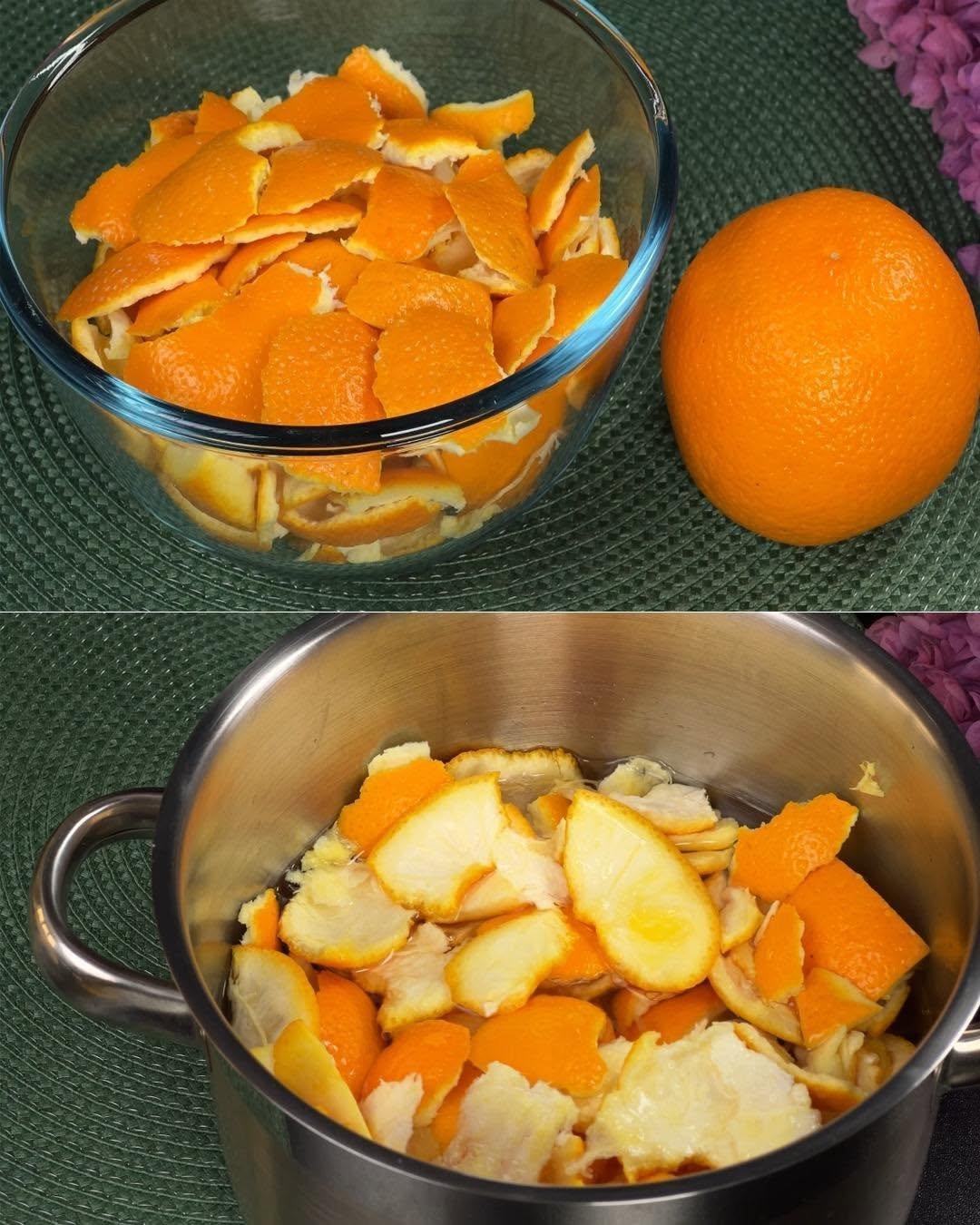
    Most people peel an orange and immediately throw the skin away, but orange peel contains several valuable plant compounds that deserve more attention. The peel is rich in flavonoids such as hesperidin, along with pectin, carotenoids, phenolic compounds, and aromatic oils. In fact, research reviews suggest citrus peels can contain higher concentrations of certain polyphenols than the edible portion of the fruit. These compounds have antioxidant properties and are being studied for their possible roles in supporting digestive and cardiometabolic health. A 2026 review examining 84 studies and 14 completed clinical trials found promising evidence for orange-peel-derived ingredients, including potential effects on gut microbiota, post-meal blood sugar, blood lipids, blood pressure, and inflammation. However, the researchers emphasized that much of the evidence remains based on laboratory and animal research, with human studies still limited and varied.

    One reason orange peel is attracting attention is its fiber and flavonoid content. Pectin is a type of soluble fiber that can support normal digestive function, while citrus flavonoids are being investigated for their potential effects on metabolism and cardiovascular health. Orange peel also contains essential oils, including limonene, which contributes to its distinctive aroma. But this does not mean eating large amounts of peel will “detox” the body, melt away fat, prevent cancer, or cure disease. Although laboratory and preclinical studies have identified potentially interesting biological effects, researchers have not established that simply eating orange peel provides therapeutic protection against major diseases. The best way to think about orange peel is as a potentially useful food ingredient—not a miracle medicine.

    If you want to use orange peel, start with small amounts and wash the orange thoroughly before zesting it. The peel can be grated into oatmeal, yogurt, salads, sauces, or homemade baked dishes, adding intense citrus flavor without requiring much. Because the peel can be bitter and difficult for some people to digest, large quantities may cause stomach discomfort. There is also concern about pesticide residues on conventionally grown citrus, so careful washing and choosing appropriately sourced fruit are sensible precautions. People with citrus allergies or digestive sensitivities should avoid it if it triggers symptoms. Disclaimer: This article is for general educational and nutritional information only and does not constitute medical diagnosis, treatment, or personalized dietary advice. Orange peel contains potentially beneficial nutrients and plant compounds, but evidence for specific disease-prevention or treatment effects is still developing. Always verify important health claims through reliable scientific sources and consult a qualified healthcare professional for individualized advice.

  • 9 Unusual Itching Symptoms Could Be Your Body’s Way of Signaling an Underlying Illness

    9 Unusual Itching Symptoms Could Be Your Body’s Way of Signaling an Underlying Illness

    Itching, medically known as pruritus, is extremely common and is often caused by something relatively simple, such as dry skin, eczema, allergies, insect bites, or irritation from soaps and detergents. However, persistent itching without an obvious skin rash can occasionally be associated with an underlying medical condition. Nine patterns worth paying attention to include 1) unexplained itching over most of the body, 2) itching that repeatedly wakes you at night, 3) intense itching of the palms or soles, 4) itching accompanied by yellowing of the skin or eyes, 5) itching with unusual fatigue or weakness, 6) itching accompanied by unexplained weight loss, 7) itching with night sweats or unexplained fever, 8) itching associated with changes in urination or swelling, and 9) persistent itching with no visible skin condition or obvious trigger. These patterns do not prove that a serious illness is present, but they can provide useful clues that deserve medical attention when they persist.

    Several internal conditions can cause generalized or unexplained itching. Liver and bile-duct disorders can produce particularly intense itching, sometimes affecting the palms and soles, while chronic kidney disease can also cause widespread pruritus. Thyroid disorders, diabetes, iron-deficiency anemia, and certain blood disorders are additional possibilities. Persistent generalized itching can occasionally occur with cancers such as lymphoma, particularly when it appears alongside unexplained weight loss, fever, night sweats, or enlarged lymph nodes. However, it is important not to assume that itching means cancer—the vast majority of itching has other explanations, and medical evaluation is needed to determine the cause. Doctors may consider blood tests, including a blood count, iron studies, kidney and liver function tests, glucose testing, and thyroid testing, depending on the symptoms and examination findings.

    If your itching is mild and clearly related to dry skin, moisturizing regularly, avoiding very hot showers, and using gentle fragrance-free products may help. But severe, unexplained, widespread, or persistent itching should not simply be ignored, especially when it occurs with jaundice, unexplained weight loss, fever, night sweats, unusual fatigue, swelling, changes in urination, or other new symptoms. A healthcare professional can examine your skin and determine whether testing is appropriate. Remember that the location or timing of itching alone cannot diagnose a disease. Disclaimer: This article is for general educational and health information only and does not constitute medical diagnosis, treatment, or personalized advice. Itching has many possible causes, most of which are not serious, and these signs do not confirm any particular illness. Always verify important health information through reliable medical sources and consult a qualified healthcare professional about persistent or unexplained symptoms.

  • Doctors Reveal What Eating Cucumber in Salads Really Does to Your Body

    Doctors Reveal What Eating Cucumber in Salads Really Does to Your Body

    Cucumbers are often blamed for causing digestive problems when eaten in salads, but for most people, they are actually a healthy, hydrating, low-calorie food. Raw cucumber is more than 96% water and provides small amounts of fiber, vitamin C, vitamin K, potassium, and calcium. Eating cucumber as part of a salad can therefore contribute to daily fluid intake while adding crunch and nutrients without many calories. However, some people may notice bloating, gas, stomach discomfort, or other symptoms after eating raw vegetables. These reactions do not necessarily mean cucumber is harmful; food intolerance and individual digestive sensitivity can cause symptoms such as abdominal discomfort, bloating, and diarrhea.

    There is also a less common possibility: an allergic reaction to raw cucumber. Some people with pollen allergies can experience oral allergy syndrome, in which certain raw fruits or vegetables trigger itching, tingling, or mild swelling of the lips, mouth, tongue, or throat shortly after eating. A true food allergy can be more serious and may cause hives, swelling, vomiting, breathing difficulty, or a dangerous drop in blood pressure. Another issue is food preparation. Raw vegetables should be properly washed and handled to reduce exposure to harmful germs. Therefore, if cucumber repeatedly makes you feel unwell, pay attention to the timing and symptoms instead of assuming that everyone should avoid it.

    For most people, there is no medical reason to stop eating cucumber in salads. If you experience mild digestive discomfort, try a smaller portion and observe whether symptoms improve, while also considering other salad ingredients, dressings, onions, beans, or spicy foods that could be responsible. If you develop repeated symptoms after eating cucumber, discuss them with a healthcare professional rather than eliminating nutritious foods unnecessarily. Seek urgent medical care if eating cucumber or any other food causes difficulty breathing, significant swelling of the tongue or throat, dizziness, or other signs of a severe allergic reaction. Disclaimer: This article is for general educational and nutritional information only and does not constitute medical diagnosis, treatment, or personalized dietary advice. Cucumber is generally safe and nutritious, but individual allergies and digestive sensitivities can occur. Always verify important health information through reliable medical sources and consult a qualified healthcare professional about persistent or severe symptoms.

  • Behind the Glass Lies a Secret: What You Never Knew About Two-Way Mirrors

    Behind the Glass Lies a Secret: What You Never Knew About Two-Way Mirrors

    Two-way mirrors, sometimes called one-way mirrors or half-silvered mirrors, may look like ordinary mirrors, but their secret is actually based on a simple principle of light. Unlike a conventional mirror that reflects most of the incoming light, a two-way mirror has a much thinner, partially reflective coating. Some light is reflected while some passes through the glass. (indianapublicmedia.org) The fascinating part is that the mirror does not truly block vision in one direction. Instead, the difference in brightness between the two sides creates the illusion. When one room is brightly illuminated and the other is kept dark, people in the bright room mainly see their own reflection, while someone in the darker room can see through the glass toward the brighter space. (ipm.org)

    This is why two-way mirrors have traditionally appeared in observation rooms, interrogation facilities, research environments, security applications, and entertainment settings. The person on the brightly lit side may see what looks like an ordinary mirror because the reflected light overwhelms the relatively small amount of light coming from the darker side. Meanwhile, observers in the dark room can see the illuminated subjects through the glass. (howstuffworks.com) But there is an important misconception: the mirror is not magically transparent in only one direction. If the lighting changes—such as turning on bright lights in the darker room—the effect can weaken or disappear, and people on both sides may become visible. (indianapublicmedia.org) In other words, lighting is the real “secret” behind the illusion, not a mysterious property that permanently makes one side invisible.

    The same principle has interesting modern applications in smart mirrors, teleprompters, stage effects, display technology, and interior design. It also explains why viral claims about easily identifying every two-way mirror with a single “finger test” should be treated cautiously—the appearance of a mirror can depend on its construction, coating, mounting, and lighting conditions. A suspicious mirror in a private space should not automatically be assumed to be a surveillance device based on one simple test. The science itself, however, is fascinating: a carefully engineered coating combined with controlled illumination can make the same piece of glass appear to be a solid mirror from one side and a window from the other. Disclaimer: This article is for general educational information only. Two-way mirror technology can vary by manufacturer and application, and simple visual tests are not guaranteed to identify every type of glass. Always verify technical or privacy-related concerns through reliable sources and qualified professionals.