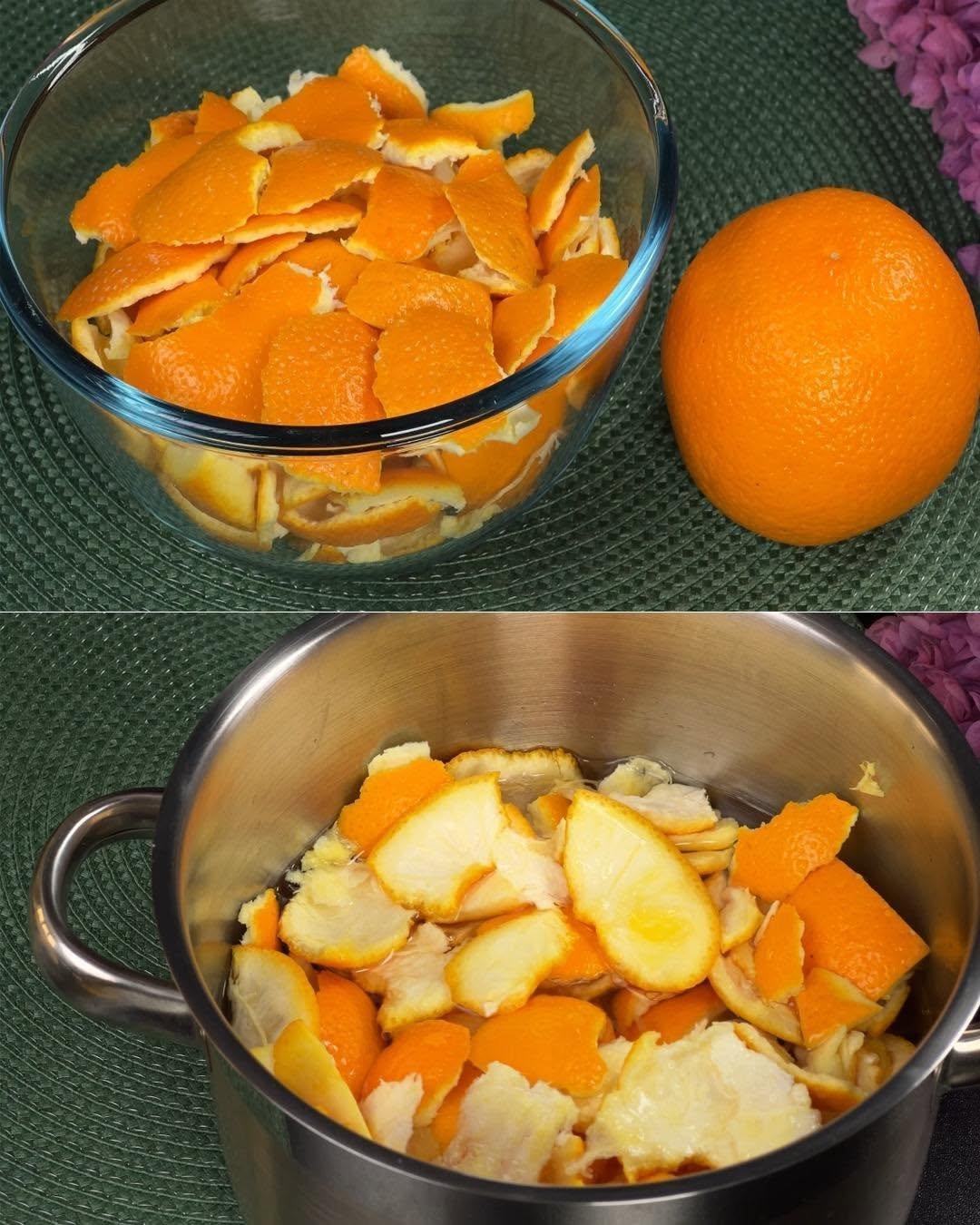
Most people peel an orange and immediately throw the skin away, but orange peel contains several valuable plant compounds that deserve more attention. The peel is rich in flavonoids such as hesperidin, along with pectin, carotenoids, phenolic compounds, and aromatic oils. In fact, research reviews suggest citrus peels can contain higher concentrations of certain polyphenols than the edible portion of the fruit. These compounds have antioxidant properties and are being studied for their possible roles in supporting digestive and cardiometabolic health. A 2026 review examining 84 studies and 14 completed clinical trials found promising evidence for orange-peel-derived ingredients, including potential effects on gut microbiota, post-meal blood sugar, blood lipids, blood pressure, and inflammation. However, the researchers emphasized that much of the evidence remains based on laboratory and animal research, with human studies still limited and varied.
One reason orange peel is attracting attention is its fiber and flavonoid content. Pectin is a type of soluble fiber that can support normal digestive function, while citrus flavonoids are being investigated for their potential effects on metabolism and cardiovascular health. Orange peel also contains essential oils, including limonene, which contributes to its distinctive aroma. But this does not mean eating large amounts of peel will “detox” the body, melt away fat, prevent cancer, or cure disease. Although laboratory and preclinical studies have identified potentially interesting biological effects, researchers have not established that simply eating orange peel provides therapeutic protection against major diseases. The best way to think about orange peel is as a potentially useful food ingredient—not a miracle medicine.
If you want to use orange peel, start with small amounts and wash the orange thoroughly before zesting it. The peel can be grated into oatmeal, yogurt, salads, sauces, or homemade baked dishes, adding intense citrus flavor without requiring much. Because the peel can be bitter and difficult for some people to digest, large quantities may cause stomach discomfort. There is also concern about pesticide residues on conventionally grown citrus, so careful washing and choosing appropriately sourced fruit are sensible precautions. People with citrus allergies or digestive sensitivities should avoid it if it triggers symptoms. Disclaimer: This article is for general educational and nutritional information only and does not constitute medical diagnosis, treatment, or personalized dietary advice. Orange peel contains potentially beneficial nutrients and plant compounds, but evidence for specific disease-prevention or treatment effects is still developing. Always verify important health claims through reliable scientific sources and consult a qualified healthcare professional for individualized advice.
Leave a Reply