Category: Uncategorized

  • 25 Years Cancer-Free: The 3 Daily Habits That May Have Helped Her Stay Healthy

    25 Years Cancer-Free: The 3 Daily Habits That May Have Helped Her Stay Healthy

    A person remaining cancer-free for 25 years after treatment is certainly encouraging, but it is important not to assume that three habits alone explain the outcome. Cancer survival is influenced by many factors, including the type and stage of cancer, treatment received, genetics, overall health, and follow-up care. Still, some daily habits are consistently associated with better overall health and lower risk for several cancers. The first is regular physical activity. The American Cancer Society recommends that adults aim for 150–300 minutes of moderate activity or 75–150 minutes of vigorous activity each week. Regular movement is associated with a lower risk of several cancers and can also help maintain a healthy weight.

    The second habit is eating a predominantly healthy, plant-rich diet. This doesn’t mean following an extreme diet or relying on a “cancer-fighting” food. Instead, experts recommend regularly eating vegetables, fruits, whole grains, beans, nuts, and other nutrient-dense foods while limiting highly processed foods, sugar-sweetened beverages, and red and processed meats. The third habit is avoiding tobacco and keeping up with recommended medical care and cancer screening. Tobacco is a major preventable cause of cancer, while appropriate screening can detect certain cancers earlier, when treatment is often more successful. For someone who has previously had cancer, follow-up appointments and individualized recommendations from their oncology team are particularly important.

    The inspiring lesson from a 25-year survivor should therefore be consistency rather than a secret cure. Staying active, eating a balanced diet, avoiding tobacco, maintaining a healthy weight, protecting the skin from excessive UV exposure, and following appropriate screening or follow-up recommendations can all contribute to long-term health. These habits cannot guarantee that cancer will never return, because no lifestyle routine can eliminate cancer risk completely. If you have previously been diagnosed with cancer, don’t replace your prescribed treatment or follow-up plan with supplements, restrictive diets, or unproven natural remedies. Disclaimer: This article is for general educational and health information only and does not constitute medical diagnosis, cancer treatment, or personalized advice. A survivor’s experience cannot establish that particular habits caused their long-term remission. Always verify health claims through reliable medical sources and follow the recommendations of your qualified healthcare team.

  • The “3 Don’ts” After Eating and “4 Don’ts” Before Sleep — Simple Habits That May Support Stroke Prevention

    The “3 Don’ts” After Eating and “4 Don’ts” Before Sleep — Simple Habits That May Support Stroke Prevention

    There is no scientifically proven set of “3 don’ts after eating” that directly prevents stroke, but several everyday habits can support the factors that strongly influence stroke risk. After meals, avoid making very heavy, high-sodium, highly processed foods a regular habit, because excess sodium can raise blood pressure, one of the most important controllable stroke-risk factors. Second, don’t immediately turn every meal into prolonged inactivity—regular physical activity throughout the week is associated with lower stroke risk, although people with medical conditions should choose exercise appropriate for their health. Third, don’t routinely consume excessive sugary or alcoholic drinks with meals. Instead, build meals around vegetables, fruits, whole grains, healthy protein sources, and healthier fats. These habits are not magic protections against stroke, but they can contribute to healthier blood pressure, weight, cholesterol, and blood-sugar levels over time.

    Before sleep, there are also four habits worth avoiding if you want to support cardiovascular and brain health. First, don’t regularly sacrifice sleep for late-night work, entertainment, or scrolling; adults generally benefit from about seven to nine hours of sleep, and poor sleep is associated with important cardiovascular risk factors. Second, avoid large or heavy meals immediately before bed, particularly if they interfere with your sleep or cause reflux. The American Stroke Association suggests planning dinner around three hours before bedtime when possible. Third, avoid excessive caffeine late in the day if it disrupts your sleep. Fourth, don’t use alcohol as a sleep aid—although it may make you feel sleepy initially, it can produce more restless sleep. Keeping a consistent bedtime and wake-up schedule, creating a relaxing nighttime routine, and limiting electronic distractions can make healthy sleep easier to maintain.

    The bigger picture is that stroke prevention depends on long-term risk-factor management, not one particular bedtime or post-meal rule. Keeping blood pressure under control, not smoking, staying physically active, maintaining a healthy weight, eating a balanced diet, managing conditions such as diabetes or atrial fibrillation, and taking prescribed medications correctly can substantially reduce risk. The American Stroke Association identifies high blood pressure as the leading controllable risk factor for stroke. And remember: lifestyle habits cannot prevent every stroke. If someone suddenly develops facial drooping, weakness or numbness on one side, difficulty speaking, sudden vision problems, severe dizziness, or trouble walking, treat it as a medical emergency rather than waiting for the symptoms to pass. Disclaimer: This article is for general educational and health information only and does not constitute medical diagnosis, treatment, or personalized medical advice. The “3 don’ts” and “4 don’ts” are practical lifestyle suggestions, not guaranteed stroke-prevention rules. Always verify important health information through reliable medical sources and consult a qualified healthcare professional about your individual stroke risk.

  • Can One Daily Smoothie Really Improve Blurred Vision and Memory? Here’s What You Should Know

    Can One Daily Smoothie Really Improve Blurred Vision and Memory? Here’s What You Should Know

    Stories about a single “natural” smoothie eliminating blurred vision and poor memory can sound convincing, but there is no scientifically established smoothie that can reliably cure both problems. Blurred vision at around age 45 can have many causes, including refractive changes such as presbyopia, which commonly begins after age 45, as well as cataracts, glaucoma, diabetic eye disease, and other conditions. Memory problems can likewise have many possible causes, including inadequate sleep, stress, medications, nutritional deficiencies, and medical or neurological conditions. A nutritious smoothie containing fruits, vegetables, nuts, seeds, or yogurt can contribute vitamins, minerals, fiber, and other beneficial nutrients, but improving overall nutrition is very different from proving that one particular recipe can reverse a medical condition.

    There is good reason to include nutrient-rich foods in a balanced diet, especially foods containing leafy greens, colorful fruits and vegetables, nuts, seeds, and other minimally processed ingredients. These foods provide nutrients and plant compounds that support normal body function. However, claims that one glass per day can “naturally eliminate” blurred vision or memory loss go beyond what the evidence supports. The National Eye Institute emphasizes that blurred vision can result from different eye conditions and that an eye examination is important when vision becomes unclear. Some eye diseases may have few or no early symptoms, meaning relying on a drink instead of an examination could delay appropriate treatment. If memory changes are persistent, worsening, or interfering with everyday activities, they also deserve proper medical evaluation rather than being attributed automatically to diet.

    A smoothie can certainly be part of a healthy routine, but it should complement—not replace—professional care. If blurred vision appeared suddenly, is getting worse, or occurs with flashes, many new floaters, a dark curtain or shadow, severe eye pain, redness, or nausea, urgent eye care may be necessary because conditions such as retinal detachment or acute angle-closure glaucoma can threaten vision. For ongoing memory concerns, speak with a healthcare professional who can look for potentially treatable causes. Disclaimer: This article is for general educational and nutritional information only and does not constitute medical diagnosis, treatment, or personalized advice. A smoothie may support a nutritious diet, but there is no reliable evidence that one daily smoothie can universally eliminate blurred vision or memory problems. Always verify health claims through reliable scientific sources and consult a qualified healthcare professional about persistent, worsening, or sudden symptoms.

  • 6 Groups of People Who Should Consult a Doctor Before Drinking Coconut Water

    6 Groups of People Who Should Consult a Doctor Before Drinking Coconut Water

    Coconut water is a refreshing source of fluids and electrolytes, but it is not automatically suitable for everyone. Because it contains a meaningful amount of potassium, certain people should check with a healthcare professional before drinking it regularly or in large quantities. The first group is people with chronic kidney disease or reduced kidney function. Healthy kidneys normally remove excess potassium, but impaired kidneys may struggle to maintain a safe potassium balance. (kidney.org) The second group includes people who have previously been diagnosed with high blood potassium (hyperkalemia). Too much potassium can cause muscle weakness and potentially dangerous heart-rhythm problems. (kidney.org) The third group is people taking certain potassium-raising medications, including some blood-pressure and heart medicines. Rather than stopping medication, they should ask their doctor whether coconut water fits safely into their diet. (kidney.org)

    The fourth group is people with heart failure or other cardiovascular conditions associated with potassium imbalance. Heart disease itself can increase the risk of abnormal potassium levels, particularly when kidney function or medications are also involved. (clevelandclinic.org) Fifth are people with diabetes, particularly those who also have kidney problems. Diabetes can contribute to kidney damage and may increase the risk of potassium abnormalities. (kidney.org) Sixth are people who have been told to follow a potassium-restricted diet or a fluid-restricted diet, including some people receiving dialysis. Coconut water is specifically listed by the National Kidney Foundation as a high-potassium beverage that people with kidney disease may need to limit depending on their individual laboratory results and treatment plan. (kidney.org)

    For healthy people without potassium or fluid restrictions, coconut water can generally be enjoyed as part of a balanced diet, and choosing 100% coconut water without added sugar is a sensible option. (clevelandclinic.org) The important point is that more is not necessarily better: individual potassium and fluid requirements depend on kidney function, medications, medical conditions, and blood-test results. If you have kidney disease, high potassium, heart disease, diabetes with kidney involvement, or have been advised to restrict potassium or fluids, speak with your doctor or dietitian before making coconut water a regular drink. Disclaimer: This article is for general educational and nutritional information only and does not constitute medical diagnosis, treatment, or personalized dietary advice. Coconut water can be nutritious for many people, but its potassium content may be inappropriate for certain medical conditions. Always verify important health information through reliable medical sources and consult a qualified healthcare professional before making significant dietary changes.

  • Not Everyone Should Eat Onions: Here’s Who Needs to Be Careful

    Not Everyone Should Eat Onions: Here’s Who Needs to Be Careful

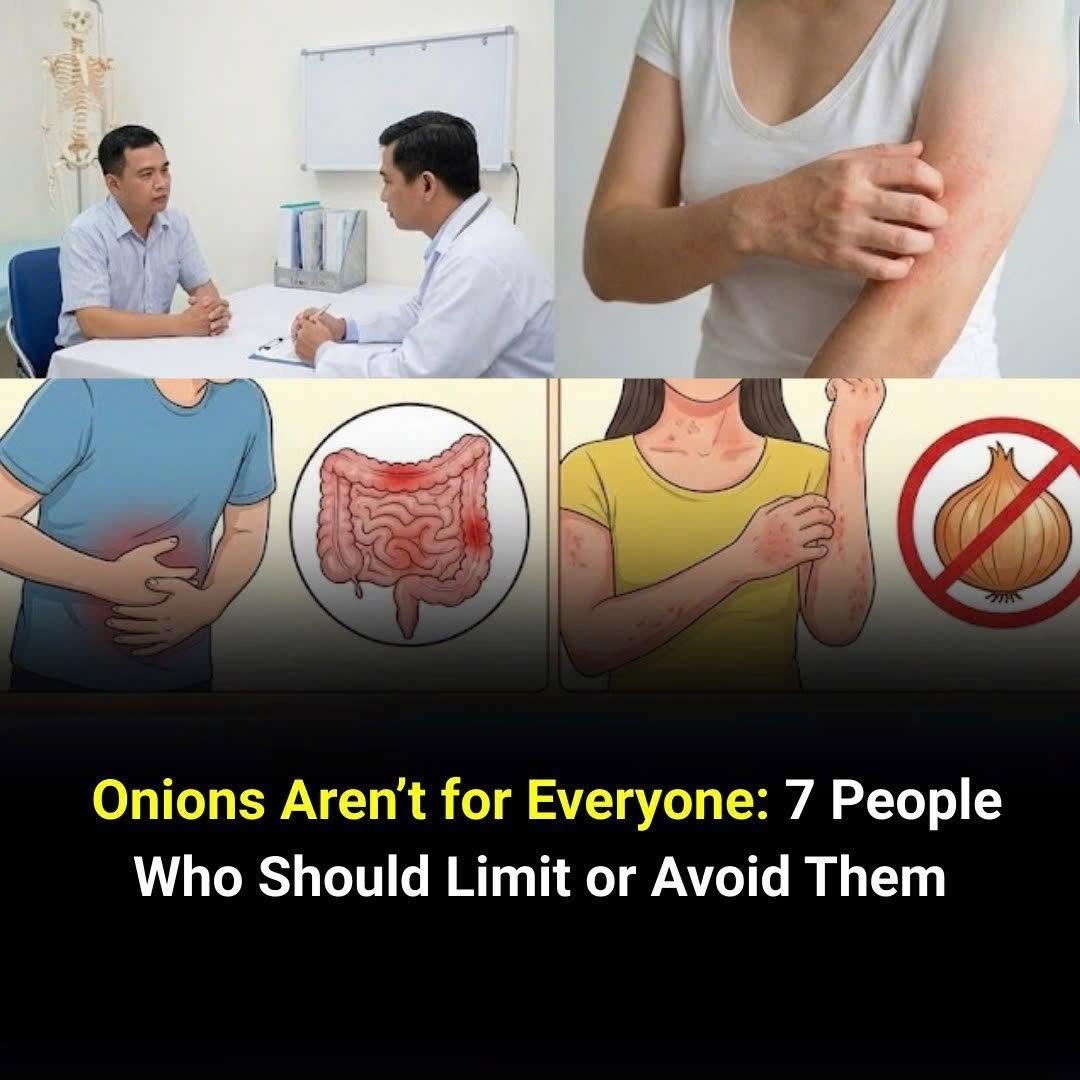
    Onions are nutritious and can be part of a healthy diet, but some people may experience unpleasant symptoms after eating them. One of the main groups that needs to be careful is people with irritable bowel syndrome (IBS). Onions are high in FODMAPs, particularly fructans—carbohydrates that can be poorly absorbed and fermented in the gut. In sensitive people, this may contribute to bloating, abdominal pain, gas, diarrhea, or constipation. Importantly, most people can eat high-FODMAP foods without problems, so onions are not automatically “bad” for everyone. A low-FODMAP diet is generally intended as a temporary, structured process for identifying personal triggers rather than a permanent diet.

    People who frequently experience heartburn or acid reflux may also want to observe whether onions trigger their symptoms. Research has found that raw onion can aggravate reflux symptoms in people who already experience heartburn, although this does not happen to everyone. Some individuals may also have an onion allergy or intolerance, which can produce symptoms ranging from digestive discomfort to allergic reactions. If eating onions repeatedly causes swelling, hives, wheezing, vomiting, or difficulty breathing, stop eating them and seek appropriate medical care. For people following a medically supervised low-FODMAP plan, alternatives such as chives or the green tops of spring onions may provide onion-like flavor with a different FODMAP profile.

    The key point is that you do not need to avoid onions simply because someone online says they are harmful. If onions consistently cause symptoms, keeping a food-and-symptom record can help identify patterns, while a doctor or registered dietitian can help determine whether IBS, reflux, food intolerance, or another condition may be involved. Avoiding many foods unnecessarily can make it harder to maintain a balanced diet, which is why restrictive diets should ideally be guided by a healthcare professional. Disclaimer: This article is for general educational and nutritional information only and does not constitute medical diagnosis, treatment, or personalized dietary advice. Onions are generally safe and nutritious for most people, but individual tolerance varies. Always verify important health information through reliable medical sources and consult a qualified healthcare professional about persistent, severe, or unexplained symptoms.

  • Very Few People Know About This Information — But It Could Matter for Your Health

    Very Few People Know About This Information — But It Could Matter for Your Health

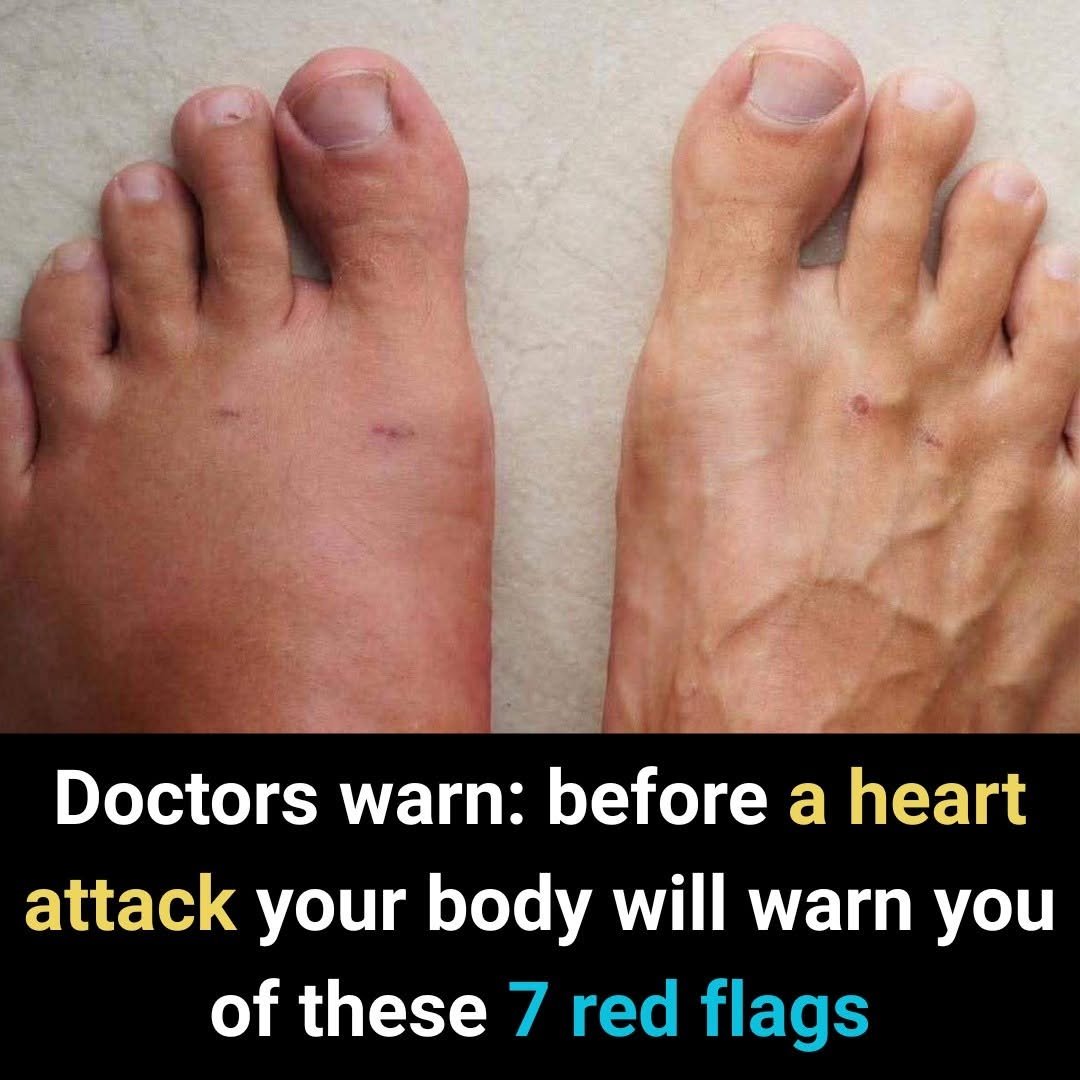
    One of the most overlooked facts about health is that some important conditions can develop quietly before obvious symptoms appear. High blood pressure is a classic example: it often produces no noticeable warning signs, yet it is an important risk factor for heart disease and stroke. Kidney disease can also remain unnoticed for years; CDC surveillance data indicate that many adults with early-stage chronic kidney disease do not know they have it. This is why feeling healthy does not always mean every aspect of your health is normal. Routine medical care, appropriate screening, and knowing your personal risk factors can help identify problems earlier, when management may be easier.

    Another valuable lesson is to pay attention when something changes from your normal baseline. A new lump, unexplained weight loss, persistent digestive problems, unusual bleeding, continuing fatigue, changes in vision, or unexplained pain does not automatically mean something serious is happening. However, persistent or unusual symptoms deserve appropriate attention rather than being repeatedly ignored. The CDC similarly encourages people to recognize unusual or concerning changes and discuss them with a healthcare professional. Preventive healthcare can also include age- and risk-appropriate screenings, vaccinations, and checks such as blood pressure and cholesterol measurements. Preventive services are designed to detect or reduce health problems before they become more serious.

    The most important takeaway is simple: don’t wait until you feel seriously ill to take your health seriously. Keep track of persistent changes, maintain a balanced diet, stay physically active, avoid tobacco, get adequate sleep, and attend recommended medical checkups. If a symptom is sudden, severe, rapidly worsening, or accompanied by difficulty breathing, fainting, severe chest pain, confusion, or other emergency warning signs, seek urgent medical care rather than relying on online information. Your body does not always give dramatic warnings, and early professional evaluation can sometimes make a meaningful difference. Disclaimer: This article is for general educational and health information only and does not constitute medical diagnosis, treatment, or personalized advice. The information presented here should not be interpreted as proof that a particular symptom indicates a specific disease. Always verify important health information through reliable medical sources and consult a qualified healthcare professional about persistent or concerning changes.

  • The Body Rarely Goes Silent Before the End — 6 Warning Signs That Deserve Attention

    The Body Rarely Goes Silent Before the End — 6 Warning Signs That Deserve Attention

    There is no reliable set of symptoms that can predict death a year in advance, and alarming claims that the body always provides six specific warnings before the end are misleading. However, people with serious or advanced illnesses can develop changes in health that deserve medical attention. Six possible warning signs of significant illness include unexplained weight loss, persistent fatigue or weakness, declining appetite, increasing difficulty performing everyday activities, repeated infections or hospitalizations, and new or worsening breathing problems. These symptoms can occur in many treatable conditions and do not mean that a person is approaching the end of life. (nia.nih.gov) Their significance depends on the person’s age, medical history, underlying disease, and how rapidly the changes develop.

    As serious illness progresses, some people experience reduced appetite, increased sleep, weakness, confusion, or changes in breathing. These changes are particularly recognized during the final days or weeks of life rather than reliably appearing a year beforehand. (mariecurie.org.uk) For example, a person who is approaching the final stage of life may spend much more time sleeping, eat and drink less, become less responsive, or develop irregular breathing. (nia.nih.gov) But similar symptoms can also occur with dehydration, medication effects, infections, depression, nutritional deficiencies, heart or lung disease, and other potentially treatable problems. That is why a sudden or progressive decline should prompt medical assessment rather than a conclusion that someone is “near the end.”

    The most useful response to persistent changes is early medical evaluation, not fear. Unexplained weight loss, continuing weakness, repeated falls, worsening shortness of breath, confusion, persistent pain, or a major change in appetite or daily functioning should be discussed with a healthcare professional. If someone suddenly becomes unconscious, has severe difficulty breathing, experiences chest pain, or develops other life-threatening symptoms, emergency medical care is appropriate. For people already living with a serious illness, palliative-care professionals can also help manage symptoms and improve comfort at any stage of the illness—not only during the final days. (nia.nih.gov) Disclaimer: This article is for general educational information only and does not constitute medical diagnosis, prognosis, or personalized advice. There is no scientifically reliable checklist that can predict death one year in advance. Always verify health claims through reliable medical sources and consult a qualified healthcare professional about significant or unexplained changes in health.

  • 4 Warning Signs Every Parent Should Understand to Help Protect Their Children

    4 Warning Signs Every Parent Should Understand to Help Protect Their Children

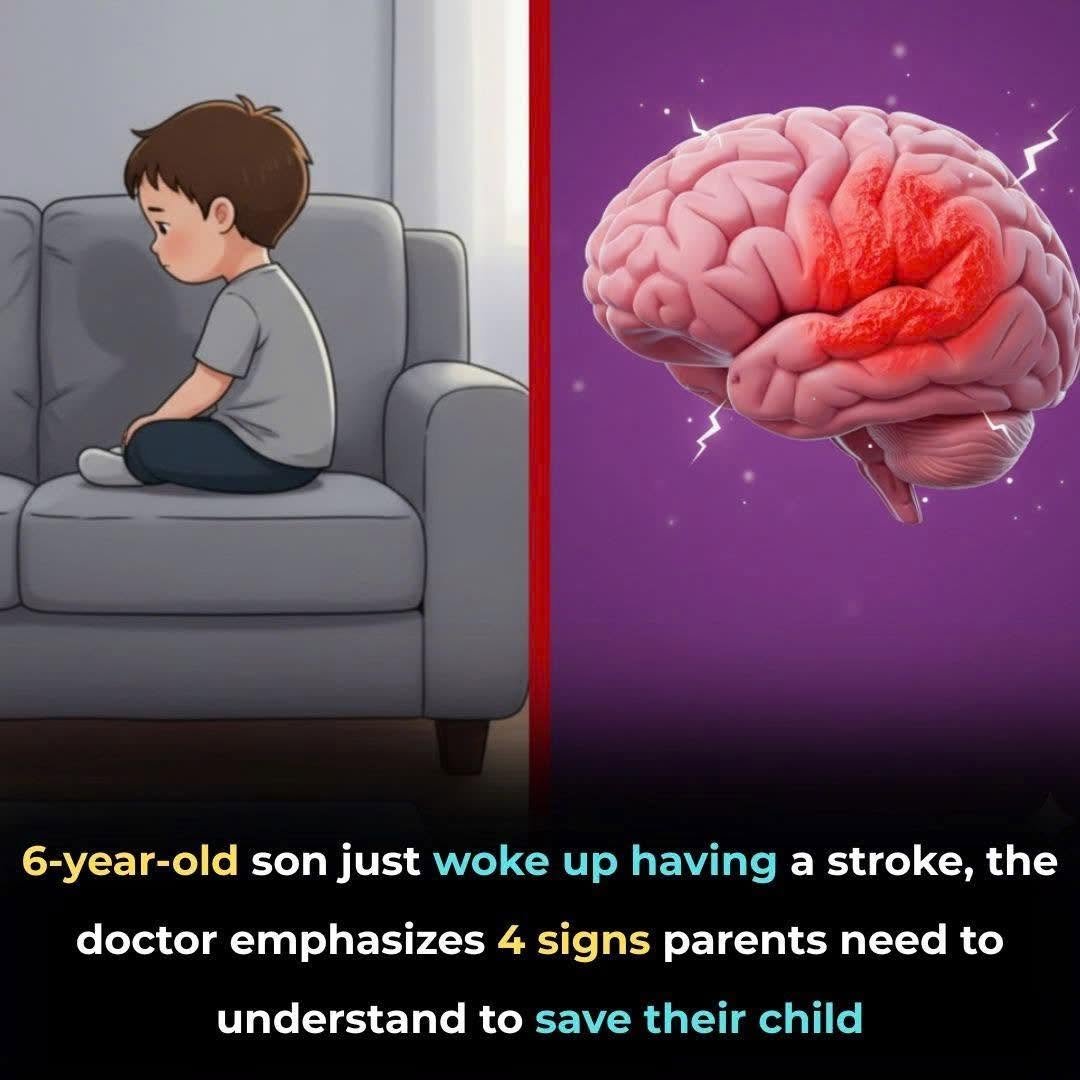
    Parents do not need to diagnose every illness, but recognizing serious warning signs early can sometimes make a critical difference. Four signs deserve particular attention: 1) difficulty breathing, 2) unusual unresponsiveness or extreme sleepiness, 3) seizures, and 4) signs of severe dehydration. A child who is struggling to breathe, breathing very rapidly, has the skin pulling in around the ribs, or develops blue, gray, or purple lips or face needs urgent emergency assessment. (healthychildren.org) Likewise, a child who is unusually difficult to wake, becomes confused, loses consciousness, or is suddenly much less responsive should not simply be allowed to “sleep it off.” These symptoms can occur with serious infections, injuries, breathing problems, or other emergencies and require prompt medical evaluation.

    A seizure is another sign parents should know how to respond to calmly. During a seizure, keep the child in a safe area, turn them onto their side if possible, remove nearby hard or sharp objects, and time how long the episode lasts. Do not restrain the child and do not put anything in their mouth. (healthychildren.org) Emergency help is especially important for a child’s first seizure, a seizure lasting more than five minutes, repeated seizures without recovery between them, breathing difficulty, an injury during the seizure, or failure to wake afterward. (healthychildren.org) Severe dehydration is another potentially dangerous situation. Warning signs can include very little or no urine, a very dry mouth, absence of tears when crying, unusual sleepiness or weakness, and inability to drink or keep fluids down. (healthychildren.org)

    The key is to trust significant changes in your child’s normal behavior and condition. A child who suddenly looks very ill, has severe pain, develops a rapidly spreading purple or red rash, vomits blood, suffers a serious head injury, or cannot keep fluids down may require emergency care. (healthychildren.org) Parents should not wait for every warning sign to appear before seeking help. If breathing is severely impaired, the child is unconscious or unresponsive, or you believe the situation is life-threatening, contact your local emergency medical service immediately. For less severe but concerning symptoms, contacting the child’s pediatrician can help determine the appropriate level of care. Disclaimer: This article is for general educational information only and does not constitute medical diagnosis, treatment, or personalized advice. Children’s symptoms can vary significantly with age and circumstance, and these warning signs do not identify a specific disease. Always verify important health information through reliable medical sources and seek professional medical care when a child appears seriously ill or symptoms are rapidly worsening.

  • Night Leg Cramps Can Be Painful — But They May Also Reveal Important Health Clues

    Night Leg Cramps Can Be Painful — But They May Also Reveal Important Health Clues

    Waking suddenly with a painful tightening in your calf, foot, or thigh is a classic night leg cramp, also called a nocturnal leg cramp. These episodes are common, particularly as people get older, and in many cases there is no single identifiable cause. Research suggests that muscle fatigue and nerve dysfunction may play a role. Although dehydration or mineral deficiencies are often blamed online, evidence does not show that ordinary nocturnal leg cramps are usually caused by electrolyte abnormalities. Still, recurring cramps can sometimes occur alongside conditions involving blood flow, nerve damage, kidney disease, liver disease, diabetes, or other medical problems. Certain medications may also contribute, so frequent cramps are worth discussing with a healthcare professional rather than automatically assuming you need a supplement.

    The pattern of the cramp and accompanying symptoms can provide important clues. A sudden, intensely painful muscle tightening that occurs during sleep is typical of a nocturnal leg cramp. By contrast, restless legs syndrome usually causes an uncomfortable urge to move the legs rather than a sudden, painful muscle contraction. If cramps are accompanied by persistent numbness, tingling, weakness, swelling, changes in skin color, or pain that continues after the cramp ends, another condition may need to be considered. People taking certain medications—particularly some drugs that increase urination or medications affecting blood pressure—may also experience cramps, although the relationship can vary. A doctor can review your symptoms, medications, medical history, and physical examination to determine whether further testing is appropriate.

    During an episode, gently stretching the affected muscle and massaging it may help relieve the contraction. Regular calf stretching and appropriate physical activity may also help some people, although evidence for preventive treatments is limited. Avoid taking large doses of magnesium, potassium, calcium, or other supplements simply because you experience cramps; magnesium has not consistently been shown to help ordinary nocturnal leg cramps, and unnecessary supplementation can have risks. See a healthcare professional if cramps occur frequently, severely disrupt your sleep, or are accompanied by weakness, numbness, swelling, or persistent pain. Disclaimer: This article is for general educational and health information only and does not constitute medical diagnosis, treatment, or personalized advice. Most night leg cramps are not caused by a dangerous disease, but persistent or unusual symptoms should be evaluated by a qualified healthcare professional. Always verify important health information through reliable medical sources.

  • What Happens to Your Body When You Sleep on Your Left Side?

    What Happens to Your Body When You Sleep on Your Left Side?

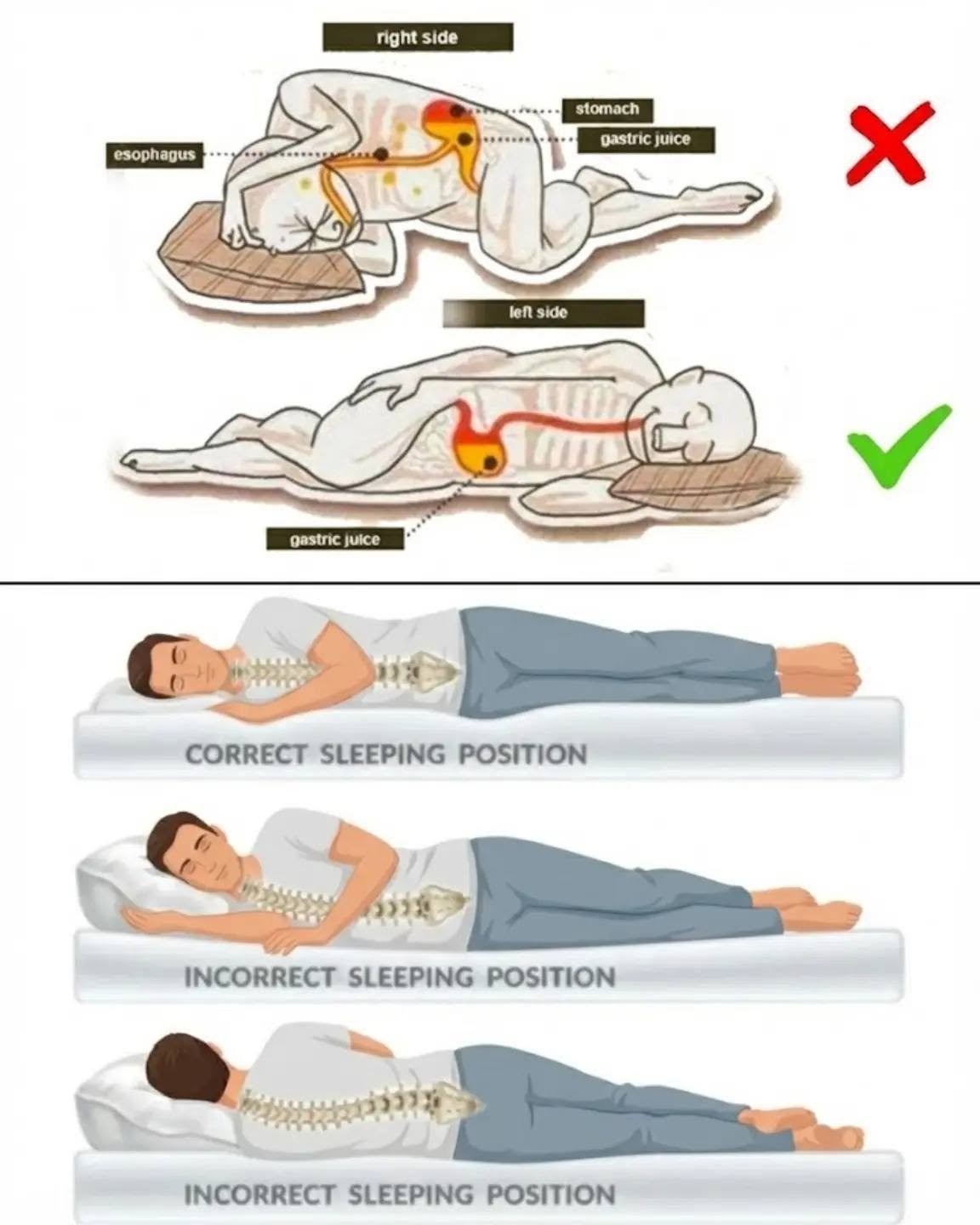
    Sleeping on your left side is generally safe and comfortable for many people, and it may offer some specific advantages depending on your health and sleep habits. One of the best-known potential benefits involves acid reflux. Because of the position of the stomach and esophagus, lying on the left side may reduce nighttime reflux for some people compared with lying on the right side. (pubmed.ncbi.nlm.nih.gov) This can be particularly helpful for people who experience heartburn after meals or when lying down. Side sleeping can also help keep the upper airway more open than sleeping flat on the back in some people, potentially reducing snoring and symptoms of obstructive sleep apnea. However, sleep position alone is not a treatment for sleep apnea, and persistent loud snoring, gasping, or breathing pauses should be medically evaluated. (mayoclinic.org)

    For pregnancy, side sleeping is often recommended, particularly later in pregnancy. The American College of Obstetricians and Gynecologists notes that sleeping on either side is generally appropriate, while pillows can be used to support the abdomen, knees, or back for comfort. (acog.org) Although the left side has traditionally received special attention, current guidance does not require pregnant people to remain exclusively on the left side all night. For most adults who are not pregnant, there is no strong evidence that sleeping on the left side is universally healthier than sleeping on the right. Your comfort, medical conditions, and ability to maintain good-quality sleep are more important than forcing yourself into a particular position.

    There can also be drawbacks. Sleeping on one side for long periods may put pressure on the shoulder, hip, or jaw, potentially causing stiffness or discomfort. A supportive pillow that keeps your neck aligned with your spine and another pillow between the knees can make side sleeping more comfortable. People with certain shoulder or musculoskeletal problems may find one side more comfortable than the other. If left-side sleeping consistently causes chest discomfort, severe shortness of breath, significant pain, dizziness, or other concerning symptoms, don’t assume the sleeping position is responsible—seek medical advice. Disclaimer: This article is for general educational and health information only and does not constitute medical diagnosis, treatment, or personalized medical advice. Left-side sleeping is not a cure for reflux, sleep apnea, or other conditions, and individual recommendations may vary. Always verify health information through reliable medical sources and consult a qualified healthcare professional about persistent or concerning symptoms.