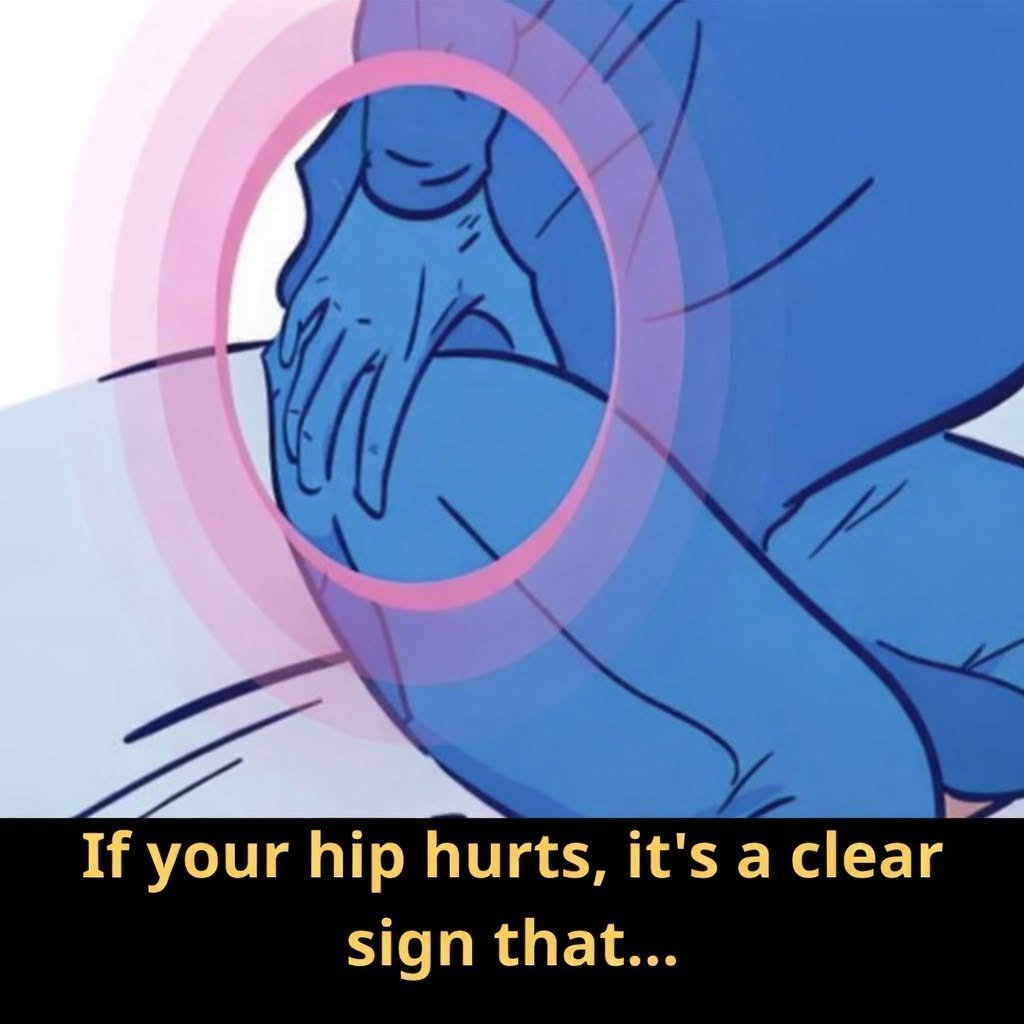
Hip pain is common, but it is not a clear sign of one specific disease. Several different problems can cause discomfort around the hip, groin, buttock, or upper thigh. In adults over about 45, osteoarthritis is a common possibility, particularly when pain becomes worse with walking or activity and the joint feels stiff after sitting or resting. (nhs.uk) Other causes include muscle or tendon strains, bursitis, injuries, inflammatory arthritis, and pain referred from the lower back. (nhs.uk) Pain on the outside of the hip that becomes worse when lying on that side can occur with bursitis or other soft-tissue problems, while pain traveling down the leg may sometimes originate from the back rather than the hip itself. (myhealth-devon.nhs.uk)
The pattern of your pain matters. Pain that develops after intense or repetitive exercise may suggest a strain or tendon problem, while gradual pain and stiffness with activity can occur with osteoarthritis. A hot, swollen hip accompanied by fever or feeling unwell is more concerning because a joint infection can require urgent treatment. (nhs.uk) Persistent pain at night, unexplained weight loss, or pain in someone with a history of cancer are also reasons to seek medical assessment rather than assuming the problem is ordinary arthritis. (nhs.uk) Importantly, the location of pain alone cannot establish the diagnosis; a healthcare professional may need to examine your movement, muscles, nerves, and joints and decide whether tests or imaging are appropriate.
Don’t ignore severe or rapidly worsening hip pain, especially if it follows a fall or injury. Emergency assessment is recommended if you cannot walk or put weight on the leg after an injury, while sudden severe pain without an injury, a hot or swollen hip, or fever with hip pain warrants urgent medical attention. (nhs.uk) For milder pain, avoiding activities that aggravate it while maintaining gentle movement may help, and persistent symptoms should be evaluated if they do not improve. The important message is that hip pain is a symptom, not a diagnosis—and finding its actual cause is the best way to choose appropriate treatment. Disclaimer: This article is for general educational and health information only and does not constitute medical diagnosis, treatment, or personalized advice. Hip pain has many possible causes, and the information above cannot determine what is causing your symptoms. Always verify important health information through reliable medical sources and consult a qualified healthcare professional about persistent, severe, or unusual hip pain.