Category: Uncategorized

  • Demystifying Social Media Psychology: The Science of Aging and Life Satisfaction

    Demystifying Social Media Psychology: The Science of Aging and Life Satisfaction

    Viral social media graphics proclaiming that “the toughest stage of life comes between ages 70 and 75” rely on dramatic listicle formatting to manufacture anxiety and drive engagement. These clickbait posts oversimplify complex psychological, physiological, and social dynamics into broad generalizations. While entering the eighth decade of life brings distinct health and lifestyle shifts, developmental psychology and demographic research demonstrate that overall life satisfaction often follows a nuanced pattern rather than a universal decline at a specific age.

    Key Dynamics Associated with Aging in the 70s

    • Transition in Physical Mobility: Natural changes in muscle density, joint flexibility, and energy levels often require individuals in their early 70s to adjust their physical activity routines and focus on mobility maintenance.
    • Shifts in Social Networks: Entering full retirement and navigating the loss of lifelong peers or career identity can require intentional effort to build new community connections and maintain fulfilling social engagement.
    • Managing Chronic Health Conditions: The early 70s commonly mark a period where preventative healthcare shifts toward managing age-related health conditions, requiring structured routine care and proactive wellness habits.

    The U-Curve of Happiness and Healthy Aging

    Contrary to alarming social media claims, global psychological studies—including research on the “U-curve of life satisfaction”—frequently show that subjective well-being increases in older adulthood. Many individuals in their 70s report higher emotional stability, reduced stress, and a deeper appreciation for daily life compared to their younger, higher-stress working years. Prioritizing regular physical activity, cognitive stimulation, balanced nutrition, and strong social ties allows older adults to navigate life transitions smoothly and maintain an exceptional quality of life.
  • Demystifying Peripheral Edema: Causes, Ankle Swelling, and Health Myths

    Demystifying Peripheral Edema: Causes, Ankle Swelling, and Health Myths

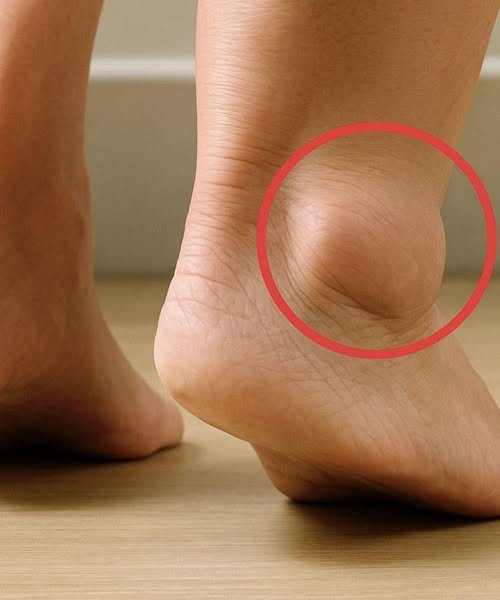
    Viral social media clickbait often uses incomplete, frightening headlines like “If you notice your legs are swollen, that’s a sign of ca…” accompanied by a red circle to suggest an impending cancer diagnosis or acute emergency. In medical reality, swelling in the lower legs, ankles, and feet—known clinically as peripheral edema—is an extremely common physiological response caused by fluid retention in the bodily tissues. While severe underlying conditions do exist, the vast majority of swollen ankles stem from everyday, treatable lifestyle factors rather than terminal disease.

    Common Reasons for Lower Leg and Ankle Swelling

    • Gravity and Extended Immobility: Sitting or standing for prolonged periods—such as during long flights, desk work, or extended shifts—causes fluid to pool naturally in the lower extremities due to gravity and reduced muscle contractions.
    • Venous Insufficiency and Vascular Health: Weakened valves in the leg veins struggle to pump blood efficiently back toward the heart, leading to fluid accumulation, varicose veins, or localized pressure in the feet and ankles.
    • Dietary Sodium and Medication Side Effects: High dietary salt intake causes the body to retain excess water, while common prescription medications—including blood pressure drugs (calcium channel blockers), NSAIDs, and corticosteroids—frequently induce mild edema.

    When Medical Evaluation is Warranted

    While occasional swelling after a long day is benign, chronic or severe swelling should be evaluated by a healthcare professional to check cardiovascular, liver, or kidney function. Immediate medical attention is necessary if swelling appears suddenly in only one leg accompanied by pain, warmth, or redness, as this can indicate a deep vein thrombosis (DVT) blood clot. Likewise, fluid retention accompanied by shortness of breath or chest discomfort requires prompt emergency care.

  • Understanding Vascular Prominence: Anatomy, Aging, and Fitness

    Understanding Vascular Prominence: Anatomy, Aging, and Fitness

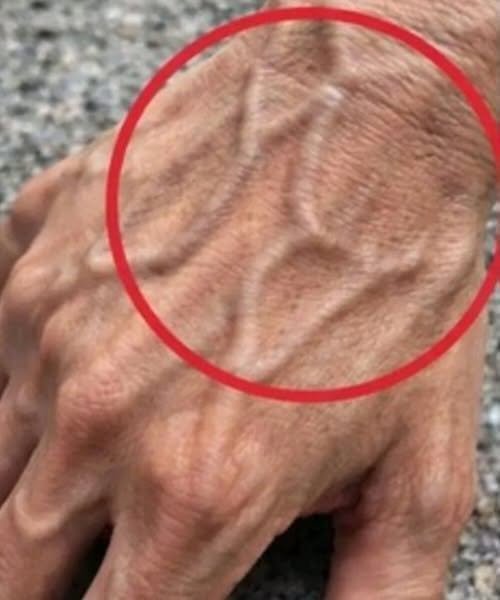
    Sensational headlines claiming that highly visible or bulging veins are a direct indicator of underlying disease, severe dehydration, or mystical traits often circulate online to stir alarm. Prominent veins—particularly on the backs of the hands and forearms—are an extremely common anatomical feature seen across millions of healthy individuals. Rather than signaling a medical emergency, visible veins are typically the result of normal human vascular physiology, skin thickness, body composition, and routine physical activity.

    Primary Factors Behind Visible Veins

    • Low Body Fat Percentage and Vascularity: Individuals with lower levels of subcutaneous fat have less tissue padding covering their superficial veins, making the natural blood vessel network far more visible against the skin.
    • Natural Aging and Skin Changes: As the body ages, skin naturally loses elasticity, collagen, and subcutaneous fat. This thinning process causes standard superficial veins to appear larger and more pronounced on the hands and limbs.
    • Exercise, Heat, and Blood Flow: Physical exertion and warm temperatures cause blood pressure and circulation to increase. Arteries pump more blood into working muscles, causing nearby veins to dilate (vasodilation) and push closer to the skin surface to assist with thermoregulation.

    When Prominent Veins Warrant Evaluation

    While visible veins on the hands and arms are typically benign, sudden changes in vascular appearance warrant attention under specific circumstances. If bulging veins are accompanied by persistent pain, swelling, warmth, skin discoloration, or hard nodules along the vessel wall, it may indicate localized inflammation, varicose conditions, or a superficial blood clot (phlebitis). In the absence of symptoms like pain or swelling, prominent veins simply reflect standard human anatomy and healthy vascular circulation.

  • Demystifying Circular Skin Lesions: Ringworm, Psoriasis, and Eczema

    Demystifying Circular Skin Lesions: Ringworm, Psoriasis, and Eczema

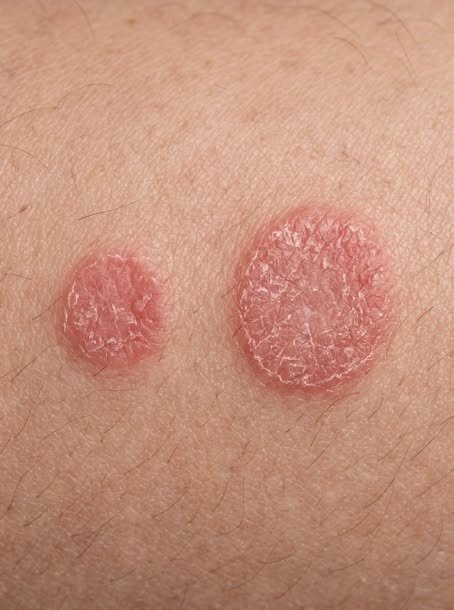
    Sensationalist health posts online often display close-up images of circular skin patches alongside alarming warnings to induce panic and drive clicks. While encountering unexpected skin changes warrants attention, round, raised, or scaly lesions are exceptionally common dermatological presentations that typically stem from manageable, non-life-threatening conditions. The image displays classic circular, erythematous (reddened), and slightly scaly plaques on the skin, which are most frequently associated with superficial fungal infections or inflammatory skin conditions rather than medical emergencies.

    Common Causes of Ring-Shaped and Scaly Skin Patches

    • Tinea Corporis (Ringworm): Despite its misleading name, ringworm is caused by a common microscopic fungus (dermatophyte), not a worm. It typically presents as a circular, red, itchy rash with raised or scaly edges and slightly clearer skin in the center, spreading easily through direct skin-to-skin contact or shared personal items.
    • Nummular Eczema (Discoid Eczema): This non-contagious inflammatory condition causes coin-shaped, dry, scaly, or crusted patches that can be intensely itchy. It is frequently triggered by dry skin, environmental irritants, or severe skin allergies.
    • Plaque Psoriasis or Pityriasis Rosea: Autoimmune or post-viral inflammatory conditions can manifest as well-defined, rounded red patches covered with silvery or fine scales, commonly appearing on the limbs, chest, or back.

    Proper Diagnosis and Treatment Approaches

    Attempting to self-diagnose complex skin lesions using sensationalized social media graphics can lead to improper treatment, such as applying over-the-counter hydrocortisone to a fungal infection, which can actually worsen ringworm. Fungal infections generally respond well to topical antifungal creams, while inflammatory dermatoses like eczema or psoriasis require targeted moisturizers or prescription corticosteroids. Seeking guidance from a healthcare provider ensures an accurate diagnosis and an effective, safe treatment plan.

  • Identifying Vintage Kitchenware: The Presto Wire Cheese Slicer

    Identifying Vintage Kitchenware: The Presto Wire Cheese Slicer

    Despite sensational social media captions claiming this tool is an unsolved mystery, the object pictured is a classic, handheld wire cheese slicer manufactured under the “Presto” brand name. A ubiquitous household kitchen utensil throughout the mid-to-late 20th century, this tool was specially engineered to slice clean, uniform portions from blocks of semi-firm to hard cheeses without crushing or sticking to the block.

    Key Design Features and Mechanics

    • Taut Slicing Wire: Stretched tightly across the top frame is a thin, high-tensile stainless steel wire. Because wire creates far less surface friction than a thick knife blade, it glides effortlessly through dense cheeses like cheddar, gouda, or Swiss without tearing or clogging.
    • Guiding Roller Bar: Positioned directly below the wire is a smooth, rotating metal or plastic roller bar. Resting the roller flat against the top of the cheese block stabilizes the hand during the pulling motion, ensuring a straight cut and consistent slice thickness.
    • Ergonomic Handle and Frame: Cast in solid aluminum or lightweight metal alloy, the central handle provides a firm grip while keeping fingers safely clear of the cutting line, offering excellent control for repetitive kitchen prep.

    The Practical Legacy of Classic Culinary Tools

    Understanding the functional design of everyday utensils highlights how industrial design simplified routine food preparation long before electric slicers became common. The Presto wire cheese slicer remains a staple design that is still produced and used worldwide today. Recognizing these classic kitchen gadgets quickly neutralizes sensationalized online claims, showcasing the simple, enduring brilliance of mid-century kitchen engineering.

  • Debunking Viral Hydration Myths: The Real Physiological Effects of Morning Water

    Debunking Viral Hydration Myths: The Real Physiological Effects of Morning Water

    Viral social media graphics pair medical diagrams of heart attacks, blood clots, and arterial plaque with sensationalized headlines to falsely claim that drinking water on an empty stomach triggers cardiovascular events. These alarming posts rely on fear-mongering to generate shares, distorting basic human biology. In reality, medical research and cardiology consensus confirm that drinking water immediately after waking up is not only completely safe, but highly beneficial for cardiovascular, metabolic, and digestive health.

    Proven Health Benefits of Morning Hydration

    • Rehydration and Blood Circulation: After several hours of sleep without fluid intake, the body experiences mild dehydration, which slightly thickens blood plasma. Drinking water upon waking rehydrates the vascular system, facilitating smoother blood flow and easing workload on the heart.
    • Metabolic and Digestive Kick-Start: Ingesting water on an empty stomach activates the gastrocolic reflex, helping stimulate bowel motility and preparing the digestive tract for nutrient absorption throughout the day.
    • Cognitive and Physical Performance: Morning hydration helps flush out metabolic waste, restore cellular fluid balance, and mitigate early morning fatigue, headaches, or sluggishness caused by overnight fluid loss.

    Cardiovascular Reality vs. Clickbait Falsehoods

    Heart attacks (myocardial infarctions) are primarily caused by coronary artery disease—specifically the buildup of cholesterol plaque that ruptures and forms a blood clot, blocking oxygenated blood flow to the heart muscle. Drinking plain water does not cause arterial inflammation, plaque buildup, or sudden clot formation. Misleading graphics hijack legitimate anatomical diagrams to manufacture health panics, whereas maintaining optimal daily hydration is actually a core recommendation for supporting overall cardiovascular health and stable blood pressure.

  • Debunking Viral Health Warnings: The Real Impact of Boiled Eggs on Human Health

    Debunking Viral Health Warnings: The Real Impact of Boiled Eggs on Human Health

    Sensationalist health headlines frequently employ dramatic, incomplete prompts like “Doctors reveal that eating boiled eggs causes…” to trigger fear, induce anxiety, or lure readers into clicking suspicious links. These viral tropes rely on selective science or outright fabrication to portray ordinary whole foods as sudden health hazards. In reality, medical research consistently demonstrates that hard-boiled eggs are one of the most nutrient-dense, economical, and wholesome sources of essential vitamins and protein available in a balanced daily diet.

    Actual Physiological Effects of Eating Boiled Eggs

    • Enhanced Muscle Maintenance and Satiety: Packed with roughly six grams of high-biological-value protein per egg, hard-boiled eggs stimulate muscle repair and increase fullness hormones like peptide YY, helping regulate appetite throughout the day.
    • Brain and Eye Health Support: Yolks contain rich amounts of choline—a vital nutrient for cognitive function and neurotransmitter synthesis—along with lutein and zeaxanthin, powerful antioxidants that accumulate in the retina to protect against age-related macular degeneration.
    • Cholesterol Nuance: While egg yolks contain dietary cholesterol, extensive cardiovascular research shows that for the vast majority of healthy individuals, dietary cholesterol has a minimal impact on blood cholesterol levels compared to saturated and trans fats.

    Identifying and Countering Clickbait Nutrition Myths

    Relying on incomplete social media graphics for dietary guidance often leads to unnecessary food anxiety and the elimination of beneficial whole foods. Evidence-based nutrition focuses on overall dietary patterns rather than isolating single ingredients. Unless an individual has a diagnosed egg allergy or specific clinical restrictions prescribed by a physician, incorporating hard-boiled eggs into a balanced diet offers substantial metabolic, cognitive, and nutritional benefits.

  • Demystifying Early Morning Awakenings: Physiology vs. Supernatural Myths

    Demystifying Early Morning Awakenings: Physiology vs. Supernatural Myths

    Viral social media graphics depicting glowing ethereal figures or spiritual phenomena often claim that waking up between 3 and 4 a.m. is a sign of supernatural visitation, psychic awakening, or external energy shifts. While these sensationalist tropes garner high engagement by appealing to curiosity, sleep medicine and human physiology provide clear, evidence-based explanations for these predictable nocturnal awakenings. Frequently waking up in the middle of the night is a biological event driven by natural sleep architecture, hormonal fluctuations, and lifestyle factors rather than mystical influences.

    Biological Factors Behind 3 to 4 A.M. Awakenings

    • Changes in Sleep Cycles: Humans sleep in 90-to-120-minute cycles that shift from deep slow-wave sleep early in the night to lighter Rapid Eye Movement (REM) sleep in the early morning hours. As deep sleep wanes around 3 or 4 a.m., people enter lighter sleep phases where minor external noises or body shifts cause brief awakenings.
    • Cortisol and Blood Sugar Shifts: Natural circadian rhythms trigger a slight surge in cortisol (the stress hormone) and temperature around 3 a.m. to prepare the body for waking. Additionally, a drop in blood sugar during the night can prompt the liver to release glucose, triggering a brief adrenaline spike that pulls the brain out of sleep.
    • Stress and Environmental Stimuli: High stress levels keep the sympathetic nervous system on high alert, causing micro-arousals during lighter sleep phases. Alcohol consumption, caffeine late in the day, or room temperature shifts also disrupt normal sleep continuity around this window.

    Improving Sleep Continuity and Hygiene

    Understanding the physiology behind early morning awakenings helps eliminate unnecessary anxiety surrounding viral health myths. Practicing consistent sleep hygiene—such as maintaining a cool bedroom environment, limiting screen time before bed, avoiding late alcohol intake, and managing daytime stress—helps maintain continuous, restful sleep throughout the night.

  • Identifying Invertebrate Fauna: The Hammerhead Flatworm

    Identifying Invertebrate Fauna: The Hammerhead Flatworm

    Discovering a long, elongated creature with a broad, shovel-shaped head slithering across patio stones can be striking, but this organism is a terrestrial planarian commonly known as a hammerhead worm (Bipalium species). Native to tropical and subtropical regions, these predatory land flatworms have spread globally via the commercial plant trade. That distinctive fan-shaped expansion at the front of its body is not a brain or face, but a specialized sensory head plate used to track prey through chemical signals in the soil.

    Biological Characteristics and Ecological Impact

    • Predatory Behavior: Hammerhead flatworms are carnivorous predators that feed almost exclusively on earthworms, slugs, and snails. They track earthworms into their burrows, subdue them using sticky secretions, and digest them externally.
    • Toxin Production: Certain species of Bipalium produce small amounts of tetrodotoxin—a neurotoxin used to paralyze prey and deter predators. While not fatal to humans, handling them directly can irritate bare skin.
    • Regenerative Abilities: Like many planarians, hammerhead flatworms possess extraordinary regenerative powers. Cutting or crushing a worm often results in each severed piece regenerating into a complete, new individual.

    Safe Management and Eradication Methods

    Because hammerhead worms consume beneficial earthworms that keep soil healthy, agricultural extension offices consider them an invasive pest in many non-native environments. If encountered in gardens or on outdoor walkways, avoid chopping them in half or handling them with bare hands. Instead, use gloved hands or tweezers to place the flatworm into a sealed container filled with rubbing alcohol, vinegar, or salt. Securely disposing of the container ensures effective pest control while protecting local soil ecosystems and resident beneficial earthworms.

  • Demystifying Egg Anatomy: The Chalaza vs. Foreign Objects

    Demystifying Egg Anatomy: The Chalaza vs. Foreign Objects

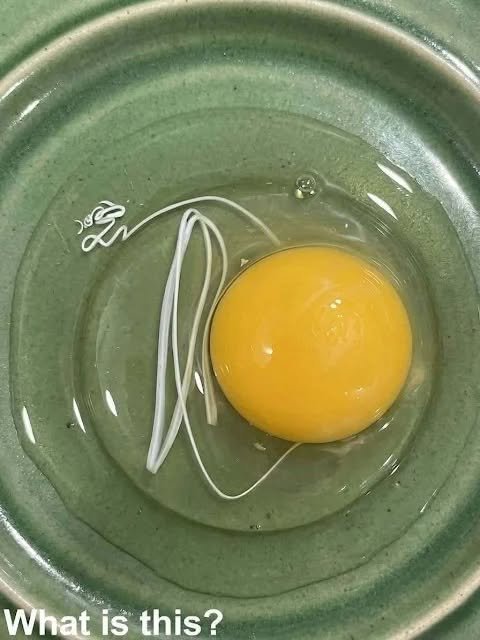
    Cracking an egg to find a distinct white, string-like structure attached to the yolk can certainly cause concern, but the feature shown in the image is a completely natural anatomical structure known as the chalaza (plural: chalazae). Every fresh chicken egg contains two of these twisted protein strands, located on opposite sides of the yolk. Rather than being a parasite, worm, or manufacturing defect, a prominent and thick chalaza is actually a primary indicator that an egg is exceptionally fresh and high quality.

    Biological Function and Characteristics of the Chalaza

    • Anchor System for the Yolk: The main function of the chalaza is to act as a spring-like anchor, suspending the delicate yolk directly in the center of the egg white (albumen) to protect it from pressing against the shell walls.
    • Made of Pure Protein: Chalazae are composed of specialized, dense protein fibers continuous with the egg white. They are entirely edible, completely safe to eat, and dissolve or blend away seamlessly when cooked or beaten.
    • Sign of Freshness: As an egg ages in storage, the albumen thins out and the chalazae naturally weaken and fade. Finding a prominent, bright white, coiled strand means the egg was laid very recently.

    Culinary Handling and Safety

    • Cooking Compatibility: There is no need to remove the chalaza for standard frying, scrambling, or baking, as heat coagulates the protein just like the rest of the egg white.
    • Optional Removal: Professional pastry chefs sometimes strain raw egg yolks through a fine mesh sieve to remove the chalazae only when preparing silky-smooth custards, puddings, or delicate dessert sauces.
    • Edibility Verdict: Eggs displaying intact chalazae present zero health risks, allowing home cooks to safely prepare and enjoy their meals without worry.