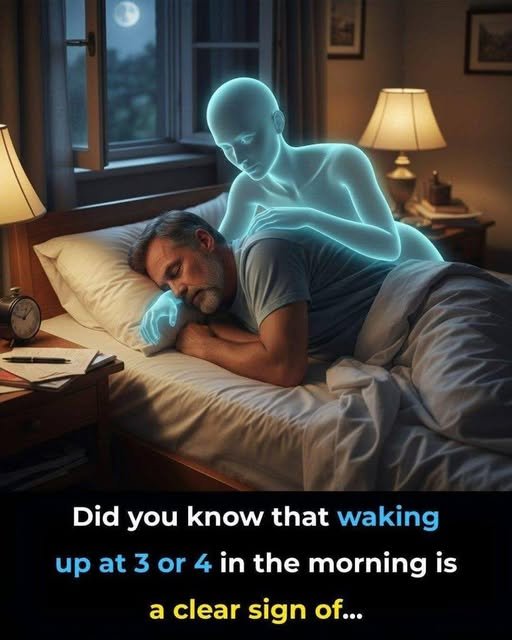
Viral social media graphics depicting glowing ethereal figures or spiritual phenomena often claim that waking up between 3 and 4 a.m. is a sign of supernatural visitation, psychic awakening, or external energy shifts. While these sensationalist tropes garner high engagement by appealing to curiosity, sleep medicine and human physiology provide clear, evidence-based explanations for these predictable nocturnal awakenings. Frequently waking up in the middle of the night is a biological event driven by natural sleep architecture, hormonal fluctuations, and lifestyle factors rather than mystical influences.
Biological Factors Behind 3 to 4 A.M. Awakenings
- Changes in Sleep Cycles: Humans sleep in 90-to-120-minute cycles that shift from deep slow-wave sleep early in the night to lighter Rapid Eye Movement (REM) sleep in the early morning hours. As deep sleep wanes around 3 or 4 a.m., people enter lighter sleep phases where minor external noises or body shifts cause brief awakenings.
- Cortisol and Blood Sugar Shifts: Natural circadian rhythms trigger a slight surge in cortisol (the stress hormone) and temperature around 3 a.m. to prepare the body for waking. Additionally, a drop in blood sugar during the night can prompt the liver to release glucose, triggering a brief adrenaline spike that pulls the brain out of sleep.
- Stress and Environmental Stimuli: High stress levels keep the sympathetic nervous system on high alert, causing micro-arousals during lighter sleep phases. Alcohol consumption, caffeine late in the day, or room temperature shifts also disrupt normal sleep continuity around this window.
Improving Sleep Continuity and Hygiene
Understanding the physiology behind early morning awakenings helps eliminate unnecessary anxiety surrounding viral health myths. Practicing consistent sleep hygiene—such as maintaining a cool bedroom environment, limiting screen time before bed, avoiding late alcohol intake, and managing daytime stress—helps maintain continuous, restful sleep throughout the night.
Leave a Reply