Category: Uncategorized

  • Understanding Patchy Hair Loss and Scalp Inflammation: Causes and Care

    Understanding Patchy Hair Loss and Scalp Inflammation: Causes and Care

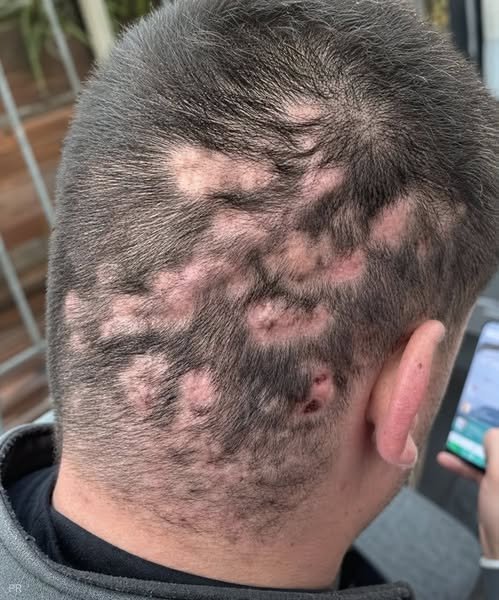
    Sensational online claims often attribute dramatic physical symptoms, such as sudden patchy hair loss or inflamed scalp lesions, to bizarre sleeping habits or urban myths. In reality, widespread, patchy hair loss accompanied by visible skin irritation or sores is a medical condition driven by specific biological factors. Conditions like dissecting cellulitis of the scalp, severe folliculitis, scalp ringworm (tinea capitis), or autoimmune conditions like alopecia areata are primary causes for this type of patchy loss and skin distress.

    When hair loss occurs in irregular patches along with raised, red, or tender bumps on the scalp, an underlying bacterial, fungal, or inflammatory process is usually at play. Bacterial or fungal infections can infect the hair follicles deep within the skin, causing swelling, crusting, and temporary or permanent hair shedding. Alternatively, inflammatory and scarring conditions cause the body’s immune system to mistakenly target hair follicles, leading to inflammation and subsequent patchy bald spots.

    Because scalp conditions can worsen without proper treatment, taking quick medical action is essential for preserving hair health and preventing scarring. Attempting to self-treat with unverified remedies or aggressive scrubbing can further irritate the skin and exacerbate hair loss. Seeking a consultation with a qualified dermatologist allows for accurate diagnosis through visual examination or skin swabs, ensuring targeted treatment such as prescription antibiotics, antifungals, or anti-inflammatory therapies.

  • Uncovering Vintage Discoveries: What Is This Brass Object?

    Uncovering Vintage Discoveries: What Is This Brass Object?

    The small brass item discovered among vintage collectibles is a classic metal smoking pipe, often referred to as a brass hand pipe or pocket pipe. Popularized in the mid-to-late 20th century, these modular pipes were typically crafted from solid brass due to the metal’s durability, heat resistance, and ease of machining. Featuring a small circular bowl attached to a ribbed or knurled stem, they were designed for portability, discreet storage, and personal use.

    A defining characteristic of this style of brass pipe is its modular, screw-together construction. The pipe breaks down into several threaded sections—including the bowl, the central airway shaft, rubber O-rings for airtight seals, and a decorative mouthpiece end. This threaded design allowed users to easily disassemble the device for thorough cleaning, replacing worn seals, or swapping out individual parts to customize the length and airflow.

    Because brass naturally develops a rich patina over time, older pieces often take on a worn, antique look that appeals to collectors of vintage paraphernalia and brass curiosities. While modern materials like glass and silicone have largely superseded metal pipes in recent years, solid brass pipes remain popular collectible keepsakes and novelty items from past decades. Their sturdy metallic construction ensures they can survive stored away in drawers or collections for decades without losing their structural integrity.

  • Recognizing Common Skin Lesions: When to Consult a Medical Professional

    Recognizing Common Skin Lesions: When to Consult a Medical Professional

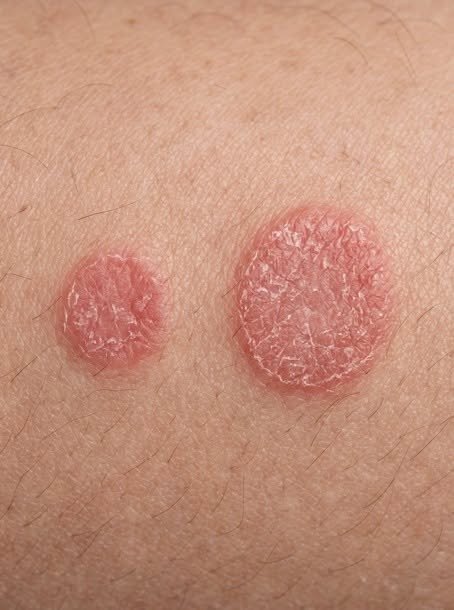
    Noticing new, raised, or scaly circular spots on your skin can raise immediate concerns, but understanding their potential causes can help you take appropriate action. Round, pinkish-red patches with dry or scaly surfaces commonly indicate localized inflammatory skin conditions. Frequently, these lesions are characteristic of nummular eczema, plaque psoriasis, or ringworm (tinea corporis), a superficial fungal infection. While these conditions can look similar at first glance, each stems from distinct underlying causes ranging from immune responses to fungal overgrowth.

    Properly identifying the exact nature of a skin patch is essential because treatment strategies vary significantly depending on the diagnosis. For instance, fungal infections require targeted antifungal creams, whereas eczema or psoriasis typically respond to topical corticosteroids, barrier-repair moisturizers, or anti-inflammatory therapies. Misdiagnosing a fungal infection as eczema and applying steroid creams can actually exacerbate the condition, making a professional evaluation critical before starting self-treatment.

    While many round skin lesions are manageable and non-emergency health concerns, certain symptoms warrant prompt medical care. You should schedule an evaluation with a doctor or dermatologist if the spots spread rapidly, begin oozing or crusting, cause severe itchiness or pain, or fail to improve with over-the-counter care. Seeking medical guidance ensures an accurate diagnosis, prevents unnecessary complications, and restores healthy skin efficiently.

  • Understanding Swollen Legs and Ankles: Causes and Health Indicators

    Understanding Swollen Legs and Ankles: Causes and Health Indicators

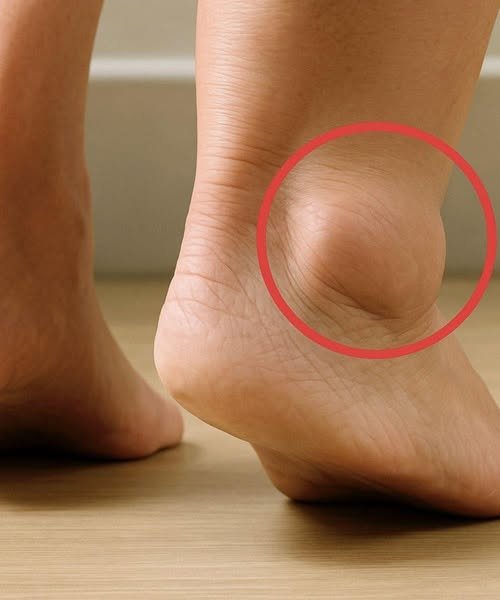
    Swelling in the lower legs, ankles, and feet—medically known as peripheral edema—is a common symptom that can range from minor fluid retention to an indicator of an underlying health issue. Online claims often link leg swelling directly to severe conditions like heart failure or chronic disease. While fluid buildup in the lower extremities can indeed point to cardiovascular, liver, or kidney dysfunction, it is just as frequently caused by simple lifestyle factors, extended periods of sitting or standing, high sodium intake, or hormonal fluctuations.

    Underlying medical conditions that cause leg swelling typically involve the body’s fluid regulation systems. Cardiovascular conditions, such as congestive heart failure or venous insufficiency, can prevent blood from pumping efficiently back to the heart, causing fluid to pool in the lower legs. Similarly, kidney disease can impede the body’s ability to excrete excess fluid and sodium, while liver conditions can affect protein levels in the blood, leading to fluid leakage into surrounding tissues. Other common causes include localized inflammation, blood clots (deep vein thrombosis), or side effects from certain medications like blood pressure drugs.

    Evaluating swollen legs involves paying attention to how quickly the swelling develops and whether it affects one or both legs. Sudden swelling in a single leg accompanied by pain or warmth requires immediate medical evaluation to rule out a blood clot. For mild, symmetrical swelling caused by prolonged sitting, simple measures like elevating your feet, wearing compression socks, reducing salt intake, and staying active can encourage proper circulation and alleviate fluid retention.

  • Why the Years Between 70 and 75 Present Unique Life Challenges

    Why the Years Between 70 and 75 Present Unique Life Challenges

    The period between ages 70 and 75 is frequently highlighted by gerontologists and sociologists as a major transitional threshold in human life. During this five-year window, individuals often experience a convergence of physical changes, shifts in routine, and emotional adjustments. Understanding the specific factors that make this stage uniquely challenging helps families and seniors navigate these golden years with resilience and support.

    First, age-related health changes often become noticeably more pronounced, as long-term conditions like arthritis, cardiovascular issues, or reduced mobility require increased medical management and lifestyle adaptations. Second, the psychological adjustment to full retirement reaches a peak; after years away from the workforce, individuals may struggle with a loss of professional identity or a reduced sense of daily purpose. Third, social dynamics shift dramatically as peers, lifelong friends, and family members face their own health issues or pass away, increasing the risk of emotional isolation and grief.

    Fourth, a decline in physical independence often forces difficult choices regarding driving, home maintenance, or living arrangements, which can test a person’s sense of autonomy. Fifth, navigating fixed retirement incomes amidst rising medical expenses and long-term care costs creates significant financial stress. Despite these obstacles, staying physically active, fostering close social connections, and pursuing new hobbies can help older adults maintain a high quality of life and emotional well-being throughout this transition.

  • Deciphering Optical Illusions: The Story Behind Figure-Ground Art

    Deciphering Optical Illusions: The Story Behind Figure-Ground Art

    This sticker features a famous psychological optical illusion based on “Rubin’s Vase,” a concept created by Danish psychologist Edgar Rubin in 1915. The design plays with visual perception by tricking the brain into seeing two distinct images in one shape. Depending on whether you focus on the white graphic or the dark background, your brain interprets the visual information in entirely different ways.

    When looking at the white silhouette, it appears to represent an abstract candlestick, lamp, or vase. However, if you shift your focus to the negative space created by the red surface of the car around the graphic, you can clearly see the profile outlines of two human faces looking directly at each other. This phenomenon demonstrates figure-ground organization, which is how the human visual system distinguishes an object from its surrounding background.

    Decals like this are popular on vehicles because they serve as clever conversation starters and showcase a love for art, psychology, or visual puzzles. The brain cannot focus on both the vase/candlestick and the two face profiles at the exact same moment, causing a continuous mental shift back and forth as you view it. It remains one of the most recognizable examples of Gestalt psychology principles in modern pop culture.

  • Strange Discoveries Near the Bed: What Are These White Spheres?

    Strange Discoveries Near the Bed: What Are These White Spheres?

    Discovering a cluster of small, white, spherical objects tucked into the narrow gap between a bed frame and a wall can certainly be unsettling after a long day. In household environments, clusters of uniform white or off-white eggs are typically laid by reptiles or insects seeking a dark, undisturbed, and sheltered space. Common house geckos, lizards, or snakes frequently lay small, leathery white eggs in quiet crevices behind furniture or along baseboards. Alternatively, certain insects or spiders can produce tightly packed egg sacs or egg masses in similar concealed locations.

    Non-biological causes should also be considered when assessing unexplained objects in the bedroom. Expanding foam insulation, spilled beanbag filling (polystyrene beads), desiccant packets, or mothballs can accumulate in tight corners and closely resemble organic clusters. Furthermore, if the objects feel hard, rubbery, or uniform, they may simply be fallen craft supplies, decorative beads, or household items that rolled into the gap behind the bed unnoticed.

    To address the situation safely, avoid touching the objects with bare hands. Put on protective gloves and use a long tool or flashlight to inspect the cluster closely from a safe distance. If they appear to be reptile or insect eggs, carefully scoop them into a sealed container using a dustpan and dispose of them outside away from the home. Cleaning the surrounding area with household disinfectant and sealing entry gaps around baseboards will help prevent pests or small animals from nesting in bedroom crevices in the future.

  • The Effects of Sleeping on Your Right Side vs. Left Side

    The Effects of Sleeping on Your Right Side vs. Left Side

    How you position your body during sleep can have a surprising impact on your digestive comfort, particularly if you frequently experience acid reflux or heartburn. Human anatomy plays a significant role in this physiological process due to the natural asymmetrical shape and placement of the stomach below the esophagus. When you sleep on your right side, the junction between your stomach and esophagus is positioned below the level of gastric acid, allowing stomach juices to leak back into the food pipe more easily.

    JPG+ 2

    In contrast, sleeping on your left side positions the stomach below the gastroesophageal junction, using gravity to keep stomach acid contained where it belongs. For individuals prone to Gastroesophageal Reflux Disease (GERD) or nighttime indigestion, resting on the left side can reduce instances of painful heartburn, regurgitation, and sleep disruptions. Additionally, left-side sleeping is often recommended during pregnancy because it improves blood flow to the heart, fetus, and kidneys while relieving pressure on the liver.

    JPG+ 2

    While sleeping position influences digestive symptoms, it is not the sole factor determining overall sleep quality or digestive health. Healthy adults without chronic acid reflux can typically sleep on whichever side feels most comfortable. If you suffer from frequent nighttime heartburn, combining left-side sleeping with dietary changes—such as avoiding heavy late-night meals, elevating the head of your bed, and limiting trigger foods—can significantly improve your sleep hygiene and digestive comfort.

    JPG+ 2

  • The Truth About Visible Veins: What They Really Mean for Your Health

    The Truth About Visible Veins: What They Really Mean for Your Health

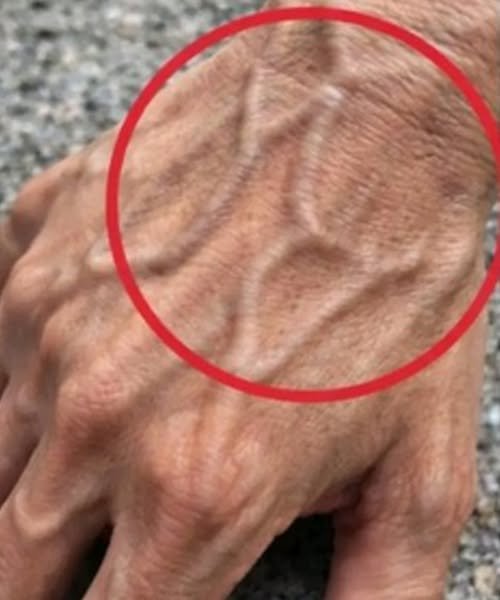
    Social media posts frequently attempt to link prominent, highly visible surface veins to mysterious personality traits, rare medical conditions, or urban myths. In reality, having visible or bulging veins—especially on the hands, arms, and feet—is a completely normal physiological phenomenon shared by millions of people. Vascular visibility is primarily determined by basic anatomy, body composition, age, and genetics rather than underlying health concerns.

    Several physical factors influence how close your veins sit to the surface of your skin. Individuals with lower body fat percentages, fair skin tones, or naturally thinner skin layers tend to have much more pronounced vein structures. Additionally, as a natural part of the aging process, skin gradually loses collagen and elasticity while fat tissue under the skin diminishes, making superficial veins appear significantly more defined over time.

    Everyday habits and physiological triggers can also cause veins to temporarily swell and stand out. Physical exercise and heavy lifting increase blood flow and pump up muscles, pushing veins outward against the skin. Warm weather, hot showers, and elevated body temperatures cause blood vessels to expand (vasodilation), making them temporarily more prominent. Unless accompanied by pain, swelling, warmth, or sudden skin discoloration, prominent veins are simply a sign of normal circulatory function working as intended.

  • Identifying Oxtail and Delicious Ways to Prepare It

    Identifying Oxtail and Delicious Ways to Prepare It

    The cut of meat featured here is oxtail, which consists of cross-sectional slices of cattle tail. Each piece features a central marrow bone surrounded by rich, gelatine-dense connective tissue and marbled muscle meat. Because of its high collagen content, oxtail is tough when cooked quickly, but transforms into an exceptionally tender, flavorful, and succulent delicacy when simmered low and slow in liquid over several hours.

    One of the most popular and flavorful methods for preparing oxtail is a Jamaican-style Jamaican Stewed Oxtail. To prepare this dish, marinate the meat pieces with allspice, thyme, garlic, onions, soy sauce, and Scotch bonnet peppers, then sear them in a heavy Dutch oven until deeply browned. Slowly braise the oxtails in beef broth for two to three hours until the meat is fork-tender and falling off the bone, adding butter beans toward the end of cooking to thicken the rich, savory gravy.

    Another world-renowned recipe is a traditional French-style Red Wine Braised Oxtail or a classic Oxtail Soup. In these preparations, the cut is seared and simmered alongside aromatic root vegetables like carrots, celery, and onions in a rich broth infused with red wine, tomato paste, and fresh herbs. The collagen breaks down during slow cooking, creating a velvety, luxurious sauce or soup base that pairs perfectly with mashed potatoes, crusty bread, or rice.