Category: Uncategorized

  • The Real Reasons You Wake Up at 3 or 4 AM

    The Real Reasons You Wake Up at 3 or 4 AM

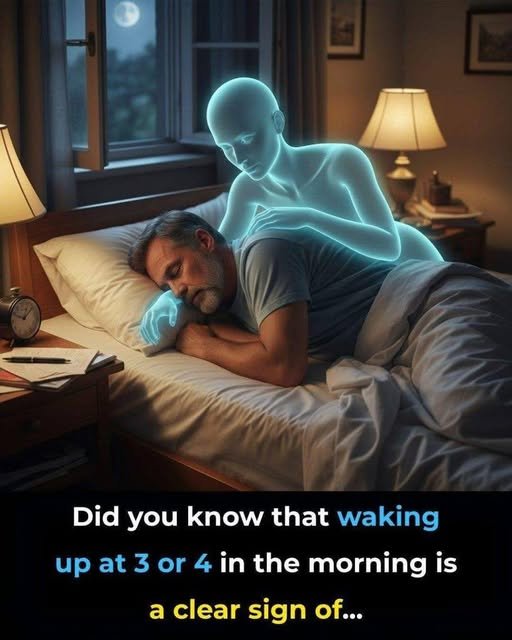
    Waking up abruptly in the middle of the night—specifically around 3:00 or 4:00 AM—is a extremely common phenomenon that social media memes often attribute to spiritual occurrences or supernatural presence. In reality, medical professionals and sleep specialists attribute these predictable early-morning awakenings to human biology, natural sleep architecture, and everyday health factors. Understanding how your body transitions through various sleep cycles can help demystify these sudden disruptions.

    During the night, your body cycles through deep sleep and rapid eye movement (REM) sleep in roughly 90-minute blocks. As the early morning approaches, the proportion of light sleep increases while deep sleep decreases. At this time, naturally declining levels of the sleep-regulating hormone melatonin and rising levels of cortisol—the stress hormone that prepares the body to wake—make your body far more susceptible to environmental disturbances, temperature shifts, or minor physical discomforts.

    Beyond normal sleep cycles, several everyday factors can trigger repeated middle-of-the-night awakenings. High levels of psychological stress or anxiety can activate the body’s fight-or-flight response, causing an adrenaline spike that pulls you out of light REM sleep. Physical factors such as alcohol consumption (which disrupts sleep quality as it metabolizes), blood sugar drops, indigestion, or underlying sleep disorders like sleep apnea can also cause sudden awakenings around the same time each night.


  • The Real Health Impact of Eating Boiled Eggs Every Day

    The Real Health Impact of Eating Boiled Eggs Every Day

    Sensational headlines online often claim that eating boiled eggs causes dramatic health outcomes, but nutritionists and medical experts consistently highlight them as one of the most nutrient-dense whole foods available. Packed with high-quality lean protein, essential vitamins like B12, D, and A, as well as minerals like selenium and choline, boiled eggs offer comprehensive nutritional support. Consuming them regularly helps build and repair muscle tissue, supports cognitive health, and keeps you feeling full longer, which can aid in healthy weight management.

    A common point of debate surrounding eggs is their cholesterol content, as a single large egg yolk contains roughly 1806 milligrams of dietary cholesterol. However, extensive modern dietary research shows that dietary cholesterol found in whole foods does not automatically raise blood cholesterol levels for the majority of healthy individuals. Instead, saturated and trans fats play a far greater role in elevating heart disease risk. For most people, incorporating boiled eggs into a balanced diet maintains or even improves HDL (“good”) cholesterol profiles while providing essential antioxidants like lutein and zeaxanthin, which protect eye health.

    While boiled eggs are an excellent food choice, moderation and proper preparation are key to maximizing their health benefits. Hard-boiling or soft-boiling is one of the healthiest cooking methods because it requires no added oils or fats, unlike frying. Most health organizations state that eating one to two eggs per day fits comfortably into a healthy lifestyle for most healthy adults. Individuals with specific medical conditions, such as diabetes, hypercholesterolemia, or established cardiovascular disease, should consult their physician or a registered dietitian to determine the ideal egg consumption tailored to their personal health needs.

  • The Truth About Drinking Water on an Empty Stomach

    The Truth About Drinking Water on an Empty Stomach

    Sensationalized social media claims often link routine habits, like drinking a glass of water immediately after waking up, to extreme health threats like a heart attack. However, there is no scientific evidence suggesting that drinking water on an empty stomach causes heart attacks, blood clots, or arterial blockages. A heart attack occurs when blood flow to a part of the heart muscle is severely reduced or blocked, usually due to the buildup of cholesterol plaque and blood clot formation in the coronary arteries. Drinking plain water does not trigger or accelerate this physiological process.

    In reality, staying properly hydrated supports cardiovascular health rather than harming it. Hydration helps maintain optimal blood volume, allowing the heart to pump blood more efficiently throughout the body. When a person is chronically dehydrated, blood becomes thicker and harder to circulate, which places additional stress on the cardiovascular system. Starting the day with water simply rehydrates the body after hours of sleep, aids digestion, and promotes healthy metabolic functions.

    While drinking water upon waking is safe and beneficial for the vast majority of people, overall heart health depends on established lifestyle factors and medical care. Main factors that influence heart attack risk include high blood pressure, elevated cholesterol levels, smoking, physical inactivity, diabetes, and genetic predisposition. Focusing on a balanced diet, regular exercise, managing stress, and routine medical checkups remains the most effective strategy for maintaining long-term cardiovascular health.

  • Unlocking Mystery Kitchen Gadgets: What Is This Tool?

    Unlocking Mystery Kitchen Gadgets: What Is This Tool?

    Despite looking like an unusual safety razor or a miniature paint roller, this vintage handheld implement is actually a classic wire cheese slicer. Manufactured under household brand names like Presto, these handheld tools were designed to slice clean, uniform portions from blocks of semi-hard to hard cheese, such as Cheddar, Gouda, or Swiss. The design has remained largely unchanged for decades because of its simple, effective mechanics.

    The tool operates using a clever combination of two main components: a taut metal wire stretched across the top frame and a smooth rolling pin positioned directly beneath it. As you pull the slicer across a block of cheese, the lower roller glides along the top surface of the block, maintaining a steady, consistent angle and pressure. Meanwhile, the thin wire cuts cleanly through the cheese, producing an even slice without crushing or sticking to the block the way a traditional knife blade might.

    While these classic tools are durable and easy to use, they do require occasional maintenance to work properly over time. The cutting wire can stretch or loosen after repeated use, leading to uneven cuts, but many models feature adjustable side screws or replacement wire mechanisms to restore tension. Additionally, because these vintage aluminum or metal tools can tarnish, hand washing with mild soap and avoiding harsh dishwasher cycles helps preserve their finish and functional performance.

  • Mysterious Finds in Hair: What Could It Be?

    Mysterious Finds in Hair: What Could It Be?

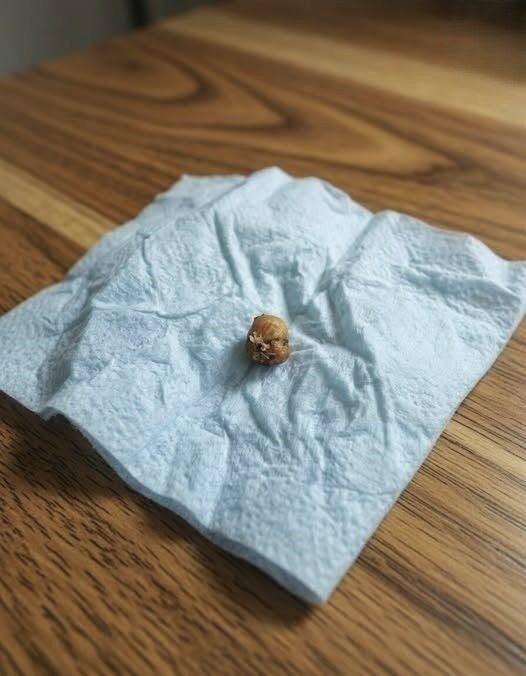
    Discovering a strange, small, brownish object while washing hair can certainly be alarming, but it is often more benign than it looks. The round, tan-to-brown shape—roughly a centimeter in diameter with small white or fibrous projections—most closely resembles a plant seed, dried seed pod, or a small plant burr. These organic materials easily tangle into longer hair while walking under trees, gardening, or spending time outdoors, remaining hidden until the water and friction of shampooing dislodge them.

    Another common possibility for small, firm growths or debris washing out of hair includes scalp-related conditions. Encapsulated sebum buildup, a dried pilar cyst, or a calcified skin lesion can occasionally detach from the scalp during vigorous washing or brushing. Alternatively, foreign objects like dried food particles, small craft supplies, or woven fabric nodes can get caught in hair unnoticed and later drop out in the shower.

    To figure out what the object is, inspect it closely using a magnifying glass or gently press it with tweezers to see if it is hard, squishy, or organic like plant tissue. If the scalp shows no signs of bleeding, tenderness, open sores, or hair loss where the object came from, it was likely just external debris that got trapped in the hair. However, if there is an open wound, irritation, or pain on the scalp, it is best to have a medical professional examine the area.

  • Identifying Bathroom Intruders: What to Know and Do

    Identifying Bathroom Intruders: What to Know and Do

    The object in the corner appears to be a rodent nest (likely built by mice or rats) made from torn insulation material, lint, hair, and gathered debris. When a house remains dark, quiet, and unoccupied for a week, rodents often take advantage of the undisturbed environment to build sheltered nests close to water sources like drains or pipes.

    These nests present multiple safety and sanitation concerns. Beyond harboring bacteria, parasites, and airborne pathogens associated with rodent waste, these structures can cause hidden damage inside walls or cabinets where insulation was pulled. Furthermore, if rodents gnaw through electrical wiring behind tile or wall voids, it creates a potential fire risk.

    To safely resolve this issue, follow these steps:

    1. Wear Protection: Put on heavy rubber or nitrile gloves and an N95 respirator mask before approaching the area to avoid inhaling airborne particles.
    2. Disinfect First: Spray the entire nest and surrounding tile thoroughly with a household disinfectant or diluted bleach solution; never vacuum or sweep it dry, as this disperses contaminants into the air.
    3. Safe Disposal: Carefully scoop the damp nest into a heavy-duty plastic trash bag, seal it tightly, place it inside a second sealed bag, and dispose of it outdoors.
    4. Sanitize & Inspect: Deep-clean the area with disinfectant, then inspect lower cabinets, baseboards, and pipe entries to seal any gaps larger than a pencil eraser with steel wool and caulk.
  • Understanding Sudden Skin Reactions: Causes and Care

    Understanding Sudden Skin Reactions: Causes and Care

    A widespread, sudden rash like the one pictured—characterized by numerous red, potentially raised, and confluent patches across the limbs—often indicates an acute systemic reaction. This is very different from a localized insect bite. Common causes for such an extensive skin eruption can include an acute allergic reaction (hives or urticaria) to a new medication, food, or environmental exposure. Viral or bacterial infections can also trigger widespread rashes. Importantly, certain serious conditions can also present this way.

    When a rash is this severe, extensive, or accompanied by other symptoms, it is critical to seek medical evaluation promptly. Do not attempt to self-diagnose or treat the rash yourself. A healthcare professional, such as a doctor or dermatologist, is needed to perform a proper physical examination, take a detailed medical history, and order relevant tests (like blood work or a skin biopsy) to determine the underlying cause and recommend appropriate treatment.

    You should seek immediate medical attention, potentially in an emergency department, if the rash spread very rapidly or is accompanied by any of these high-risk “red flag” signs:

    • Difficulty breathing or a feeling of throat swelling
    • Fever, chills, or body aches
    • Blistering of the skin or peeling that leaves open sores
    • The rash involves mucous membranes (mouth, eyes, genitals)
    • The rash is painful to the touch (rather than itchy)
    • The red spots do not blanch (fade temporarily) when you press on them
  • Deconstructing Gastrointestinal Panic Clickbait: The Cartoon Stool Infographic

    Deconstructing Gastrointestinal Panic Clickbait: The Cartoon Stool Infographic

    The image features anthropomorphic cartoon characters depicting stool shapes labeled “NORMAL,” “ALSO NORMAL,” and “BAD,” combined with an aggressive headline: “5 Alarming Red Flags That Scream Colon Cancer Might Be Present.” A downward arrow prompts viewers toward the “Full Story Below.” This graphic represents a quintessential health anxiety and bowel panic engagement template designed to monetize visceral self-diagnosis fears.

    Anatomy of the Science & Clickbait Strategy

    • The Medical Reality (Bristol Stool Chart Simplified): Gastroenterology evaluates digestive health using the standardized Bristol Stool Chart. While subtle variations in shape or pencil-thin stool (as vaguely hinted at under the “BAD” column) can occasionally indicate a partial blockage or stricture in the colon, attributing minor visual stool changes primarily to cancer is a gross oversimplification. Stool consistency and shape fluctuate daily based on dietary fiber, hydration, stress, and gut motility.
    • Cancer-Fearing Fearmongering: Cancer is one of the most effective triggers for emotional hijacking on social media. Using sensationalized vocabulary like “Alarming Red Flags That Scream” bypasses critical thinking and induces immediate health paranoia, encouraging users to click for self-reassurance.
    • Cartoon Gamification of Health: Rendering bodily waste as smiling, sunglasses-wearing cartoon characters lowers the barrier to entry for sensitive or taboo medical topics. It makes the graphic visually engaging and shareable while trivializing actual diagnostic criteria.
    • The “Full Story Below” Comment Trap: The graphic deliberately withholds the actual list of five symptoms. Placing a call-to-action pointing to the comment section forces users to open the comments, where a pinned link redirects traffic to an ad-heavy health blog or pseudo-medical site.
    • Algorithmic Monetization: Health scares produce high volumes of tagged friends, panic comments, and bookmarking. Social media algorithms reward this rapid engagement, boosting the page’s overall reach to maximize ad impression revenue.
  • Deconstructing Emotional Curiosity Bait: The NICU Purple Butterfly

    Deconstructing Emotional Curiosity Bait: The NICU Purple Butterfly

    The image shows a newborn baby in a hospital cot with a purple butterfly sticker circled in red, overlaid with the high-contrast text: “IF YOU SEE A PURPLE BUTTERFLY STICKER NEAR A NEWBORN BABY, YOU NEED TO KNOW WHAT IT MEANS.” This graphic represents an emotional clickbait template that takes a genuine, sensitive healthcare initiative and turns it into a sensationalized cliffhanger to drive social media interactions.

    Anatomy of the Symbol & Clickbait Strategy

    • The Real-World Origin: The purple butterfly is an actual medical awareness symbol created by The Butterfly Project (founded by Millie Smith after losing one of her twin daughters, Skye, in the NICU). In participating hospitals, placing a purple butterfly on a baby’s cot or door signifies that the infant was part of a multiple birth (twins, triplets, etc.) where one or more siblings did not survive. It serves as a subtle indicator for staff and visitors to speak with sensitivity and avoid asking standard questions like, “Are they a twin?”
    • The Curiosity-Gap Weaponization: While the symbol carries a deep, poignant healthcare function, the meme format deliberately withholds the explanation behind bold, yellow text. By creating an artificial mystery (“YOU NEED TO KNOW WHAT IT MEANS”), it forces viewers to interact with the post to find the answer.
    • Emotional Engagement Farming: Topics involving neonatal loss, hospital care, and grief trigger intense feelings of sympathy and curiosity. Content networks exploit these delicate topics knowing they generate thousands of comments from parents sharing condolences or personal NICU stories.
    • Monetization Funnel: The post uses the solemnity of hospital care as engagement bait. The resulting surge in shares and comments signals high algorithm priority, allowing page operators to funnel traffic toward monetized link hubs, ad-heavy blogs, or sensational click-farms.
  • Deconstructing Household Fear Clickbait: The Kitchen Appliance Fire Trap

    Deconstructing Household Fear Clickbait: The Kitchen Appliance Fire Trap

    The image depicts electrical cords bursting into flames at a wall outlet, accompanied by dramatic text stating, “Before going to sleep, there is one kitchen appliance that you must unplug at all costs to avoid a fire!” This graphic represents a classic household safety fear-mongering template engineered to turn basic fire safety concepts into an urgent, cliffhanger mystery.

    Anatomy of the Risk & Clickbait Strategy

    • The Reality of Appliance Safety: While fire safety experts do recommend turning off or unplugging high-wattage heating appliances—such as toasters, toaster ovens, coffee makers, and air fryers—when not in use, framing a single mystery appliance as something you must unplug “at all costs” exaggerates standard home maintenance. Modern appliances are built to strict safety standards, and electrical fires are typically caused by damaged cords, overloaded extension cords, or internal short circuits, rather than simply leaving a functional appliance plugged in overnight.
    • Artificial Curiosity Gap: By withholding the name of the “one kitchen appliance,” the post relies on anxiety to force readers to click “See More” or search through the comment section to find out if their home is at risk.
    • Shock Value Visuals: Using dramatic stock photos or AI renderings of burning electrical outlets sparks immediate household panic, ensuring the post stands out in busy social feeds.
    • Algorithmic Monetization: Posts that tap into home safety and life-threatening scenarios yield high share counts as users attempt to “warn” family members. Content networks leverage this artificially boosted reach to drive traffic toward ad-heavy blogs, affiliate pages selling surge protectors, or viral click-farms.