Blog

  • How One Simple Root Became My Grandma’s Go-To Natural Wellness Remedy

    How One Simple Root Became My Grandma’s Go-To Natural Wellness Remedy

    For generations, roots have been valued in traditional cooking and household wellness practices, and ginger is one of the best-known examples. This aromatic root has been used traditionally in many cultures as both a food and herbal ingredient. Modern research has also examined ginger’s potential benefits, particularly for nausea and certain digestive complaints. The National Center for Complementary and Integrative Health notes that ginger has been studied for nausea and vomiting, including nausea associated with pregnancy and some medical treatments. Ginger contains naturally occurring compounds such as gingerols and shogaols, which contribute to its distinctive flavor and are being investigated for various biological effects. Adding fresh ginger to meals, soups, or unsweetened tea can be an easy way to include it in a balanced diet without treating it as a substitute for medical care.

    Grandma’s traditional remedy may have been simple: fresh ginger steeped in warm water, grated into food, or combined with other everyday ingredients. Some evidence suggests ginger may help with nausea, while research into other proposed benefits—including effects on inflammation, blood sugar, and cardiovascular health—is still developing and does not establish ginger as a cure for disease. It is important to distinguish between traditional use and clinically proven treatment. Ginger can also cause side effects in some people, particularly heartburn, abdominal discomfort, or diarrhea when consumed in larger amounts. People taking medications that affect blood clotting or who have certain medical conditions should discuss concentrated ginger supplements with a healthcare professional before using them regularly.

    The most practical lesson is that simple traditional foods can be part of a healthy lifestyle without being treated as miracle cures. Fresh ginger can add flavor while providing naturally occurring plant compounds, but overall nutrition, adequate sleep, physical activity, and appropriate medical care remain much more important for long-term wellness. If you are experiencing persistent nausea, digestive problems, pain, or another unexplained symptom, relying solely on a homemade ginger remedy could delay proper evaluation. Disclaimer: This article is for general educational and informational purposes only and does not constitute medical diagnosis, treatment, or personalized health advice. Traditional remedies may have potential benefits, but evidence varies and they should not replace prescribed treatment. Some online wellness claims may be exaggerated, misleading, or unauthenticated, so always verify important health information through reliable medical sources and consult a qualified healthcare professional when necessary.


  • 10 Early Symptoms That May Be Associated With Heart Disease

    10 Early Symptoms That May Be Associated With Heart Disease

    Heart disease can develop gradually, and some people may notice changes before experiencing a major cardiovascular event. Possible symptoms include 1) unusual or persistent fatigue, 2) shortness of breath, 3) chest pressure or discomfort, 4) pain or discomfort spreading to the arms, shoulders, back, neck, or jaw, 5) dizziness or lightheadedness, 6) unusual sweating, 7) nausea or an upset stomach, 8) a racing, pounding, or irregular heartbeat, 9) swelling in the ankles or legs, and 10) reduced ability to perform normal physical activities without becoming unusually tired or breathless. MedlinePlus notes that chest discomfort, shortness of breath, fatigue, palpitations, and ankle swelling can be warning signs associated with cardiovascular problems. These symptoms can have many other causes, so experiencing one does not automatically mean that someone has heart disease.

    Some symptoms become particularly important when they appear during physical activity, become progressively worse, or occur together. For example, angina can cause pressure, squeezing, or discomfort in the chest that may spread to the shoulders, arms, neck, jaw, abdomen, or back; some people experience shortness of breath or fatigue instead of obvious chest pain. Women, older adults, and people with diabetes may sometimes experience less typical symptoms, including unusual tiredness, nausea, shortness of breath, or back and jaw discomfort. Persistent ankle or leg swelling can also be associated with heart problems, particularly when accompanied by breathlessness or reduced exercise tolerance. Because these symptoms overlap with many other conditions, proper evaluation may require a medical history, examination, blood tests, an ECG, or other testing depending on the situation.

    The most important point is not to ignore sudden or severe cardiovascular symptoms. Chest pressure or discomfort, shortness of breath, pain spreading to the arm, shoulder, back, neck, or jaw, sudden severe weakness, faintness, nausea, or cold sweating can occur during a heart attack. The American Heart Association advises seeking emergency medical help immediately when heart-attack warning signs occur rather than waiting to see whether they disappear. If symptoms are persistent but not immediately severe, arrange an appointment with a qualified healthcare professional to determine the underlying cause. Disclaimer: This article is for general educational and informational purposes only and does not constitute medical diagnosis, treatment, or personalized health advice. These symptoms are not proof of heart disease and may have many other causes. Some health information online may be exaggerated, incomplete, or unauthenticated, so always verify important claims through reliable medical sources and consult a qualified healthcare professional. If you believe you may be experiencing a heart attack, seek emergency medical care immediately.

  • Love Avocados? Doctors Say They May Have These Unexpected Effects on Your Health

    Love Avocados? Doctors Say They May Have These Unexpected Effects on Your Health

    Avocados are often praised for their creamy texture and impressive nutritional profile, and there is good reason for their popularity. They provide fiber, potassium, magnesium, folate, vitamins C, E and K, and predominantly unsaturated fats. These nutrients can make avocado a valuable part of a balanced eating pattern. Its fiber content may support normal digestion and fullness, while replacing foods high in saturated fat—such as butter or certain processed meats—with avocado can improve the overall quality of dietary fat. A large observational study involving more than 110,000 health professionals found that eating at least two servings of avocado per week was associated with a lower risk of cardiovascular disease, although this type of study cannot prove that avocado itself caused the reduction in risk.

    There are also a few unexpected considerations. Because avocados are energy-dense, eating very large portions can add significant calories even though the fats are predominantly unsaturated. For someone trying to manage body weight, portion size still matters. Avocados are also relatively rich in potassium, which is beneficial for many healthy adults but may require dietary consideration for people with certain kidney conditions. The USDA identifies avocado as a source of potassium, fiber, magnesium, and several vitamins. Another important point is what you eat with avocado. Adding it to vegetables, whole grains, beans, or other nutrient-rich foods can create a balanced meal, whereas turning it into a high-calorie dish with excessive salt or other calorie-dense ingredients can change the overall nutritional value. The American Heart Association’s 2026 dietary guidance emphasizes replacing saturated fats with unsaturated fats and choosing minimally processed foods as part of a heart-healthy dietary pattern.

    Overall, avocado can be a smart and versatile food, but it should be viewed as one component of a varied diet rather than a miracle food. A reasonable portion can be added to salads, whole-grain toast, sandwiches, or homemade meals to provide satisfying healthy fats and fiber. If you have kidney disease, a food allergy, or another condition requiring specific dietary restrictions, your nutritional needs may be different. Disclaimer: This article is for general educational and informational purposes only and does not constitute medical diagnosis, treatment, or personalized nutritional advice. Avocados may support a healthy dietary pattern, but they cannot independently prevent or treat major diseases. Some online health claims may be exaggerated, incomplete, or unauthenticated, so always verify important information through reliable medical sources and consult a qualified healthcare professional for advice tailored to your individual needs.

  • Transform Your Nights and Wake Up Refreshed With These 15 Simple Tips for Better Sleep

    Transform Your Nights and Wake Up Refreshed With These 15 Simple Tips for Better Sleep

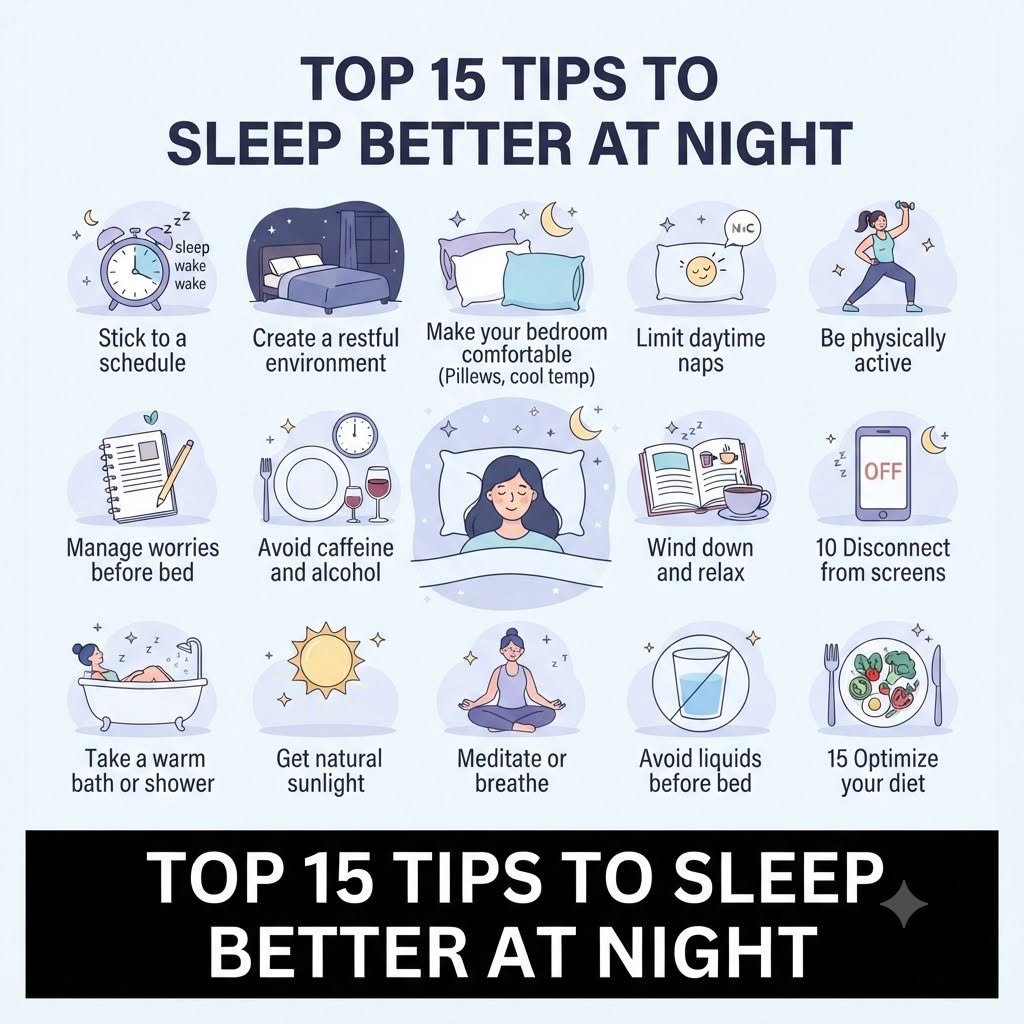
    Better sleep usually comes from consistent habits rather than one miracle trick. Start by keeping a regular bedtime and wake-up time, aiming for around 7–9 hours of sleep if you are an adult. Create a relaxing pre-bed routine, keep your bedroom cool, quiet, and dark, and avoid bright screens or stimulating activities close to bedtime. Getting natural daylight during the day and exercising regularly can also help reinforce your body’s sleep-wake rhythm. Other practical habits include limiting caffeine later in the day, avoiding nicotine close to bedtime, and keeping alcohol away from your bedtime routine because it can interfere with sleep quality. The CDC recommends maintaining a consistent sleep schedule, creating a comfortable sleep environment, avoiding electronic devices before bed, and avoiding large meals and alcohol before bedtime. (cdc.gov)

    Here are 15 simple habits you can gradually incorporate: 1) keep a consistent sleep schedule, 2) allow enough time for 7–9 hours of sleep, 3) get daylight exposure during the morning or daytime, 4) exercise regularly, 5) create a calming bedtime routine, 6) keep the bedroom dark and comfortable, 7) reduce bright light before bed, 8) avoid caffeine in the afternoon and evening, 9) avoid nicotine close to bedtime, 10) avoid heavy meals shortly before sleeping, 11) limit alcohol near bedtime, 12) keep daytime naps short and earlier when possible, 13) use your bed primarily for sleep, 14) if you cannot sleep, get up briefly and do something quiet until you feel sleepy, and 15) address persistent snoring or other sleep problems with a healthcare professional. The National Heart, Lung, and Blood Institute recommends many of these strategies as part of healthy sleep habits and notes that a consistent routine can help your body recognize when it is time to sleep. (nhlbi.nih.gov) You do not have to adopt everything overnight—choosing a few realistic changes and practicing them consistently can be more sustainable.

    If you regularly get enough time in bed but still wake feeling exhausted, frequently wake during the night, or experience loud snoring, gasping, choking, or witnessed breathing pauses, don’t simply assume you need more sleep. These can sometimes be signs of a sleep disorder such as obstructive sleep apnea and may warrant professional evaluation. (nhlbi.nih.gov) Similarly, persistent difficulty falling asleep or staying asleep may require more than lifestyle changes. Keeping a simple sleep diary can help you identify patterns and provide useful information to a healthcare professional. Remember that good sleep is part of overall health alongside nutritious eating, physical activity, stress management, and appropriate medical care. Disclaimer: This article is for general educational and informational purposes only and does not constitute medical diagnosis, treatment, or personalized medical advice. Sleep needs and responses to lifestyle changes vary between individuals, and no single routine guarantees perfect sleep. Some online sleep advice may be exaggerated or unauthenticated, so always verify important information through reliable medical sources and consult a qualified healthcare professional about persistent or severe sleep problems.

  • What Started as a Simple Sore Throat Became Cancer After 5 Chemotherapy Sessions — Doctors Say Remove These 2 Items From Your Fridge

    What Started as a Simple Sore Throat Became Cancer After 5 Chemotherapy Sessions — Doctors Say Remove These 2 Items From Your Fridge

    A persistent sore throat can have many ordinary causes, including viral infections, allergies, acid reflux, or irritation, so a sore throat does not automatically mean cancer. However, a sore throat that does not improve, particularly when accompanied by difficulty swallowing, persistent hoarseness, a neck lump, unexplained weight loss, or ongoing throat or ear pain, deserves medical evaluation. The National Cancer Institute notes that these symptoms can occur with head and neck cancers, although they can also result from much less serious conditions. The important lesson is not to assume that every persistent symptom is cancer, but rather to seek professional assessment when something unusual continues for several weeks or progressively worsens. Early evaluation can help identify the actual cause and ensure appropriate treatment when necessary.

    The second part of the headline—removing certain foods from the refrigerator—needs careful clarification. There is no reliable evidence that simply keeping ordinary refrigerated foods in your fridge causes cancer, and there is no scientifically established list of two refrigerator foods that everyone must remove to prevent cancer. However, food that is moldy, spoiled, improperly stored, or kept for too long can create food-safety risks. The FDA recommends keeping refrigerators at 40°F (4°C) or below, refrigerating perishable foods promptly, and discarding food that looks or smells suspicious. USDA guidance specifically recommends throwing away moldy high-moisture foods such as soft cheese, yogurt, sour cream, cooked leftovers, and certain meats because contamination may extend beneath the visible surface. Rather than blaming specific foods for cancer, focus on safe storage, proper refrigeration, and discarding food that is clearly spoiled.

    A practical refrigerator check can therefore be simple: remove moldy foods and discard perishable leftovers that have been stored beyond recommended periods. USDA advises using most cooked leftovers within three to four days, while the FDA emphasizes checking storage instructions and keeping refrigerated foods properly chilled. At the same time, don’t let a dramatic headline make you fearful of normal foods. Cancer prevention involves many factors, including tobacco avoidance, maintaining a healthy lifestyle, appropriate screening, and discussing persistent symptoms with a healthcare professional. If a sore throat continues for weeks, causes difficulty swallowing, or occurs with hoarseness, a neck lump, unexplained weight loss, or other concerning symptoms, arrange a medical evaluation. Disclaimer: This article is for general educational and informational purposes only and does not constitute medical diagnosis, treatment, or personalized dietary advice. A sore throat does not by itself indicate cancer, and there is no verified evidence that two specific foods in a refrigerator universally cause or prevent cancer. Some online health claims may be exaggerated, misleading, or unauthenticated, so always verify important information through reliable medical sources and consult a qualified healthcare professional.

  • Cashews or Almonds? Discover Which Nut Makes the Smarter Snack Choice

    Cashews or Almonds? Discover Which Nut Makes the Smarter Snack Choice

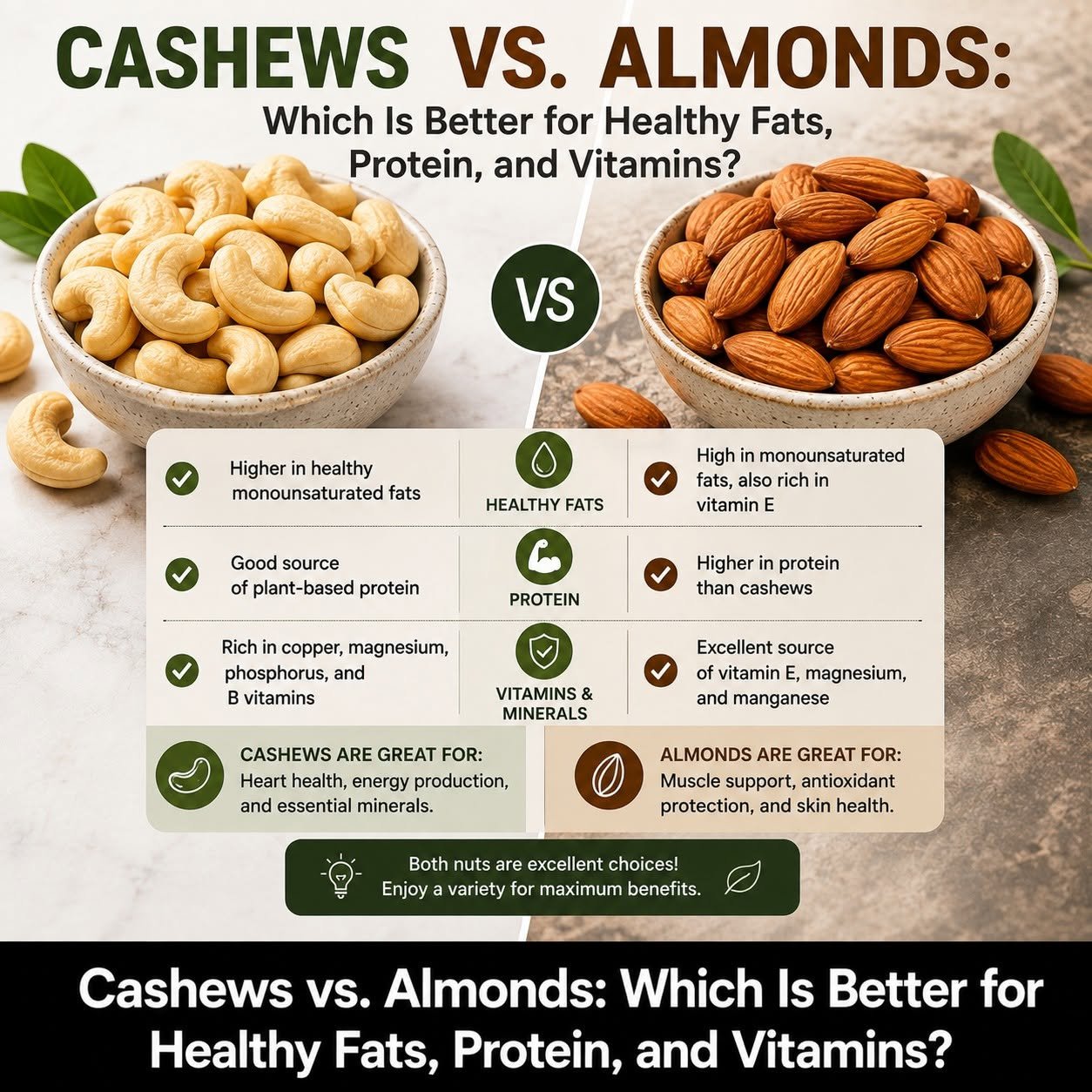
    Both almonds and cashews can be excellent additions to a balanced diet, but they offer slightly different nutritional advantages. In a typical 28-gram serving, almonds provide about 6 grams of protein, 4 grams of fiber, and 14 grams of total fat, while cashews provide roughly 4 grams of protein, 1 gram of fiber, and 13 grams of fat. Both contain mostly unsaturated fats, which can be a valuable part of a heart-conscious eating pattern. Almonds stand out particularly for their vitamin E content, providing around 7.3 mg per ounce, while cashews provide considerably less vitamin E. This makes almonds especially appealing for people looking for a snack that combines protein, fiber, healthy fats, and antioxidant-related nutrients in one convenient food.

    Cashews, however, have their own nutritional strengths. They provide magnesium, copper, iron, and zinc, making them a useful source of several essential minerals. A 28-gram serving supplies approximately 74 mg of magnesium, 1.7 mg of iron, and 1.6 mg of zinc. Almonds also contain magnesium and minerals, but their particularly strong advantage is their combination of fiber, vitamin E, protein, and monounsaturated fat. Neither nut is universally “better”—the smarter choice depends on your nutritional priorities. If you want more fiber and vitamin E, almonds have an advantage. If you are particularly interested in minerals such as copper and iron, cashews can be attractive. For either option, choosing unsalted varieties can help keep sodium intake lower, while reasonable portions are important because nuts are energy-dense foods.

    Ultimately, the best choice may be the nut you enjoy enough to eat consistently as part of a varied diet. A small handful of almonds or cashews can work well as a snack, or you can combine both with fruit, yogurt, or whole-grain foods. Rather than searching for one “perfect” nut, rotating different nuts and seeds can provide a broader range of nutrients. USDA FoodData Central remains a reliable reference for comparing the nutritional composition of foods. People with nut allergies or medical conditions requiring specific dietary restrictions should follow individualized professional advice. Disclaimer: This article is for general educational and informational purposes only and does not constitute medical diagnosis, treatment, or personalized nutritional advice. Nutritional values can vary according to variety, processing, serving size, and preparation. Claims online may be exaggerated, incomplete, or unauthenticated, so always verify important nutrition information through reliable sources and consult a qualified healthcare professional when appropriate.

  • Before a Colonoscopy, Here’s the Key Question You Should Ask Your Doctor

    Before a Colonoscopy, Here’s the Key Question You Should Ask Your Doctor

    Before a colonoscopy, one of the most useful questions to ask your doctor is: “Exactly how should I prepare, and what medicines or supplements should I change or continue before the procedure?” Proper bowel preparation is essential because the doctor needs a clear view of the colon. If preparation is inadequate, important areas may be difficult to examine and the procedure may need to be repeated. Preparation instructions can include temporarily changing your diet, following a clear-liquid plan, and taking a prescribed bowel-cleansing solution at specific times. (niddk.nih.gov) Because preparation instructions can vary depending on the medical center, the procedure time, and your health history, it is safer to follow your own doctor’s instructions rather than relying on a generic internet checklist.

    Medication planning is particularly important. Tell your healthcare team about every prescription medicine, over-the-counter medication, vitamin, and supplement you take. Some medicines—especially blood thinners, diabetes medications, iron supplements, and certain other drugs—may require specific instructions before a colonoscopy. However, you should never stop a prescribed medication on your own simply because you are having a procedure. Your doctor will determine whether a medication should be continued, adjusted, or temporarily stopped based on your individual risks. (asge.org) It is also worth asking what type of sedation or anesthesia will be used, whether you need someone to take you home, and when you can return to normal eating, driving, work, and medication schedules afterward.

    A simple conversation before the procedure can prevent unnecessary confusion and improve preparation. Consider asking: “What exactly should I eat and drink the day before, when should I start the bowel preparation, which medications should I take, and what symptoms afterward would require medical attention?” Understanding the plan in advance can make the process considerably less stressful. If the preparation causes severe vomiting, you cannot keep fluids down, or you are unsure whether you have completed the bowel cleansing properly, contact your healthcare team for guidance rather than improvising. Colonoscopy is widely used to investigate digestive symptoms and screen for colorectal cancer and can also allow doctors to remove certain polyps during the procedure. (cancer.gov) Disclaimer: This article is for general educational purposes only and does not constitute medical diagnosis, treatment, or personalized procedural advice. Colonoscopy preparation differs between patients and healthcare facilities, and medication instructions can be especially important. Always follow the specific instructions provided by your doctor or endoscopy team and verify any uncertain information directly with them.

  • The Natural Rhythm of Sleeping All Night

    The Natural Rhythm of Sleeping All Night

    A healthy night’s sleep is not simply a long period of unconsciousness—it is a natural rhythm of repeating sleep cycles that allows the brain and body to recover. During a typical night, adults move repeatedly through non-REM and REM sleep. Deep non-REM sleep tends to be more prominent earlier in the night, while REM periods generally become longer toward morning. These stages support different aspects of physical and mental restoration, including memory, learning, emotional processing, and tissue repair. Most adults need approximately 7–9 hours of sleep each night, although individual needs can vary. (nhlbi.nih.gov) Maintaining a reasonably consistent bedtime and wake-up time can help reinforce the body’s internal circadian rhythm, which regulates sleepiness, alertness, body temperature, and other daily biological processes.

    It is also completely normal for sleep to briefly lighten or become interrupted during the night. People may shift position, briefly wake, or move between sleep stages without remembering it the next morning. What matters is whether these interruptions become frequent enough to interfere with restorative sleep. Exposure to bright light late at night, irregular schedules, caffeine, stress, alcohol, uncomfortable temperatures, and electronic devices can all interfere with healthy sleep patterns for some people. The body’s circadian system responds strongly to light, particularly morning light, which helps signal that it is time to become alert and start the day. Establishing a calming bedtime routine, keeping the bedroom dark and comfortable, limiting caffeine later in the day, and getting regular daytime activity can support healthier sleep habits. (cdc.gov) If someone consistently struggles to fall asleep, wakes repeatedly, or feels exhausted despite spending enough time in bed, the problem may deserve further attention.

    The goal is therefore not necessarily to sleep perfectly without a single awakening, but to create conditions that allow your natural sleep rhythm to work effectively. Going to bed and waking up at similar times, getting adequate sleep, maintaining daytime activity, and creating a relaxing evening environment can all contribute to better sleep quality. Persistent loud snoring, gasping or choking during sleep, repeated breathing pauses, severe daytime sleepiness, or chronic insomnia should not simply be dismissed as normal aging; these may indicate an underlying sleep disorder that can be evaluated by a healthcare professional. (nhlbi.nih.gov) Disclaimer: This article is for general educational and informational purposes only and does not constitute medical diagnosis, treatment, or personalized health advice. Sleep patterns vary between individuals, and occasional nighttime awakenings can be normal. Some online claims about “perfect” sleep routines may be exaggerated or unauthenticated, so always verify important health information through reliable sources and consult a qualified healthcare professional about persistent sleep problems.

  • Want Better Sleep Tonight? Try Finishing Your Last Meal 2–3 Hours Before Bedtime

    Want Better Sleep Tonight? Try Finishing Your Last Meal 2–3 Hours Before Bedtime

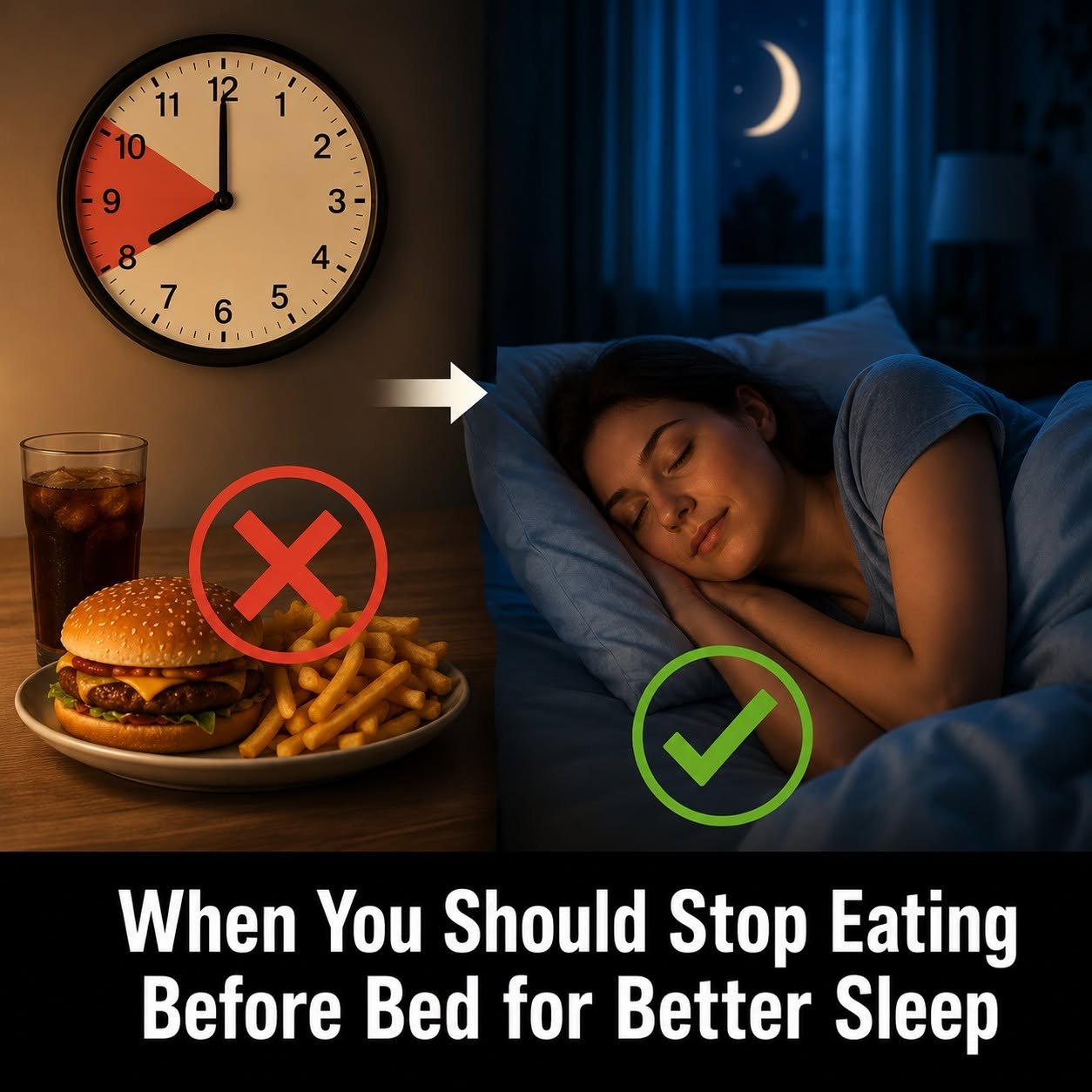
    The timing of your evening meal may influence how comfortable you feel when you go to sleep. Finishing dinner around 2–3 hours before bedtime gives your body more time to digest before you lie down. This habit is particularly relevant for people who experience nighttime heartburn or acid reflux. The National Institute of Diabetes and Digestive and Kidney Diseases recommends eating meals at least three hours before lying down or going to bed when nighttime GERD symptoms are present. Lying down soon after eating can make it easier for stomach contents to move upward into the esophagus, potentially causing burning, sour taste, coughing, or discomfort. The American College of Gastroenterology similarly suggests avoiding meals within 2–3 hours of bedtime for people managing GERD.

    Another reason to avoid a large meal immediately before bed is comfort. A heavy dinner can leave you feeling overly full when you are trying to relax, while late-night eating may be particularly troublesome for people prone to reflux. If you regularly experience nighttime symptoms, consider having dinner earlier and choosing a balanced meal rather than a very large, fatty, or spicy meal. Individual food triggers differ, but common reflux triggers can include high-fat foods, caffeine, chocolate, spicy foods, and acidic foods. It is also helpful to remain upright after eating instead of immediately lying down. Importantly, however, finishing dinner three hours before bed is not a guaranteed sleep-improvement technique for everyone. Its strongest evidence relates to reducing nighttime reflux symptoms, and people without reflux may not notice a dramatic difference in sleep simply from changing meal timing.

    A practical routine could be to finish your evening meal 2–3 hours before your planned bedtime, keep portions comfortable, and give yourself time to wind down afterward. If you are hungry later, your individual nutritional needs may determine whether a small snack is appropriate. People with diabetes, pregnancy-related nutritional needs, or other medical conditions should follow personalized dietary guidance rather than unnecessarily restricting evening food. If nighttime heartburn occurs frequently, interferes with sleep, or is accompanied by difficulty swallowing, persistent vomiting, unexplained weight loss, or concerning chest pain, seek professional medical evaluation. Disclaimer: This article is for general educational and informational purposes only and does not constitute medical diagnosis, treatment, or personalized nutritional advice. Eating your last meal 2–3 hours before bed may help some people—especially those with nighttime reflux—but it is not guaranteed to improve sleep for everyone. Health and nutrition claims online may be exaggerated, incomplete, or unauthenticated, so always verify important information through reliable medical sources and consult a qualified healthcare professional when needed.

  • No One Saw It Coming! A 65-Year-Old Woman Had Always Been Healthy—Until the Way She Ate Eggs Every Day Changed Everything

    No One Saw It Coming! A 65-Year-Old Woman Had Always Been Healthy—Until the Way She Ate Eggs Every Day Changed Everything

    Eggs can be a nutritious and convenient source of high-quality protein, along with nutrients such as vitamin B12, selenium, choline, and vitamin D. For many older adults, eggs can fit comfortably into a balanced eating pattern. However, the way eggs are prepared and what they are eaten with can significantly change the nutritional profile of a meal. A daily breakfast of eggs does not automatically cause heart disease or another serious condition, but eating eggs alongside large amounts of processed meat, butter, refined carbohydrates, or foods high in saturated fat may contribute to an overall dietary pattern that is less heart-friendly. The American Heart Association notes that healthy people can include eggs in a heart-healthy dietary pattern, while emphasizing the importance of the overall diet and sources of saturated fat. (heart.org) This distinction is especially important for older adults, who may have individual cholesterol, blood-pressure, or diabetes considerations.

    Another issue is food safety and preparation. Raw or undercooked eggs can potentially contain Salmonella, which can cause foodborne illness. Older adults are among the groups at increased risk of developing serious complications from foodborne infections, so appropriate cooking and refrigeration are particularly important. The FDA recommends cooking eggs until both the yolk and white are firm and keeping eggs refrigerated at 40°F (4°C) or below. (fda.gov) Someone eating eggs every morning is therefore not necessarily putting their health at risk—but consuming raw, undercooked, or improperly stored eggs can increase food-safety risks. Similarly, repeatedly frying eggs in large quantities of butter or serving them with processed meats may add substantial saturated fat and sodium. A healthier approach could involve boiled, poached, or lightly cooked eggs paired with vegetables, whole grains, or other nutrient-rich foods.

    The real lesson is that one food rarely “changes everything” by itself. A person’s health reflects their overall eating pattern, physical activity, genetics, medications, sleep, and existing medical conditions. For a 65-year-old who enjoys eggs daily, the goal should not necessarily be to eliminate them but to consider portion size, preparation method, accompanying foods, and individual health needs. People with high cholesterol, diabetes, cardiovascular disease, or other medical conditions should discuss their dietary pattern with a qualified healthcare professional rather than following dramatic social-media claims. Disclaimer: This article is for general educational and informational purposes only and does not constitute medical diagnosis, treatment, or personalized nutritional advice. Eating eggs every day does not automatically cause a serious health problem, and the fictional scenario in the headline should not be treated as a verified medical case. Individual responses and dietary needs vary, and online claims may be exaggerated, misleading, or unauthenticated. Always verify important health information through reliable sources and consult a qualified healthcare professional for personalized advice.