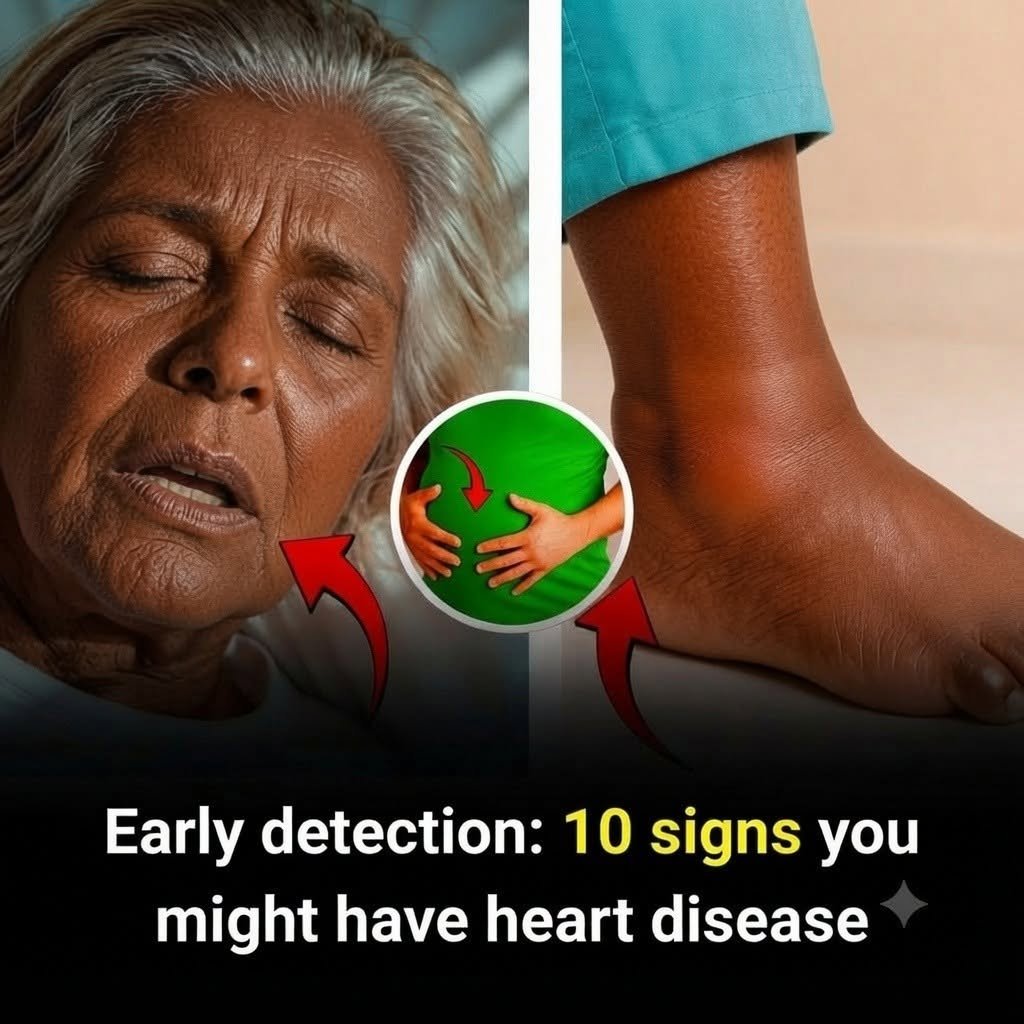
Heart disease can develop gradually, and some people may notice changes before experiencing a major cardiovascular event. Possible symptoms include 1) unusual or persistent fatigue, 2) shortness of breath, 3) chest pressure or discomfort, 4) pain or discomfort spreading to the arms, shoulders, back, neck, or jaw, 5) dizziness or lightheadedness, 6) unusual sweating, 7) nausea or an upset stomach, 8) a racing, pounding, or irregular heartbeat, 9) swelling in the ankles or legs, and 10) reduced ability to perform normal physical activities without becoming unusually tired or breathless. MedlinePlus notes that chest discomfort, shortness of breath, fatigue, palpitations, and ankle swelling can be warning signs associated with cardiovascular problems. These symptoms can have many other causes, so experiencing one does not automatically mean that someone has heart disease.
Some symptoms become particularly important when they appear during physical activity, become progressively worse, or occur together. For example, angina can cause pressure, squeezing, or discomfort in the chest that may spread to the shoulders, arms, neck, jaw, abdomen, or back; some people experience shortness of breath or fatigue instead of obvious chest pain. Women, older adults, and people with diabetes may sometimes experience less typical symptoms, including unusual tiredness, nausea, shortness of breath, or back and jaw discomfort. Persistent ankle or leg swelling can also be associated with heart problems, particularly when accompanied by breathlessness or reduced exercise tolerance. Because these symptoms overlap with many other conditions, proper evaluation may require a medical history, examination, blood tests, an ECG, or other testing depending on the situation.
The most important point is not to ignore sudden or severe cardiovascular symptoms. Chest pressure or discomfort, shortness of breath, pain spreading to the arm, shoulder, back, neck, or jaw, sudden severe weakness, faintness, nausea, or cold sweating can occur during a heart attack. The American Heart Association advises seeking emergency medical help immediately when heart-attack warning signs occur rather than waiting to see whether they disappear. If symptoms are persistent but not immediately severe, arrange an appointment with a qualified healthcare professional to determine the underlying cause. Disclaimer: This article is for general educational and informational purposes only and does not constitute medical diagnosis, treatment, or personalized health advice. These symptoms are not proof of heart disease and may have many other causes. Some health information online may be exaggerated, incomplete, or unauthenticated, so always verify important claims through reliable medical sources and consult a qualified healthcare professional. If you believe you may be experiencing a heart attack, seek emergency medical care immediately.
Leave a Reply